-
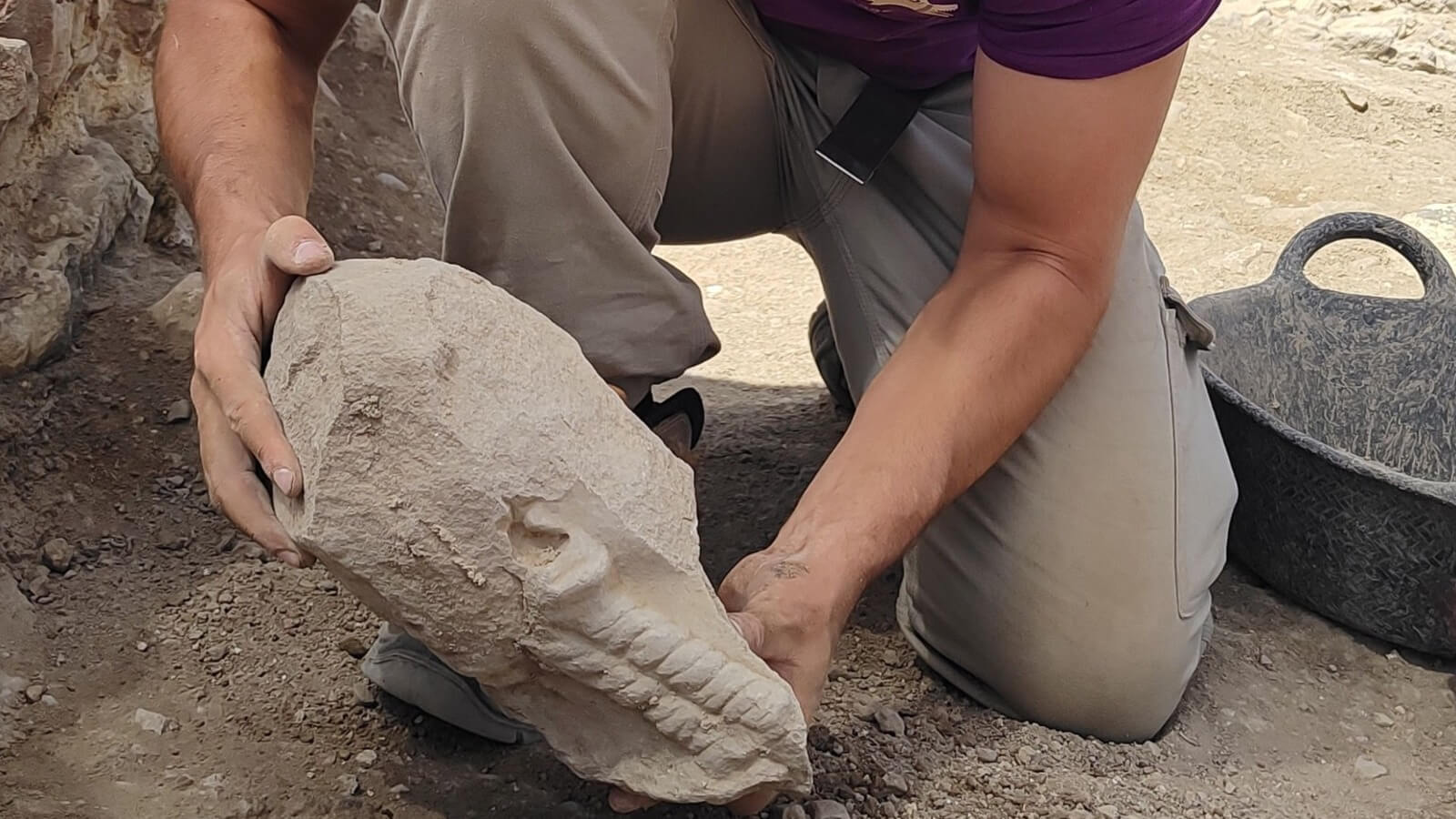
2,400-Year-Old Iberian Statue Head Found Built Into a Roman Granary in Spain
The nearly life-size limestone head may once have belonged to an Iberian funerary monument associated with elite identity. Centuries later, it was stripped of its original meaning and reused as an ordinary building stone. Archaeologists excavating the ancient city of Libisosa in southeastern Spain have discovered the head of an exceptional Iberian statue dating to…
-
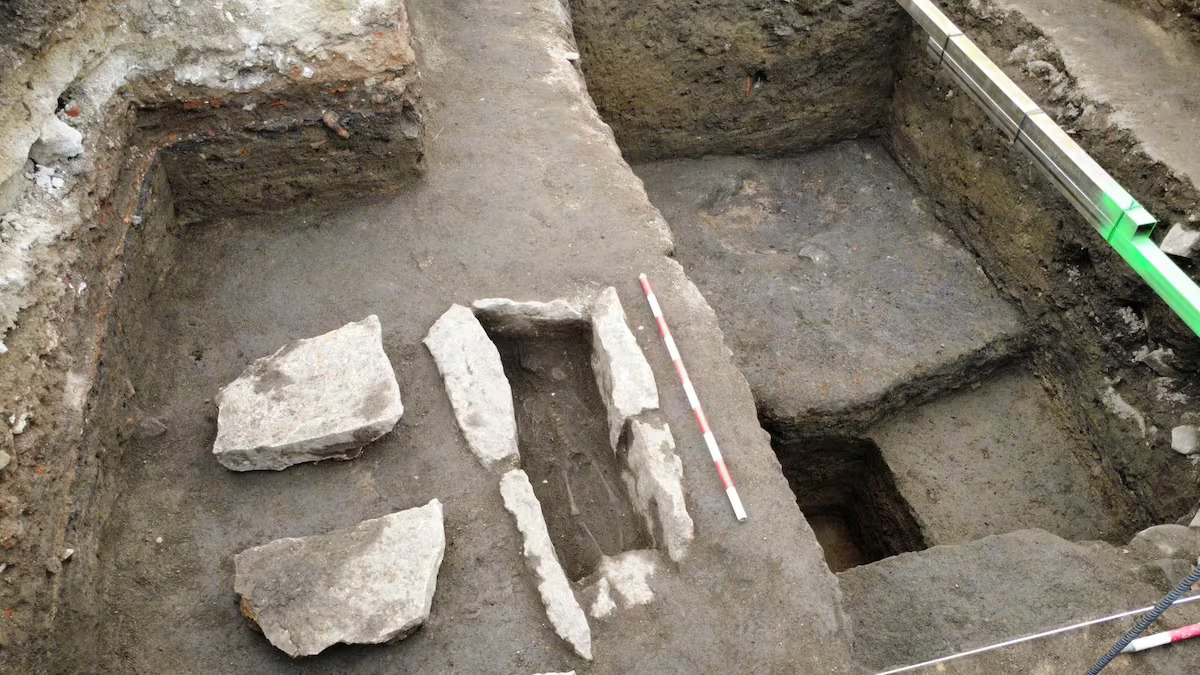
1,500-Year-Old Child Grave at Ávila’s Ancient Gate May Reflect a Protective Ritual
An intact grave containing the remains of a very young child has been uncovered directly outside one of the principal entrances to the historic city of Ávila in central Spain. The child, believed to have been approximately 18 months old, was buried alone and carefully aligned with the entrance now marked by the monumental San…
-
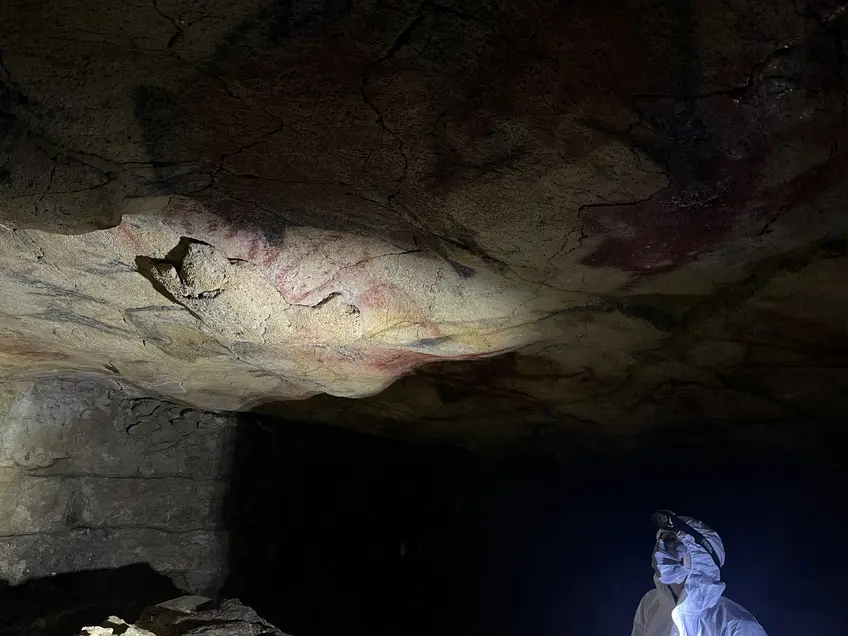
Ancient Human DNA Found on Cave Walls for the First Time
A cave wall is not usually treated like a genetic archive. In Spain and Portugal, however, researchers have recovered ancient human DNA from the surface of cave walls, including areas close to prehistoric rock art. The study, led by the Max Planck Institute for Evolutionary Anthropology and published in Nature Communications, examined 24 rock art…
-
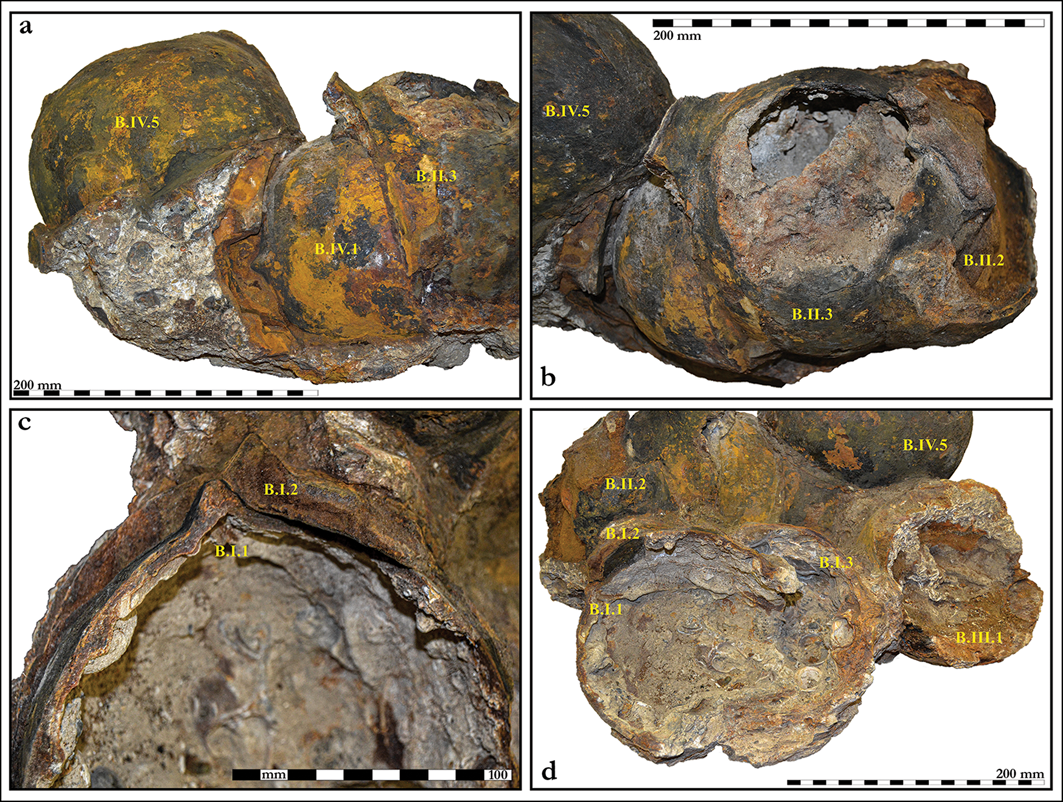
600-Year-Old Helmets Found off Spain’s Coast Were Not Roman After All
Medieval helmets found off Spain’s coast have overturned a long-standing archaeological assumption. For decades, a group of iron helmets recovered from the seabed near Benicarló, in eastern Spain, seemed to belong to the ancient Mediterranean world. They had been found in the same underwater zone as Roman anchor stocks, amphorae and bronze helmets, so the…
-
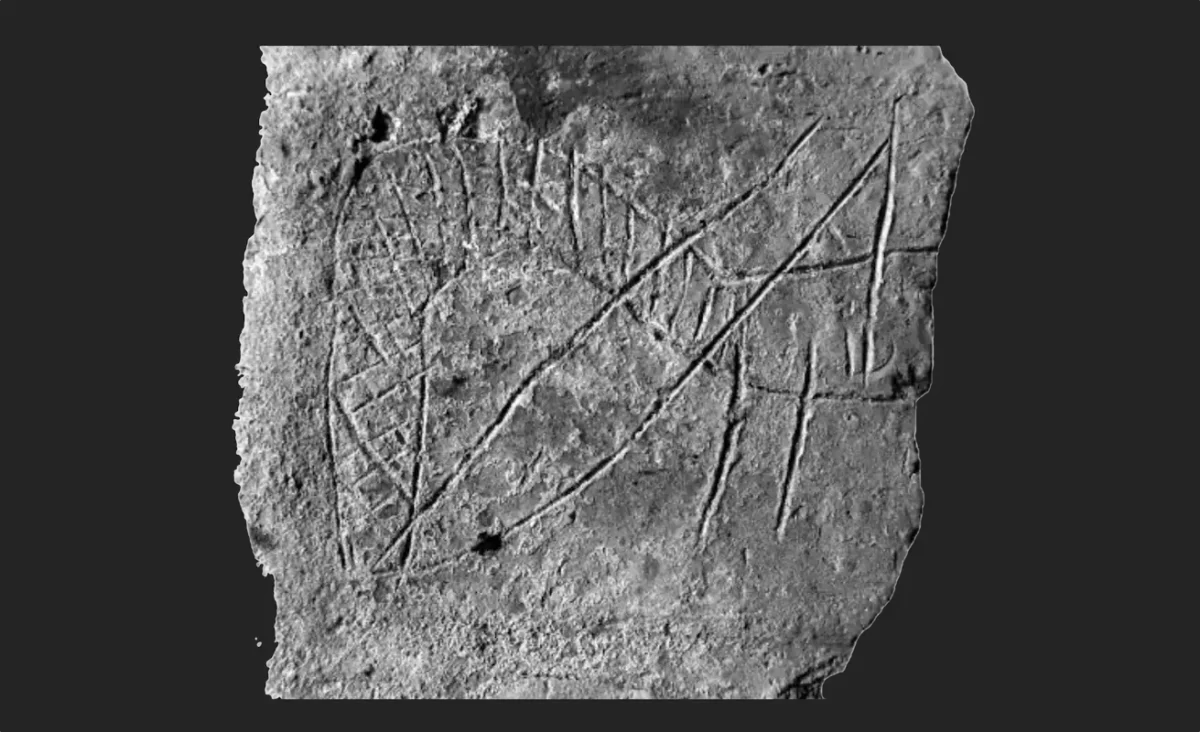
Roman-Era Brick in Spain May Reveal Europe’s Earliest Stirrup—Rewriting Cavalry History
A roughly scratched drawing on a fragment of clay, discovered in central Spain, may be forcing historians to reconsider a long-standing assumption about European warfare. What appears at first to be a crude sketch could, in fact, represent the earliest known stirrup in Western Europe—potentially pushing its use back by more than a century. A…
-
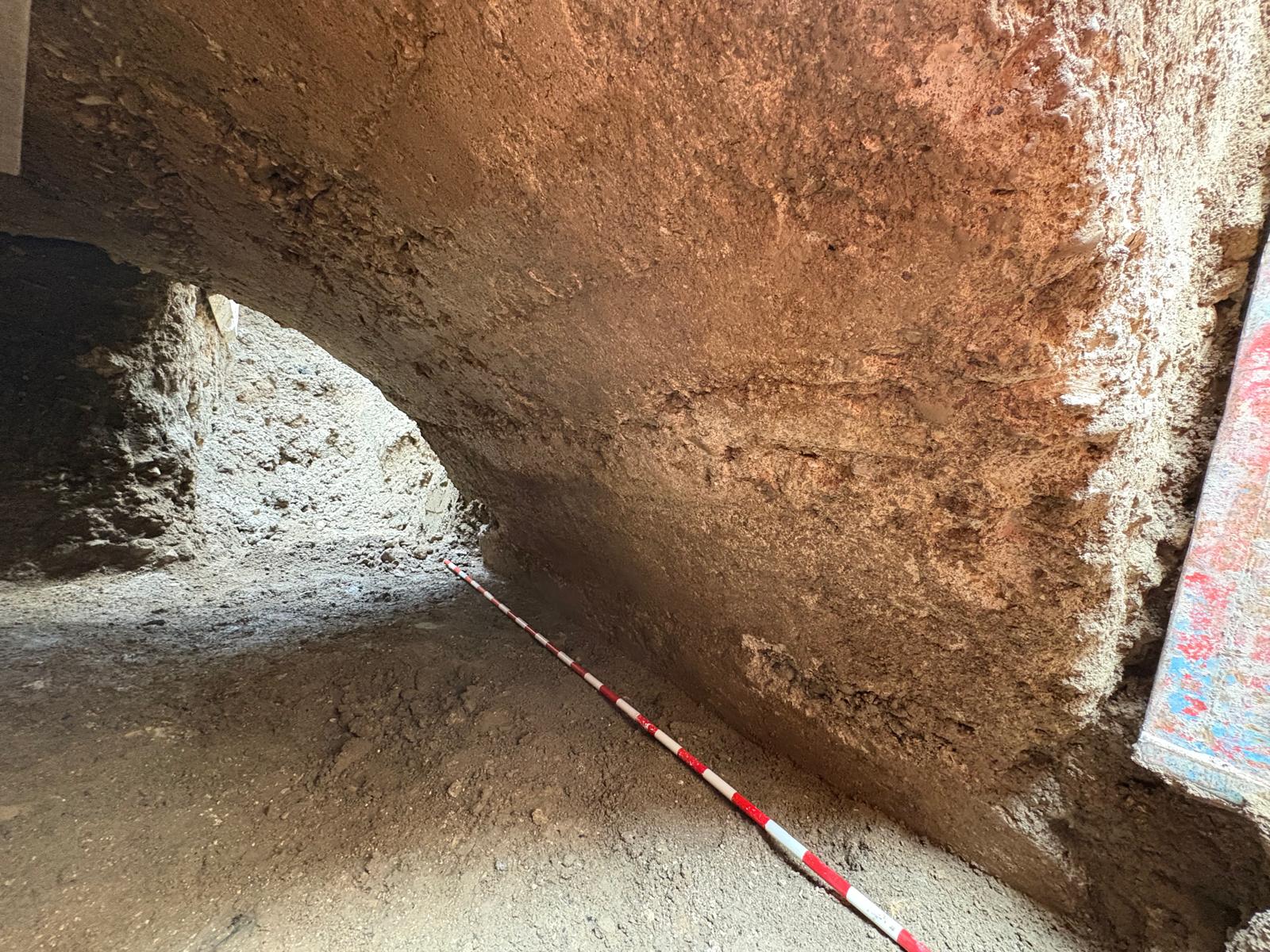
2,000-Year-Old Roman Bridge-Aqueduct Unearthed Beneath Zaragoza Streets
Beneath the busy streets of Zaragoza, a hidden piece of Roman engineering has quietly resurfaced. Archaeologists working several meters below ground level have uncovered what may be a 2,000-year-old bridge-aqueduct, offering rare physical evidence of how the ancient city of Caesaraugusta was built, organized, and supplied with water. The discovery emerged during urban renewal works…