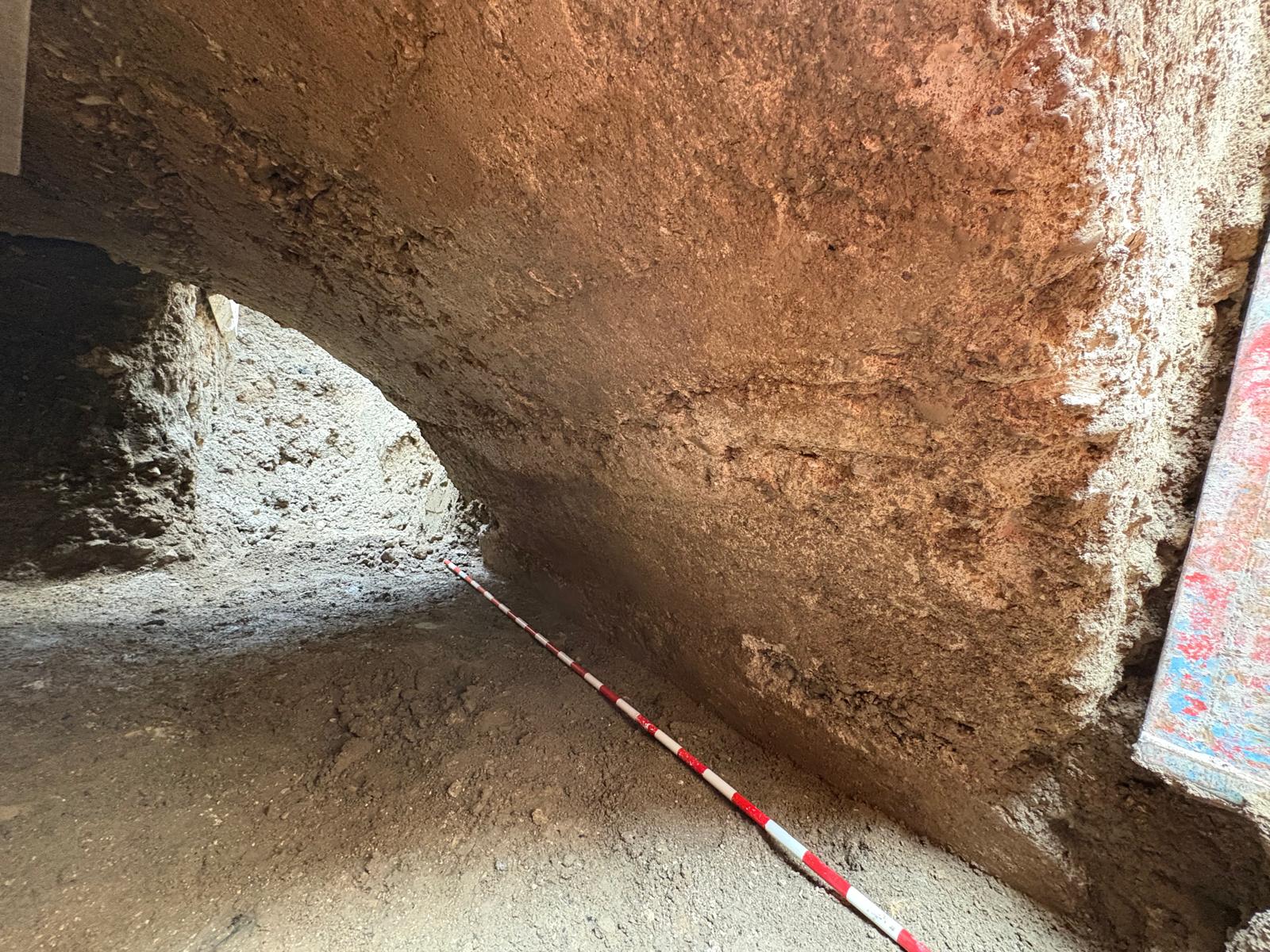
Beneath the busy streets of Zaragoza, a hidden piece of Roman engineering has quietly resurfaced. Archaeologists working several meters below ground level have uncovered what may be a 2,000-year-old bridge-aqueduct, offering rare physical evidence of how the ancient city of Caesaraugusta was built, organized, and supplied with water.
The discovery emerged during urban renewal works in San Miguel Square and along the historic Coso avenue. At a depth of around four meters, archaeologists identified a large Roman arch constructed from opus caementicium, the durable concrete that underpinned much of Rome’s architectural success. Initial analysis suggests the structure may have functioned both as a bridge and as part of a water transport system—an uncommon combination in the archaeological record.
A rare engineering solution beneath the city
The remains were documented near the intersection of Coso and Espartero Street, an area that in Roman times likely formed a natural depression or shallow valley. Archaeologists believe the structure originally crossed this low terrain, allowing movement across the landscape while also supporting a hydraulic channel.
The use of Roman hydraulic concrete indicates that the structure dates back to the early decades following the foundation of Caesaraugusta, a Roman colony established during the reign of Emperor Augustus in the late 1st century BC.
“This discovery is extremely important for the historical record,” said José Juan Domingo, head of Zaragoza’s Municipal Archaeology Service. “It is the first structure of this type identified in Zaragoza and provides valuable insight into how the Roman city managed its water supply and urban planning.”

A missing link in Zaragoza’s ancient water system
For decades, historians have debated how water from the nearby Huerva River reached the Roman city. While Caesaraugusta is known to have possessed advanced infrastructure, the exact configuration of its water supply network has remained uncertain.
The newly uncovered structure may provide a crucial clue.
Archaeologists suggest it could have formed part of an early hydraulic system transporting water into the urban center. In Roman cities, aqueducts often worked in combination with bridges and elevated crossings to maintain a steady flow of water to baths, fountains, and residential areas.
If confirmed, the Zaragoza find would represent the first direct archaeological evidence of such a bridge-aqueduct system in the city, helping to move long-standing theories into the realm of physical proof.
Rethinking the size of Caesaraugusta
Beyond its engineering significance, the discovery is also reshaping understanding of the city’s original boundaries.
Scholars have long debated whether the area between the Coso and the Huerva River was a peripheral zone or a later suburban expansion. However, the newly documented archaeological layers suggest that this sector was part of the core Roman city from its earliest phases, rather than a secondary district developed outside the main settlement.
This interpretation expands the known footprint of Caesaraugusta and points to a more integrated and ambitious urban plan than previously assumed.
Preserved beneath modern Zaragoza
Following excavation, the structure was carefully documented using photography, technical drawings, and 3D scanning. Instead of being removed, it was preserved in situ beneath the pavement—protected and reburied to allow modern infrastructure work to continue without damaging the remains.
The importance of the discovery has already prompted archaeologists to open additional test trenches nearby. If further sections of the structure survive underground, researchers may eventually reconstruct its full scale and confirm its dual function as both bridge and aqueduct.
Layers of history still waiting to emerge
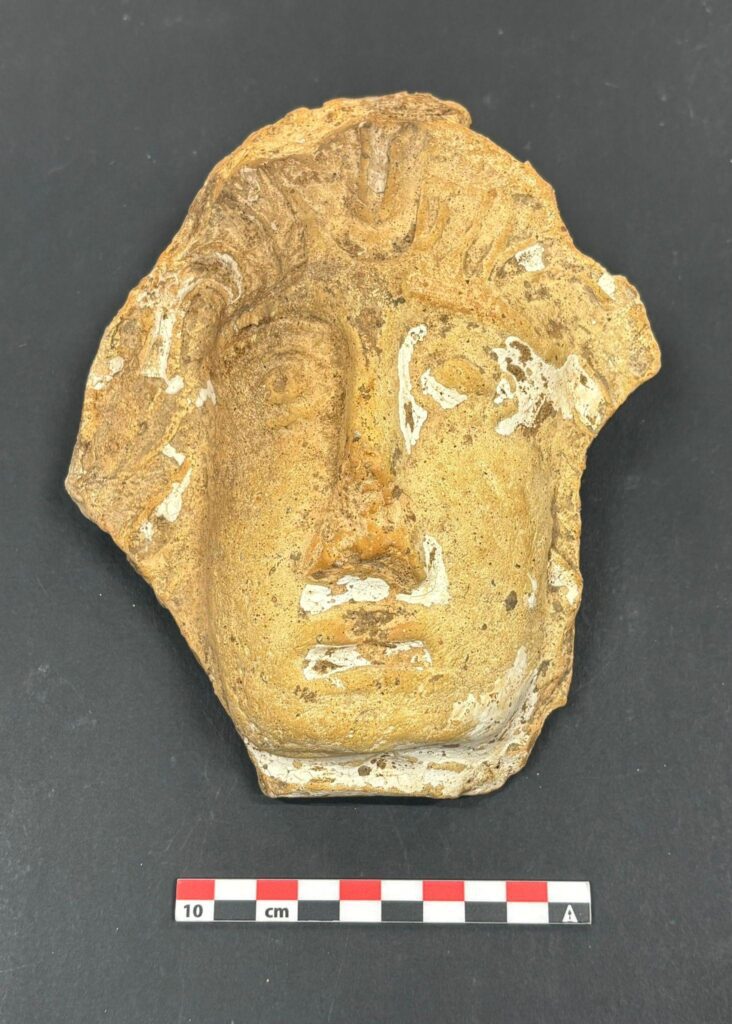
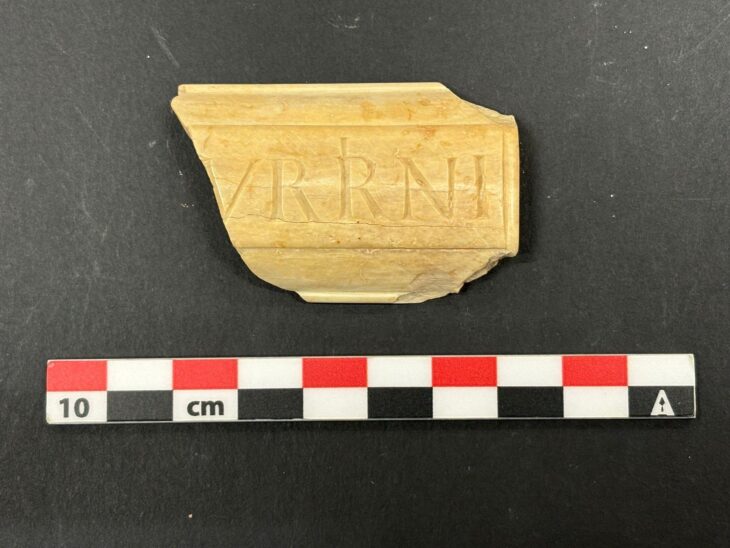
The excavations also yielded pottery fragments and other artifacts from different historical periods, now undergoing analysis in municipal laboratories. Much of Zaragoza’s archaeological record remains fragmented, partly due to centuries of construction carried out before systematic archaeological monitoring became standard practice in the late 20th century.
Founded as Colonia Caesar Augusta, Zaragoza was one of the most important Roman urban centers in northeastern Spain—and the only city in the Roman world named directly after Emperor Augustus. Over time, its streets and infrastructure were buried beneath layers of later development.
Cover Image Credit: Ajuntament de Zaragoza