-
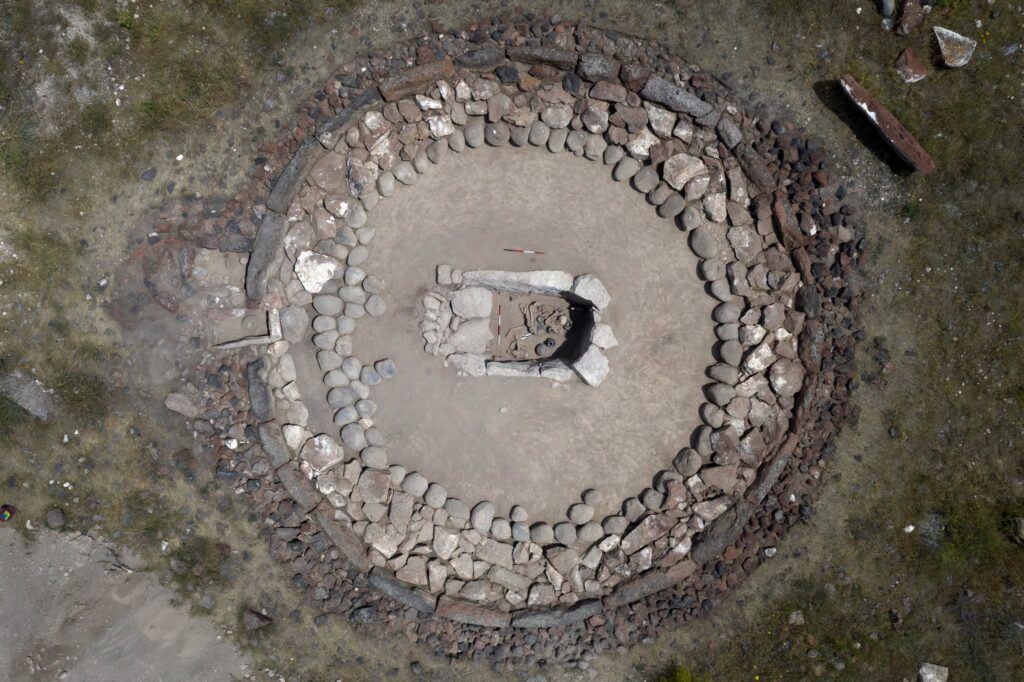
Monumental 3,000-Year-Old Tomb in Armenia Reveals Weapons and a Sacrificed Horse
Encircled by massive rings of stone, a Late Bronze Age tomb at Shamiram in western Armenia has yielded bronze weapons, obsidian arrowheads and the remains of a horse sacrificed during an elaborate funerary ritual. Known as Tomb No. 3, the burial dates to roughly 1600–1200 BCE. Its concentric stone enclosures and central chamber distinguish it…
-
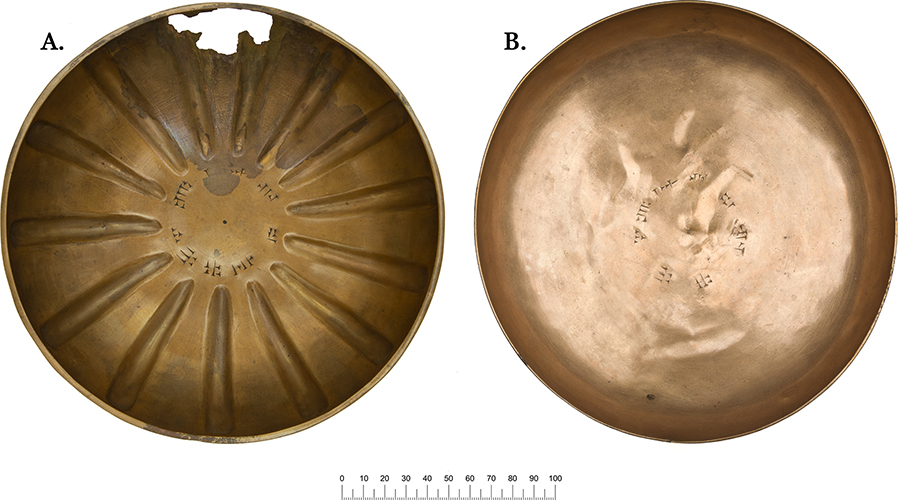
Power Served in Bronze: Urartu’s Kings Turned Royal Bowls into Portable Propaganda
More than 100 bronze bowls inscribed with the names of Urartian kings were designed to do more than hold food or drink. A new study suggests that the vessels circulated royal names, sacred symbols and carefully controlled images of kingship, making them an ancient form of portable political messaging. Published in Antiquity, the research was…
-
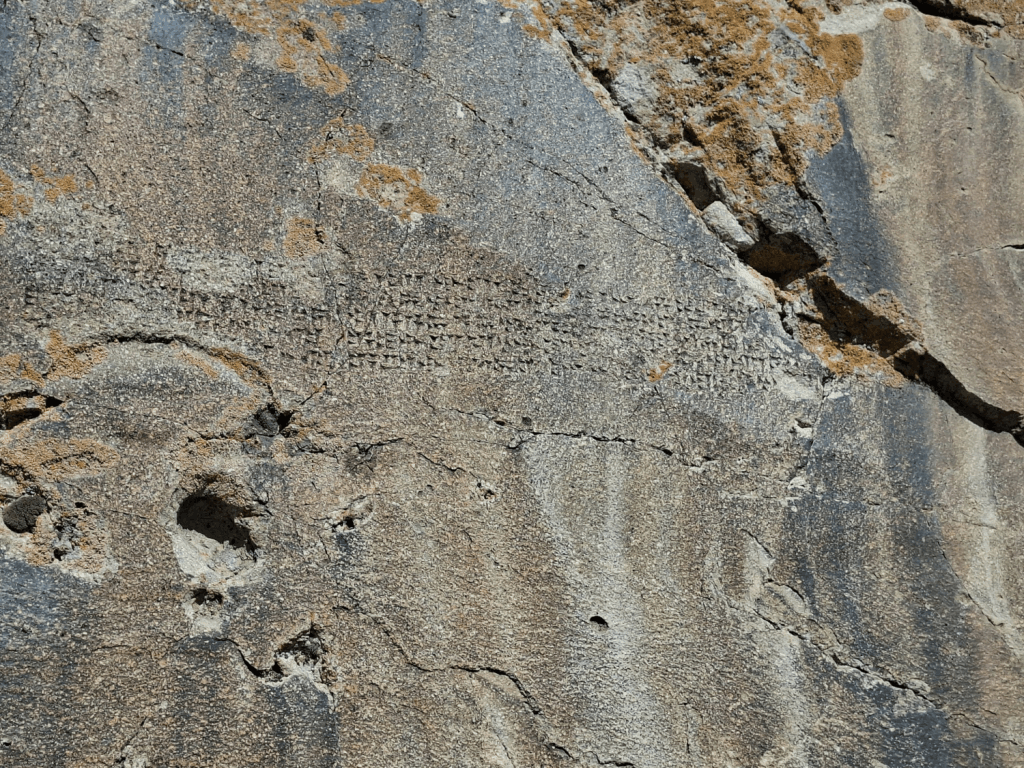
Archaeologists Relocate a 2,800-Year-Old Urartian Royal Inscription in Nakhchivan
A 2,800-year-old Urartian royal inscription that had eluded researchers for decades has been relocated on a rock face in Azerbaijan’s Nakhchivan region, restoring one of the South Caucasus’s rare Iron Age cuneiform texts to its original setting. The inscription, carved in the Ilandagh area, names the Urartian rulers Ishpuini and Menua and refers to conquered…
-
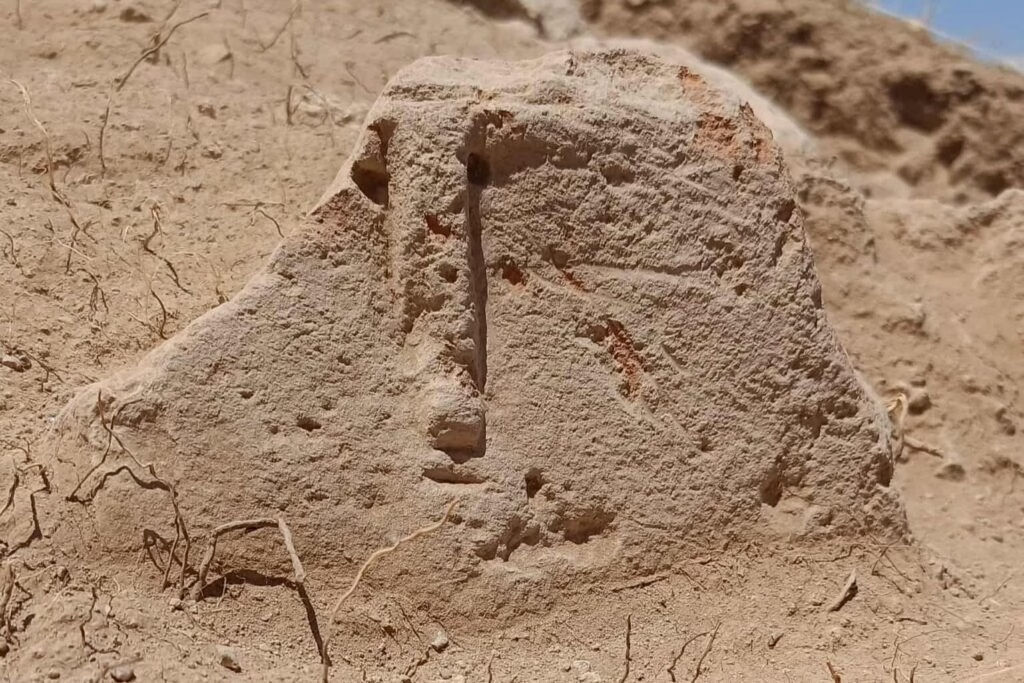
Mysterious 2,500-Year-Old Idol Unearthed in Armenia’s Urartian Fortress Reveals Hidden Rituals After an Empire’s Fall
Archaeologists working in the ancient Urartian fortress of Argishtikhinili, in modern-day Armenia, have uncovered a striking 2,500-year-old volcanic-stone idol that may rewrite what is known about domestic spirituality in the centuries following the collapse of the Urartian Kingdom. The small figurine — carved from dark volcanic tuff with a sharply modeled face, narrow lips, and…
-
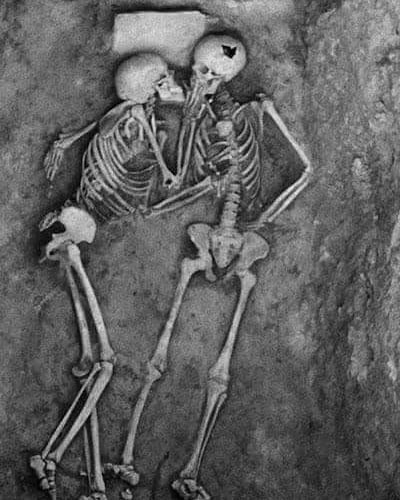
The 2,800-Year-Old Hasanlu Lovers: When Archaeology Corrected a Love Story
In northwestern Iran, archaeologists uncovered two intertwined skeletons frozen in what looked like a final embrace. For decades, they were known worldwide as the “Hasanlu Lovers.” Yet modern analyses reveal a twist: the pair were not lovers — but two men who died together in fire nearly 2,800 years ago. A Moment Sealed by Fire…