-

Ancient Quarry in Norway Reveals Thousands of Years of Toolmaking
High in the mountains of Hemsedal, eastern Norway, archaeologist Astrid Nyland followed the glimmer of white quartzite to a site first noted more than half a century ago. What she uncovered was not just a quarry, but evidence of a long-lasting tradition of toolmaking that stretched from the Stone Age into the Iron Age. The…
-
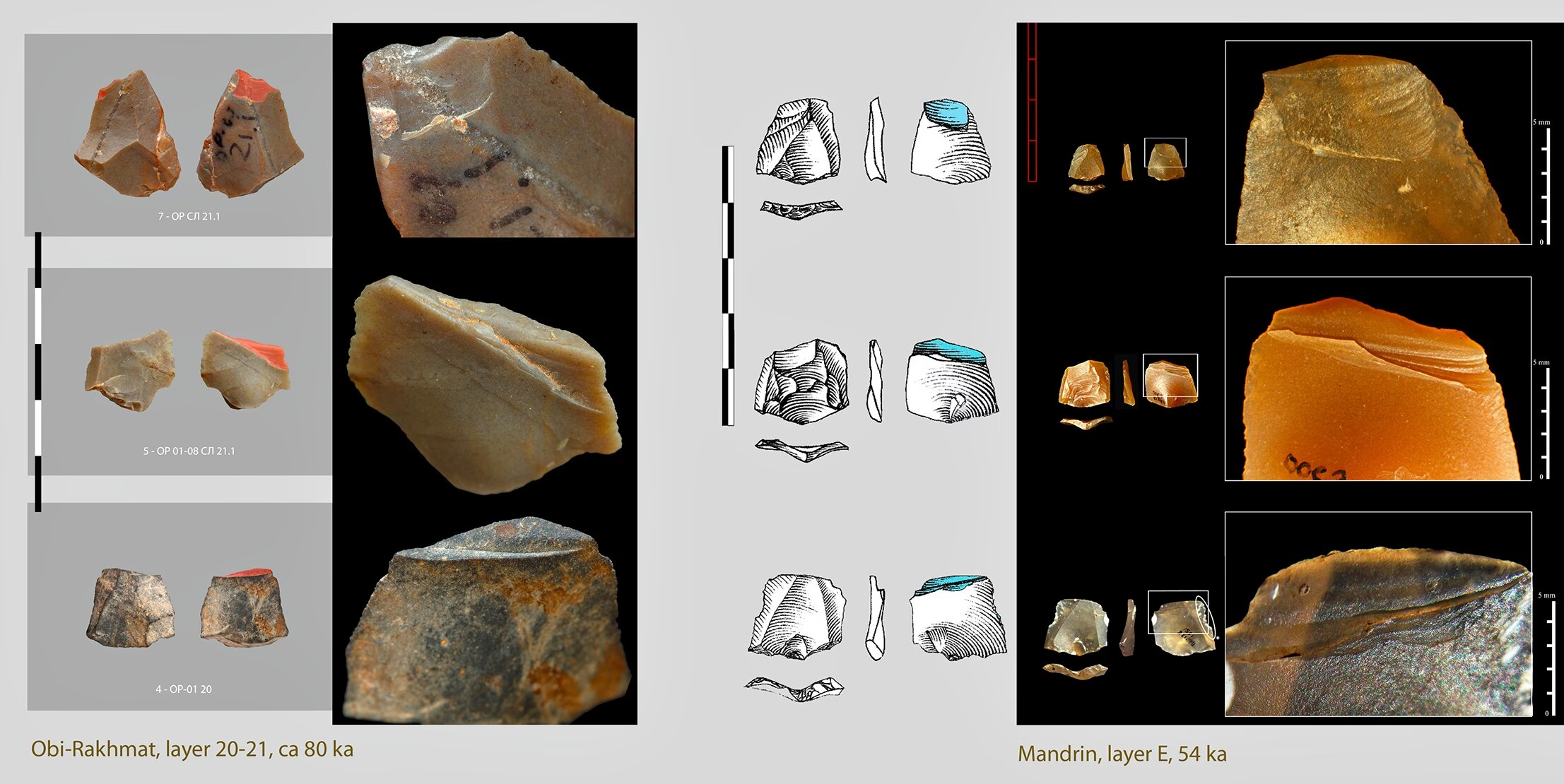
The Origins of Archery? 80,000-Year-Old Micropoints Shed Light on Ancient Hunting Technology
Stone tools unearthed at the Obi-Rakhmat rock shelter in Uzbekistan may represent the earliest evidence of arrows ever found. Researchers from the Université de Bordeaux and the Institute of Archaeology and Ethnography in Novosibirsk report their findings in PLOS ONE, arguing that tiny triangular flakes—known as micropoints—were mounted on arrow-like shafts around 80,000 years ago.…
-
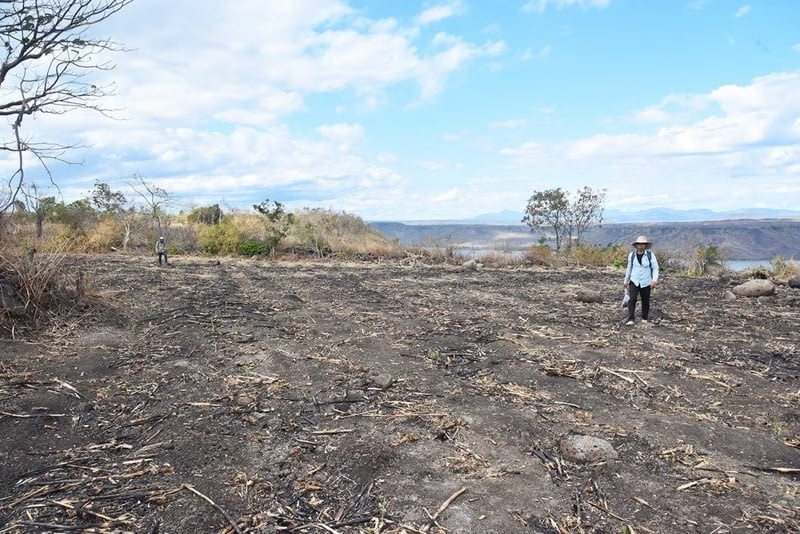
3,500-Year-Old Opal Workshop and Stone Xylophones Unearthed in Vietnam
Archaeologists in Vietnam’s Central Highlands have uncovered a prehistoric site that reshapes our understanding of both technology and music in early societies. Excavations at Plei Ring, located in Chu Se district of Gia Lai province, revealed the remains of a large opal stone workshop alongside a set of rare lithophones, or stone xylophones, dating back…
-
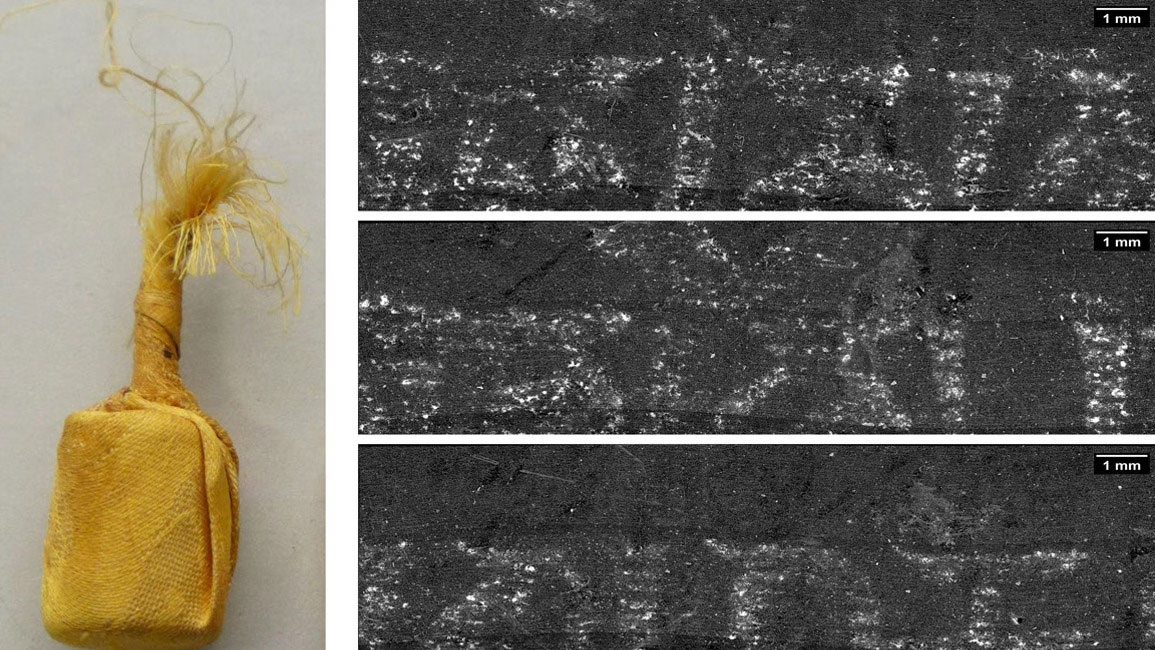
Ancient Buddhist Scroll Virtually Unrolled in Berlin with 3D Technology
In Berlin, researchers have virtually “unrolled” an ancient Buddhist prayer scroll that had remained sealed for centuries. Scientists at Helmholtz-Zentrum Berlin used advanced 3D X-ray tomography combined with experimental artificial intelligence to examine the fragile manuscript, part of a portable shrine known as a gungervaa, without physically opening it. A forgotten nomadic Buddhist tradition For…
-

4,000-Year-Old Sheep Tooth Reveals Prehistoric Plague Link Between Humans and Livestock
Scientists have identified a deadly prehistoric plague strain in an animal for the first time – a 4,000-year-old domesticated sheep from the Eurasian Steppe – offering new clues about how one of history’s most feared diseases spread across continents. A team of international researchers has uncovered a crucial missing link in the history of the…
-
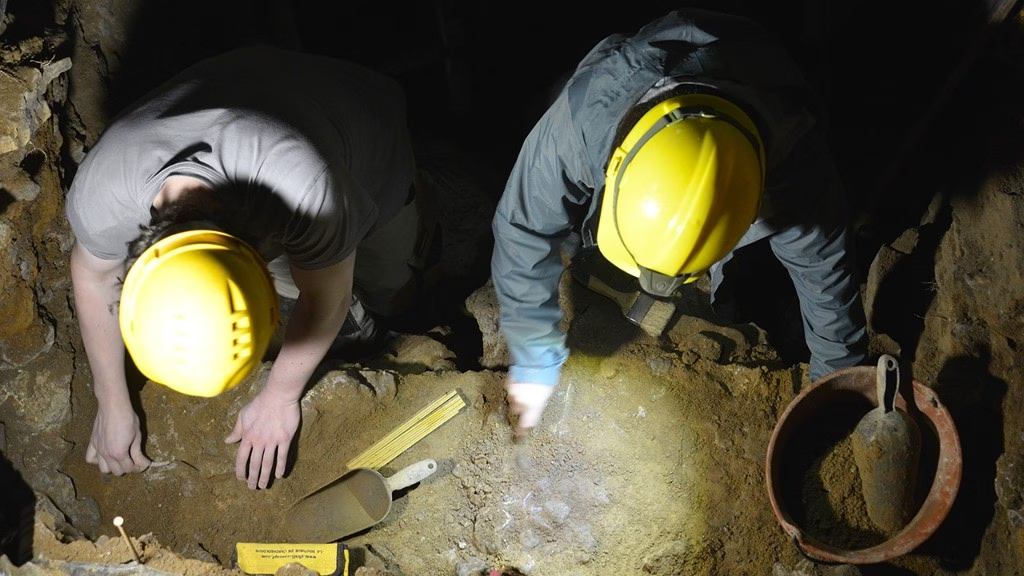
First Europeans at the Gates: 40,000-Year-Old Homo sapiens Settlement Unearthed in Belgium’s Trou Al’Wesse Cave
Archaeological excavations in Modave, Belgium, are revealing the traces of the first Homo sapiens communities to settle permanently in Northwestern Europe. Stone tools, mammoth ivory beads, and reindeer antler spear points dating back 40,000 years shed light on the earliest chapters of Paleolithic art and culture. Hidden within a tranquil nature reserve along the Hoyoux…