-
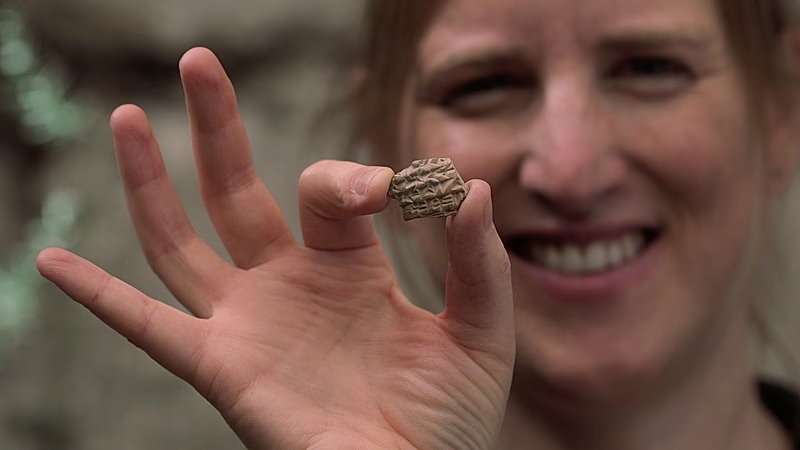
First Assyrian Inscription Ever Found in Jerusalem Reveals Diplomatic Ties Between Kings
Archaeologists in Jerusalem have made a discovery that could reshape our understanding of the city’s ancient political landscape: a 2,700-year-old pottery fragment bearing an Assyrian inscription — the first of its kind ever found in Jerusalem.Written in Akkadian cuneiform, the text appears to record a royal communication between the Assyrian Empire and the Kingdom of…
-
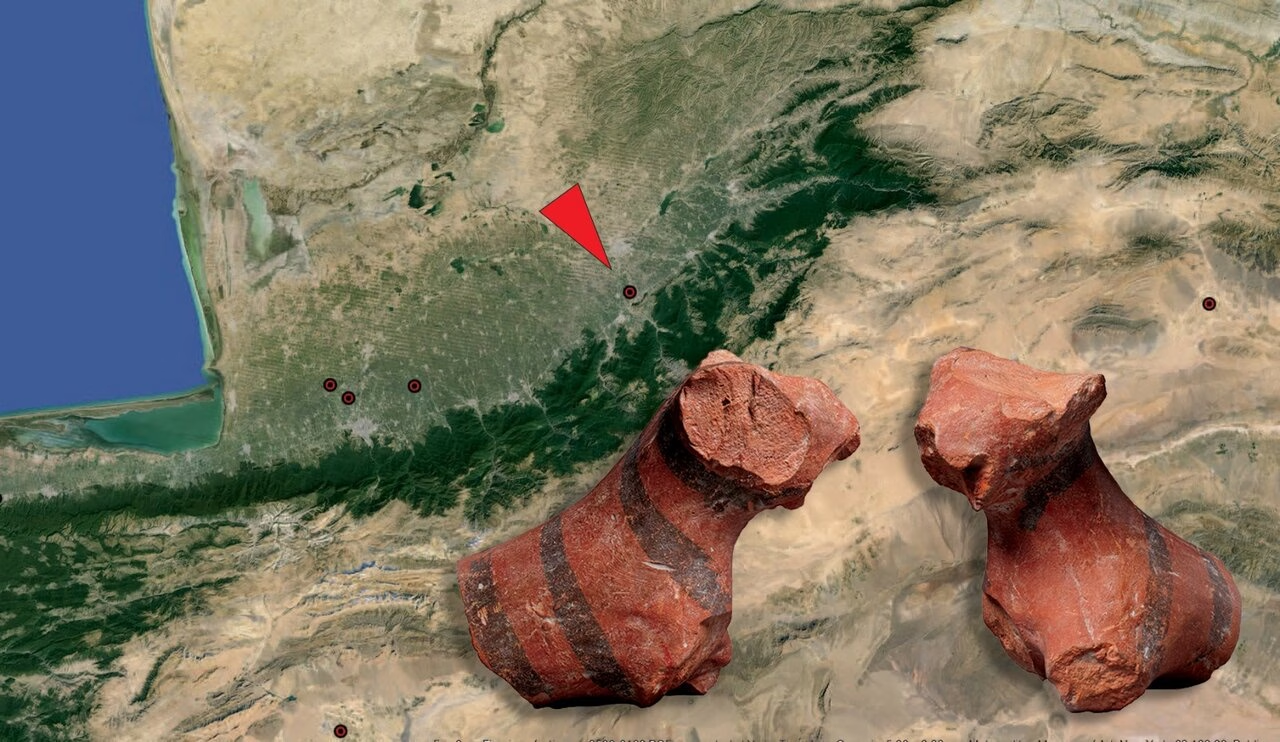
5,000-Year-Old Clay Figurine from Iran May Be the World’s Oldest Depiction of a Tiger
Archaeologists have redefined the origins of tiger imagery in Iranian art. A newly analyzed 5,000-year-old ceramic figurine from Yarim Tepe in northern Iran may represent the earliest known depiction of a tiger anywhere outside the Indian subcontinent — predating all previous examples by nearly three millennia. The small reddish-brown figurine, measuring just over eight centimeters,…
-
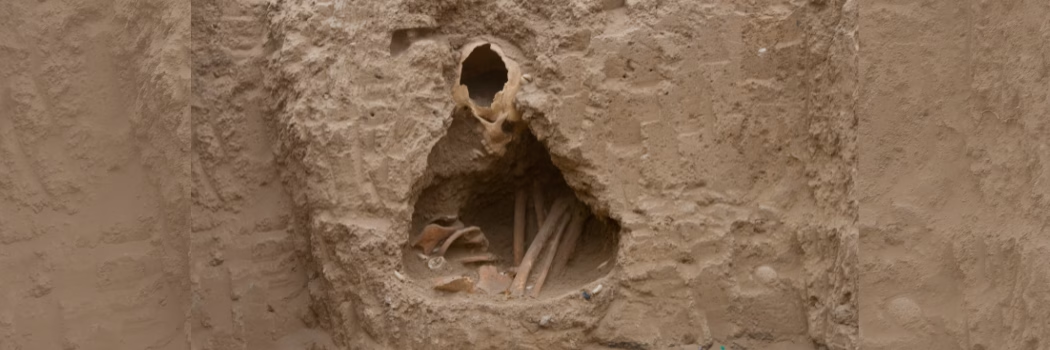
Ancient Teeth Reveal How the World’s First Farmers Built Inclusive Villages 10,000 Years Ago
A groundbreaking isotopic study of Neolithic teeth unearthed in Syria has revealed how the world’s first farming villagers formed stable, inclusive communities more than 10,000 years ago—showing that women often moved between settlements while men stayed rooted in their birthplace. Archaeologists analyzing the chemical composition of 71 human teeth from five Neolithic sites across modern-day…
-
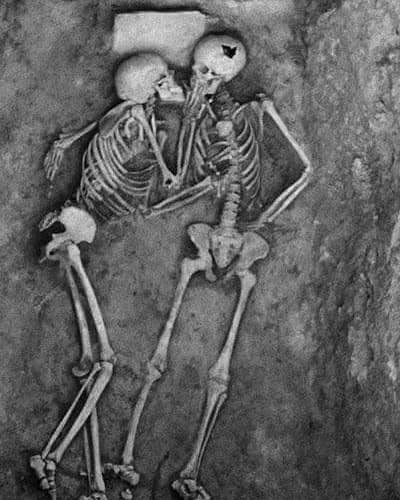
The 2,800-Year-Old Hasanlu Lovers: When Archaeology Corrected a Love Story
In northwestern Iran, archaeologists uncovered two intertwined skeletons frozen in what looked like a final embrace. For decades, they were known worldwide as the “Hasanlu Lovers.” Yet modern analyses reveal a twist: the pair were not lovers — but two men who died together in fire nearly 2,800 years ago. A Moment Sealed by Fire…
-
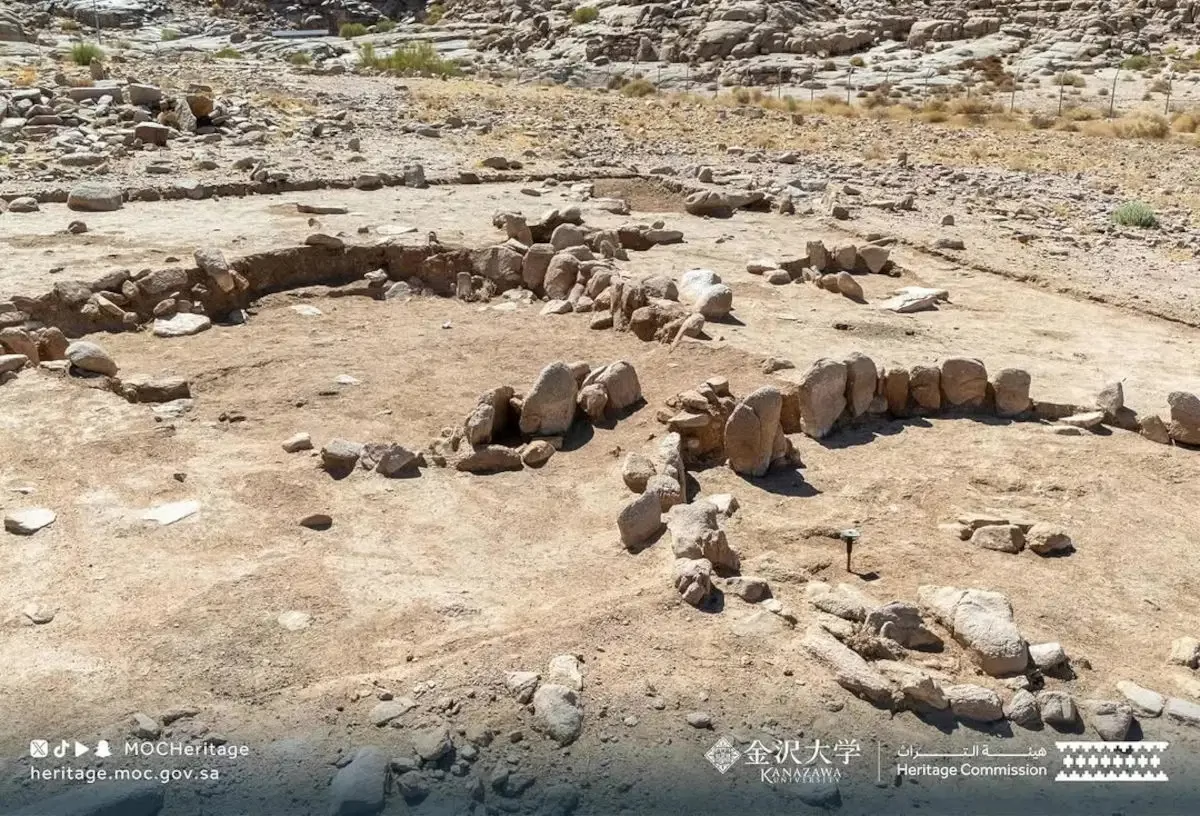
Saudi Arabia Unveils Arabia’s Oldest Settlement: 11,000-Year-Old Neolithic Village Found Near Tabuk
Saudi Arabia has announced the discovery of the Arabian Peninsula’s oldest known human settlement — an 11,000-year-old Neolithic village unearthed in Masyoun, near Tabuk. The groundbreaking find was disclosed by the Saudi Heritage Commission in partnership with scholars from Japan’s Kanazawa University and amplified through the Saudi Press Agency (SPA) and the Commission’s verified Instagram…
-
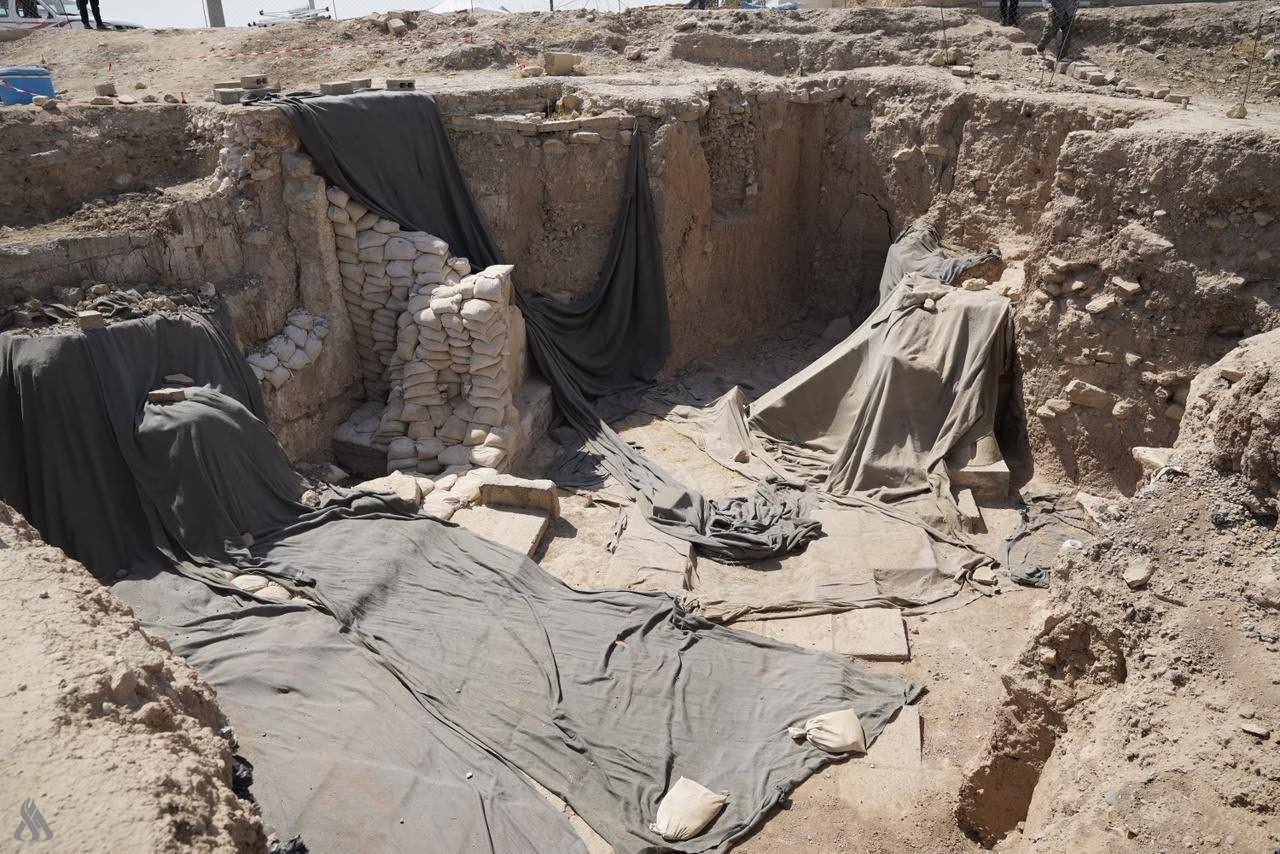
World’s Largest Assyrian Lamassu Unearthed in Mosul
Iraq’s cultural authorities have unveiled a monumental discovery in Mosul: a six-meter-tall Assyrian winged bull, or lamassu, the largest example of its kind ever recorded. The colossal sculpture was uncovered inside the throne hall of King Esarhaddon (681–669 BCE) at the Nabi Yunus site, part of ancient Nineveh, once the heart of the Neo-Assyrian Empire.…
-
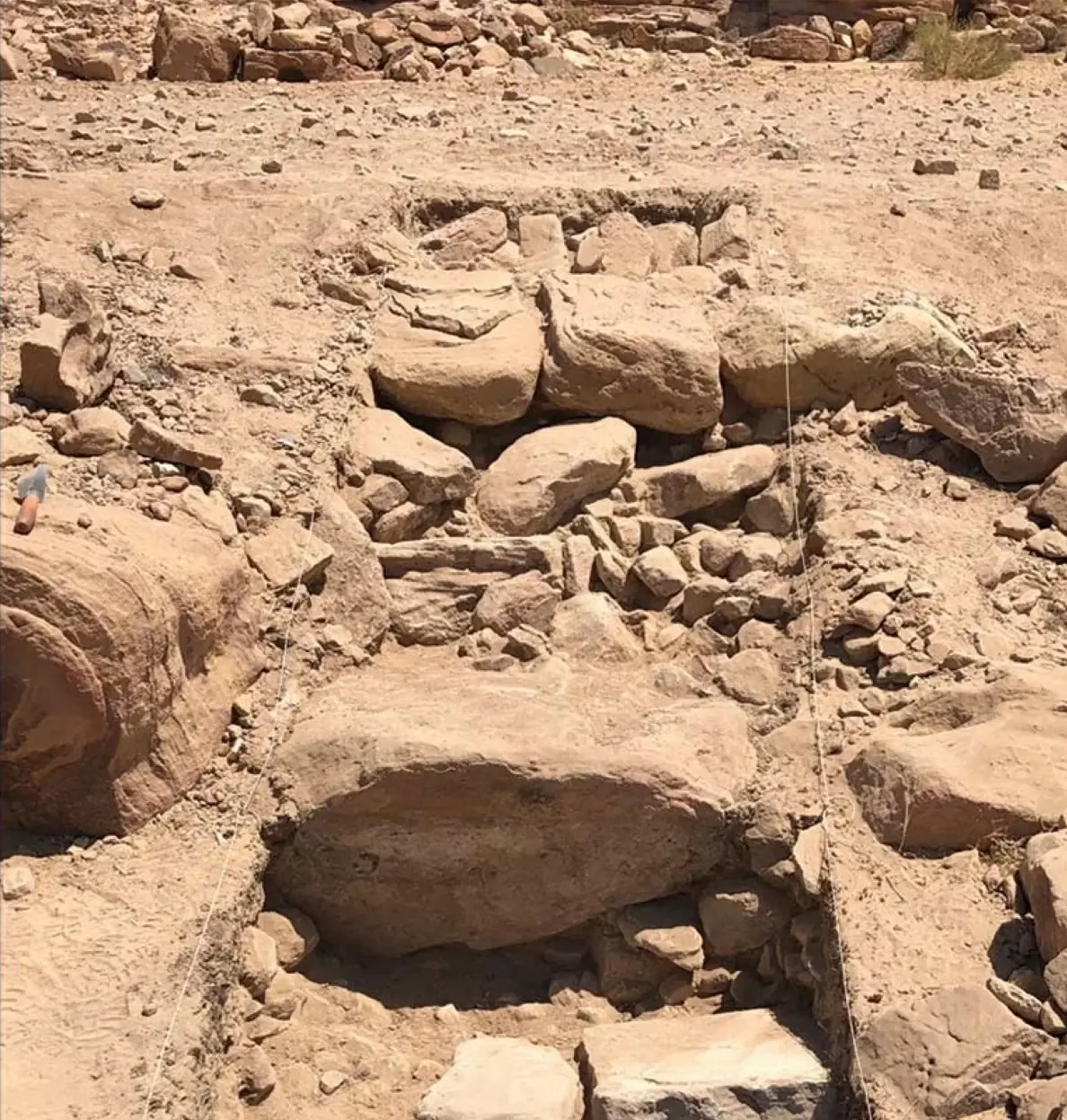
Petra’s “Back Door”? Excavations at Umm Huwaiwitat Reveal Layers of History From the 6th Millennium BC to the Roman Era
Archaeologists working above Wadi al Ghurab, on Petra’s western edge, are uncovering evidence of a complex settlement history stretching back more than 8,000 years. The site, known as Umm Huwaiwitat (“the place of walls” in local Bedouin dialect), may once have served as a secondary gateway to Petra—a hypothesis based on its rock-cut path, commanding…
-
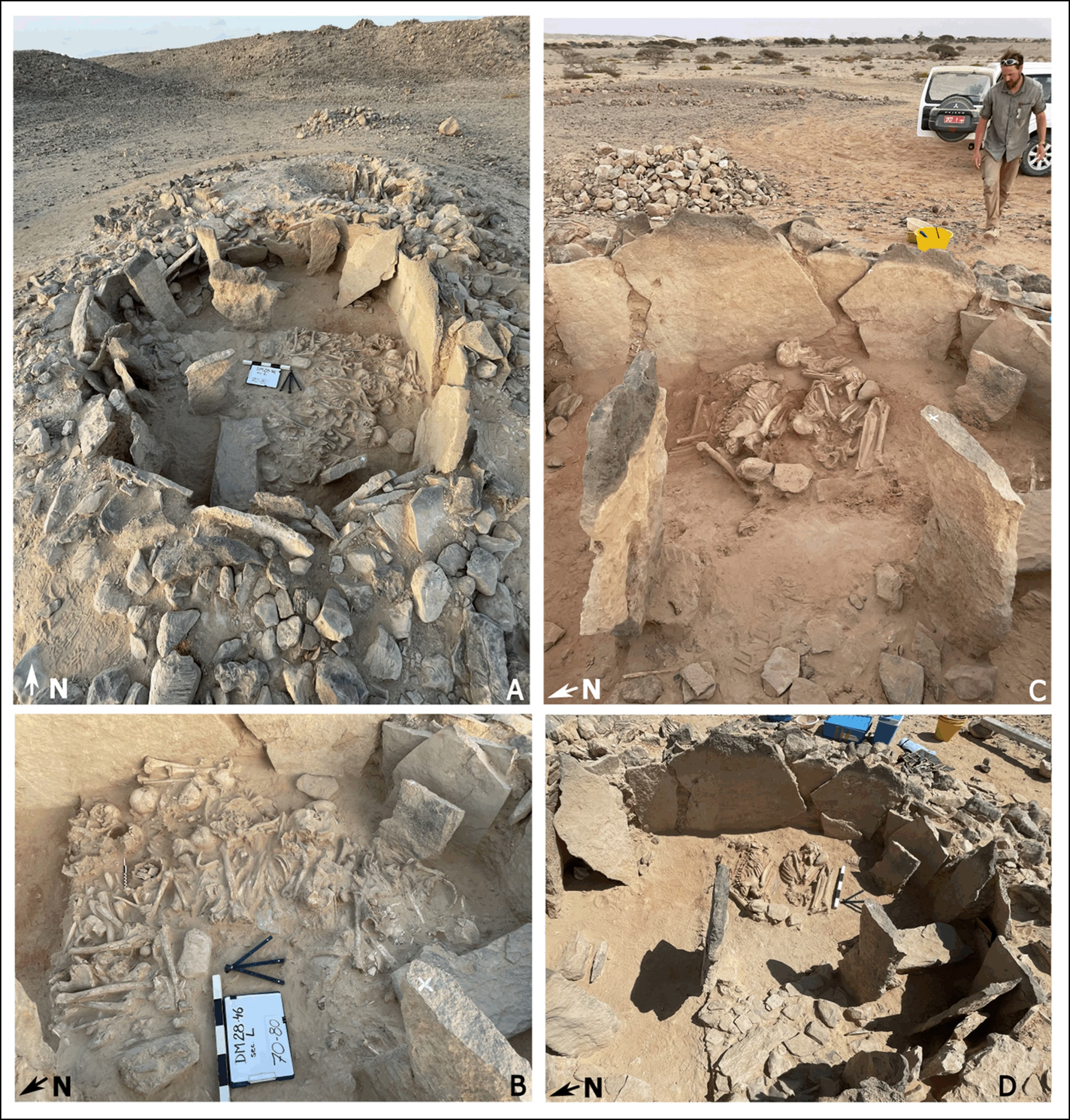
Unique Neolithic Collective Tomb Discovered in Oman’s Nafūn Valley: Holocene Wet Period Rituals Revealed
Archaeologists have uncovered a remarkable Neolithic tomb complex in Oman’s Nafūn Valley that combines monumental stone architecture with the collective burial of individuals from multiple Neolithic communities. Dating to the early 5th millennium BCE, the discovery provides unprecedented insight into Holocene Wet Period rituals, subsistence strategies, and social networks in South Arabia. Monumental Architecture The…
-
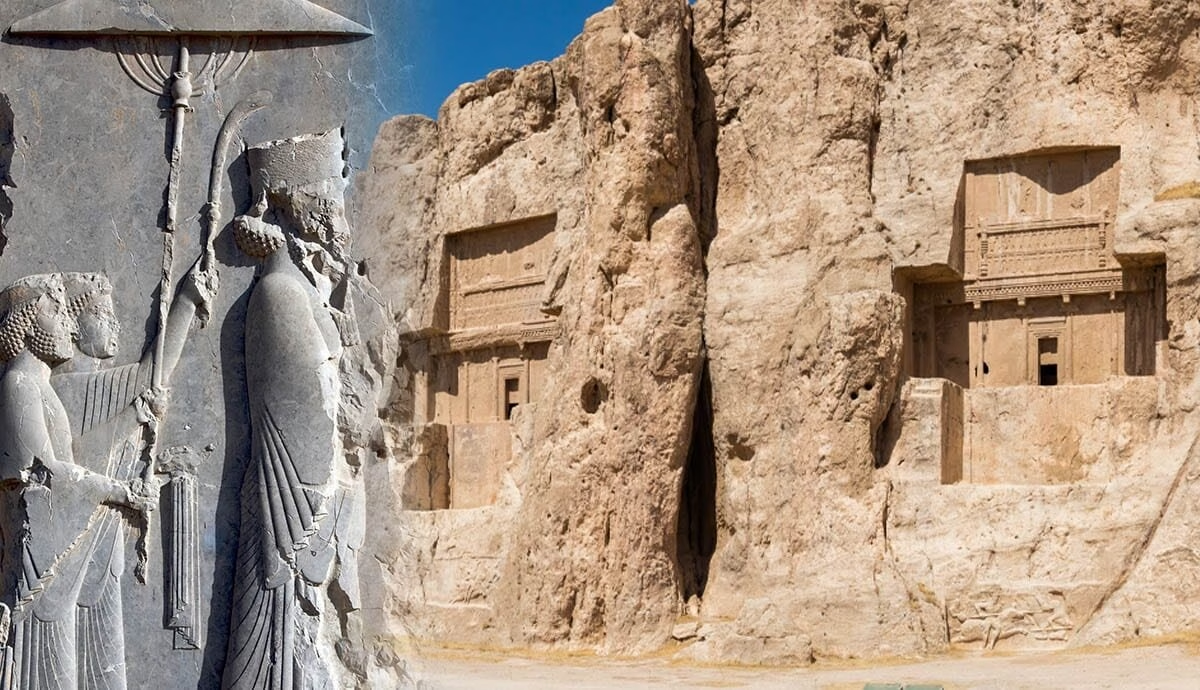
Iran Finalizes Comprehensive Conservation Plan for UNESCO World Heritage Persepolis
Amid growing concerns over the erosion of ancient stone reliefs, Iran is finalizing a long-term management and conservation plan for Persepolis, the UNESCO World Heritage site in Fars Province. Mohammad-Javad Jafari, director of the Persepolis World Heritage Base, said: “The erosion of stone reliefs is a major national concern. That is why the master plan,…