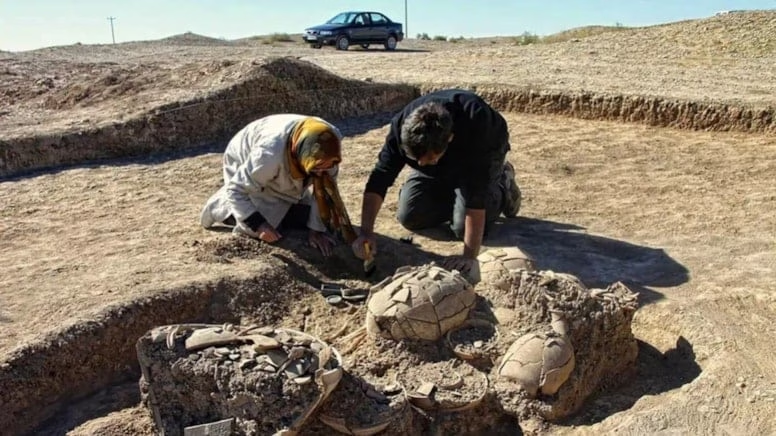
Archaeologists have made an extraordinary archaeological discovery in the rugged terrain of Northern Khorasan. Excavations in the Tepe Chalow region have uncovered the magnificent tomb of an 18-year-old woman estimated to be more than 3,000 years old. The tomb, which contained gold jewelry, bronze artifacts, and rare stone objects imported from distant lands, offers rare insights into the elite class of the Great Khorasan Civilization.
A cosmetic box marked by serpents and scorpions
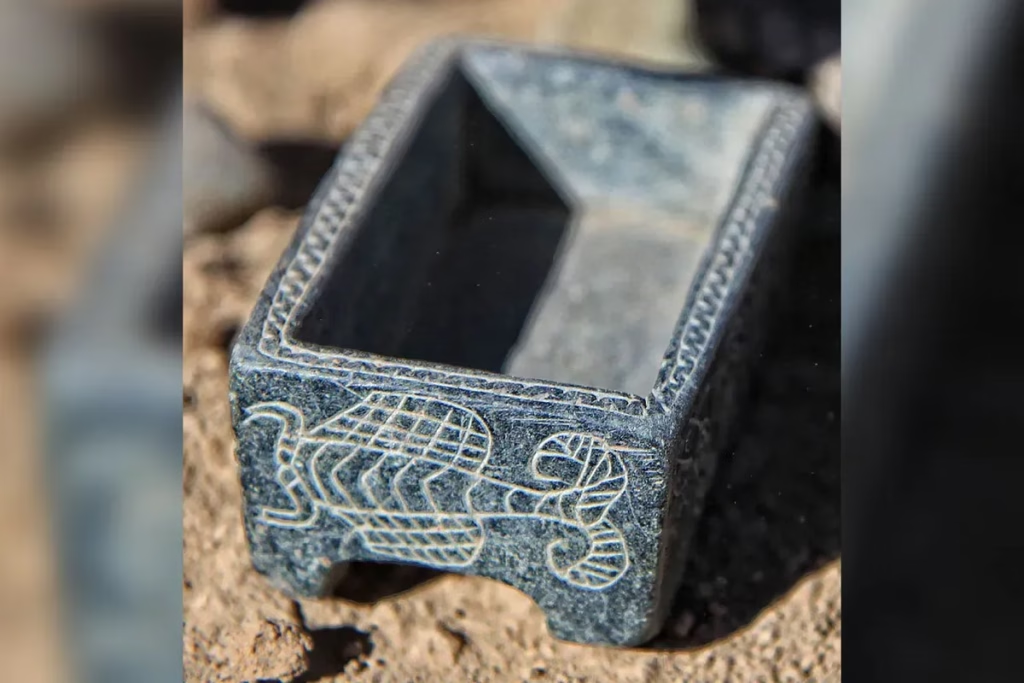
Among the most striking finds is a black stone cosmetic box carved from chlorite, its lid adorned with snake and scorpion motifs—symbols that may have served ritualistic or protective purposes. Inside, archaeologists found a fine black powder identified as “kohl,” an ancient eyeliner used across the ancient world.
The stone itself is thought to have been imported from the ancient region of Bactria—covering parts of present-day Afghanistan, Tajikistan, and Uzbekistan—hinting at the existence of long-distance trade networks in the region some three millennia ago.
Burial customs preserved in stone and soil
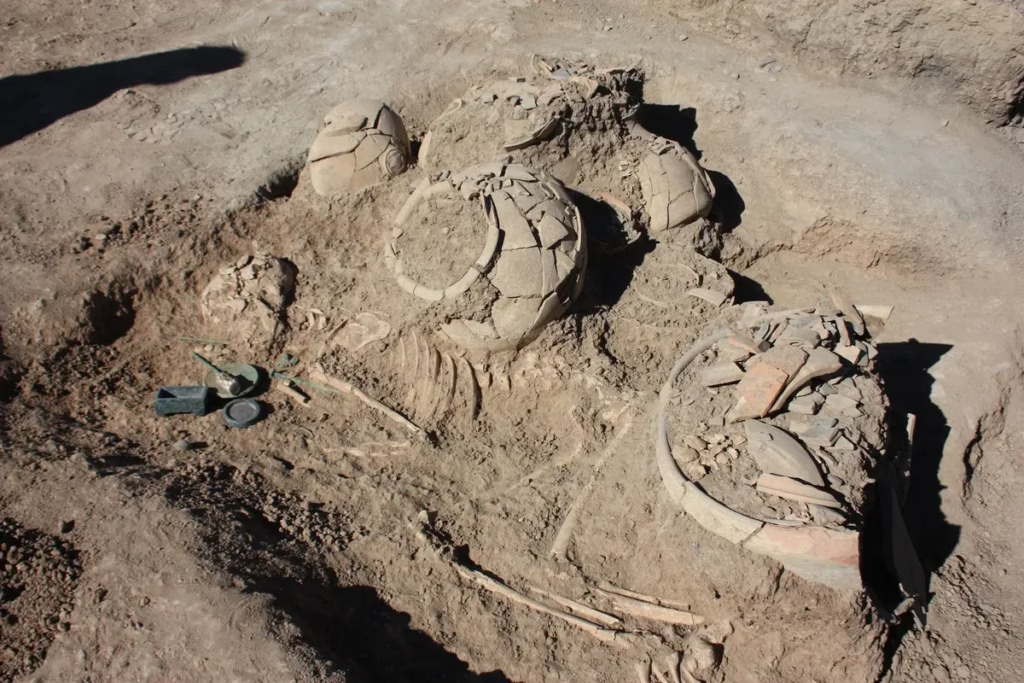
The young woman was interred lying on her right side, her face turned southeast—a burial position consistent with traditions thought to have been practiced in Tepe Chalow at the time.
Wealth as a birthright
Other items buried with her include two gold earrings, a gold ring, ivory and bronze pins (one shaped like a hand), a bronze mirror, ceramic vessels, and a bronze seal engraved with a human foot motif. According to lead researcher Ali Vahdati, such wealth could not have been amassed by the young woman during her lifetime. Instead, it is believed that her social position and riches were inherited by birth or marriage.
An exceptional case in the archaeological record
“The burial of an adolescent with such a wealth of grave goods is one of the most exceptional examples we have encountered in the region,” Vahdati notes. The find provides compelling evidence of a hierarchical society in the Greater Khorasan Civilization, where social status was passed down through family lines.