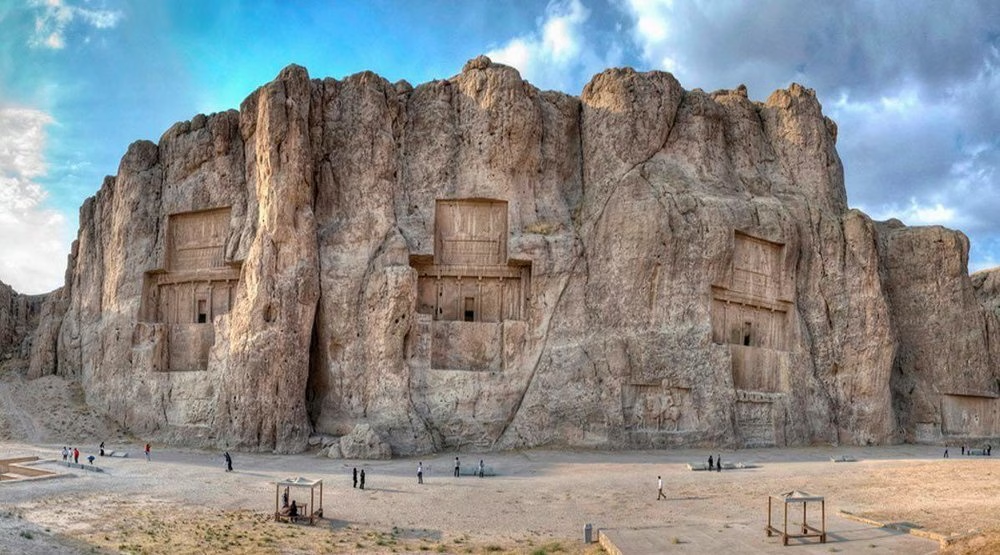
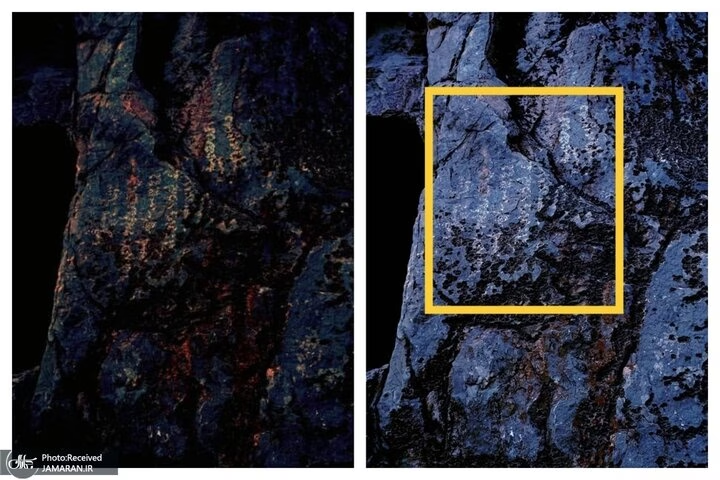
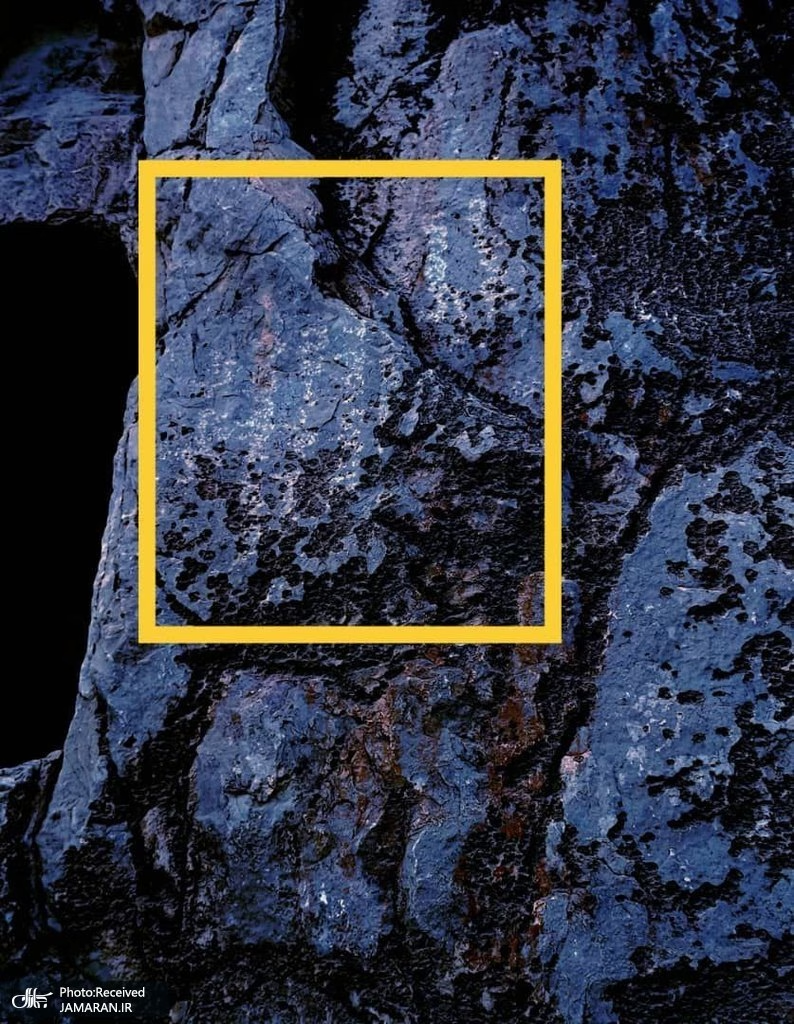
A newly uncovered funerary inscription, engraved horizontally in Pahlavi script on a rock face beside an ossuary, has been found at the renowned necropolis of Naqsh-e Rostam in Fars Province, Iran. Preliminary studies date the inscription to the late Sasanian era, offering fresh insights into Zoroastrian death rituals of the time.
Historian Abolhassan Atabaki told local media that although the inscription is heavily weathered, it contains seven lines referencing the deceased individual who commissioned the ossuary’s construction. The damage complicates full reading, but the text’s core purpose is clear: marking and honoring the dead.
Najmeh Ebrahimi, an expert on Sasanian history, explained that ossuaries were a common burial practice during the period. Corpses were first placed atop mountain peaks to be cleansed of flesh by scavenging birds and animals. The sun-bleached bones were then collected and placed within stone niches carved into cliffs, preserving sacred elements such as soil, which Zoroastrians revered.
Most known ossuary sites cluster around central Marvdasht—near the ancient city of Estakhr and the Naqsh-e Rostam area—including Hajjiabad and Garmabad, where over 100 niches have been recorded.
Naqsh-e Rostam itself is famous for rock-cut tombs of four Achaemenid kings, including Darius I, as well as Elamite, Achaemenid, and Sasanian reliefs. The site long served as a religious and cultural center, with inscriptions and structures like the Ka’ba-ye Zartosht reflecting its importance before and after Islam’s rise.
Archaeologists suggest that the discovery of this funerary inscription will deepen understanding of late Sasanian Zoroastrian beliefs concerning purification and the afterlife.
The name “Naqsh-e Rostam,” meaning “Picture of Rostam,” honors the legendary Iranian hero of Shahnameh and Persian mythology. Locals historically believed the tomb carvings depicted scenes from Rostam’s epic tales, a misconception that adds to the site’s cultural mystique.