-
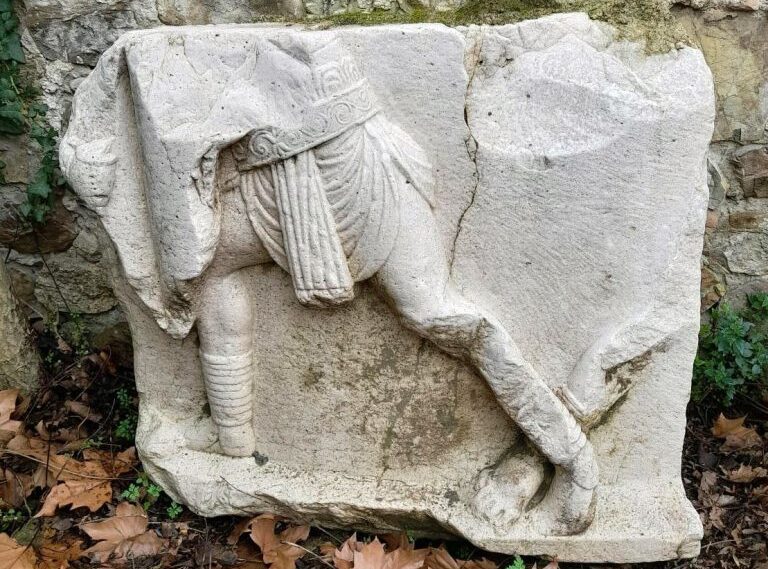
Roman Mausoleum with Gladiator Reliefs Discovered Along the Ancient Via Appia
A Roman mausoleum decorated with scenes of gladiatorial combat has been discovered along the ancient Via Appia near Apollosa in southern Italy, revealing a striking connection between funerary architecture and the spectacle culture of the early Roman Empire. The monumental tomb emerged unexpectedly after flooding from the nearby Serretelle stream exposed large limestone blocks in…
-
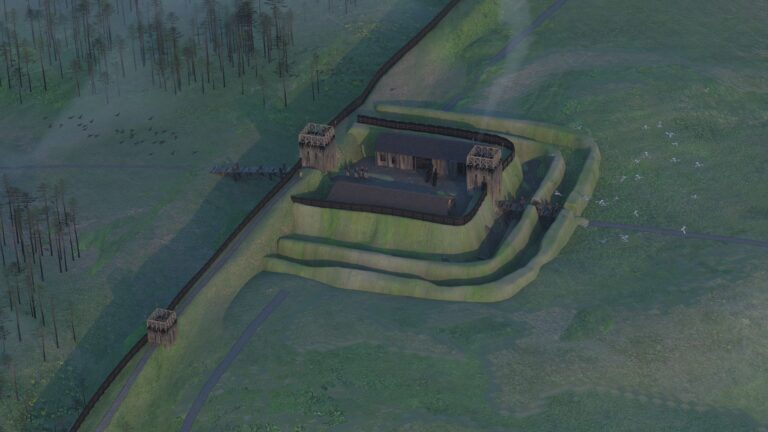
Unknown Roman Fortlet Discovered Beneath Gardens Along Scotland’s Antonine Wall
Archaeologists have uncovered the remains of a previously unknown Roman fortlet beneath the back gardens of residential homes in Bearsden, near Glasgow, shedding new light on the defensive system of the Antonine Wall, the northernmost frontier ever built by the Roman Empire in Britain. The discovery, revealed in newly published research by GUARD Archaeology, emerged…
-

10,500-Year-Old Cremation Burial in Germany Found with Aurochs Skull on Ritual Post
While investigating the prehistoric wetlands of Duvensee Moor in Schleswig-Holstein, archaeologists uncovered an aurochs skull mounted on a wooden post, positioned only a few meters from what is believed to be the oldest known cremation burial in northern Germany. Dating back roughly 10,500 years, the find suggests that Mesolithic hunter-gatherers practiced complex funerary rituals in…
-
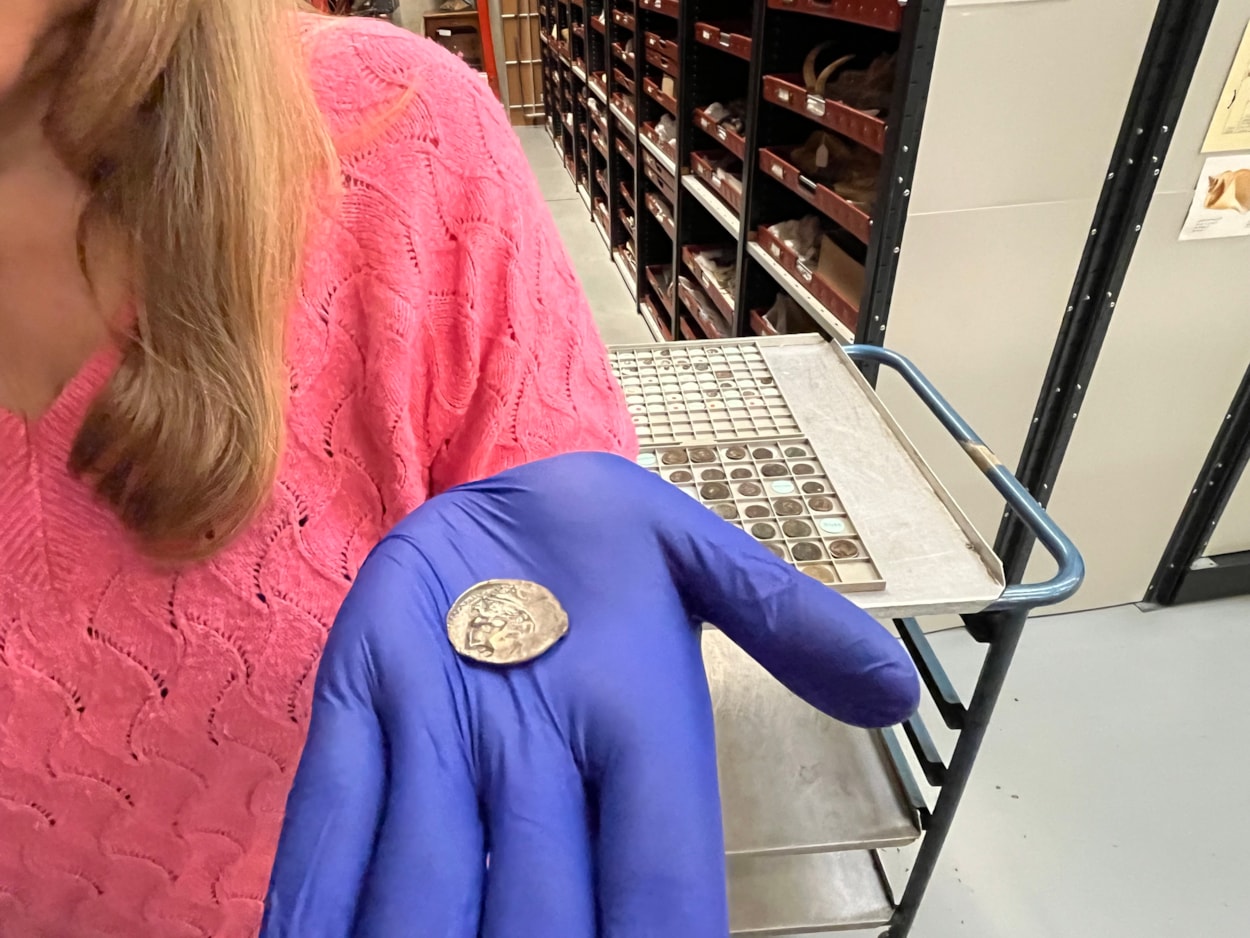
Bus Cashier’s Curiosity Preserved a 2,000-Year-Old Carthaginian Coin for 70 Years
A 2,000-year-old Carthaginian coin minted in the ancient Mediterranean has resurfaced in an unexpected place: Leeds. The small bronze artifact survived not through excavation or a collector’s cabinet, but thanks to the curiosity of a Leeds bus cashier in the 1950s who set aside unusual foreign coins while counting daily fares. The coin was discovered…
-
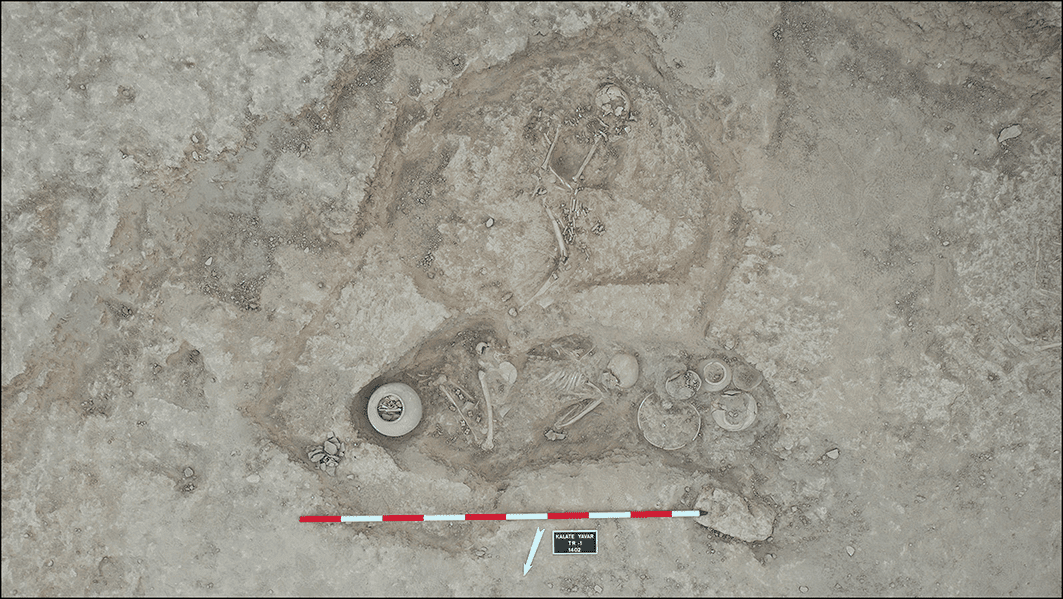
Archaeologists Discover Bronze Age Burials in Iran Revealing Links to the BMAC Civilization
Archaeologists have uncovered a remarkable Bronze Age site in northeastern Iran that is shedding new light on the BMAC civilization of Central Asia. The discovery, made after a local villager accidentally exposed ancient burials at Kalat-e Yavar, is revealing previously unknown cultural connections between the Iranian Plateau and the Bactria-Margiana Archaeological Complex. But the story…
-
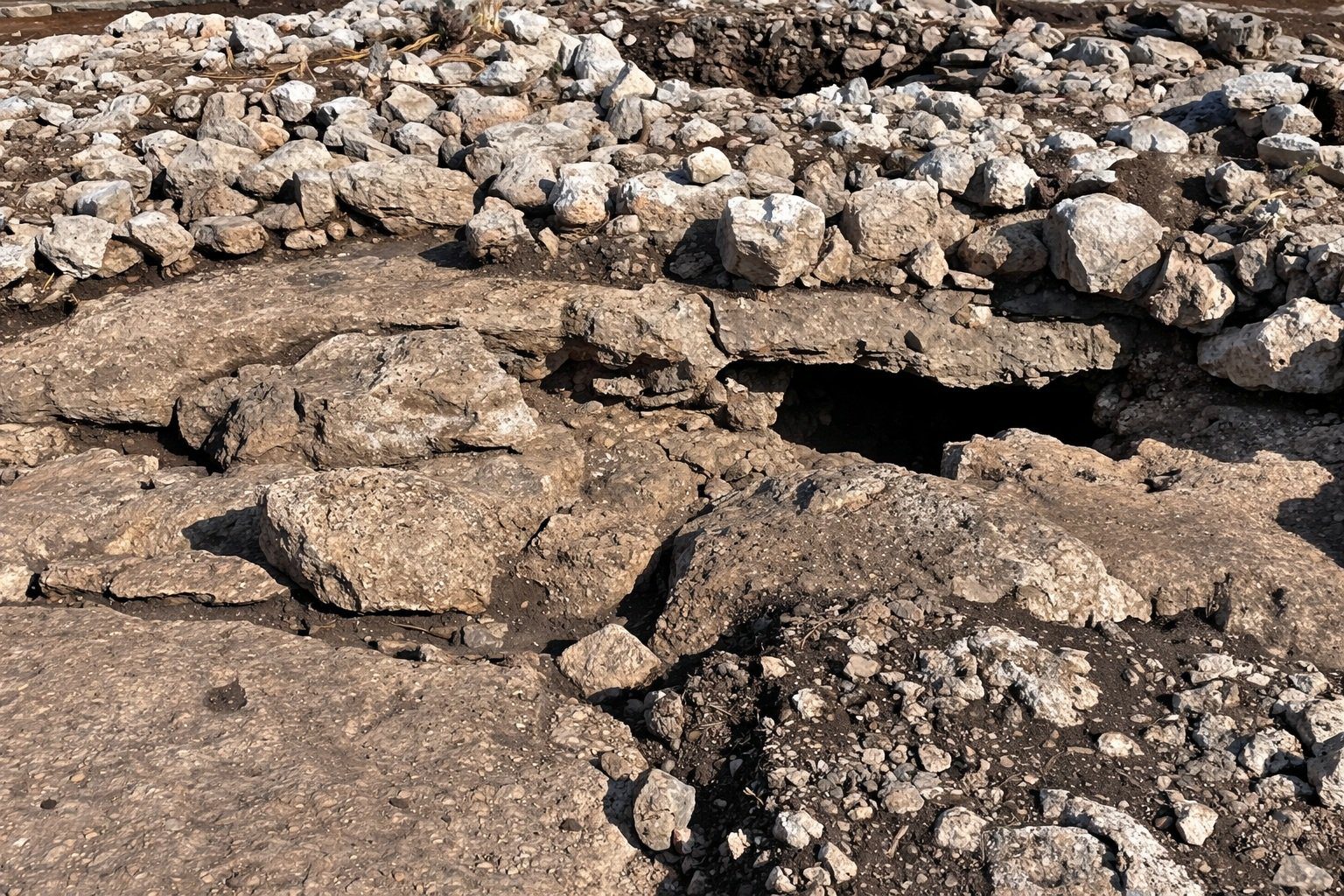
Early Maya Ritual Platform and Deer Offerings Discovered in Yaxché de Peón, Mexico
Archaeologists working in Mexico’s Yucatán Peninsula have uncovered a previously unknown ritual platform linked to early Maya ceremonial life, along with animal offerings and symbolic objects buried beneath the structure. The discovery was made in Yaxché de Peón, near Mérida, during archaeological investigations associated with infrastructure work connected to the Maya Train project. The structure…
-
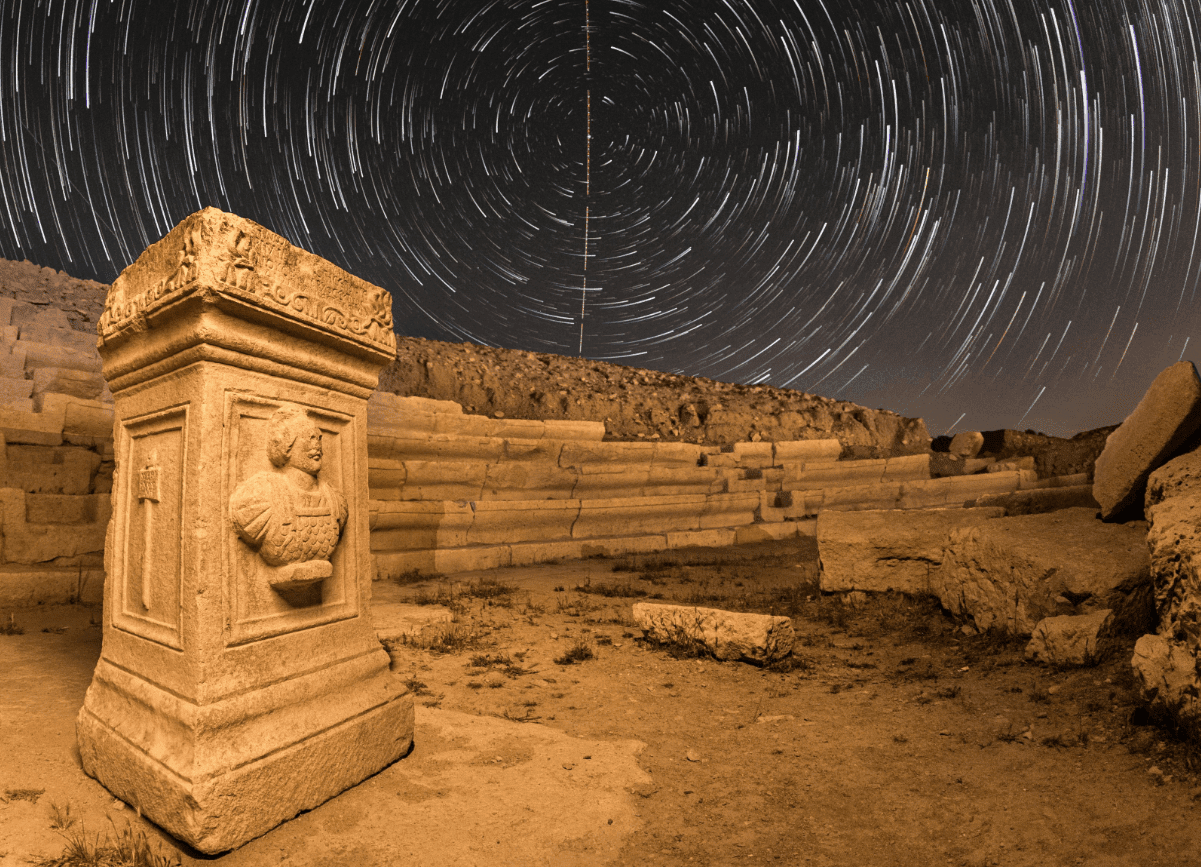
Savatra Ancient City Photo Wins “Photo of the Year” at 2026 Current Archaeology Awards
A striking night photograph of the ancient city of Savatra in central Anatolia has won the 2026 “Photo of the Year” award at the prestigious Current Archaeology Awards in London, drawing international attention to one of Turkey’s lesser-known archaeological sites. The award-winning image, captured by Turkish photographer Tahir Ceylan, presents the ruins of Savatra beneath…
-
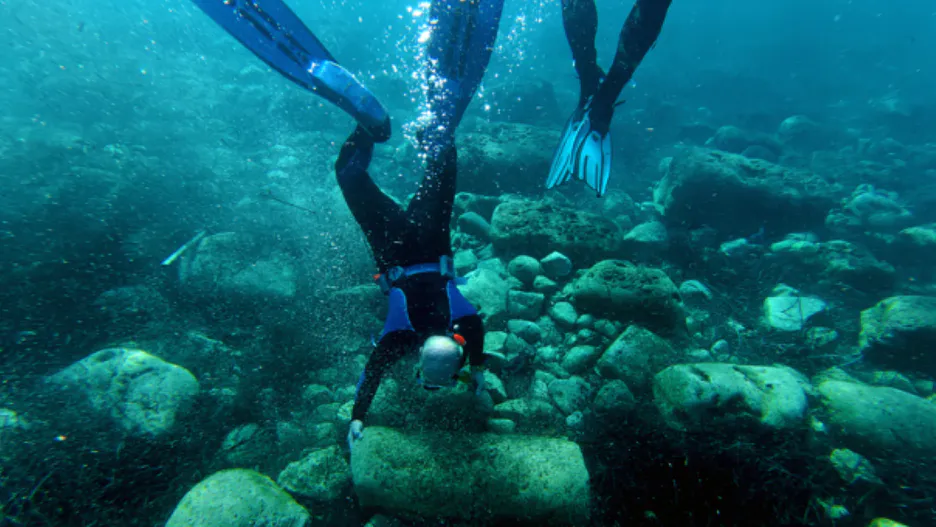
Ancient “Ship Graveyard” Discovered Off Coast of Ptolemais Reveals Hidden Mediterranean Trade Route
A remarkable underwater discovery off the coast of Libya is offering new clues about ancient Mediterranean trade and maritime disasters. Archaeologists working near the ancient city of Ptolemais have identified what researchers describe as an ancient “ship graveyard”—a stretch of seabed scattered with ship remains, anchors, amphorae, and cargo fragments extending more than 100 meters.…
-
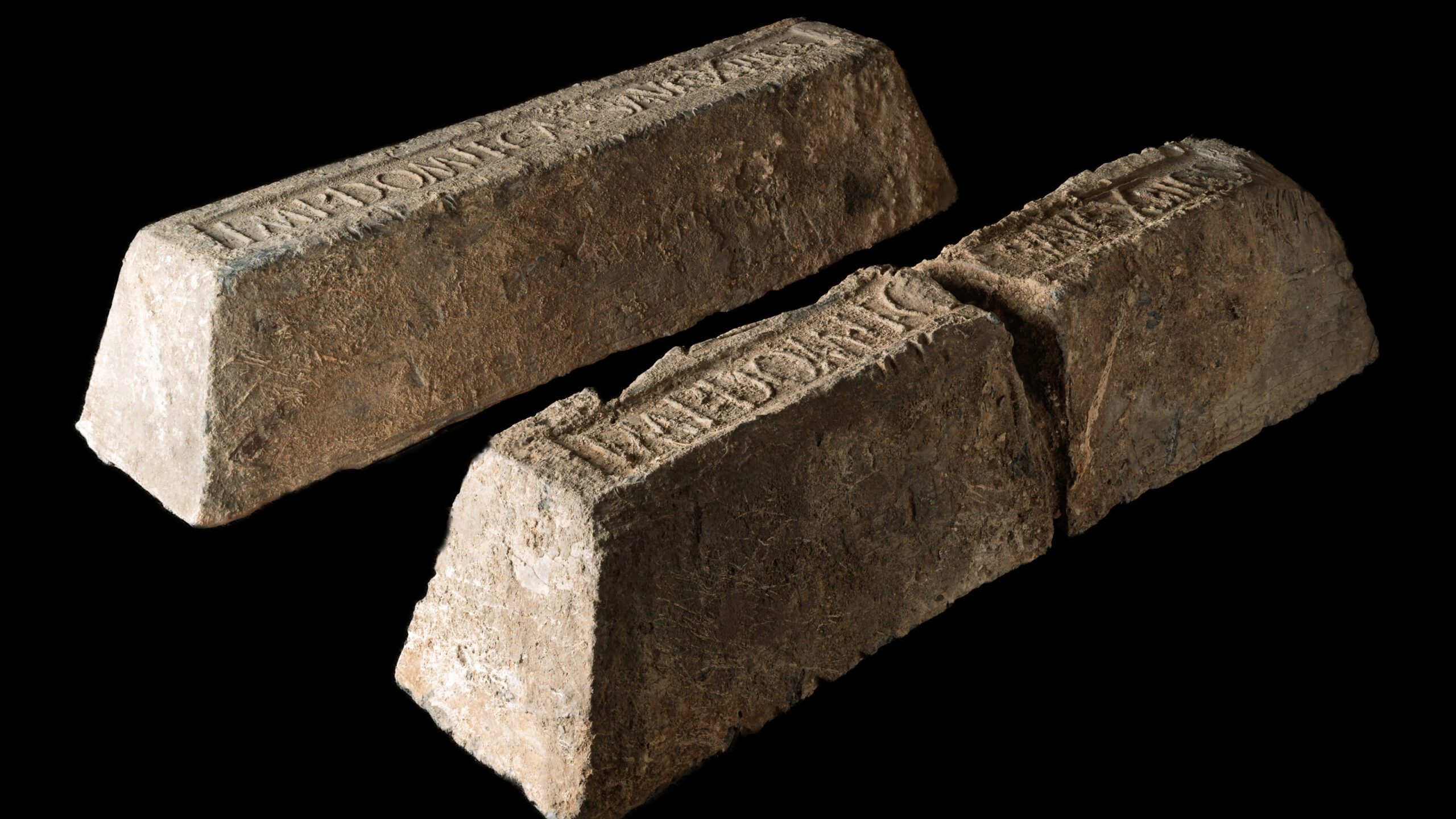
Roman-Era Lead Ingots Bearing Emperor Domitian Inscription Declared Treasure in Wales
Two rare Roman lead ingots unearthed in western Wales have been formally recognized as treasure, marking the first discovery of their kind in the region and shedding new light on the imperial administration of Britain’s mineral wealth. The artifacts were found by metal detectorists Nick Yallope and Peter Nicolas in pastureland near Llangynfelyn in Ceredigion…