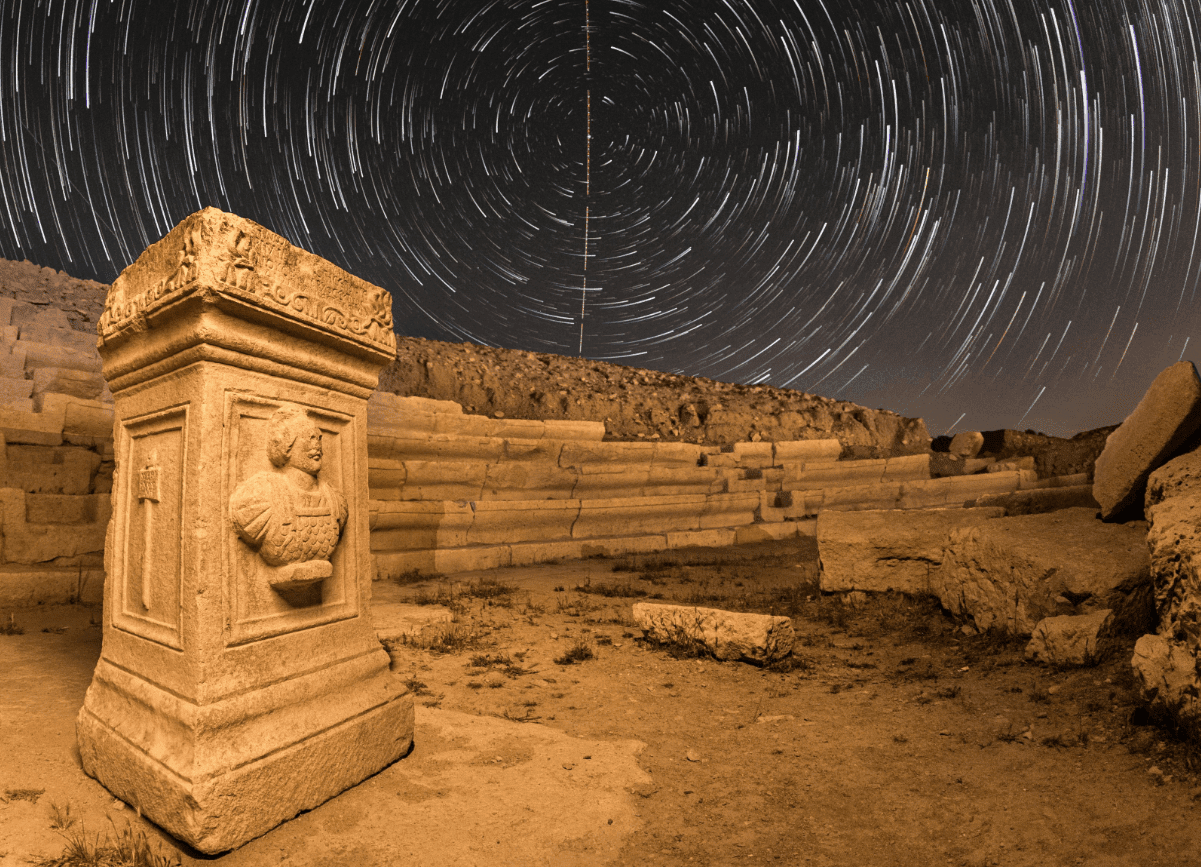
A striking night photograph of the ancient city of Savatra in central Anatolia has won the 2026 “Photo of the Year” award at the prestigious Current Archaeology Awards in London, drawing international attention to one of Turkey’s lesser-known archaeological sites.
The award-winning image, captured by Turkish photographer Tahir Ceylan, presents the ruins of Savatra beneath a dramatic night sky illuminated through long-exposure photography. Using the star-exposure technique, Ceylan transformed the quiet remains of the ancient city into a visually powerful composition where history and the cosmos appear intertwined.
The recognition was announced during the annual Current Archaeology Awards ceremony, organized by Current World Archaeology magazine, which celebrates major archaeological achievements and discoveries around the globe.
A Night Photograph That Captured Global Attention
The winning photograph stands out for its unusual perspective. Rather than focusing on excavation trenches or artifacts, the image highlights the atmospheric presence of the ancient landscape itself.
Under a sky filled with swirling star trails created by long-exposure photography, the ruins of Savatra emerge as silent witnesses to centuries of history. The result is a composition that blends archaeology, landscape, and astronomical movement, giving viewers a sense of both deep time and human heritage.
In a statement shared by the Turkish Ministry of Culture and Tourism, officials praised the achievement, noting that the photograph successfully showcases the unique value of Turkey’s archaeological heritage to an international audience.
The ministry expressed pride in the recognition and congratulated Tahir Ceylan for immortalizing the site through his artistic approach while also acknowledging the efforts of the archaeological teams working at Savatra.
Savatra: A Little-Known City of Ancient Anatolia
Although not widely known outside specialist circles, Savatra Ancient City holds an important place in the historical geography of
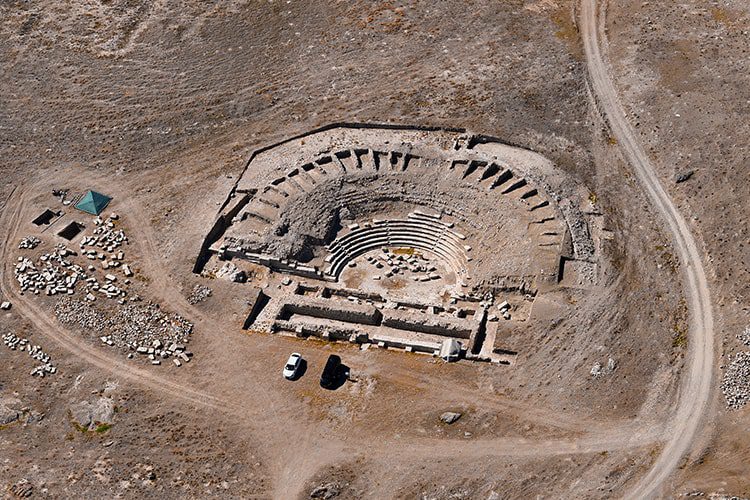
Located in the Karatay district of Konya, the settlement was once an important stop along ancient routes crossing the Anatolian plateau. Archaeological and historical evidence suggests that Savatra was inhabited during the Hellenistic, Roman, and Byzantine periods, when it functioned as a regional settlement connected to wider trade and communication networks.
The site preserves remains of city walls, architectural fragments, and scattered structural remains, reflecting its long occupation history. Today, archaeological research continues in the area, aiming to better understand the city’s development and its role within the broader landscape of ancient Lycaonia.
While major Anatolian centers such as Ephesus or Pergamon dominate international attention, sites like Savatra demonstrate how many layers of history still remain to be explored across the region.