
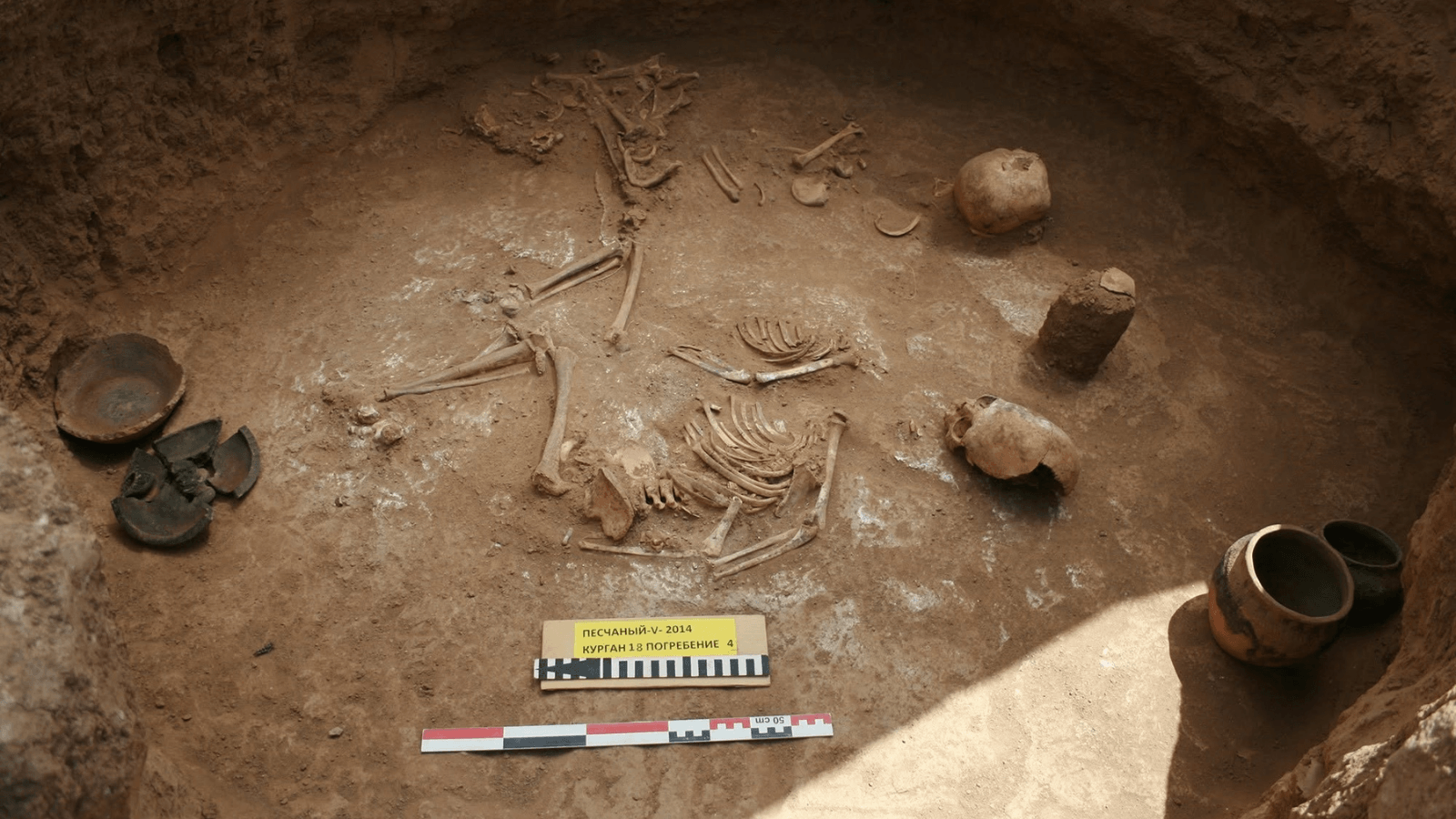
An international team of archaeologists has determined new radiocarbon ages for the Migration Period in southern Russia, positioning archaeological data from the Lower Don steppes between approximately AD 425 and 545. These results assist in illuminating a poorly understood chapter of Eastern European history when population movements and shifting cultural boundaries transformed much of the continent.
The research published in the journal Radiocarbon also revised the chronology of ten ancient cultural periods in the region. By examining 95 archaeological samples, scientists traced changes in the Don steppes from the earliest pastoral communities of the fifth millennium BC to the medieval Golden Horde.
New Evidence from the Migration Period Has Been Discovered
The Migration Period, which occurred during a time that was generally associated with the fourth to sixth centuries AD, saw significant movements of various peoples throughout Europe. The Huns, Goths and other groups played prominent roles in the political upheavals that accompanied the decline of the Western Roman Empire.
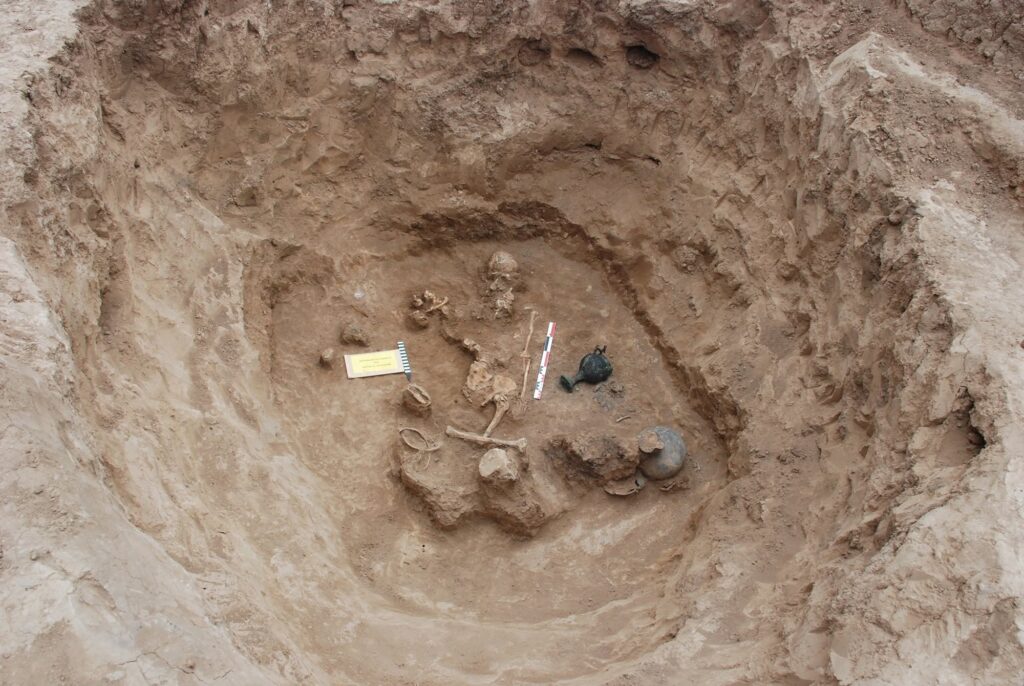
The grasslands north of the Black Sea formed part of this changing world, yet establishing when different communities occupied particular areas has long presented difficulties. Much of the archaeological timeline relies on burial practices, pottery, weaponry, and other artifacts whose designs evolved throughout history.
The new study provides more reliable dates for archaeological material associated with the Migration Period in the Lower Don region within today’s Rostov Oblast. Researchers established a chronological range of approximately AD 425-545, offering a clearer framework for examining the area during this turbulent era.
These dates apply to the archaeological record of the Don steppes rather than defining the beginning or end of the Migration Period across Europe.
95 Examples Illustrate a Changing Situation
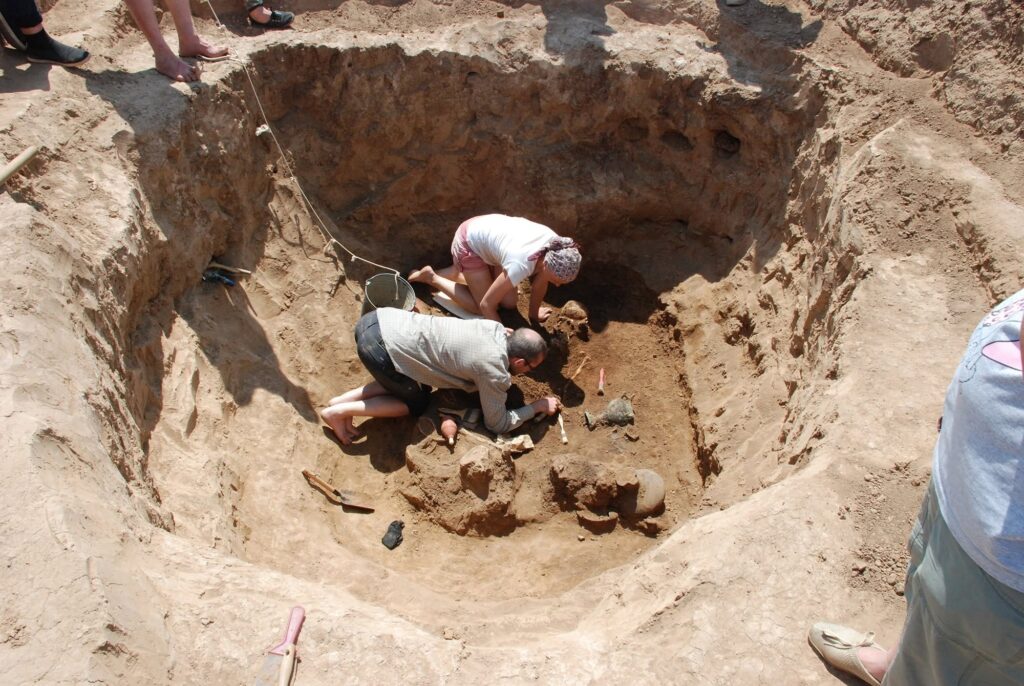
Natalia Shishlina led a team from the Peter the Great Museum of Anthropology and Ethnography in St. The research team studied material from 11 burial mound cemeteries and ten archaeological campsites in the Sal steppes and the northern Kuma-Manych Depression in Petersburg.
The samples contained human and animal bones, along with wood, birch bark, and textiles. Researchers refined their chronology by using accelerator mass spectrometry radiocarbon dating and Bayesian statistical modeling to compare results with burial practices and archaeological objects.
The results show that shifts in culture did not necessarily mean one group instantly took over from another.
During the third millennium BC, people associated with the Yamnaya culture buried their dead in pits beneath large earthen mounds known as kurgans. Several centuries later, groups practicing catacomb-style burials appeared in the same region, creating graves with distinctive underground chambers.
The new dates indicate that burial traditions overlapped for a time. Communities practicing different customs therefore occupied the same landscape before the Yamnaya tradition eventually disappeared from the regional archaeological record.
The Sarmatians lived in the Don Steppes for about 800 years
The study generated a significant correction regarding the history of the Sarmatians, groups that succeeded the Scythians in occupying portions of the Eurasian steppes.
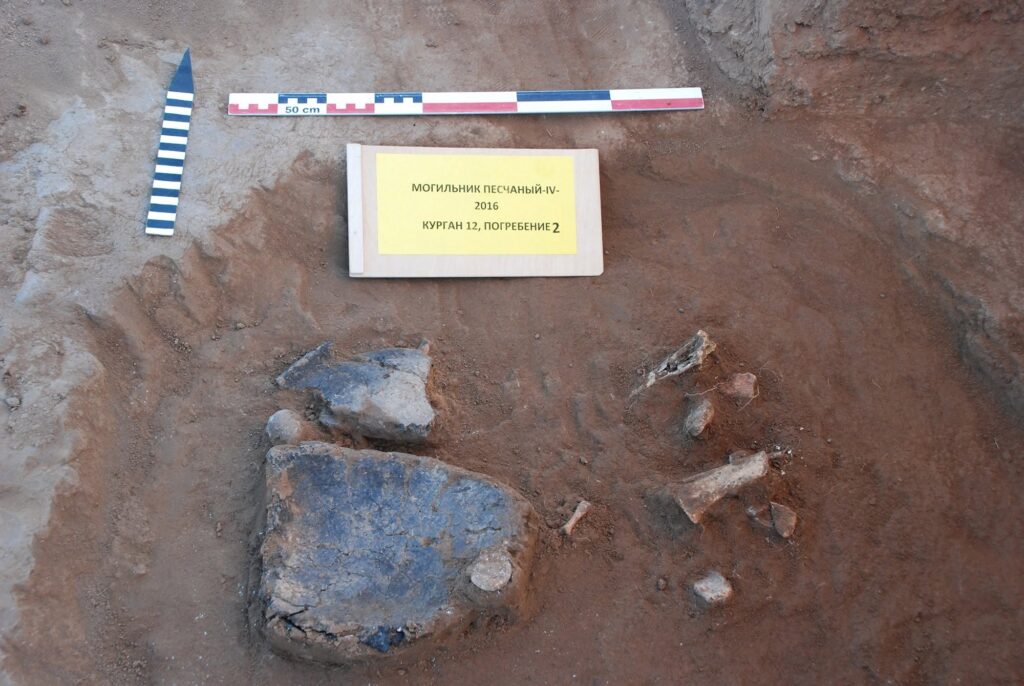
Radiocarbon dates indicate that human and animal bones, along with wooden remains from Sarmatian activity in the studied area, extend back approximately 300 BC to AD 490. Earlier estimates might have suggested a shorter span than this nearly eight hundred-year period, which is considerably longer.
Another discovery relates to the second millennium BC, during which archaeological evidence indicates a significant break in a settlement throughout the Sal steppes. The Sarmatians appeared in the region later than Scythian groups that were apparent during the middle of the first millennium BC.
Researchers set AD 1252-1346 as dates for archaeological artifacts linked to the Golden Horde, which arose from the Mongol Empire.
The findings offer a more detailed timeline of communities that occupied this part of Eastern Europe over several millennia. They also show that cultural transitions could involve periods of coexistence rather than sudden replacement, adding new evidence to the history of the Eurasian steppes.
Cover Image: A catacomb burial from the mid-3rd millennium B.C. Source: Natalya Shishlina / Peter the Great Museum of Anthropology and Ethnography