
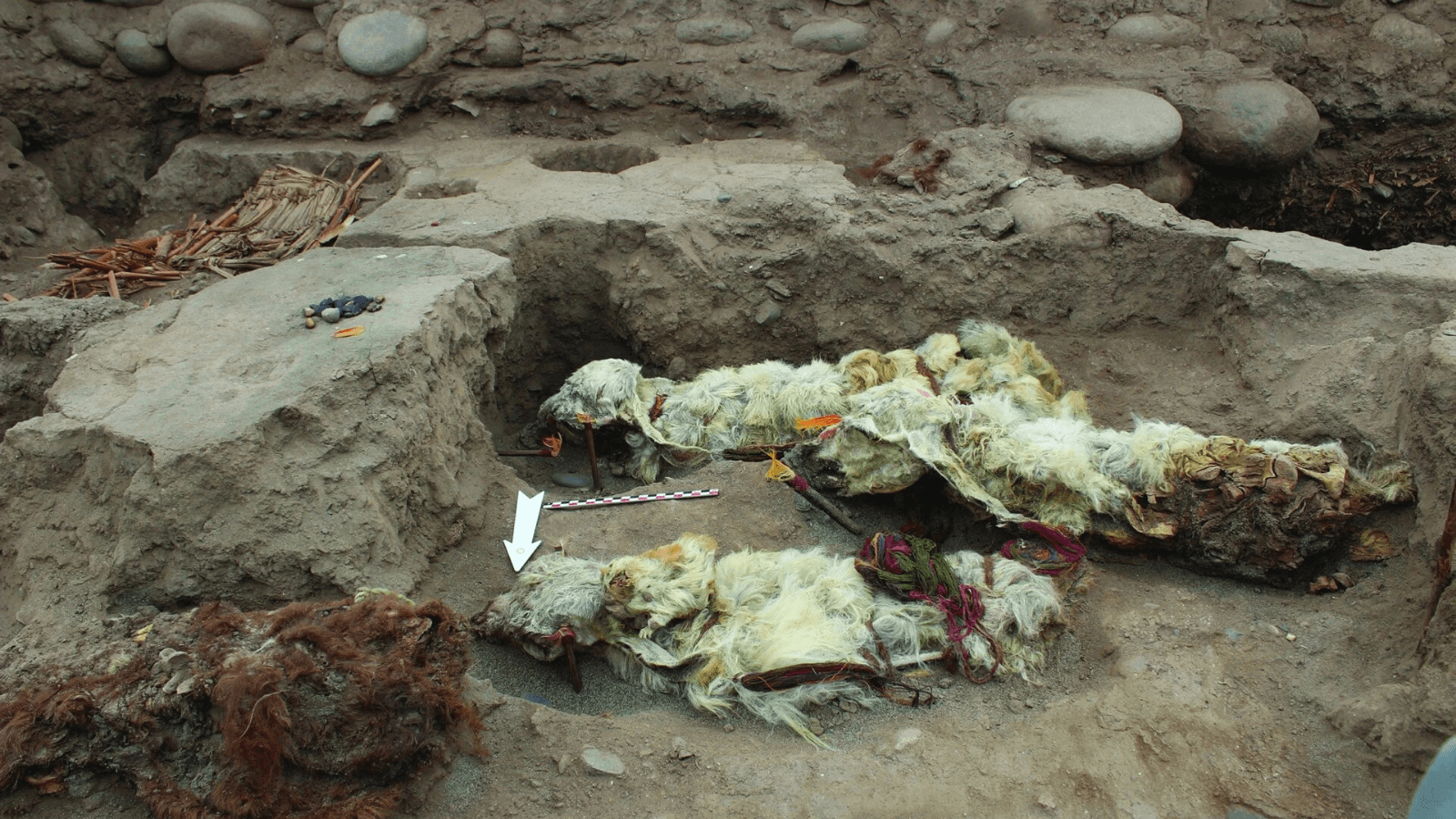
Archaeologists excavating an ancient Inka settlement in southern Peru have found coca leaves still caught in the wool of llamas sacrificed more than 500 years ago. This unusual discovery provides direct evidence of how the Inka used the sacred plant during religious ceremonies.
The discovery originated at Tambo Viejo, which served as an Inka provincial center located in Peru’s Acarí Valley. A study on the subject was published in the journal Ñawpa Pacha by Lidio M. Valdez is a person named Katrina J. Bettcher is a relative of M. Soledad Gutiérrez looks at the leaves that are linked to an elaborate sacrifice of animals.
Nine young llamas were prepared for a ritual
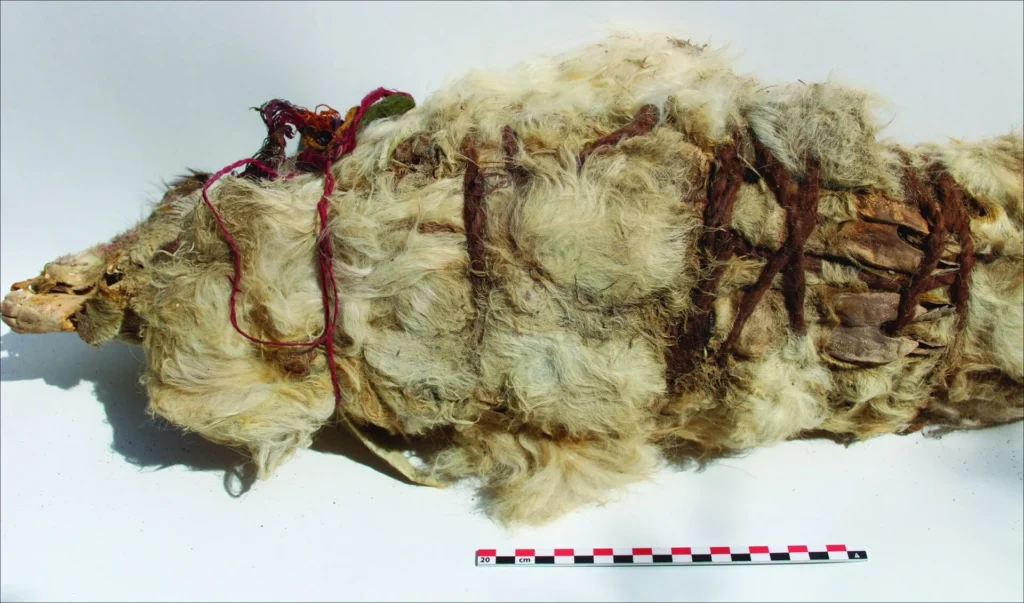
In 2024, archaeologists uncovered nine young llamas during excavations at Tambo Viejo, where their remains lay beneath the floor of a structure. The animals were found with their legs folded under their bodies and tied together with ropes to hold them in poses similar to those of resting.
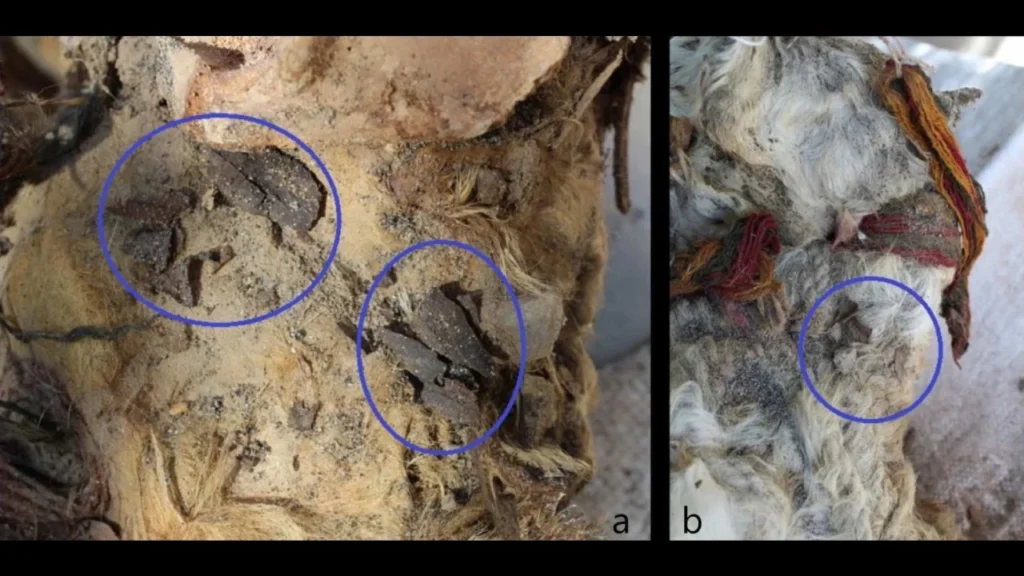
The individuals responsible for preparing the offerings adorned the llamas with colored fringes and applied red spots and streaks to their skins. Researchers found coca leaves trapped in the wool on three animals, which were preserved by the exceptionally dry conditions of Peru’s southern coast.
The burial contained further evidence of a carefully organized ceremony. Participants covered the animals with clean river sand and set four guinea pigs among the offerings before adding yet another layer of material. Traces of fire suggest that burning also formed part of the proceedings prior to when the deposit was sealed beneath a clay floor.
Radiocarbon dating places the offerings between AD 1450 and 1500, when the Inka Empire was expanding its authority along the Pacific coast.
Coca Leaves and Their Sacred Meaning
Coca had been important to Andean communities for centuries before the Spanish conquest. Beyond its stimulating effects, the plant held religious significance, and its leaves served as valuable offerings to sacred places, deities, and powerful spirits.
Spanish chroniclers described how coca leaves were burned and presented as offerings during Inka ceremonies. Archaeological evidence showing precisely how the plant was handled during individual rituals, however, remains relatively uncommon.
The leaves at Tambo Viejo suggest another practice. Rather than simply burning coca, participants may have scattered or placed leaves directly onto the sacrificed animals. Their survival in the llamas’ wool provides physical evidence of an activity that written accounts do not fully describe.
Earlier excavations at the settlement had also uncovered coca leaves and seeds inside a small storage structure. The fresh discoveries create a far more distinct link regarding the plant and animal sacrifices found at Tambo Viejo.
A Ceremony in a Newly Conquered Territory
Tambo Viejo formed part of the network of settlements through which the Inka administered territories incorporated into their empire. Religious rituals marked this expansion to connect locally with holy sites and spirits.
Researchers suggest that llama sacrifices might have been connected with preparing or consecrating the ground when the settlement was established. The elaborate decorations, accompanying offerings, and careful treatment of the animals point to a ceremony with considerable religious importance, although its precise purpose remains uncertain.
For archaeologists, coca leaves are especially informative because their placement on the animals allows them to recreate a particular point during the ritual. Five centuries later, the remains preserve details of Inka religious practice that Spanish colonial accounts recorded only in part.
Cover Image: Sacrificial llamas buried with coca leaves. Photo: L. M. Valdez