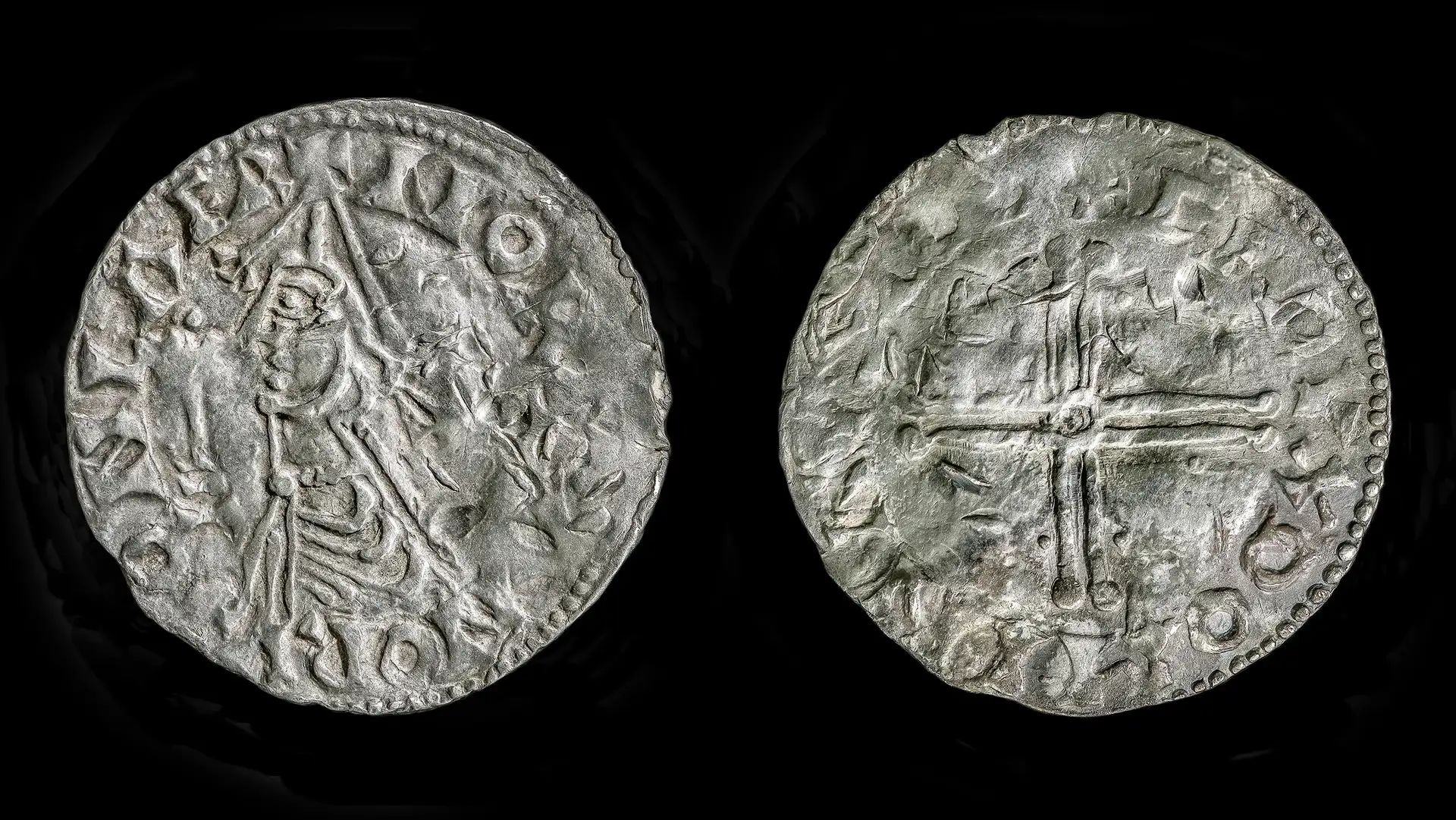
The coin was minted during the reign of Olaf Haraldsson, better known as Saint Olaf.
This remarkable discovery was made during a cataloging project led by archaeologist Anne Skogsfjord.
Anne Skogsfjord explained that, at first glance, the coin resembled an Anglo-Saxon coin and was initially classified as part of the group of coins minted by Æthelred II; however, the inscription on it revealed its true origin
“I could see that it read ONLAF R+ NORMANORV… Could the coin I was holding really belong to Olaf Haraldsson? And it did! It was a very special moment. I realized we had discovered a national treasure,” she said.
In its announcement of the discovery—which it described as a first in Norway since 1924—the Museum of Cultural History provided the following information.
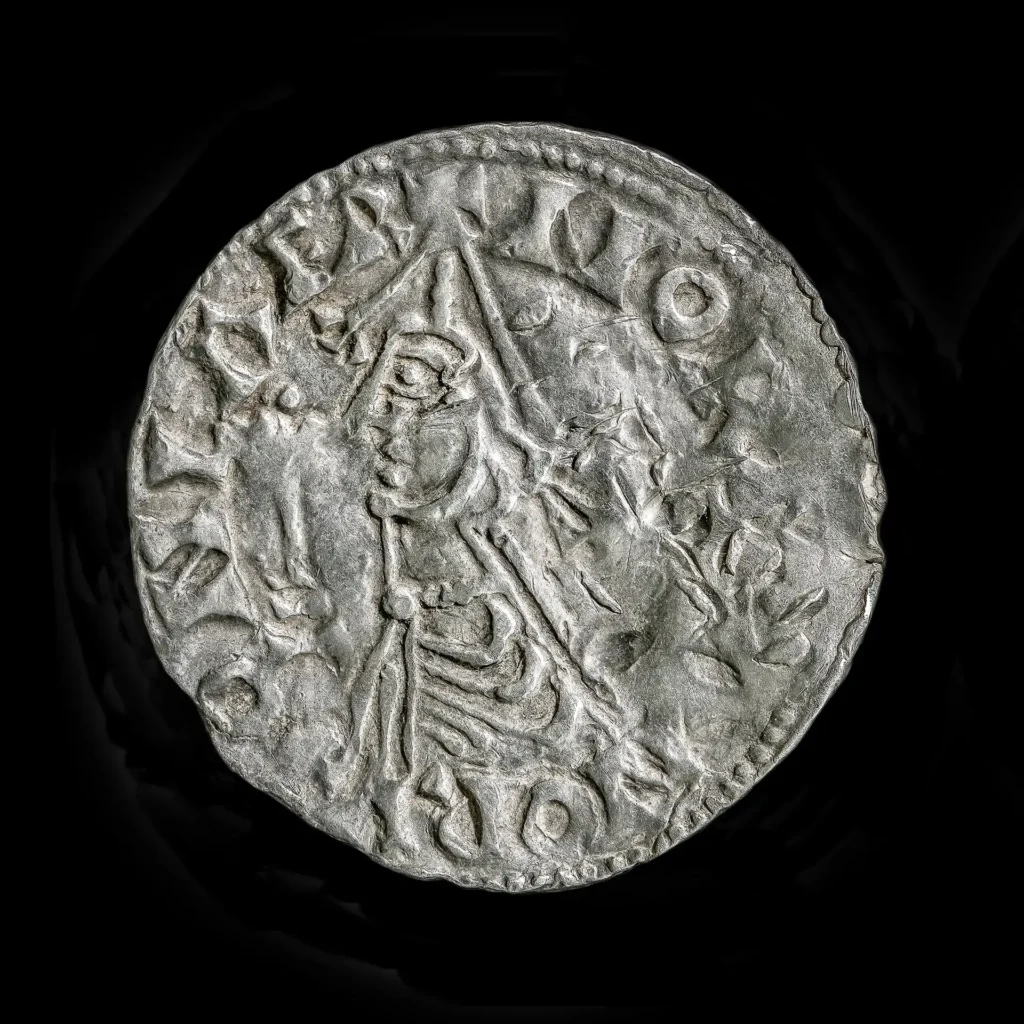
Olaf Haraldsson holds a unique place in Norwegian history. Fewer than 20 of his coins have survived to the present day, and most of them were found outside Norway. Only four examples of the type found in the Mørstad Hoard had been discovered previously, and only one of those was found in Norway. That coin was found in a hoard uncovered during the restoration of the church ruins in Stein in 1924.
Professor of Numismatics Svein H. Gullbekk says, “This is brand-building. For those of us interested in Norway’s earliest monetary history, it’s hard to find anything better than this. Here, we see a coin featuring the king’s portrait and a cross on the obverse, and another cross on the reverse. This is a coin minted as part of a large-scale Christianization campaign.” We can see how King Olaf used coins to legitimize his new faith and establish himself as a respected Christian king throughout Europe,” he said.
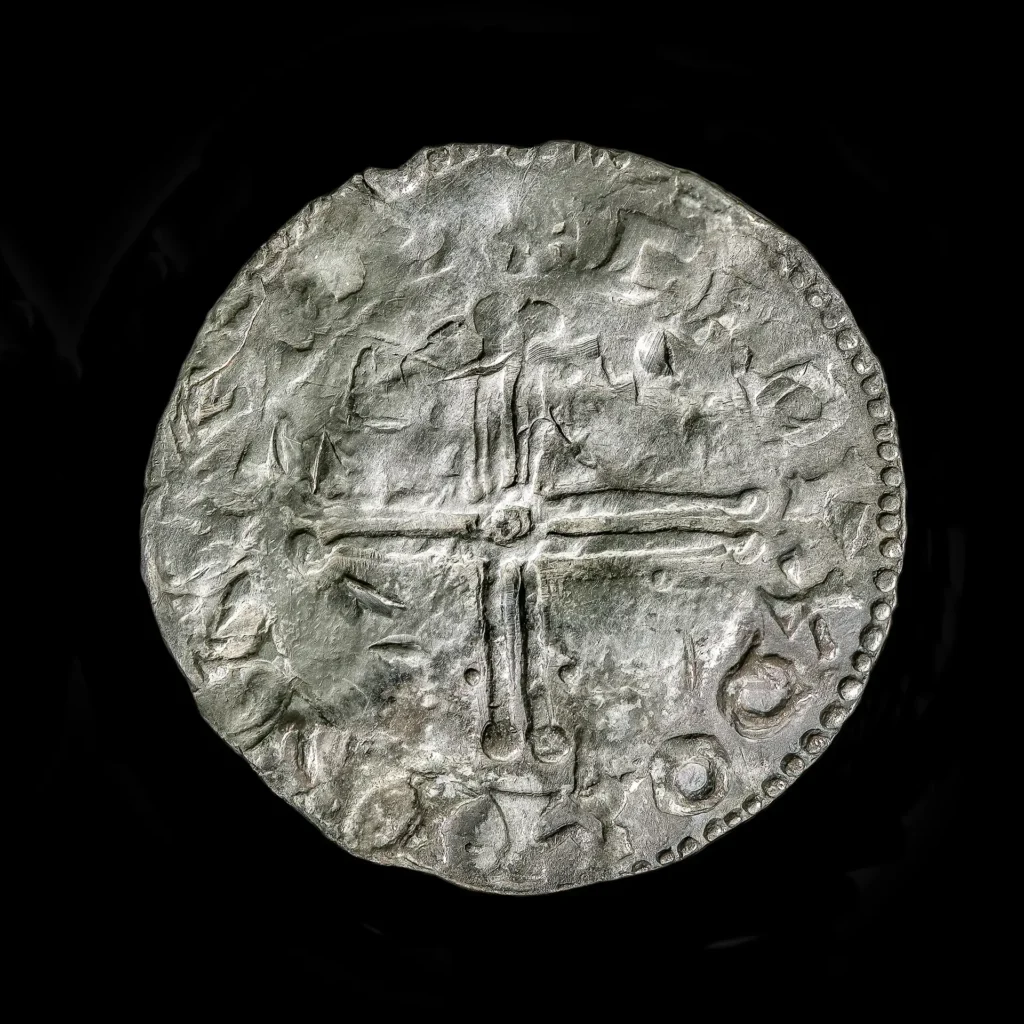
This coin was minted toward the end of the Viking Age, between approximately 1024 and 1028. While the minting of the coin was a political act in and of itself, it is clear that it was also used for economic purposes. There are numerous small notches made with a knife on both sides of the coin.
– This was a way to test the silver content during payments and other transactions. Based on this, we can assume that the medallion changed hands several times during the approximately 20- to 25-year period between its production and its placement in the Mørstad Hoard. Associate Professor Florent Audy says this is another fascinating chapter in the medallion’s history.
Cover Image: Three different types of pennies issued by Olaf Haraldsson are known, all based on Anglo-Saxon models and featuring slightly different designs. Only four examples of this particular type had previously been found: one is kept in the collections of the Oslo Coin Cabinet and three in Sweden. The example from the Mørstad Hoard is well preserved, making it possible to study details of its design. Credit: UiO Museum of Cultural History