
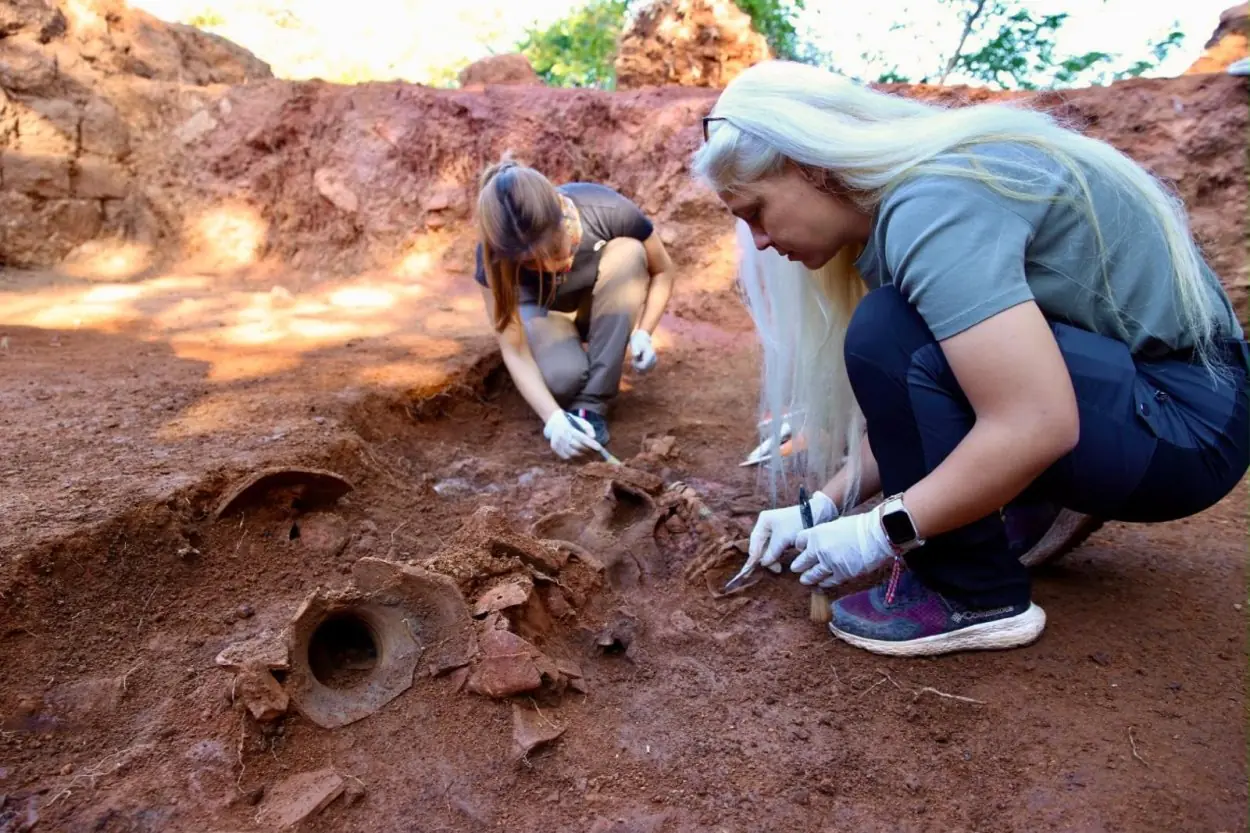
Archaeological excavations at Kurul Fortress in Ordu, which dates back approximately 2,300 years, have uncovered new areas associated with the cult of the ancient Greek god Dionysus, as well as a satyr relief. At the fortress, previously known for its statue of the Great Mother Goddess Cybele, these latest discoveries are expanding research into the areas where religious ceremonies were held.
Excavations at Kurul Fortress, located in the Bayadı neighborhood of Ordu’s Altınordu district, are continuing under the direction of Prof. Dr. Süleyman Yücel Şenyurt from Ankara Hacı Bayram Veli University. In the 2026 excavation season, supported by the Ordu Metropolitan Municipality, areas specifically linked to the cult of Dionysus are taking center stage.
New Areas Associated with the Cult of Dionysus
Excavation Director Şenyurt stated that during this year’s work, they had uncovered previously unknown specific areas associated with the cult of Dionysus.
“We had also found artifacts associated with Dionysus dating back to the ancient pagan period, but this year we came across even more specific areas associated with Dionysus.”
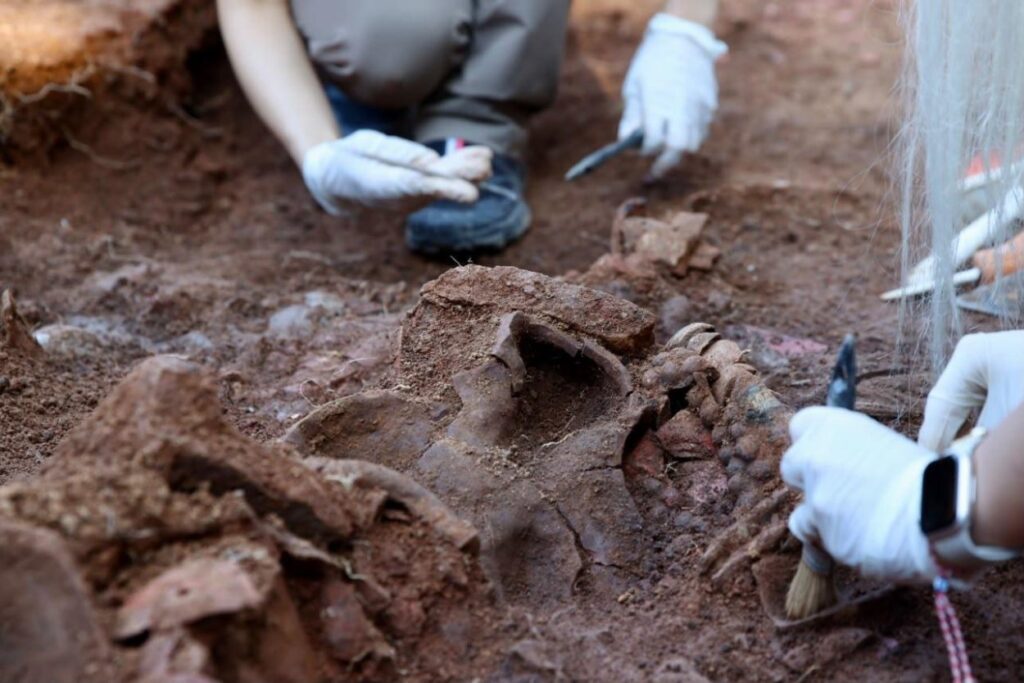
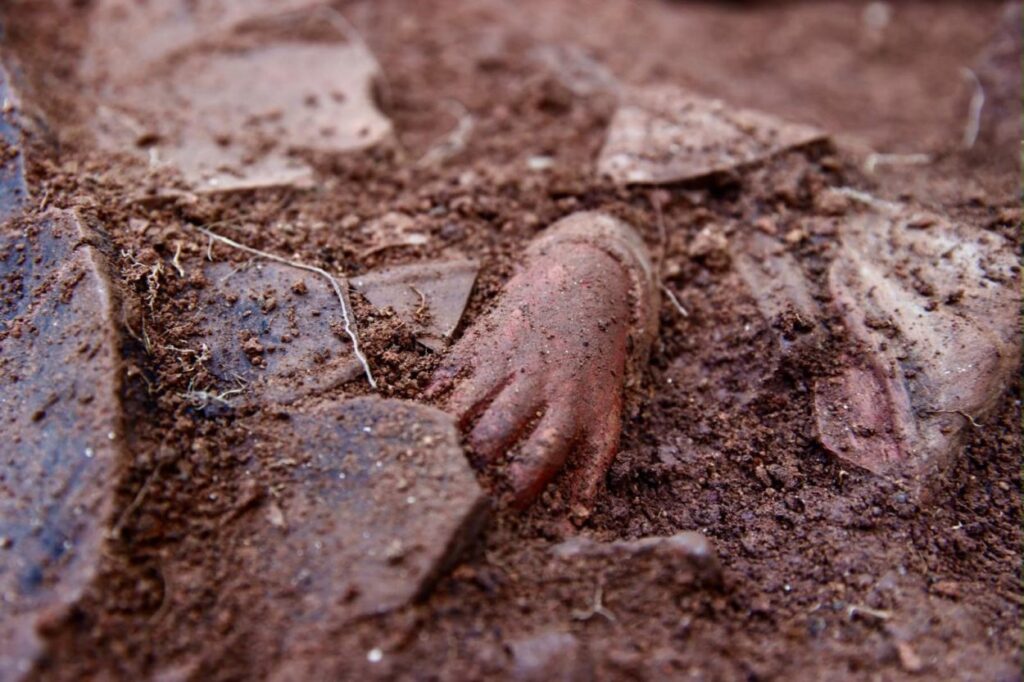
This is not the first time that finds associated with Dionysus have come to light at Kurul Fortress. Previous excavations had uncovered a statuette of the child Dionysus, a figure of Pan, and goat-shaped ritual vessels used in religious ceremonies. The newly discovered areas are significant for understanding the role these artifacts played in the castle’s religious life.
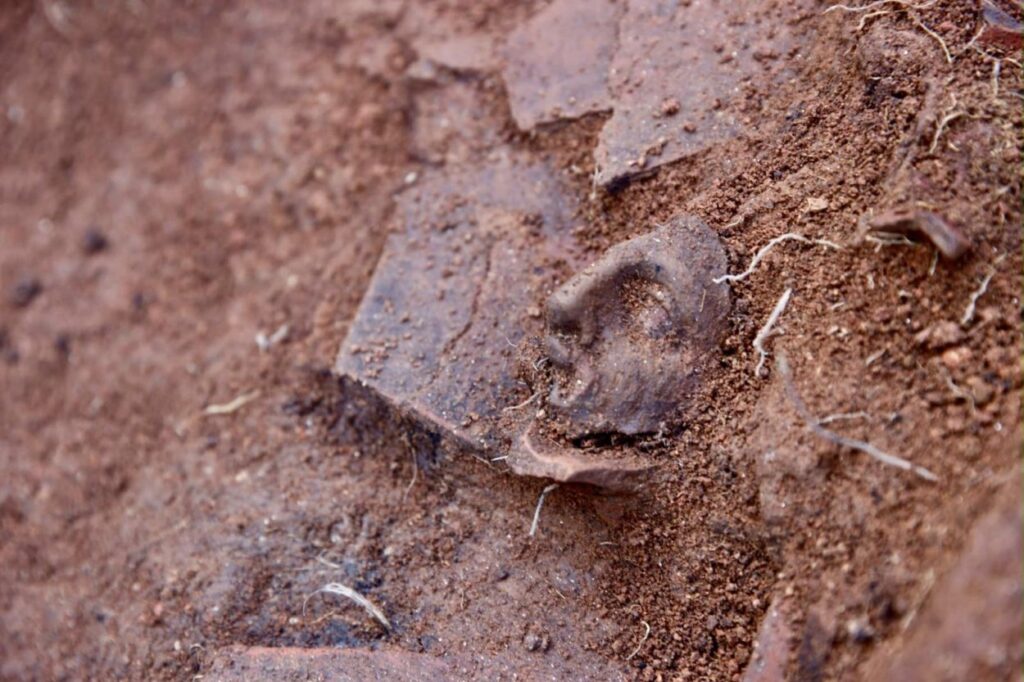
One of the most notable finds of the 2026 season was a relief depicting a satyr figure. In ancient Greek mythology, satyrs were mythological beings combining human and animal traits who surrounded Dionysus. They were frequently depicted in the processions of the god, who was associated with wine, fertility, and nature.
The relief, along with the figures of Dionysus and Pan previously found at the fortress, constitutes a new example of the same mythological tradition. However, the exact location of the artifact within the excavation site and its direct relationship to other finds have not yet been explained in detail.
The Military and Religious Center of the Kingdom of Pont
Located approximately 570 meters above sea level, Kurul Fortress was part of the Kingdom of Pontus’s defensive network during the Hellenistic period. Used particularly during the reign of King Mithridates VI—known for his wars against Rome—the fortress stands out not only for its military structures but also for its religious sites.
In 2016, the discovery of a marble statue of Cybele near the main entrance—found in its original location—was one of the most significant finds at Kurul Fortress. The approximately 2,100-year-old statue attests to the presence of the Great Mother Goddess cult at the castle, while the small statues of Dionysus discovered in subsequent years added a different dimension to the settlement’s religious life.
Şenyurt notes that the latest discoveries offer new opportunities to study the cults of Cybele and Dionysus together. Pointing out that other archaeological sites may lie beneath the dense vegetation of the Eastern Black Sea region, the archaeologist emphasizes the importance of the Kurul Fortress excavations for research in the area.
Cover Image: Archaeologists meticulously excavate and reveal ancient artifacts at the 2,300-year-old Kurul Fortress in northern Turkey. Credit: Ordu Metropolitan Municipality.