-
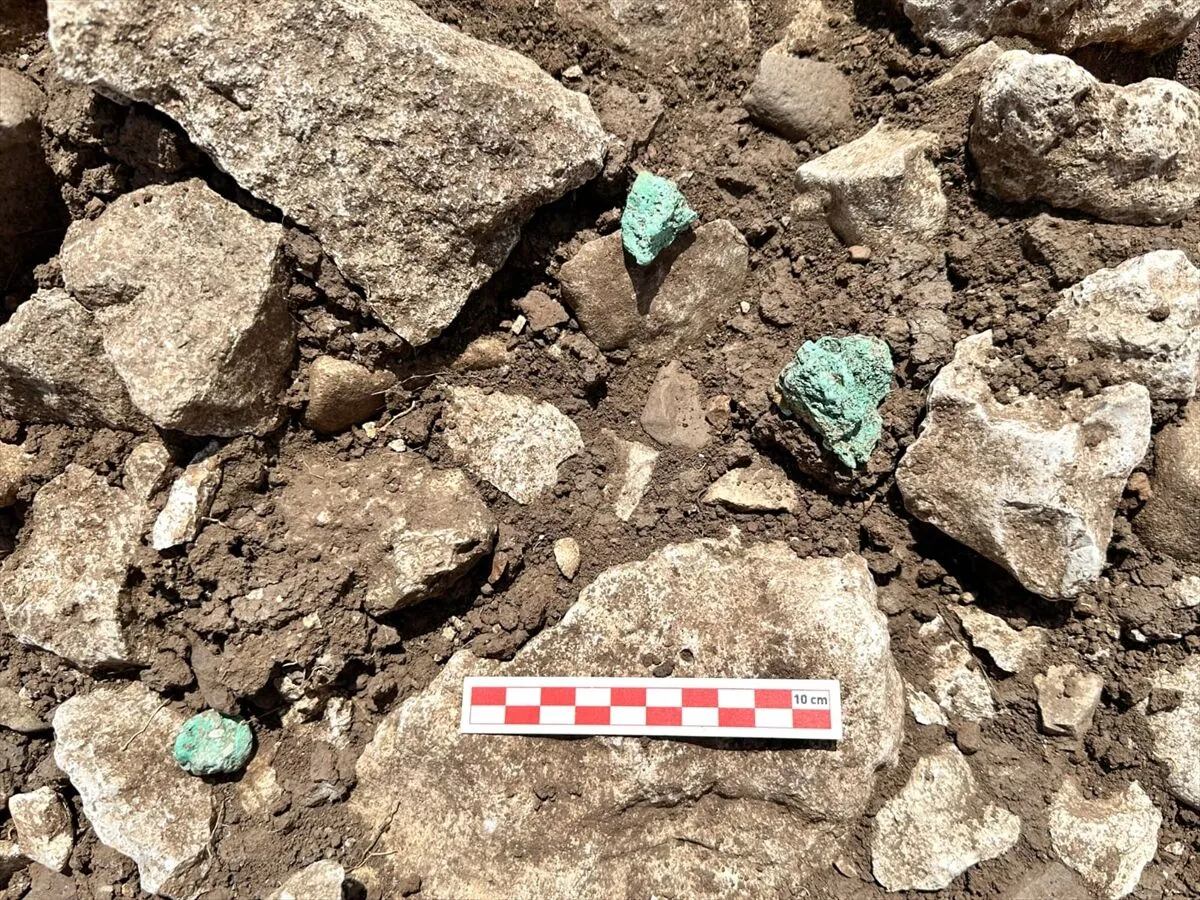
9,000-Year-Old Workshop Discovered in Türkiye Reveals Neolithic Malachite Processing and Copper Working
Archaeologists have discovered a 9,000-year-old malachite and copper workshop at Çayönü Tepesi in southeastern Türkiye. The stone-paved workspace contained raw and partly worked malachite, processed samples, copper beads and other copper objects, preserving several stages of Neolithic production within the same excavated area. The excavation team uncovered the workshop during the 2026 season near Ergani…
-
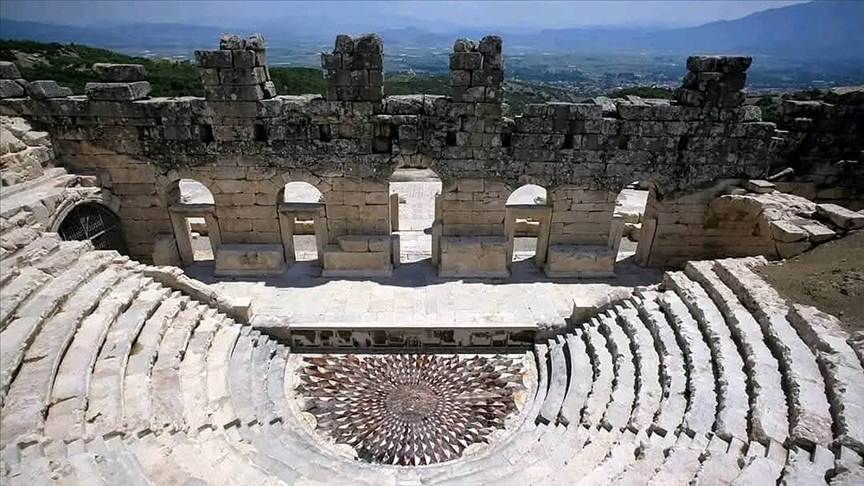
2,000-Year-Old Medusa Mosaic at Kibyra Reopens to Visitors in Turkey
In the ancient city of Kibyra, tucked into the highlands of southwestern Turkey, one of antiquity’s most striking floor compositions has re-emerged with the season. The Medusa mosaic, dating back nearly 2,000 years, has been uncovered after its winter protection and is once again open to visitors. Each year, the mosaic is carefully covered during…
-

Buried at a Doorway for 5,000 Years: Ancient Bread from Anatolia Reveals a Lost Recipe—and a Ritual
A piece of bread lay at the threshold of a building for nearly 5,000 years—charred, buried, and deliberately preserved. Now uncovered at Küllüoba Höyük in western Anatolia, it offers a rare and direct insight into how early societies combined food, technology, and belief. A Loaf That Was Never Meant to Be Eaten This was not…
-
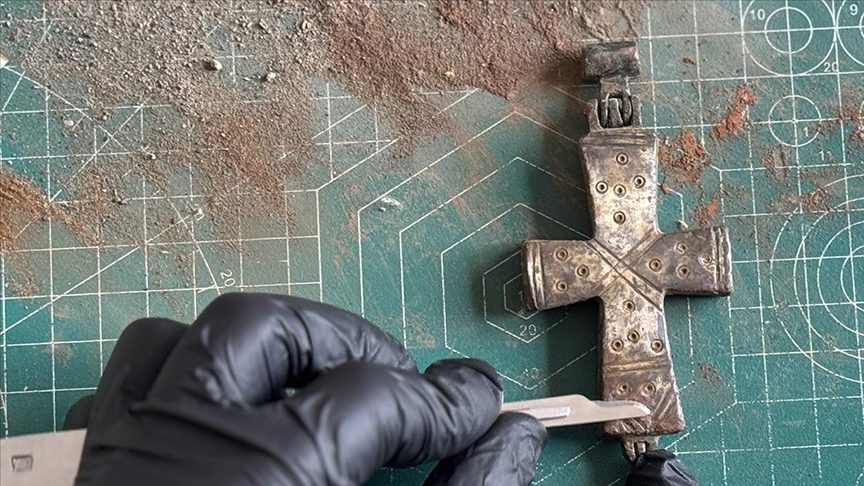
A Sealed Reliquary Cross Discovered at Ancient Lystra, a City Visited by Saint Paul
Archaeologists working in central Anatolia have uncovered a rare Christian artifact at Ancient Lystra—a sealed bronze reliquary cross, preserved exactly as it was closed nearly a millennium ago. The object was found during excavations in the church area of the ancient city, a site closely associated with the missionary journeys of Saint Paul Dating to…
-
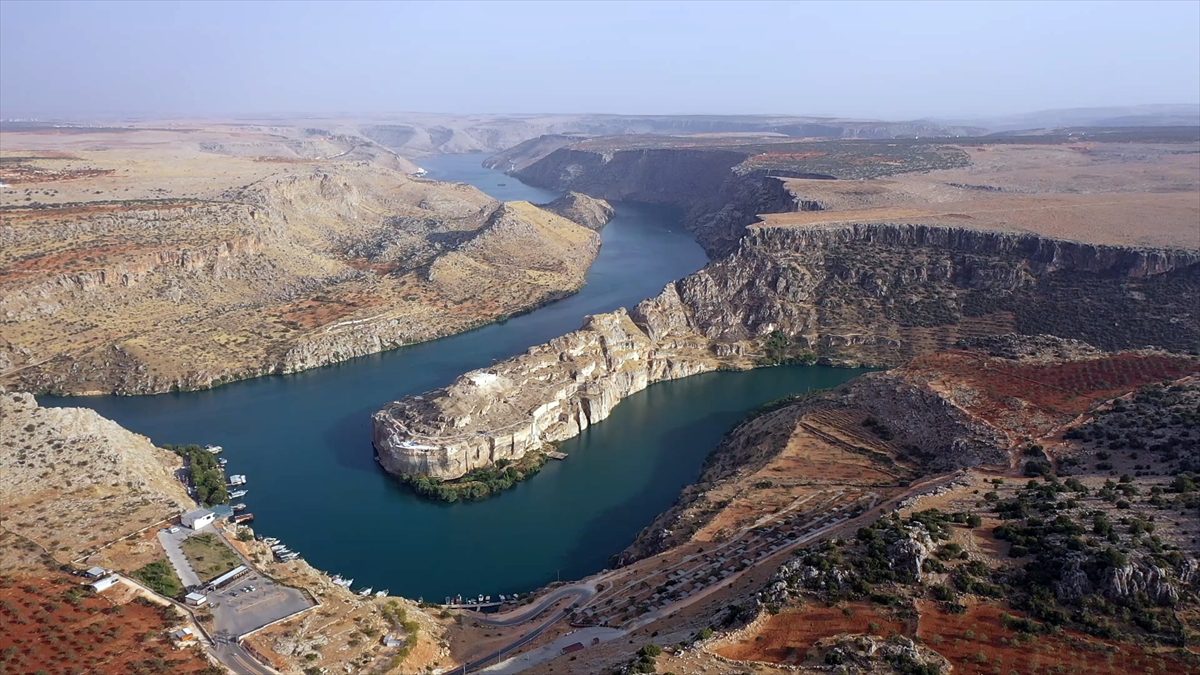
New Research Pushes Human Presence in Anatolia Back Nearly One Million Years
New archaeological research from southeastern Türkiye is significantly extending the known timeline of human presence in Anatolia. Evidence gathered during recent Pleistocene surveys suggests that early human activity in the region dates back nearly one million years, challenging long-held assumptions about Ice Age mobility and settlement patterns. The findings emerge from a large-scale surface survey…
-

A Chance Encounter in Central Turkey Reveals Neolithic Rock Art Hidden for Millennia
The figures were almost invisible—faded shapes clinging to a cliff in the highlands of central Turkey. A hiker, pausing to catch his breath on a steep slope, noticed something that should not have been there: deliberate lines, human forms, a pattern emerging from the rock itself. That moment of curiosity has now opened a new…
-
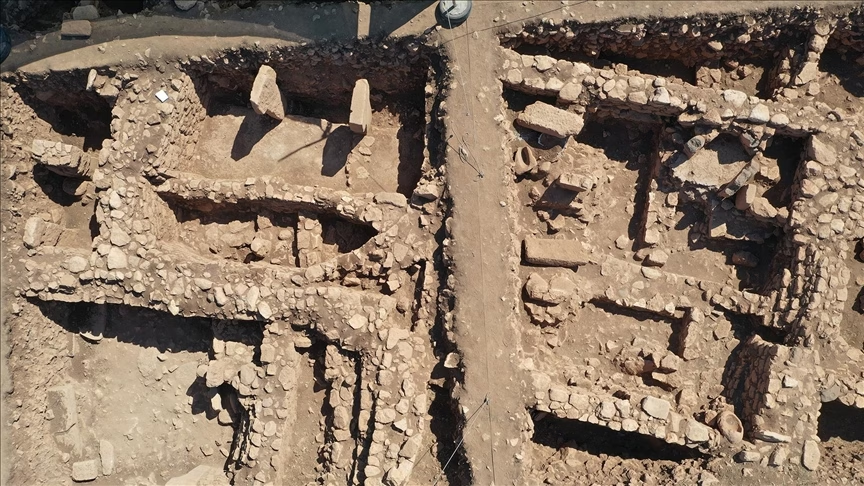
A 10,000-Year-Old Sketch: Sefertepe Excavation Uncovers Remarkably Detailed Boar Cub Carving
Archaeologists working at Sefertepe, one of the emerging Neolithic sites of Türkiye’s Taş Tepeler region, have uncovered a delicately incised depiction of a wild boar piglet carved into the underside of a heavily used grinding stone. The discovery, reported exclusively by Arkeolojihaber, adds a new layer to our understanding of symbolic expression in the 10th…
-

A Hand Missing One Finger: The 5,000-Year-Old Trace of Mourning Unearthed in Küllüoba
There are moments when archaeology does more than uncover the past — it touches something recognizably human.In the Early Bronze Age settlement of Küllüoba, deep in the plains of western Türkiye, archaeologists have unearthed a clay vessel unlike any other: a 5,000-year-old pithos grave bearing the image of a hand — carved with one finger…
-
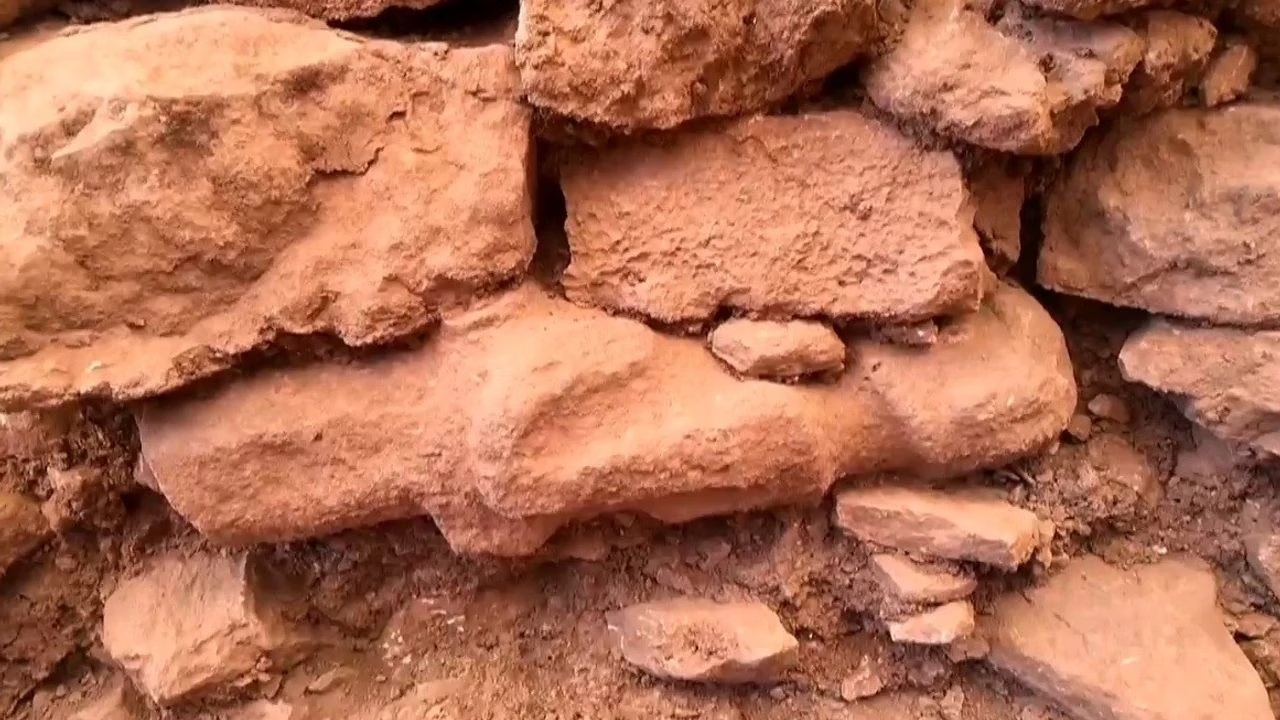
12,000-Year-Old Human Statue Found at Göbeklitepe Redefines Neolithic Beliefs
Archaeologists at Göbeklitepe, the world’s oldest known temple complex in southeastern Turkey, have uncovered a striking 12,000-year-old human statue embedded within a wall. The discovery is expected to reshape our understanding of Neolithic rituals and belief systems. Turkish Minister of Culture and Tourism Mehmet Nuri Ersoy announced the find during his visit to the site,…