-
A Woman Buried Face Down in Medieval China May Reveal Evidence of a Brutal Punishment
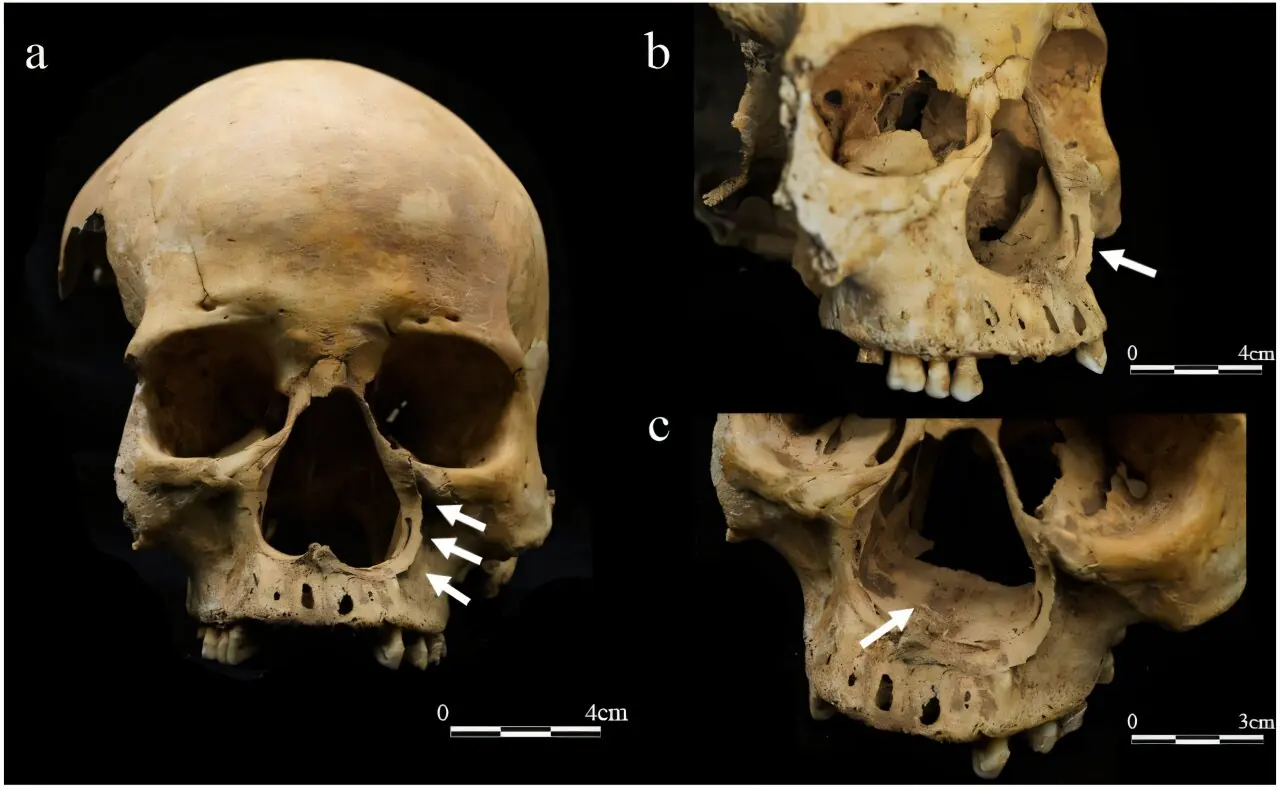
When archaeologists excavated a medieval cemetery in central China, one burial immediately stood apart. The woman had been placed face down, and the bones around her nose showed evidence of a severe injury unlike anything found among the cemetery’s other graves. A new study suggests that the damage was neither accidental nor caused after death.…
-
Bronze Age Adolescent in Myanmar May Have Survived Skull Surgery 3,000 Years Ago
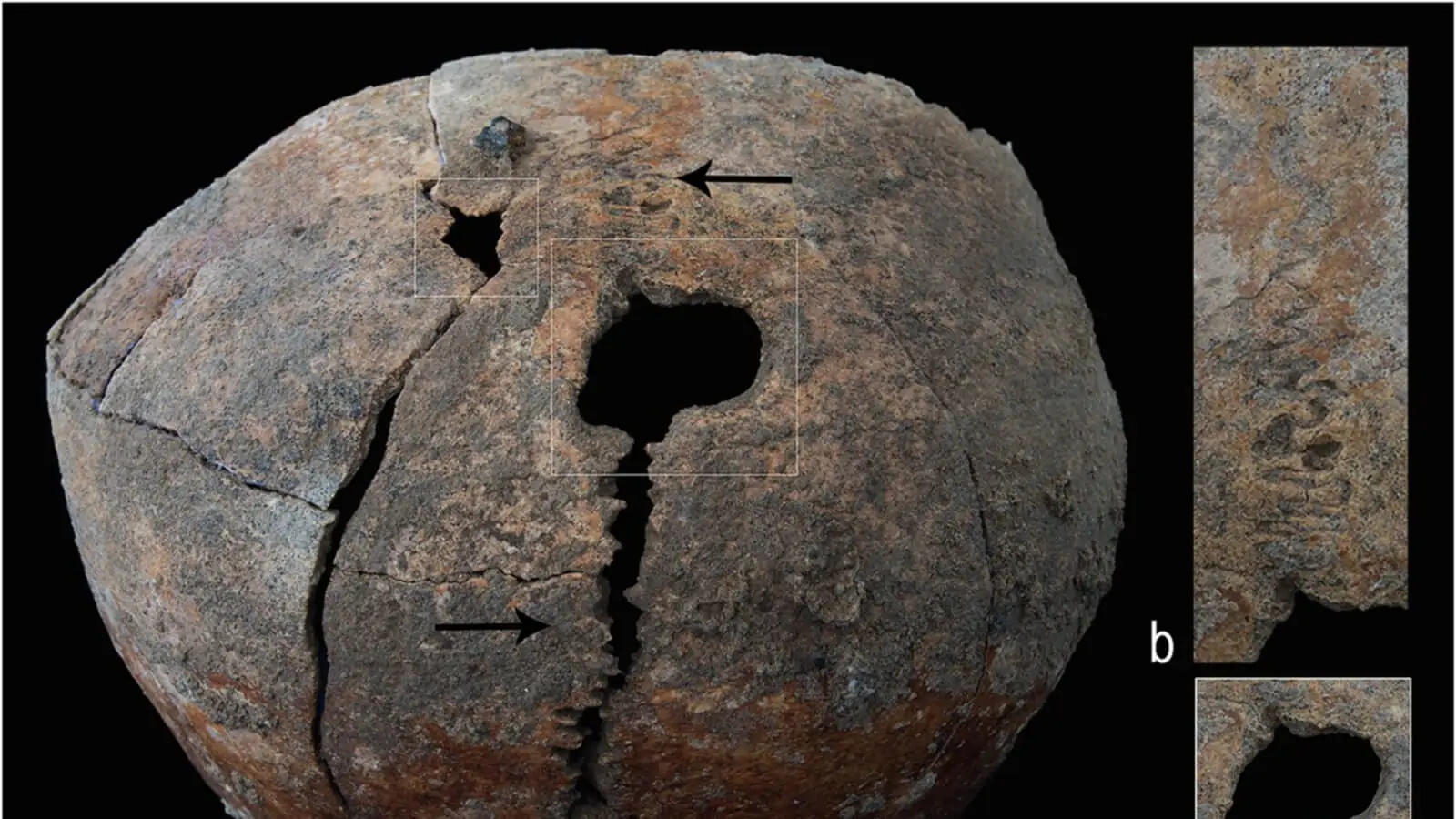
A circular opening in the skull of an adolescent buried in Bronze Age Myanmar may preserve evidence of a remarkable medical intervention. Its healed edges suggest that the young person survived the procedure for months—and possibly years—while living with a damaged jaw and a serious bone disorder. The discovery is not simply a story of…
-
Face of “Conquest Man,” Buried Soon After the Norman Conquest, Reconstructed in England
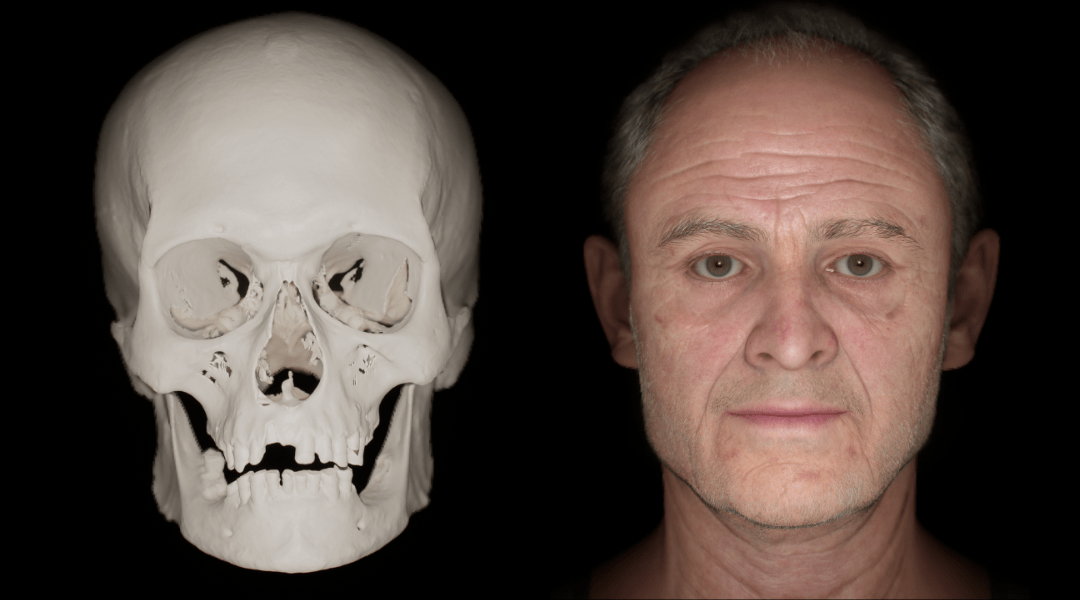
The face of “Conquest Man,” an individual buried in England shortly after the Norman Conquest, has been digitally reconstructed from his 1,000-year-old skull. His burial combined a Christian setting with Scandinavian-influenced grave goods, while scientific tests indicate substantial continental European ancestry. His skeleton was excavated at St Peter’s Church in Barton-upon-Humber, North Lincolnshire. He was…
-
Nearly 2,000-Year-Old Bones Reveal What Vesuvius Victims Near Pompeii Ate
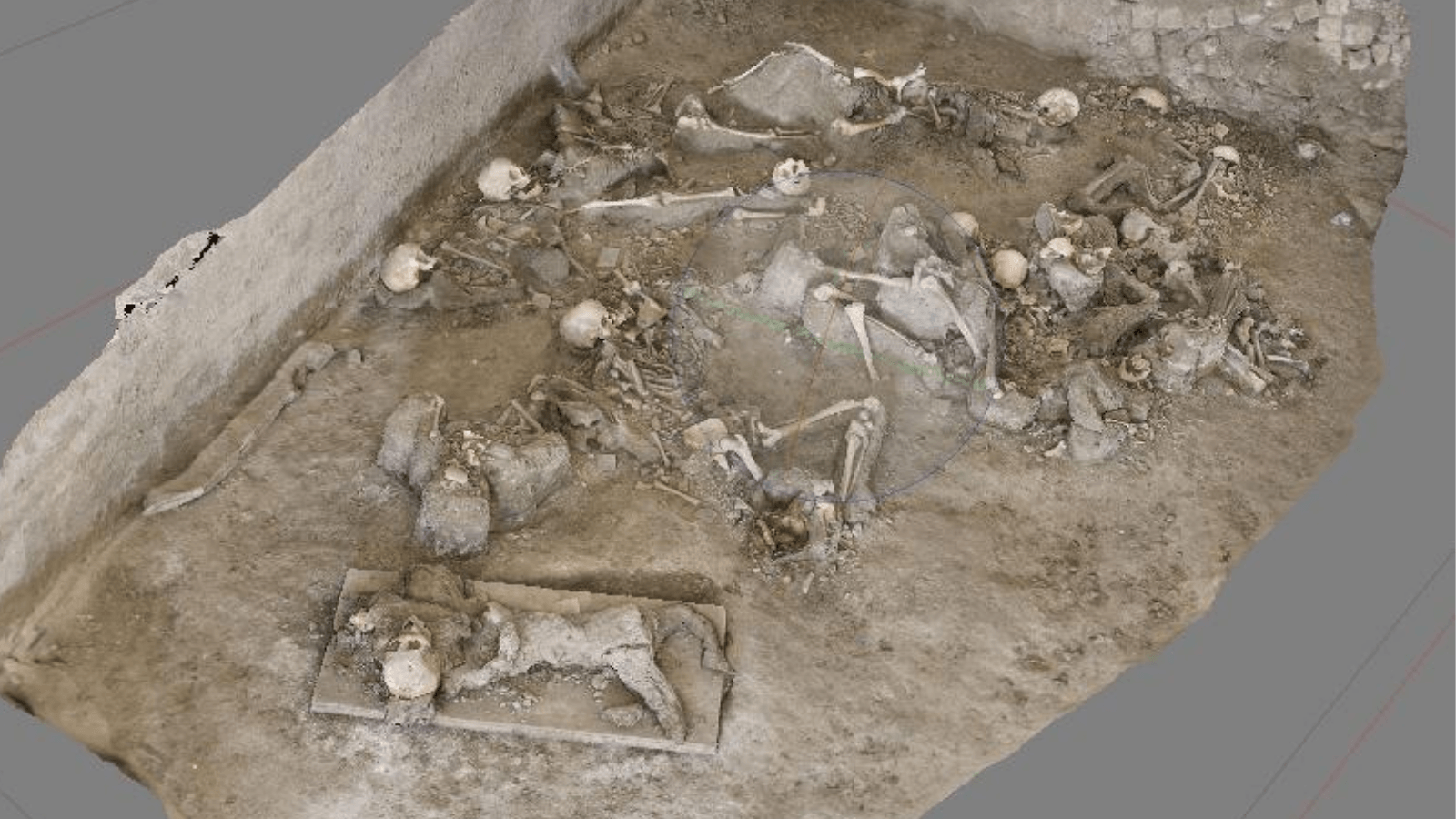
Nearly 2,000-year-old human remains from Oplontis, near Pompeii, are revealing what people living in the shadow of Mount Vesuvius regularly ate before the catastrophic eruption of AD 79. Despite living beside the Bay of Naples, their diet depended overwhelmingly on food from the land. Cereals, legumes and other plant foods formed its foundation, while animal…
-
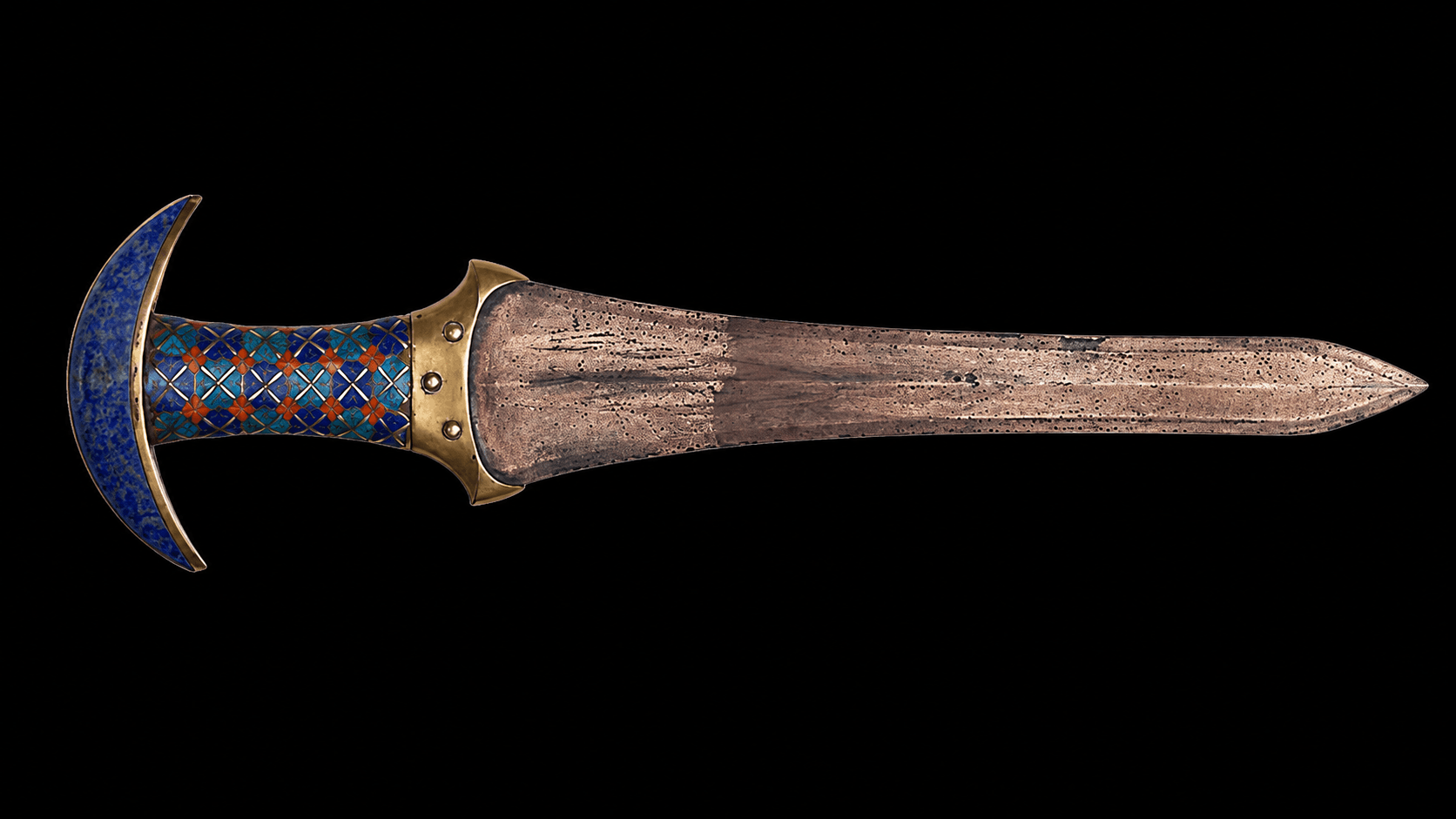
4,000-Year-Old Bones Suggest Egyptian Princesses Trained with Bows and Daggers
Nearly 4,000 years ago, Egyptian princesses trained with bows and daggers, a new study of skeletal remains from Dahshur suggests. The women were buried with bows, arrows, maces and decorated daggers—objects long debated as either personal weapons or symbols of royal rank. The new analysis indicates that the answer may be both. Pronounced muscle attachment…
-

3,000-Year-Old Cremated Bones in Greek Macedonia Reveal How Ancient Funeral Pyres Were Built
Cremated bones from two Early Iron Age cemeteries near Thessaloniki are helping archaeologists reconstruct a part of ancient funerals that almost never survives: the funeral pyre itself. A new study published in the Journal of Archaeological Science: Reports examined burned human remains from Polichni and Nea Philadelphia, two cemeteries in northern Greece. The burials date…
-
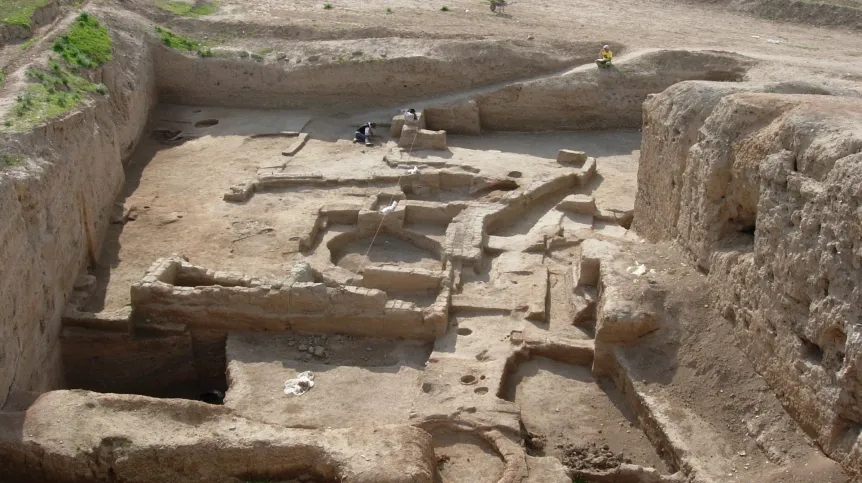
Broken Ribs on a 6,000-Year-Old Infant Skeleton Reveal a Dark Side of Early Urban Life
A 6,000-year-old infant skeleton from Tell Brak in northeastern Syria has revealed one of the rarest traces of violence against a child in prehistoric archaeology. The child, who died between six and nine months of age, was buried during the Late Chalcolithic period, around 4200–3900 BCE. A new study by researchers from the University of…
-
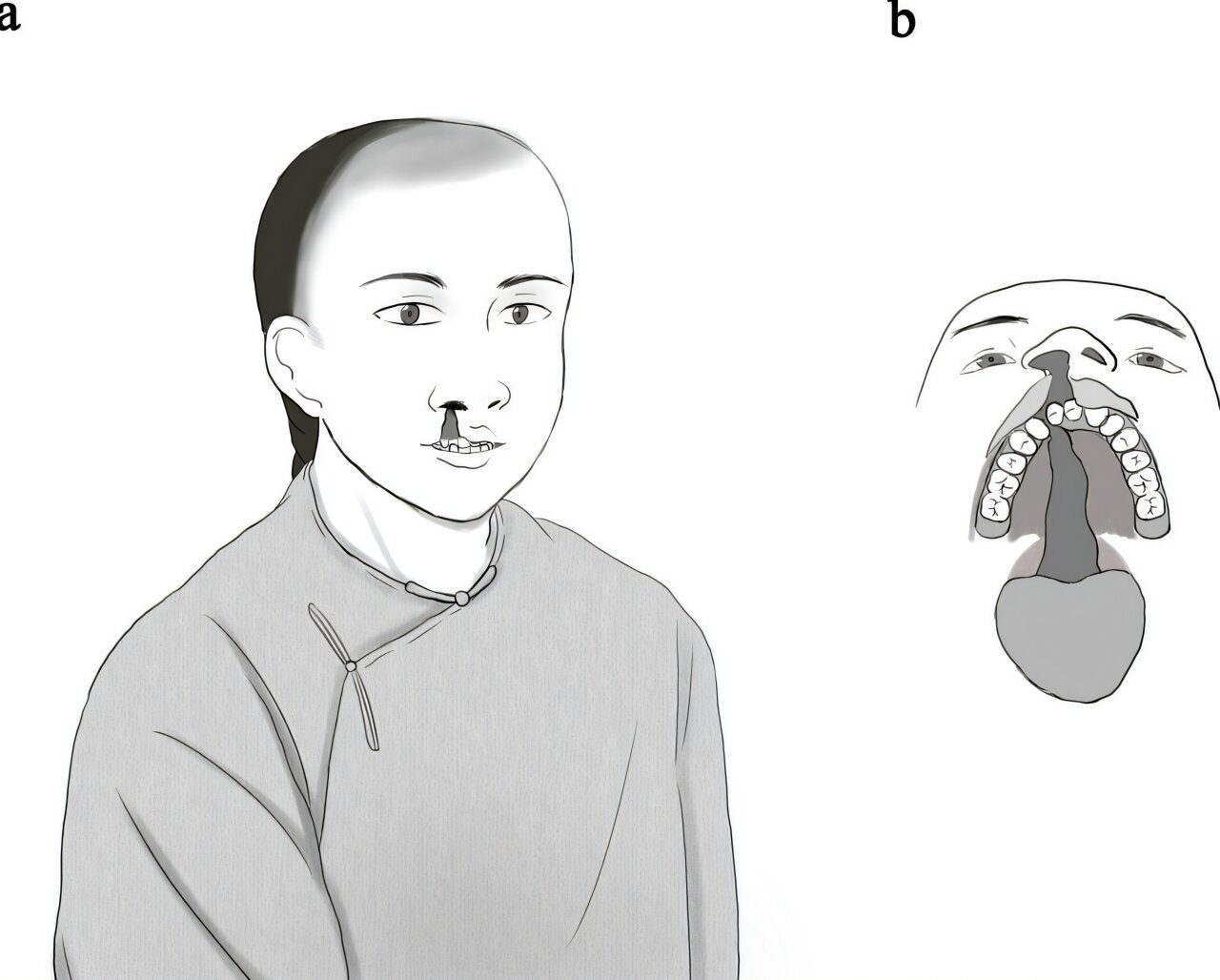
Teen with Cleft Lip Lived and Was Accepted in Qing China, First Archaeological Case Reveals
The first archaeological case of a cleft lip in China has been identified in a Qing Dynasty burial, revealing that a teenager born with a visible facial condition was not pushed aside, but cared for and accepted within his community. The discovery, published in the International Journal of Osteoarchaeology, comes from the Wenchi Cemetery in…
-

Inca Child Sacrifices May Have Continued Long After Death, New CT Scans Reveal
High in the Andes, where thin air and freezing temperatures preserve the past with brutal clarity, the bodies of sacrificed Inca children have long been seen as silent witnesses to a single moment of ritual death. New research suggests that this assumption may be wrong. A bioarchaeological study led by Dagmara Socha at the University…