-
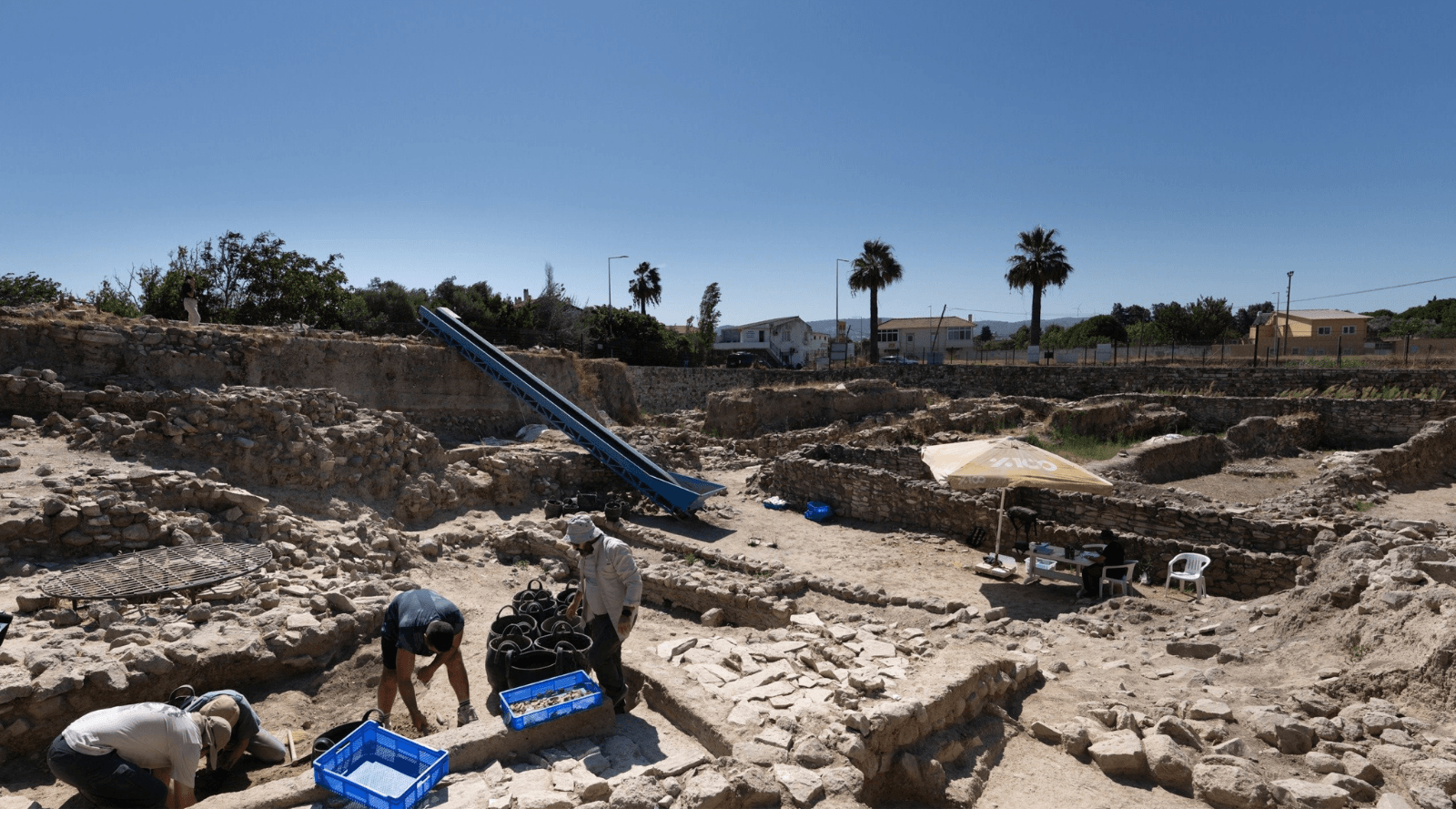
5,000-Year-Old Drainage System Reveals Early Planning in Western Türkiye
Archaeologists excavating Liman Tepe, a prehistoric coastal site in western Türkiye, have uncovered a stone drainage system built approximately 5,000 years ago. The channels ran between terraces at different elevations and probably directed rainwater toward a designated part of the site. Located in Urla, İzmir, Liman Tepe was an important coastal centre during the Early…
-

3,500-Year-Old Bronze Age Axe Discovered Near the Swiss–French Border
A remarkably well-preserved Middle Bronze Age bronze axe has been discovered on a steep hillside overlooking the border village of Burg im Leimental, offering fresh insight into ritual metal deposition and regional mobility some 3,500 years ago. Cast from solid bronze and measuring 22 cm (8.7 in), the weapon stands out not only for its…
-
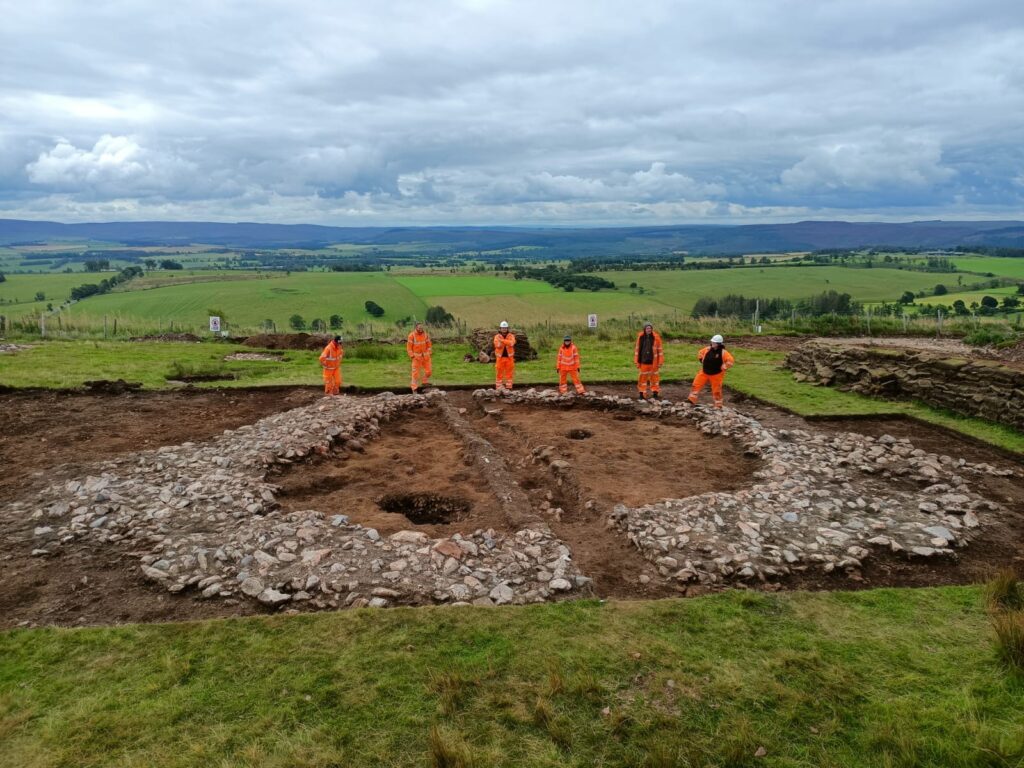
Bronze Age Farmers Reached England’s Cheviot Hills Earlier Than Thought
High in the rolling uplands of northern England, archaeologists have uncovered rare and remarkably complete evidence of Bronze Age life—evidence that is now reshaping how early settlement and farming in the Cheviot Hills are understood. Excavations at Harden Quarry, within Northumberland National Park, have revealed a hilltop landscape where people lived, farmed, and buried their…
-
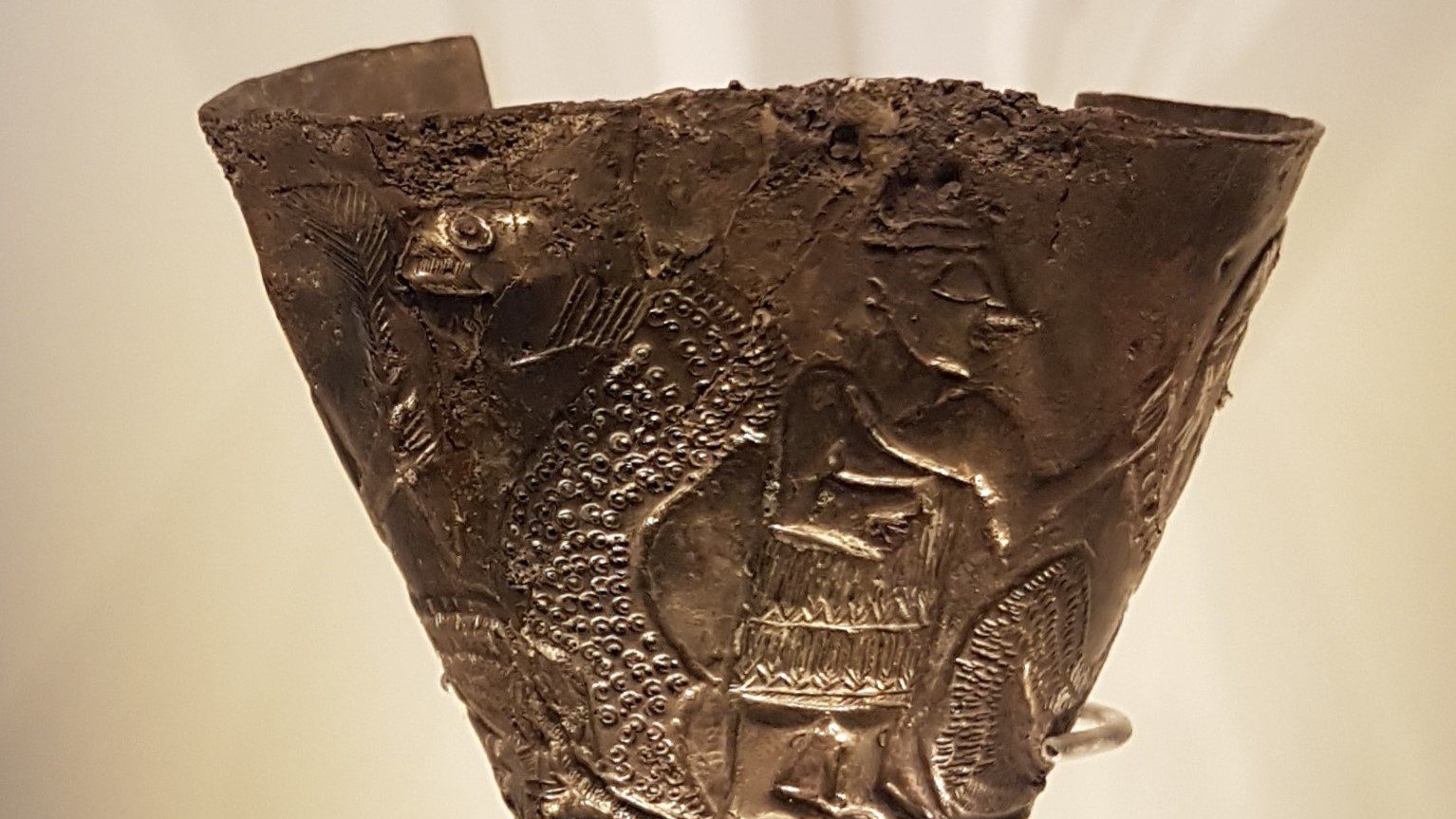
A 4,000-Year-Old Silver Goblet May Preserve One of Humanity’s Earliest Visions of the Cosmos
A small silver cup, barely taller than a matchbox, is reshaping how archaeologists think about the origins of cosmic thought. Known as the ʿAin Samiya Goblet, the vessel dates to the Intermediate Bronze Age (ca. 2650–1950 BCE) and carries an unusually complex symbolic program—one that may predate written creation myths by centuries. An Object That…
-
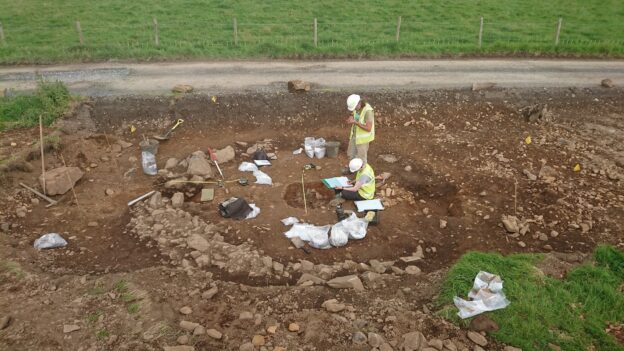
A Bronze Age Tragedy Buried Together: Evidence of a Sudden Mass Death Emerges in Southern Scotland
Beneath the windswept uplands of southern Scotland, archaeologists have uncovered chilling evidence of a single, sudden catastrophe that struck a Bronze Age community more than 3,300 years ago. Newly published research points to what experts describe as a “mysterious mass burial event”, raising the possibility of famine or another extreme crisis that wiped out multiple…
-
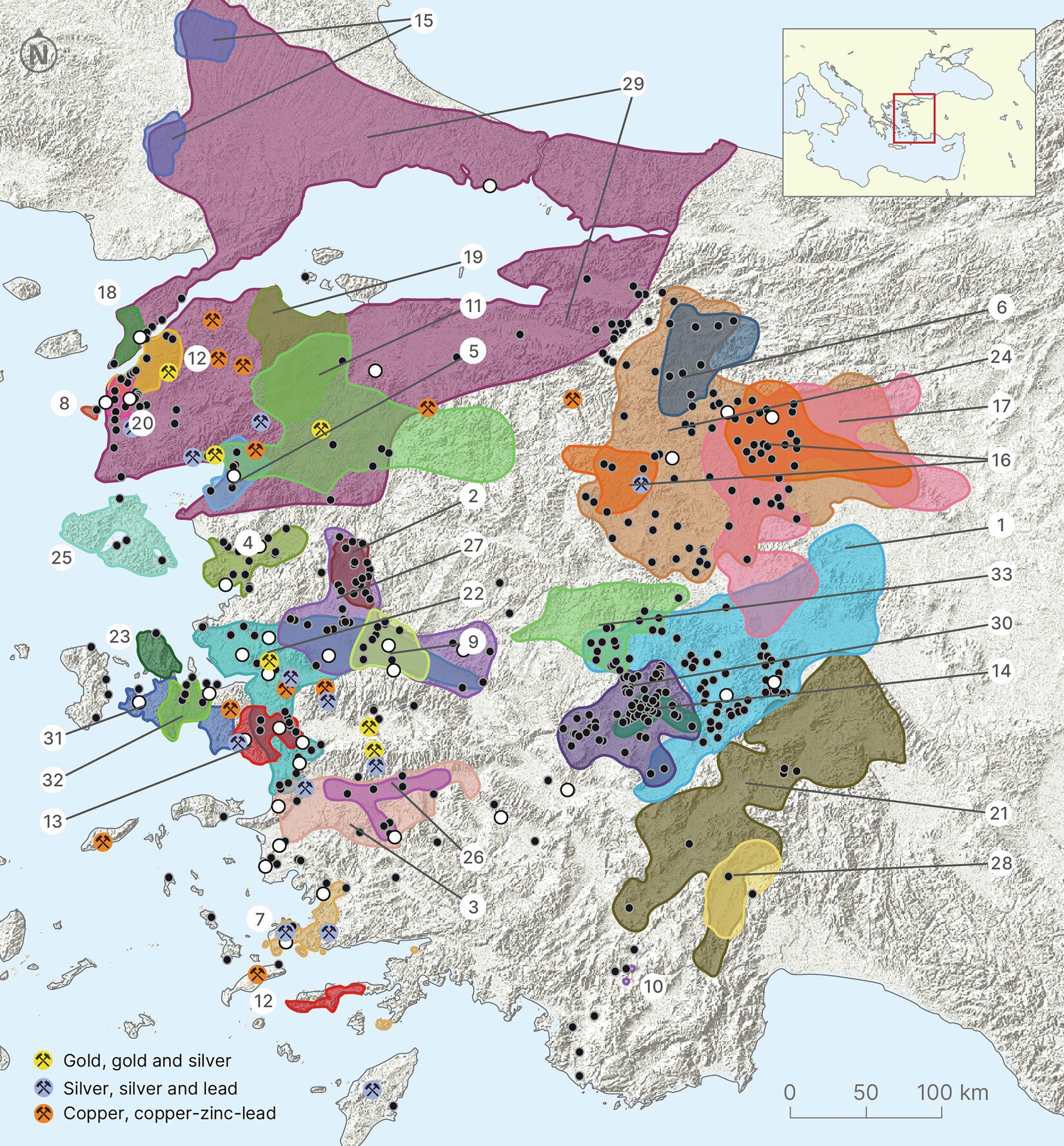
Mapping the Luvi World: A New Digital Catalogue Redraws Bronze Age Western Anatolia
For much of modern scholarship, the Luvi cultural landscape of western Anatolia has been reconstructed through fragmented excavation reports and a limited number of well-known sites. A recently published digital study now brings this scattered evidence together, offering the first truly regional perspective on Middle and Late Bronze Age settlement patterns across the area. Covering…
-
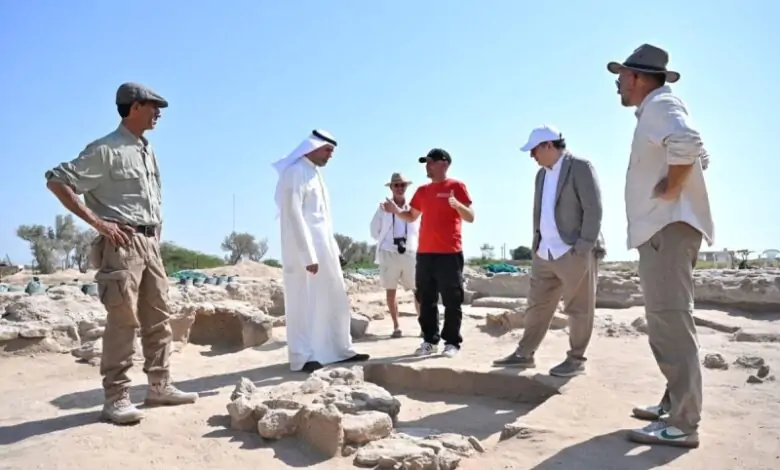
4,000-Year-Old Dilmun Temple Unearthed on Kuwait’s Failaka Island
Archaeologists have uncovered a 4,000-year-old Bronze Age temple belonging to the ancient Dilmun civilization on Failaka Island, Kuwait — a discovery hailed as one of the most significant in the Gulf region’s recent archaeological history. The structure, excavated during the 2025 season by a Kuwaiti-Danish mission in collaboration with the Moesgaard Museum, lies on a…