
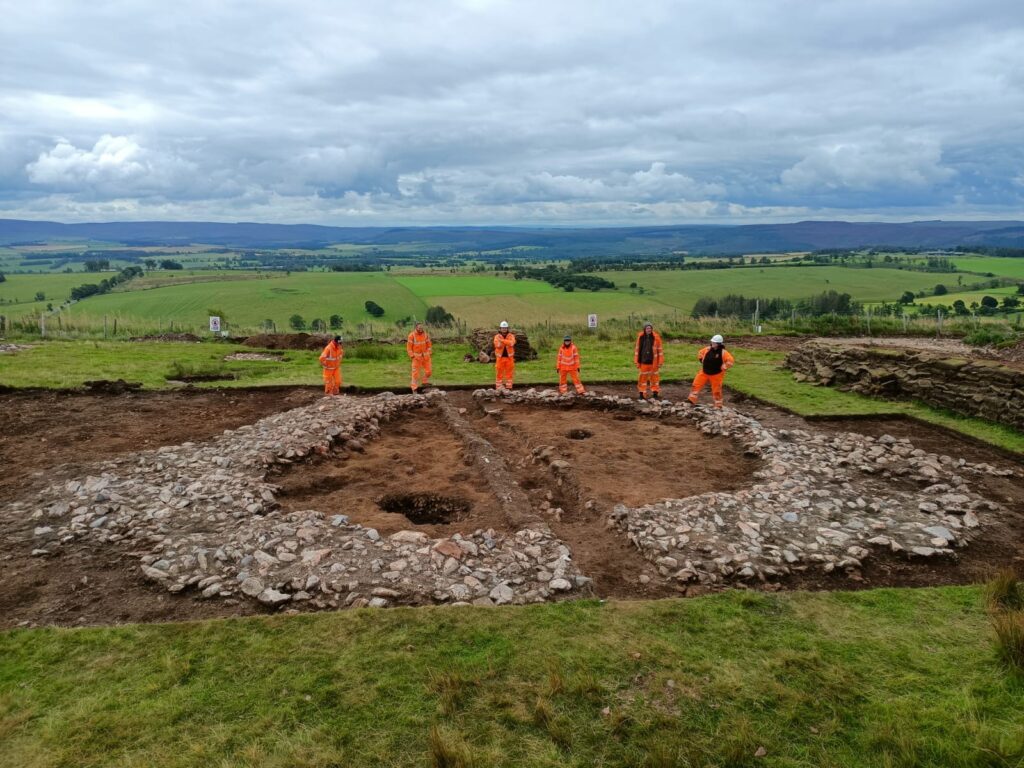
High in the rolling uplands of northern England, archaeologists have uncovered rare and remarkably complete evidence of Bronze Age life—evidence that is now reshaping how early settlement and farming in the Cheviot Hills are understood.
Excavations at Harden Quarry, within Northumberland National Park, have revealed a hilltop landscape where people lived, farmed, and buried their dead more than 4,000 years ago. The discoveries offer what researchers describe as an unusually holistic snapshot of prehistoric life, capturing domestic spaces, agricultural activity, and ritual practices within a single, coherent setting.
A hilltop settlement frozen in time
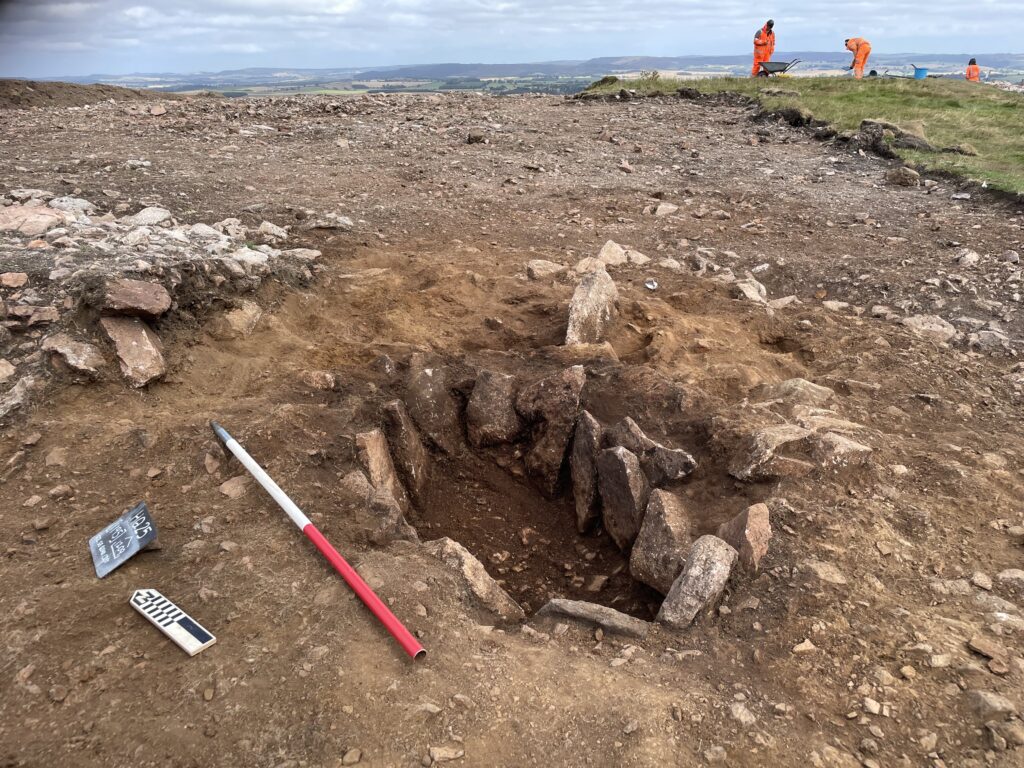
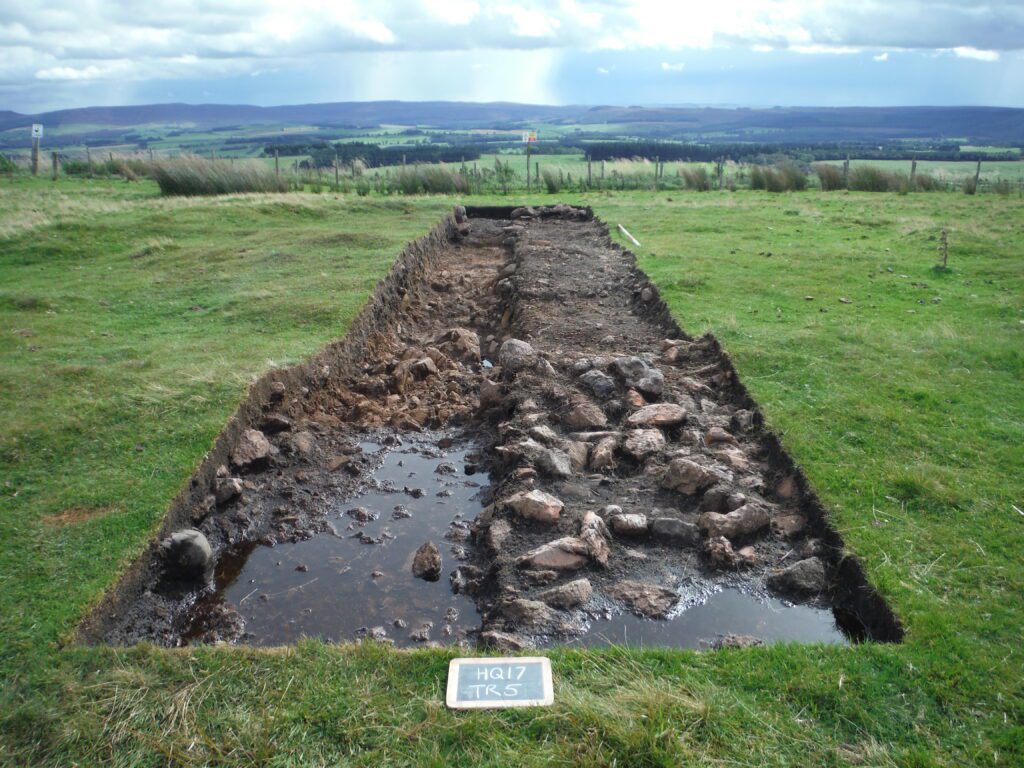
At the heart of the excavation lies a Bronze Age settlement defined by leveled platforms where circular houses once stood. Around these dwellings, archaeologists identified stone clearance cairns—piles of rock created as early farmers prepared the land for cultivation—and traces of prehistoric field systems shaping the surrounding slopes.
One of these clearance cairns proved especially significant. Scientific dating suggests it was constructed around 2400 BC, at the very beginning of the Bronze Age. This is far earlier than previously expected for farming activity at such elevations in Northumberland, pushing back the timeline for human occupation in the Cheviot uplands.
Fragments of Beaker pottery found nearby reinforce this early date, indicating that communities were already living and working this landscape at the dawn of the Bronze Age.
Burials that span generations
The excavation also uncovered three burial cairns, revealing changing funerary traditions over time. Beneath one prominent cairn lay two smaller, earlier monuments containing a stone-lined grave, or cist, that likely once held a human burial. Although no skeleton survived due to acidic soil conditions, the structure itself remains intact.
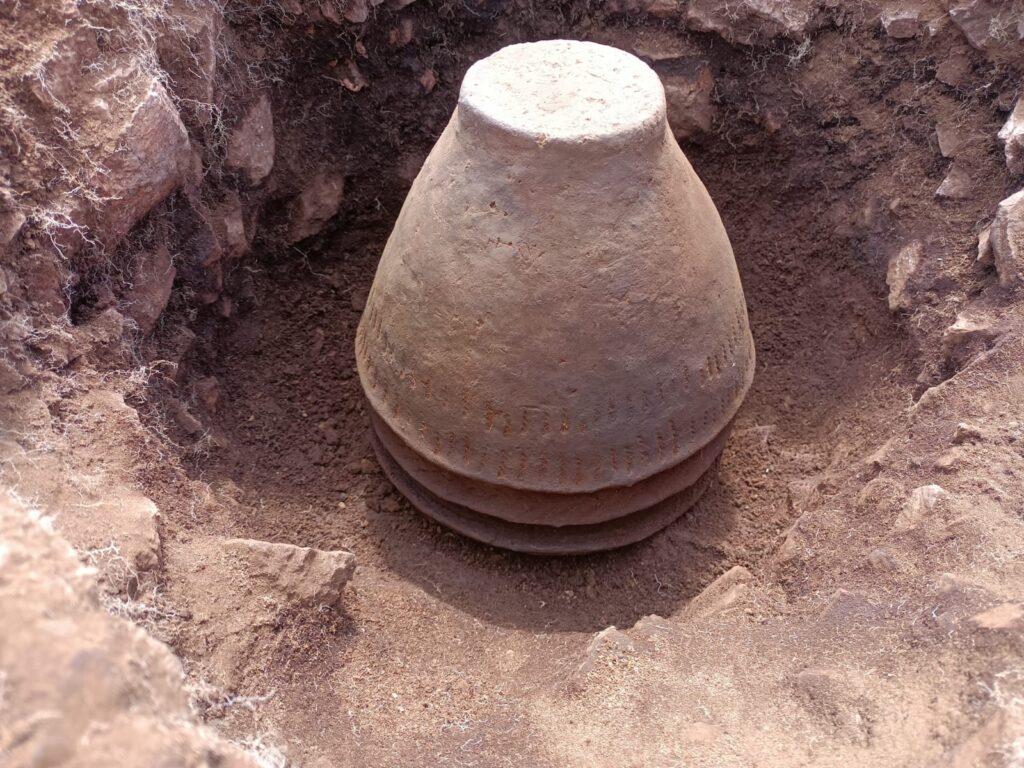
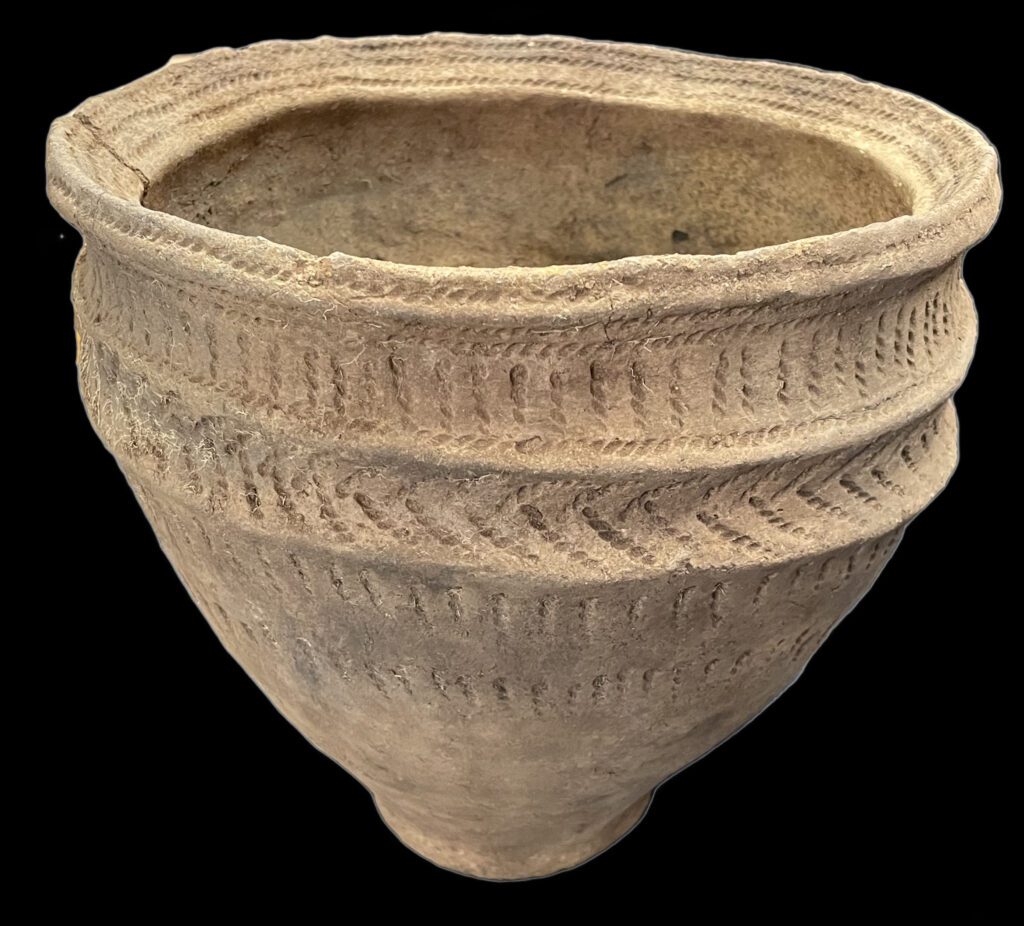
Later activity added another layer to the site’s history. A larger cairn built above the earlier graves contained cremated remains, some placed carefully inside ceramic vessels. One pot was found fully intact, accompanied by additional burials in nearby pits—clear evidence that this hilltop retained its significance across generations.
A rare archaeological perspective
According to Clive Waddington of Archaeological Research Services Ltd, the discoveries offer something exceptionally rare in British archaeology.
“Finding an earlier burial beneath a Bronze Age ring cairn at the highest point of the hill is hugely important,” Waddington said. “It suggests that Early Bronze Age communities expanded into these uplands and began farming much earlier than we imagined.”
He emphasized that the site provides an unusually complete picture of prehistoric life.
“We have almost a full 360-degree view—where people lived, where they buried their dead close to the gods, and the landscape they farmed. That level of context is incredibly rare.”
Development-led archaeology with lasting impact
The excavation was carried out as part of a legally required archaeological investigation linked to the planned expansion of Harden Quarry, approved in 2022. The work was undertaken by Archaeological Research Services Ltd and monitored by the Northumberland National Park Authority.
Chris Jones, Historic Environment Officer for the Park Authority, highlighted the broader value of the project.
“These finds deepen our understanding of the early history of the Cheviot Hills and show how developer-funded archaeology can significantly enrich the National Park’s historic record,” he said.
Christine Venus, Director of Park Management, added that the discoveries align with the Park’s responsibility to protect and enhance its cultural heritage, while allowing carefully managed development.
Sharing the story of Britain’s first upland farmers
Harden Quarry is known for its distinctive red felsite stone, widely used in modern construction, but the site’s newly uncovered past will now be preserved and studied in detail. Further scientific analysis is underway, and the findings will be shared with the public in the coming months.
The discoveries will also reach a national audience through an upcoming episode of the BBC’s Digging for Britain, offering viewers a rare glimpse into the lives of some of Britain’s earliest settled farmers in one of its most challenging landscapes.
Cover Image: Harden Quarry/Archaeological Research Services