-
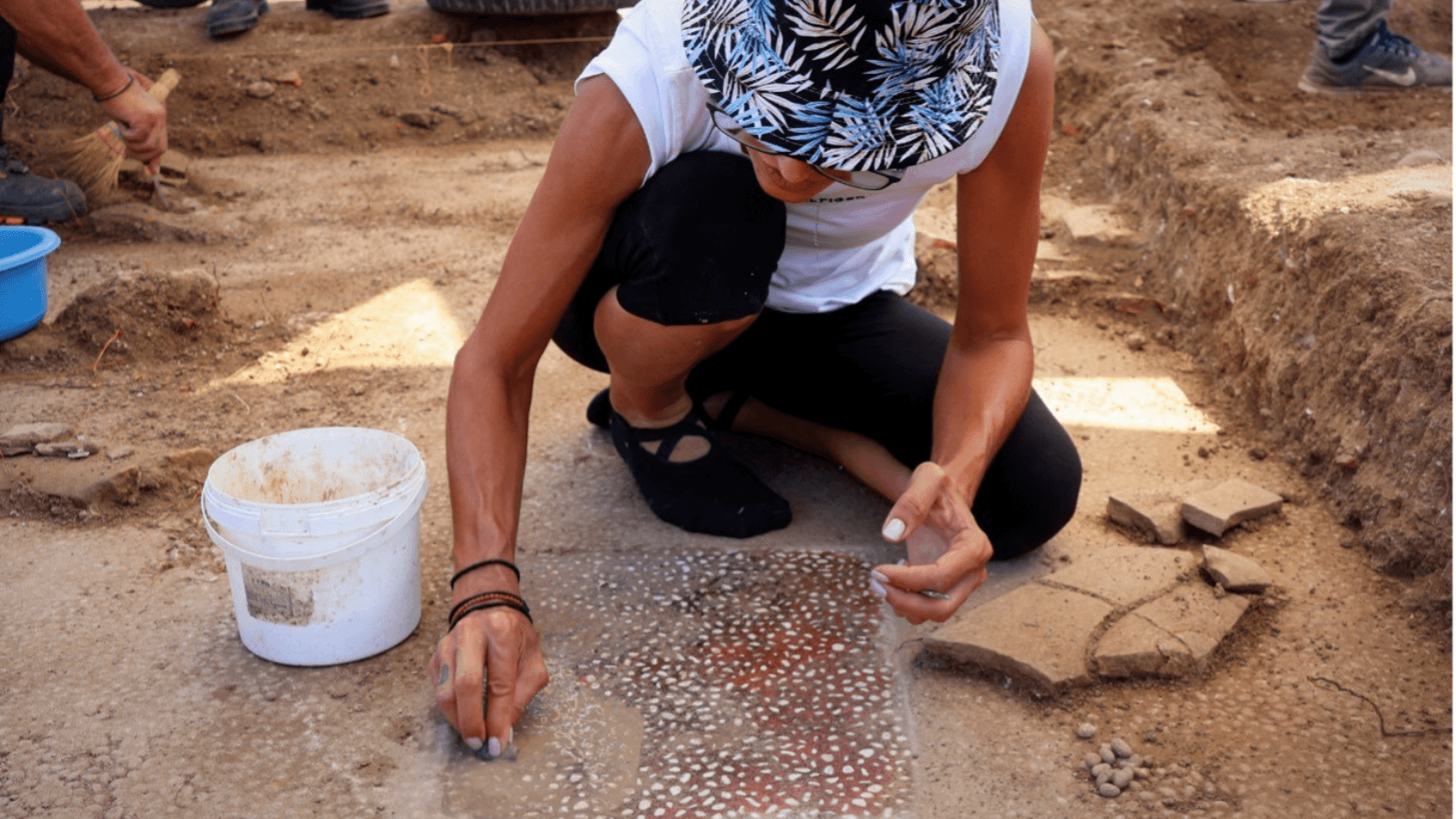
Inside the School Linked to Alexander the Great, Archaeologists Found Rooms Built for Feasting
The school linked to Alexander the Great at ancient Mieza was not devoted to lectures and physical training alone. Archaeologists have also uncovered mosaic-floored rooms where members of Macedonia’s young elite appear to have reclined, dined and talked together. Archaeologists excavating the Royal Gymnasium of Mieza in northern Greece have uncovered a large structure containing…
-
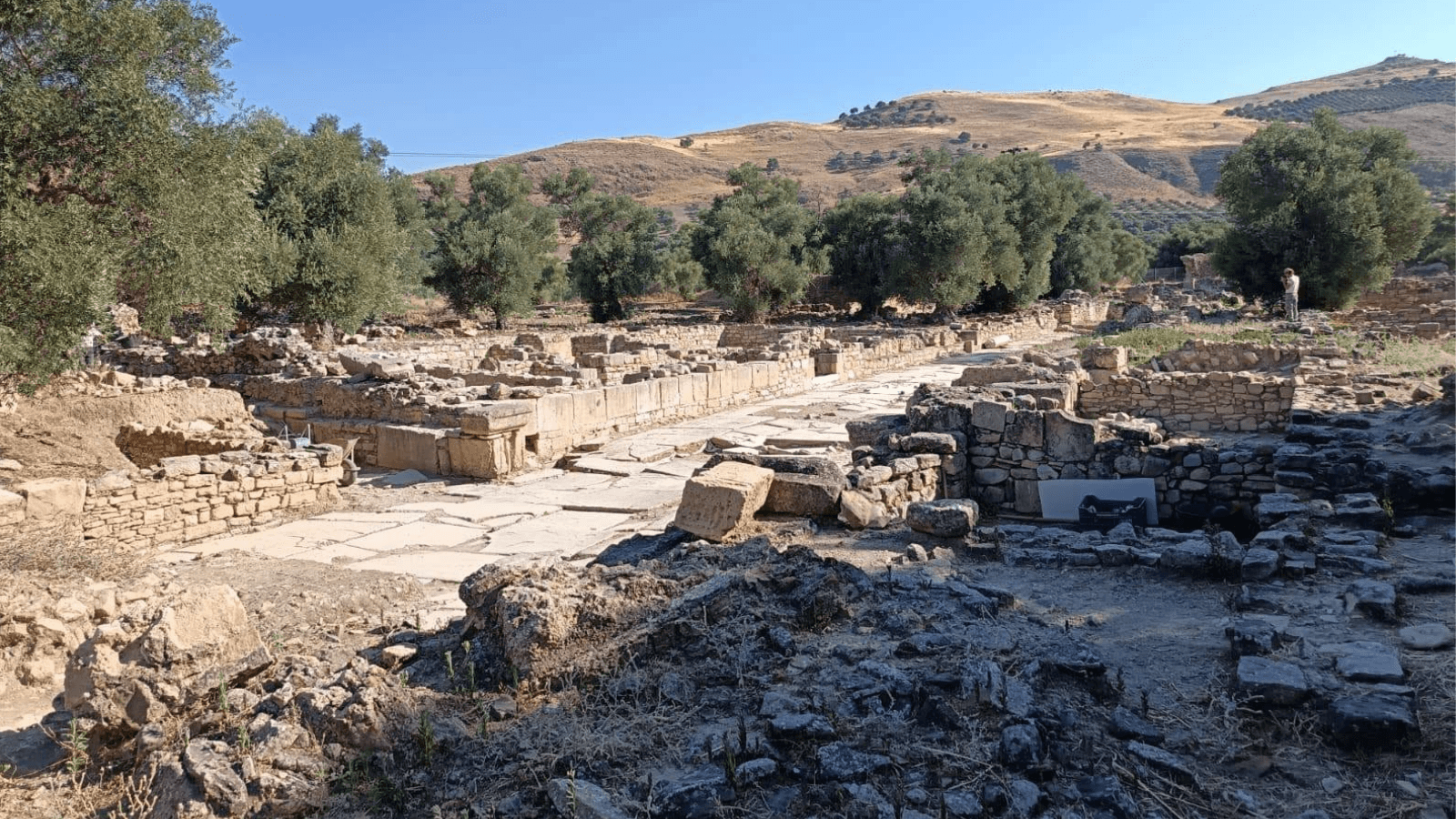
20-Meter Stretch of Ancient Main Street Unearthed at Gortyn in Crete
Archaeologists excavating the ancient city of Gortyn on Crete have uncovered about 20 meters of stone paving from one of the city’s main streets, together with evidence that the route was resurfaced several times during the later centuries of Gortyn’s occupation. The discovery was made along the West Street during the third excavation campaign carried…
-
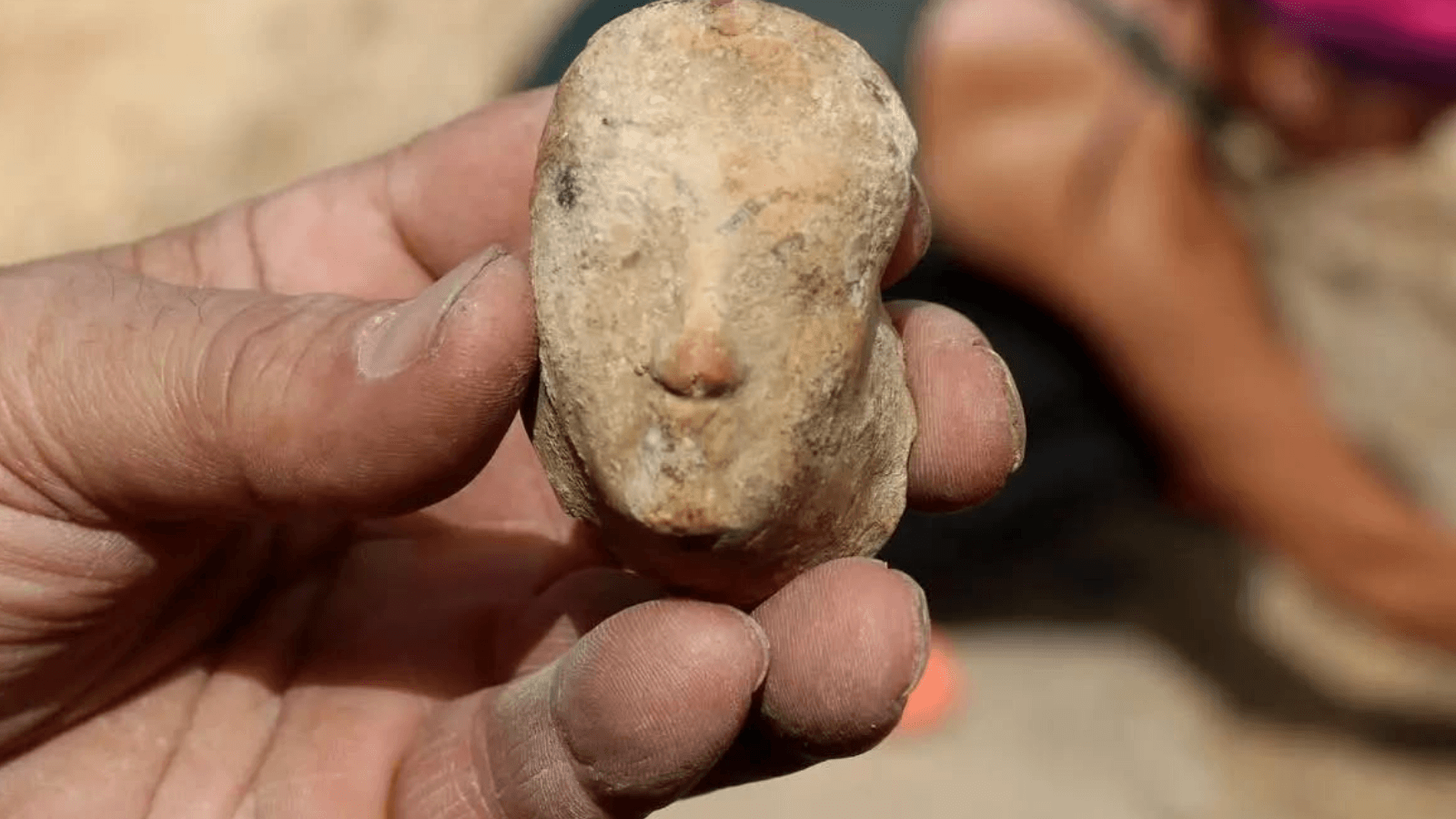
2,500-Year-Old Greek House in Spain Reveals a Painted ‘Siren’ and Traces of Daily Life
Archaeologists excavating the ancient Greek settlement of Empúries in northeastern Spain have uncovered new evidence of daily life inside one of the earliest houses of Neapolis, including a kitchen, storage vessels and an unusual painted female head that may represent a siren. The ceramic fragment dates to the 6th century BC, when the Greek settlement…
-
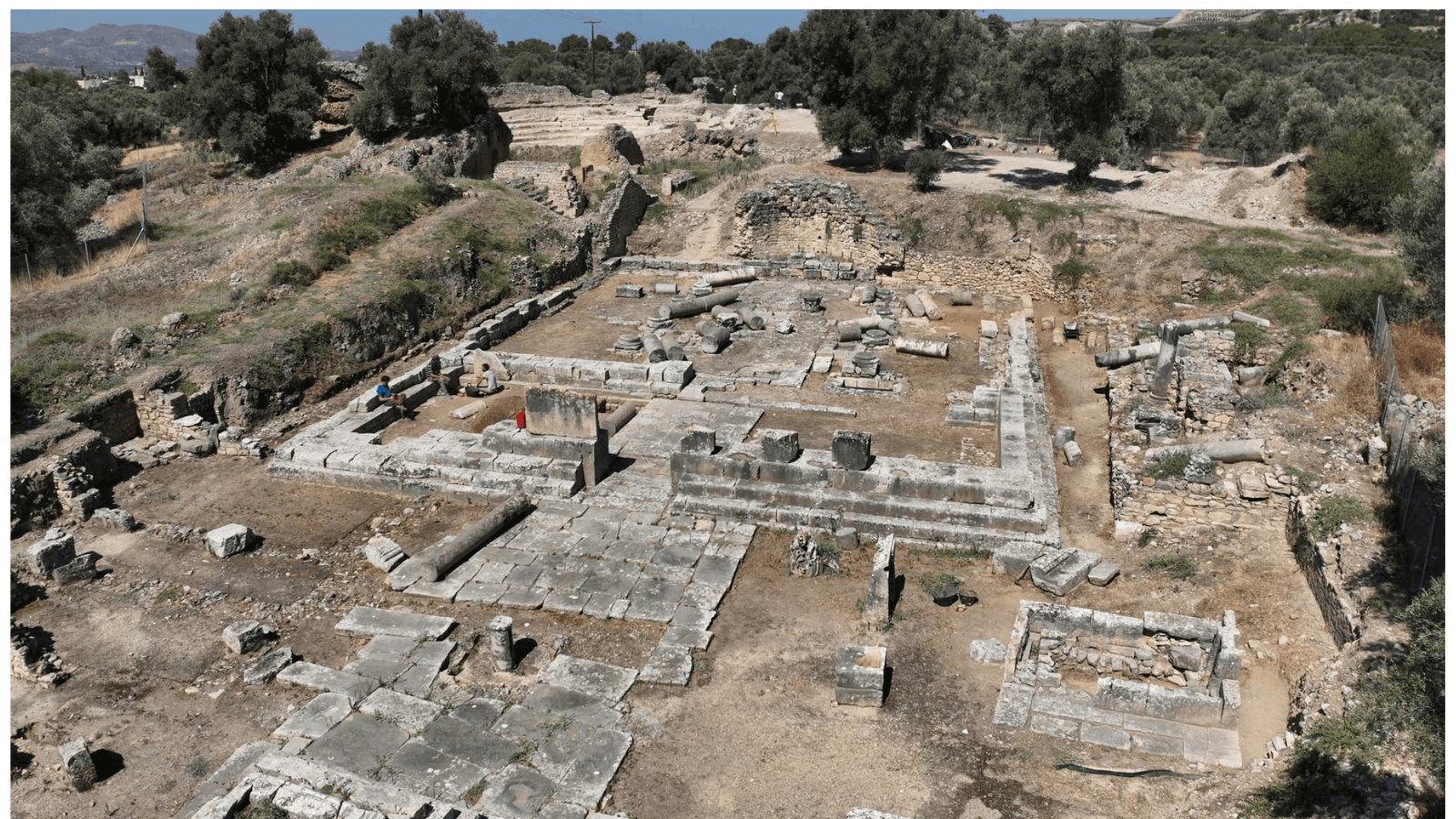
More Than 450 Mice May Reveal an Unknown Apollo Cult at a 2,700-Year-Old Sanctuary in Crete
The remains of more than 450 mice discovered in a votive deposit at an ancient sanctuary in Crete may offer the first archaeological evidence for an Apollo Smintheus cult in Gortyn. The unusual deposit was uncovered in 2025 at the Sanctuary of Apollo, one of the oldest religious complexes associated with the emergence of the…
-
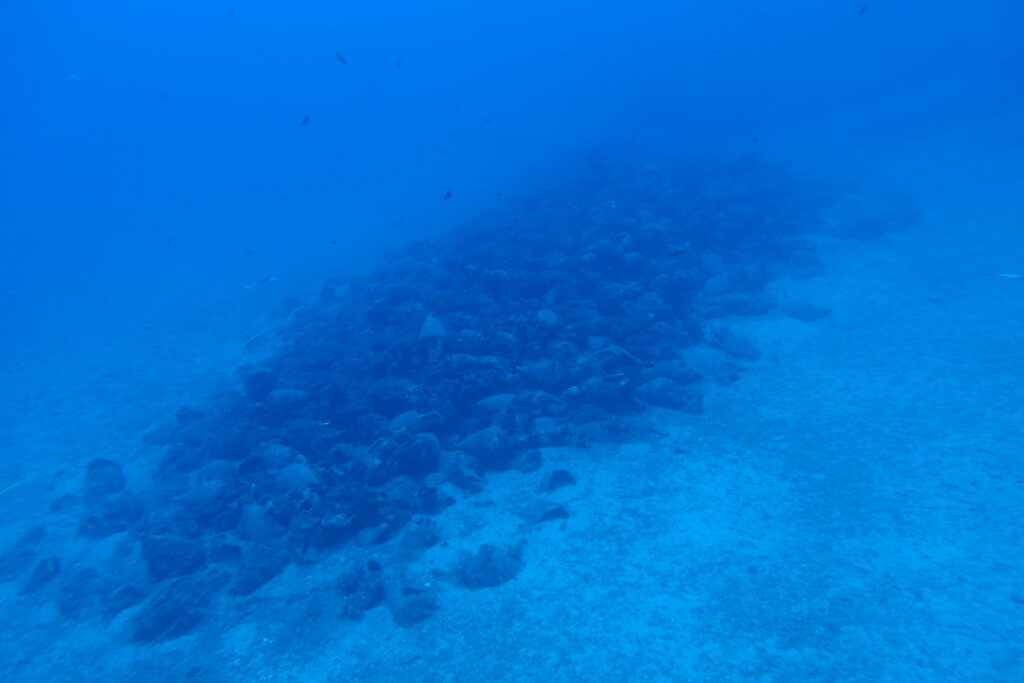
2,400-Year-Old Shipwreck with Up to 650 Amphorae Discovered off Andros
Greek underwater archaeologists have documented the remains of an ancient merchant ship carrying as many as 650 transport amphorae off the island of Andros. The vessel sank between the late fifth and early fourth centuries BC, leaving behind a dense concentration of ceramic containers at a depth of between 39 and 44 metres. The discovery…
-
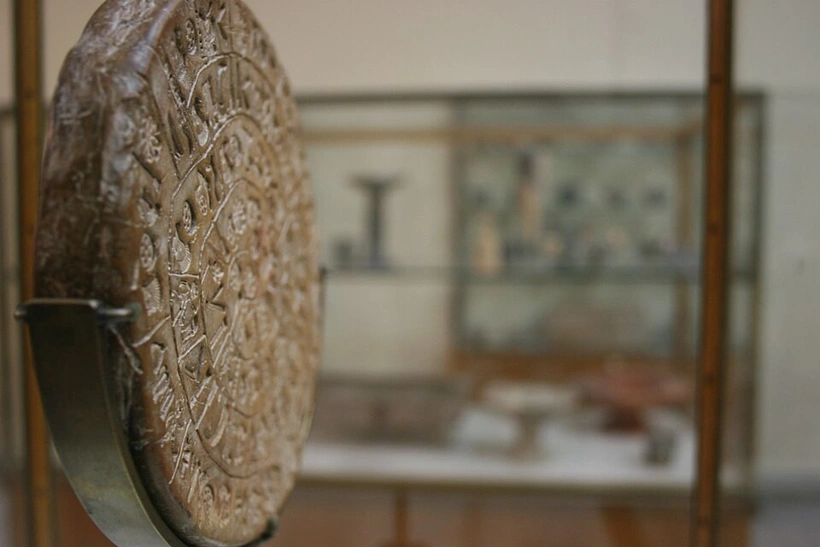
The 3,700-Year-Old Phaistos Disc Has Remained Unread for 118 Years
The Phaistos Disc, discovered on the Greek island of Crete more than a century ago, continues to resist every attempt to decipher its mysterious symbols. Italian archaeologist Luigi Pernier found the Phaistos Disc on July 3, 1908, inside the Minoan palace of Phaistos. Generally dated to around 1700–1650 BC, the object is now approximately 3,700…
-

3,000-Year-Old Cremated Bones in Greek Macedonia Reveal How Ancient Funeral Pyres Were Built
Cremated bones from two Early Iron Age cemeteries near Thessaloniki are helping archaeologists reconstruct a part of ancient funerals that almost never survives: the funeral pyre itself. A new study published in the Journal of Archaeological Science: Reports examined burned human remains from Polichni and Nea Philadelphia, two cemeteries in northern Greece. The burials date…
-
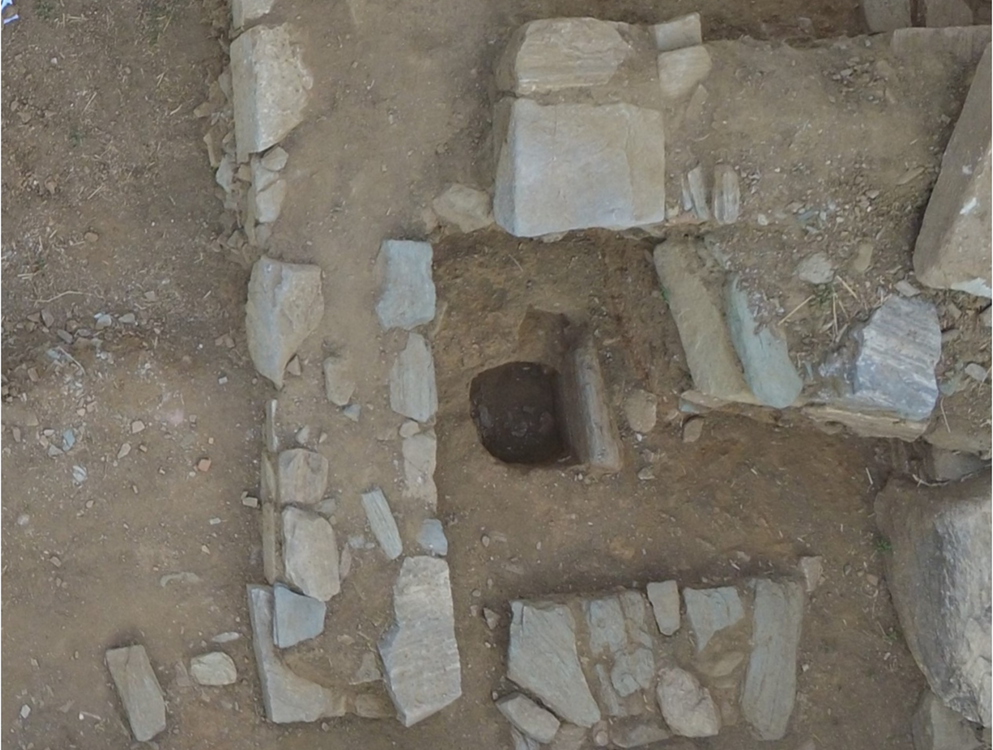
Dark Iron Slags on a Greek Island Reveal a Hidden Industry from the Age After Alexander
Ancient iron slags on Andros are revealing a hidden industrial world from the age after Alexander the Great, when Greek islands, mines and ports became part of the power struggles that reshaped the Hellenistic Aegean. At first glance, the discovery is not spectacular. There is no sword, no royal inscription, no battlefield trophy. The evidence…
-
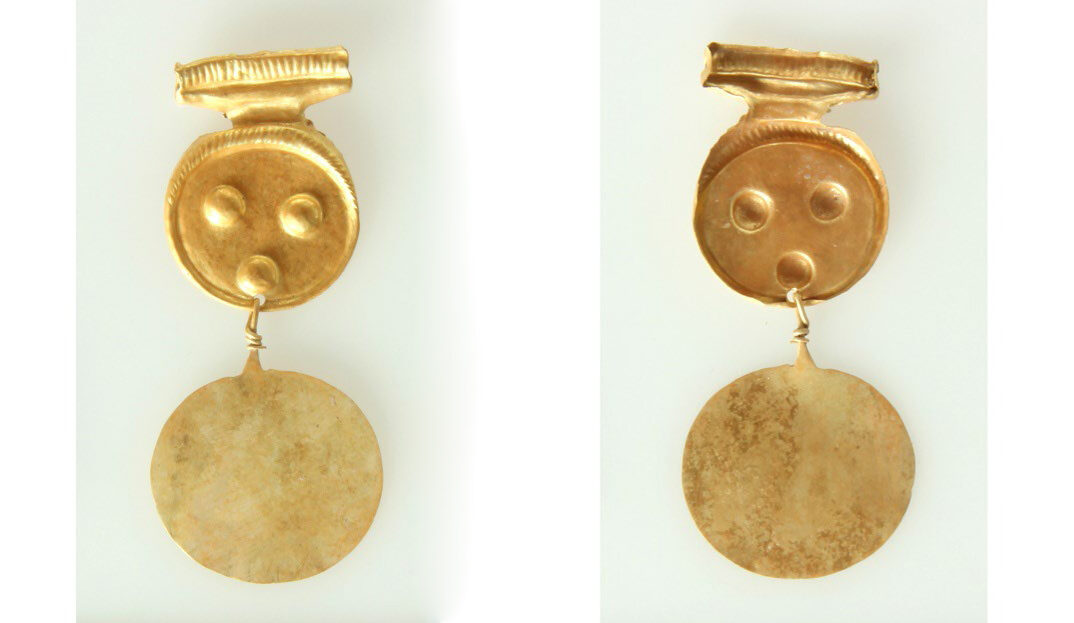
A 3,500-Year-Old Gold Jewelry Set Found on Aegina May Help Unlock a Bronze Age Mystery
That is the case at Kolona on the Greek island of Aegina, where archaeologists have uncovered an exceptional set of Middle Bronze Age gold ornaments dating to the first half of the second millennium BCE. Announced by the Greek Ministry of Culture, the discovery may offer fresh insight into elite identity, funerary customs, and the…