
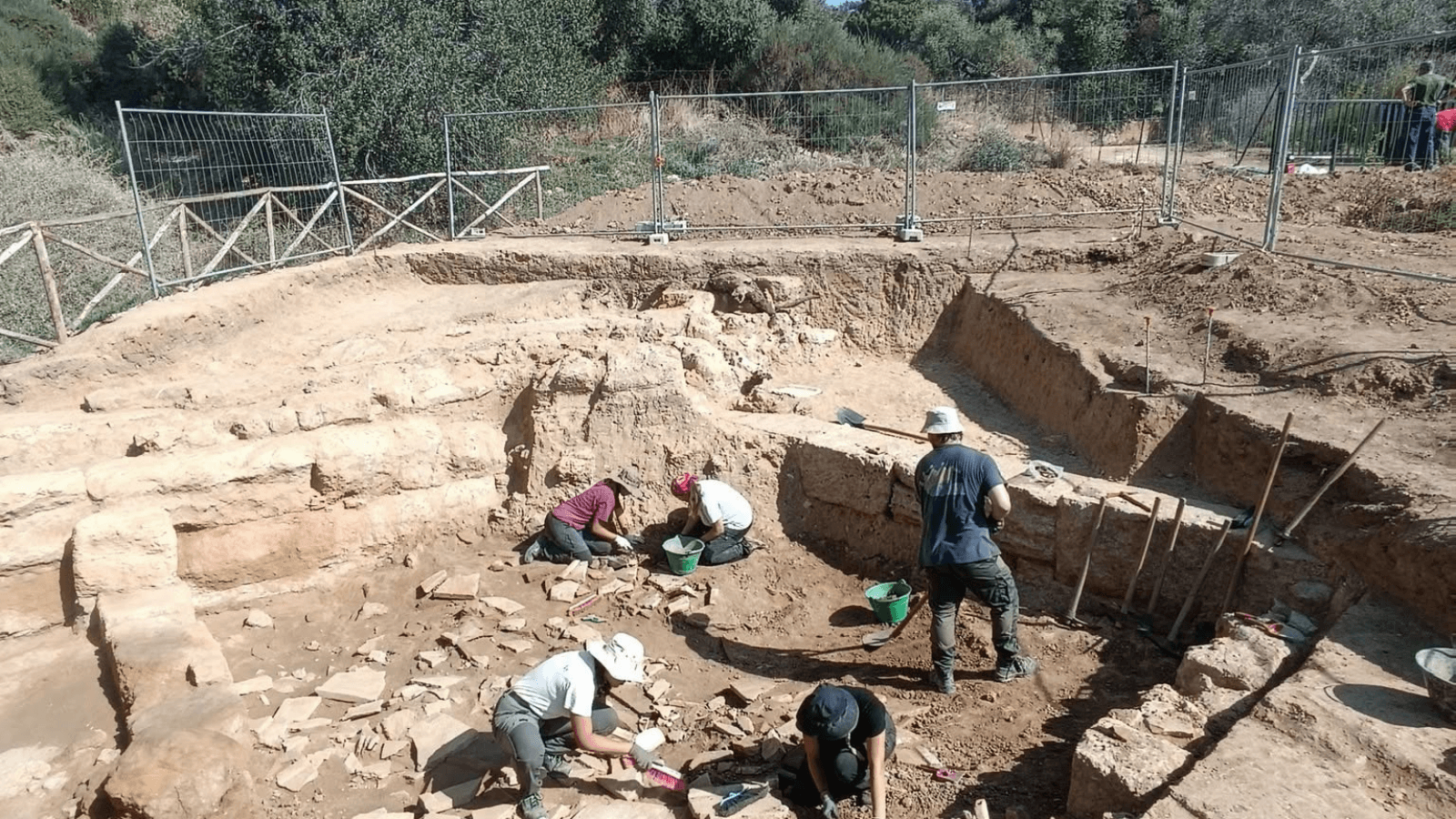
More than 2,400 years after Carthaginian forces captured the ancient Greek city of Akragas in Sicily, archaeologists have uncovered a previously unknown section of the city, including substantial stone walls and buildings buried beneath the debris of their destruction.
The discovery was made at Case Montana, near Agrigento’s famous Valley of the Temples, during excavations conducted by the University of Milan and the Archaeological and Landscape Park of the Valley of the Temples. The remains date to the fifth century BC and have been linked to the Carthaginian siege of 406 BC, one of the most devastating episodes in the city’s history.
Buildings Preserved Beneath the Ruins of Akragas
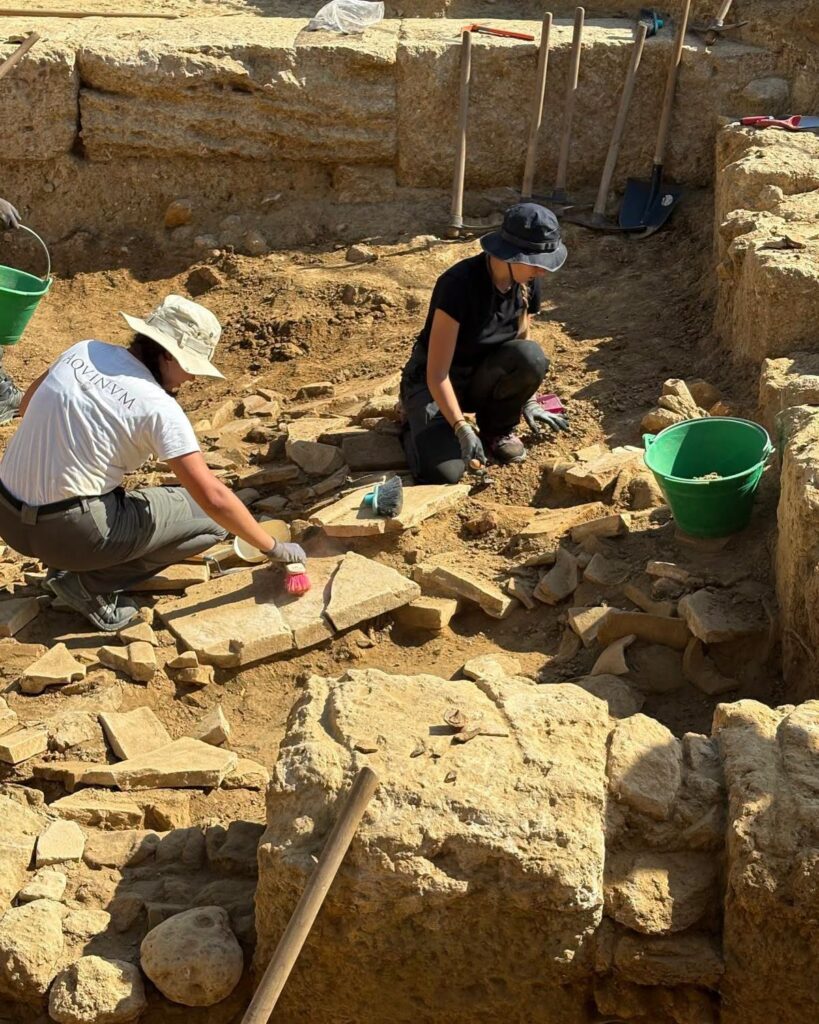
Archaeologists opened two excavation trenches, each measuring approximately 10 by 10 meters, on the Case Montana plateau. Both revealed substantial architectural remains belonging to a previously unknown district of ancient Akragas.
Among the discoveries are massive walls and traces of buildings that researchers associate with destruction during the Carthaginian siege. The structures have remained remarkably well preserved beneath layers of collapsed masonry.
Founded by Greek settlers in the sixth century BC, Akragas grew into one of the wealthiest and most influential cities in ancient Sicily. Its prosperity was reflected in its monumental temples, many of which still dominate the landscape of modern Agrigento.
That prosperity suffered a devastating blow in 406 BC, when Carthaginian forces besieged the city. After months of resistance, much of the population fled, and Akragas fell to the attackers.
The newly exposed remains offer an opportunity to examine part of the city’s architecture before that destruction. Further excavation may help establish the layout and functions of the buildings, which have not yet been fully identified.
Ancient Water Channels Reveal Another Side of the City
The same archaeological campaign has uncovered additional evidence of Akragas’s elaborate water management infrastructure.
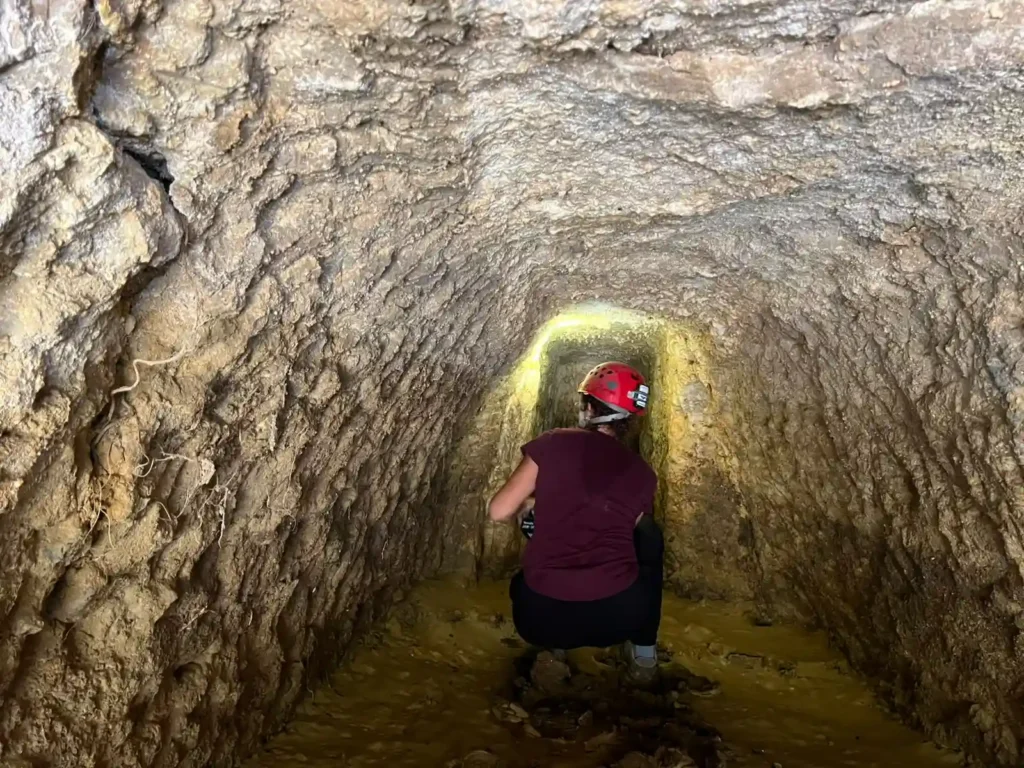
Near the Kolymbethra garden, archaeologists cleared vegetation from a streambed and documented previously unrecorded drainage channels and water conduits. Some were constructed from masonry, while others were carved directly into the local calcarenite bedrock.
The structures may have belonged to the hydraulic system associated with Kolymbethra, an artificial reservoir described by the ancient historian Diodorus Siculus.
According to his account, the reservoir was created in the fifth century BC and formed part of an ambitious water management project. However, the precise relationship between the surviving archaeological features and the reservoir described in ancient texts remains under investigation.
Researchers are also examining an underground structure known as the New Hypogeum, discovered in December 2023. Initially used to collect groundwater, the passage appears to have served different purposes over time, possibly including sheltering animals and supporting agricultural activities in the nineteenth century.
Specialists from the University of Milan and Italy’s National Research Council have collected mineral deposits from underground passages for laboratory analysis. The results could help establish a more precise chronology of the area’s water infrastructure.
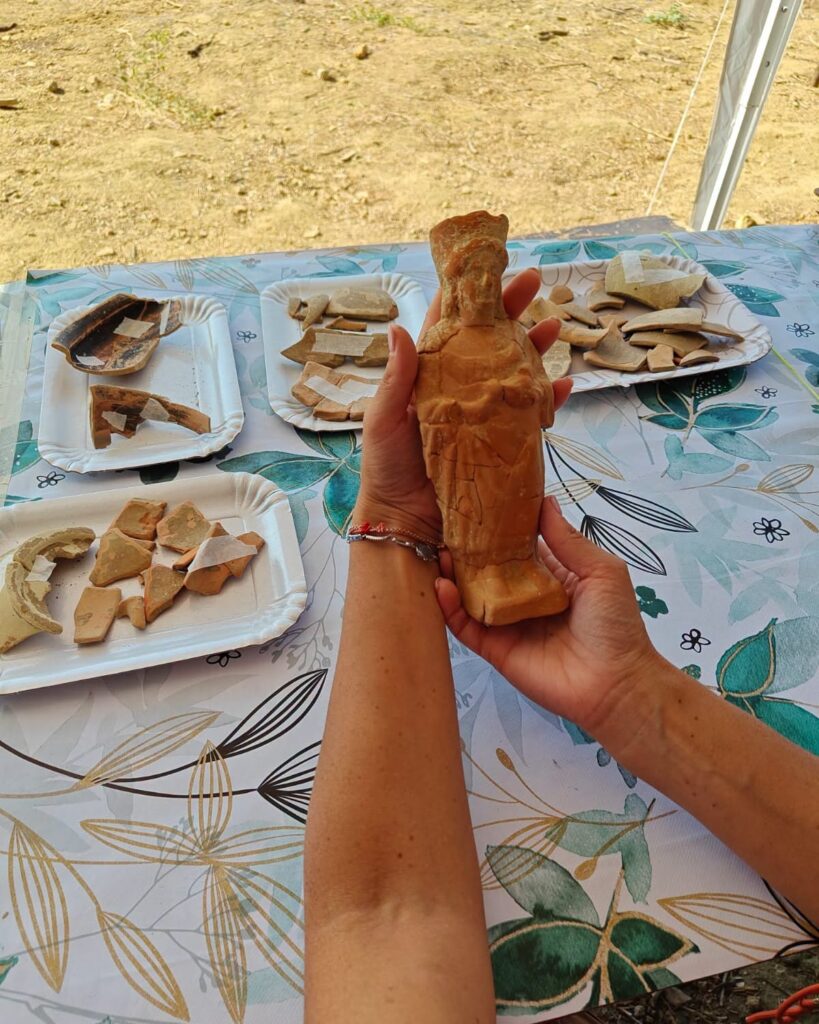
The third excavation campaign, directed by Professor Claudia Lambrugo and archaeologist Maria Concetta Parello, involves 33 students and specialists and is scheduled to conclude on October 24, 2026.
Supported by the Italian heritage organization FAI, the research forms part of a five-year project launched in 2024.
While Akragas is best known for its spectacular Greek temples, the discoveries at Case Montana are bringing a less familiar part of the ancient city into view: its buildings, water systems, and the physical traces of a siege that changed its history.
Cover Image: Excavations at Case Montana in ancient Akragas, Sicily, have revealed substantial architectural remains associated with the destruction of the city during the Carthaginian siege of 406 BC. Credit: Parco Archeologico e Paesaggistico della Valle dei Templi