-
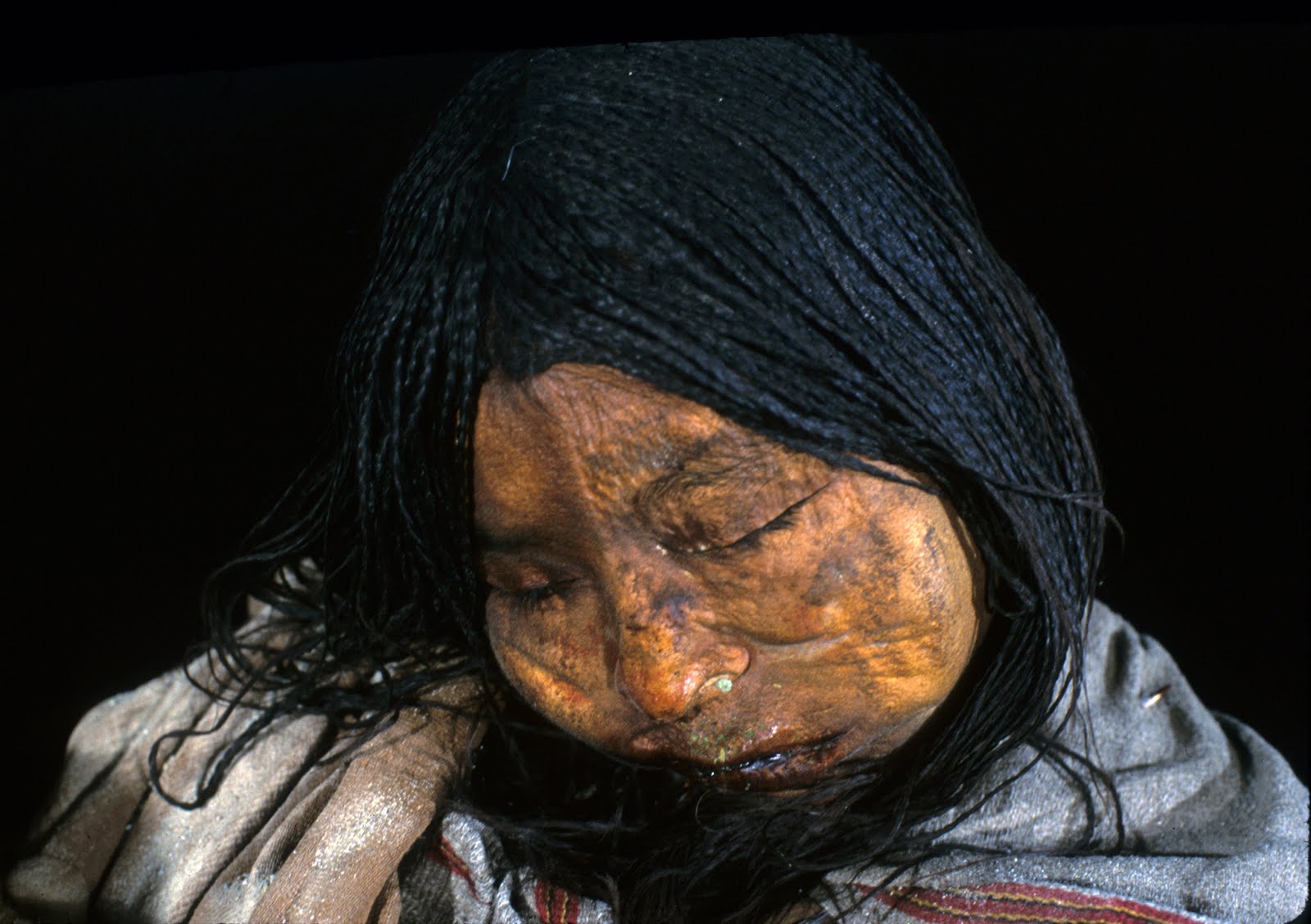
Offerings Buried With the Llullaillaco Maiden Reveal When the Famous Inca Child Was Sacrificed
Frozen near the summit of a volcano, the Llullaillaco Maiden has looked almost untouched by time for more than 500 years. Now, maize, cassava and coca leaves buried beside her have helped researchers place her death more precisely in history. A new study suggests that the famous Inca capacocha ceremony took place around 1499, during…
-
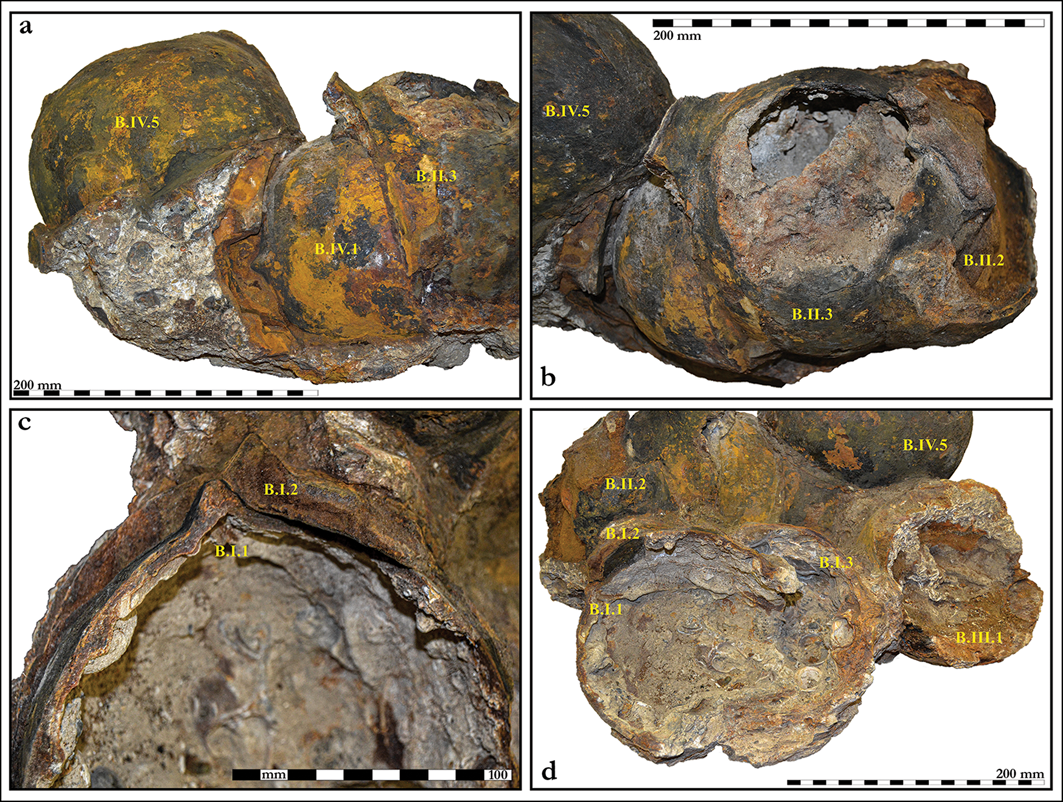
600-Year-Old Helmets Found off Spain’s Coast Were Not Roman After All
Medieval helmets found off Spain’s coast have overturned a long-standing archaeological assumption. For decades, a group of iron helmets recovered from the seabed near Benicarló, in eastern Spain, seemed to belong to the ancient Mediterranean world. They had been found in the same underwater zone as Roman anchor stocks, amphorae and bronze helmets, so the…
-
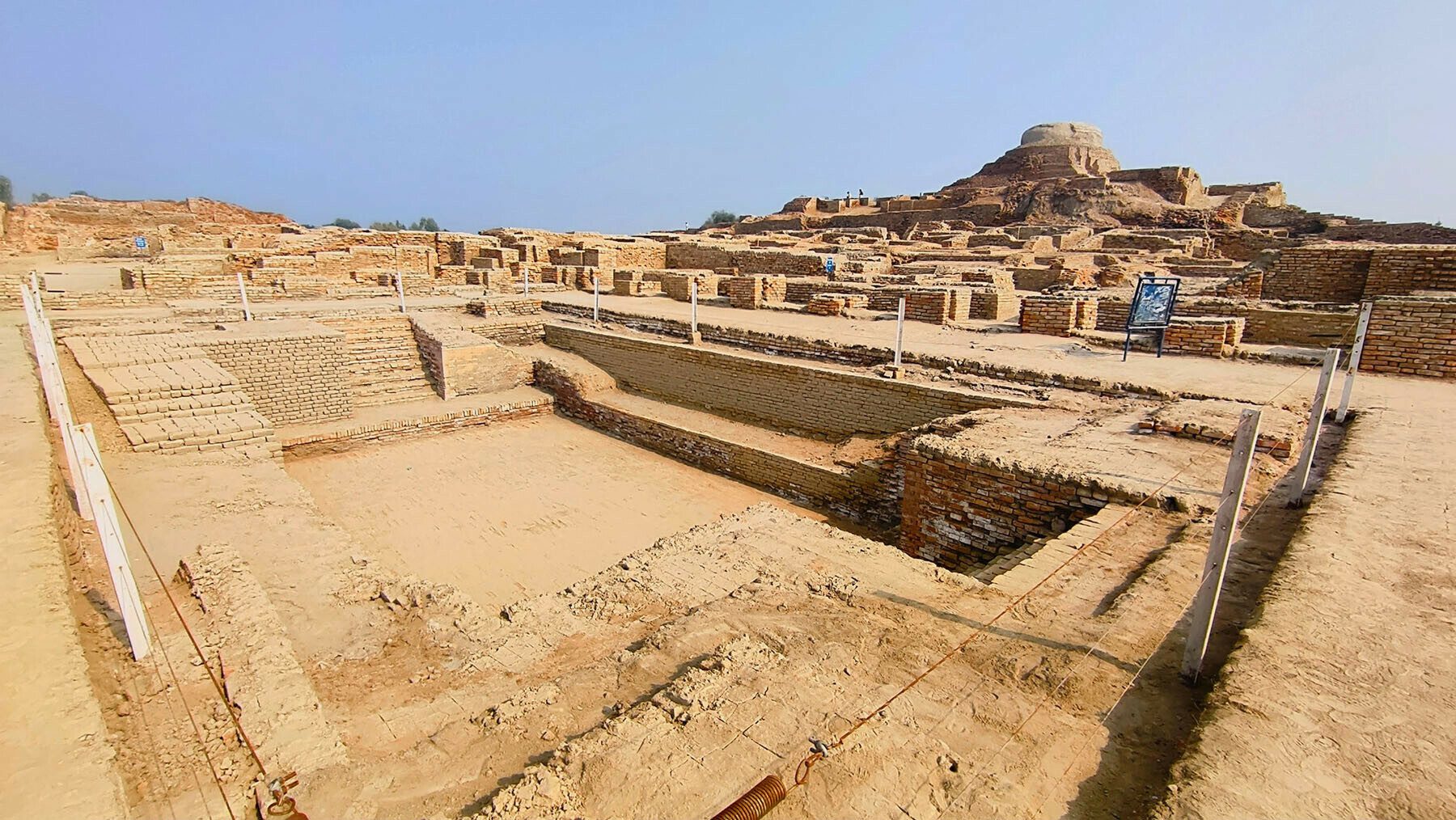
New Radiocarbon Dates Reveal Mohenjo-daro’s Urban Roots Predate the Mature Harappan Phase
New excavations at Mohenjo-daro have pushed the origins of urban development at the site further back than previously established. Radiocarbon dates obtained from a massive mud-brick city wall show that its earliest construction began around 2700–2600 BCE, placing it at the end of the Early Harappan (Kot Diji) phase—before the rise of the Mature Harappan…
-

5,500-Year-Old Settlement Discovered on Lake Titicaca Island, Bolivia—Rewriting Early Andean History
A windswept island rising from the waters of Lake Titicaca—long revered in Andean cosmology—has revealed a far deeper human past than anyone expected. New scientific analysis shows that people were living on Bolivia’s Island of the Sun as early as 3500 BC, pushing the timeline of settlement in the Titicaca Basin back by centuries. This…
-

The Oldest Story Painted in the Americas? Rock Art in Texas and Mexico Carried a Single Message for 4,000 Years
Deep inside the limestone canyons that cut across the borderlands of Texas and northern Mexico, ancient murals stretch across cliff walls in sweeping tapestries of color. For decades, archaeologists knew they were old—what they did not know was how old, or how far their cultural influence may have travelled. A new study in Science Advances…
-
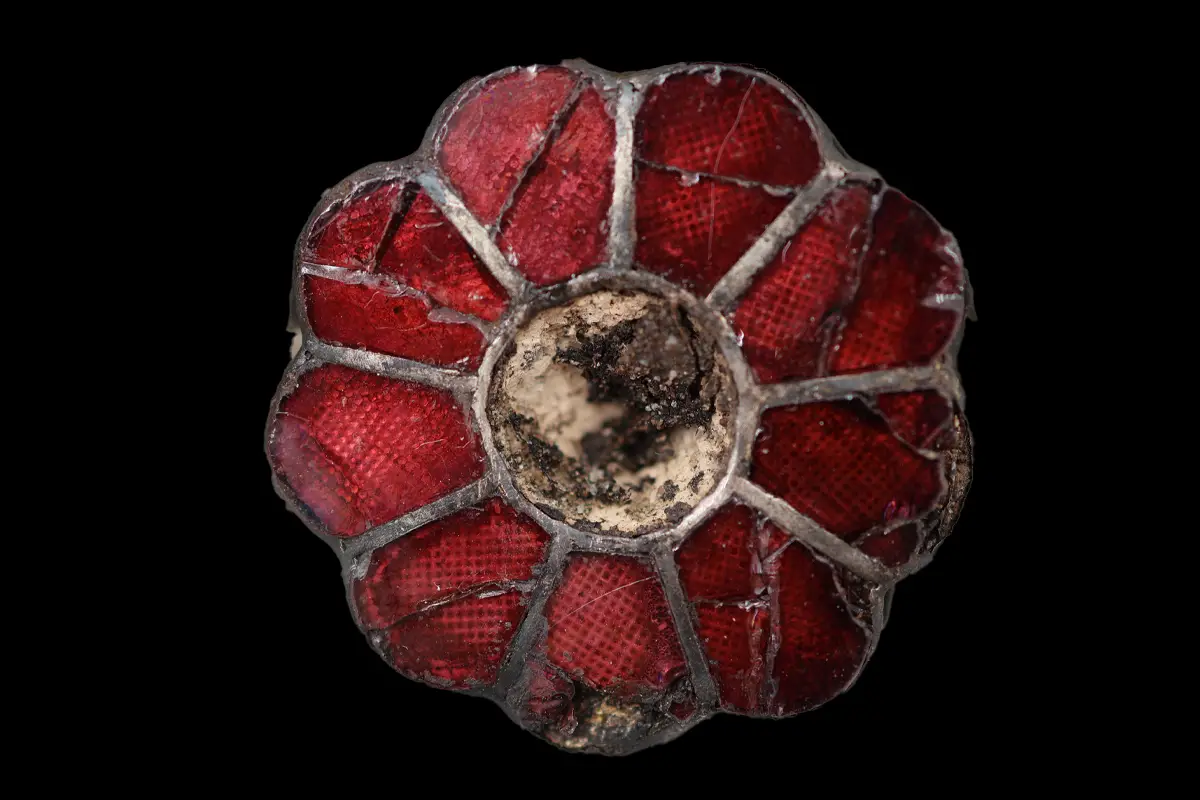
Burials Reveal Turbulent Life and Early Migrations in Pre-Bavarian Bavaria
A quiet excavation in southeastern Bavaria has turned into one of the most informative early medieval discoveries of recent years. Archaeologists working near Bad Füssing in the district of Passau uncovered a cemetery that forces a major rethink of how communities lived, moved, and fought in the Inn Valley as Roman power collapsed. A Cemetery…
-
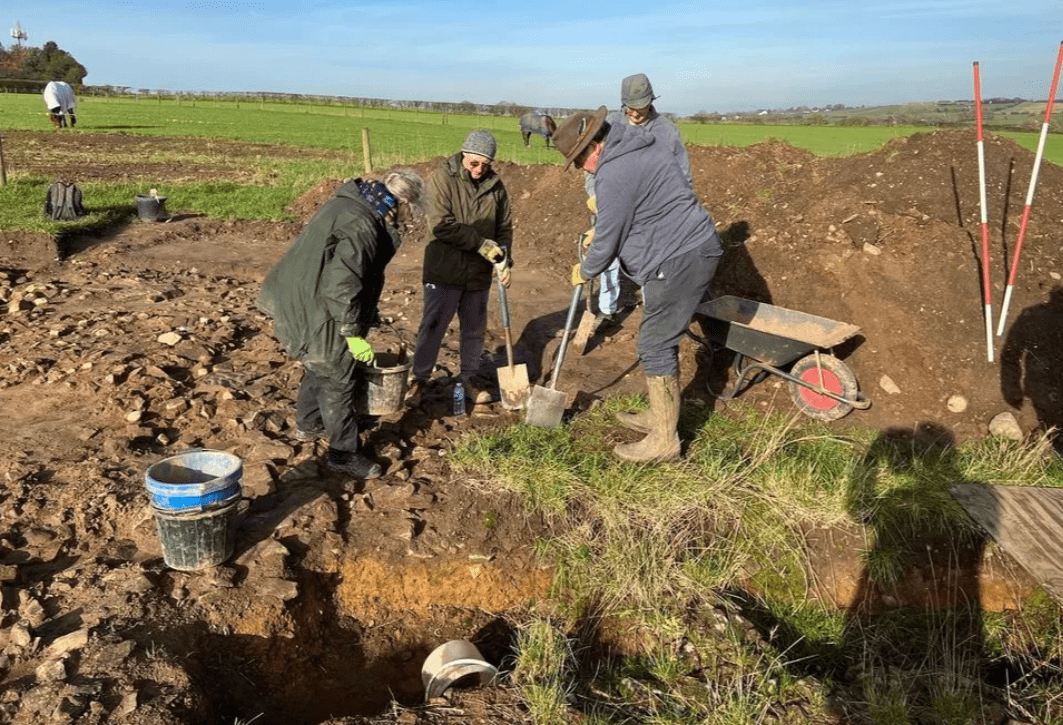
Wigan Archaeologists Uncover a 4,000-Year-Old Neolithic Henge and Bronze Age Cemetery
On a quiet stretch of farmland near the outskirts of Wigan, northern England, a team of volunteers have stumbled upon what could be one of the region’s most remarkable prehistoric finds — a 4,000-year-old Bronze Age cemetery that may sit atop an even older Neolithic henge. Members of the Wigan Archaeological Society, who have been…
-
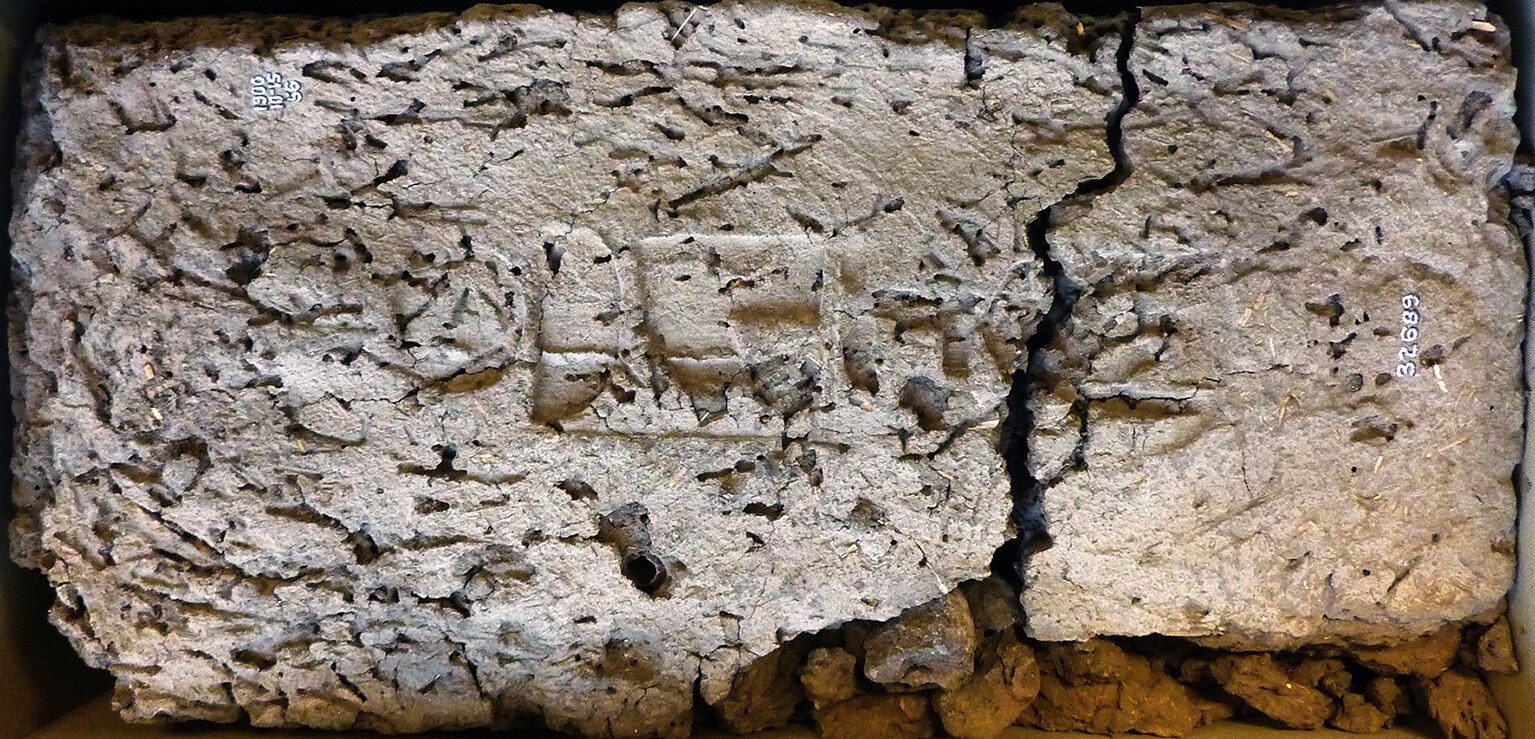
Radiocarbon Dating of Egyptian Artifacts Redefines the Timeline of the Thera Eruption
A new radiocarbon analysis of Egyptian artifacts has reignited one of archaeology’s longest-standing debates — the precise timing of the catastrophic Thera (Santorini) eruption, one of the largest volcanic events of the last 10,000 years. Researchers from Ben-Gurion University of the Negev and the University of Groningen have, for the first time, obtained radiocarbon dates…
-

AI-Powered New Study Pushes Back the Timeline of the Dead Sea Scrolls
A groundbreaking study from the University of Groningen has combined artificial intelligence with advanced radiocarbon dating techniques to reexamine the age of the Dead Sea Scrolls, revealing that some of these ancient manuscripts may be up to 150 years older than previously thought. The findings, published in PLOS ONE, offer new insights into the historical…