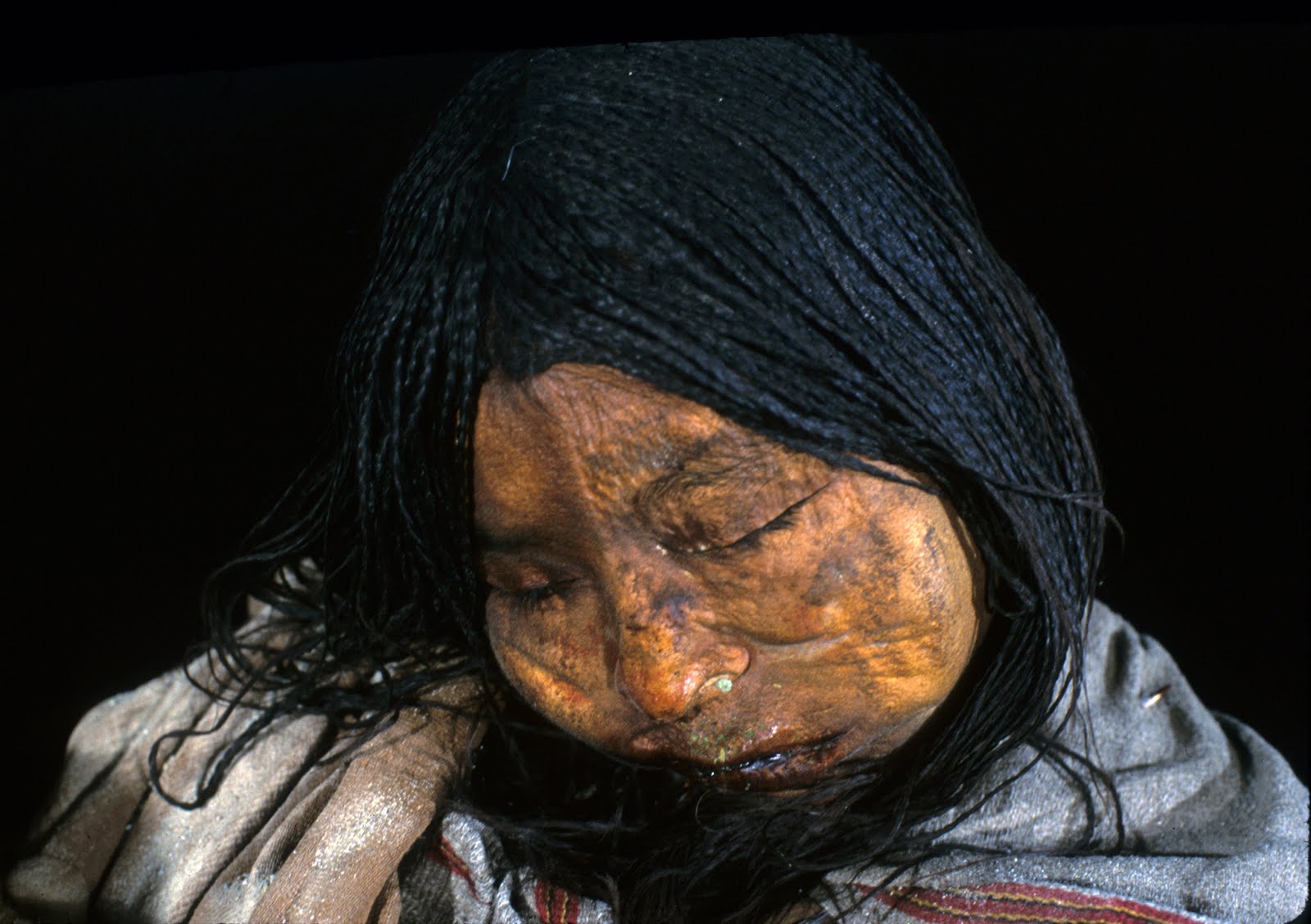
Frozen near the summit of a volcano, the Llullaillaco Maiden has looked almost untouched by time for more than 500 years. Now, maize, cassava and coca leaves buried beside her have helped researchers place her death more precisely in history.
A new study suggests that the famous Inca capacocha ceremony took place around 1499, during one of the most powerful and expansive phases of the Inca Empire. The results narrow a long-standing chronological gap and offer a sharper view of how ritual, religion and imperial politics may have met on one of the highest archaeological sites in the world.
The findings were published in the journal Archaeometry.
A frozen sacrifice high in the Andes
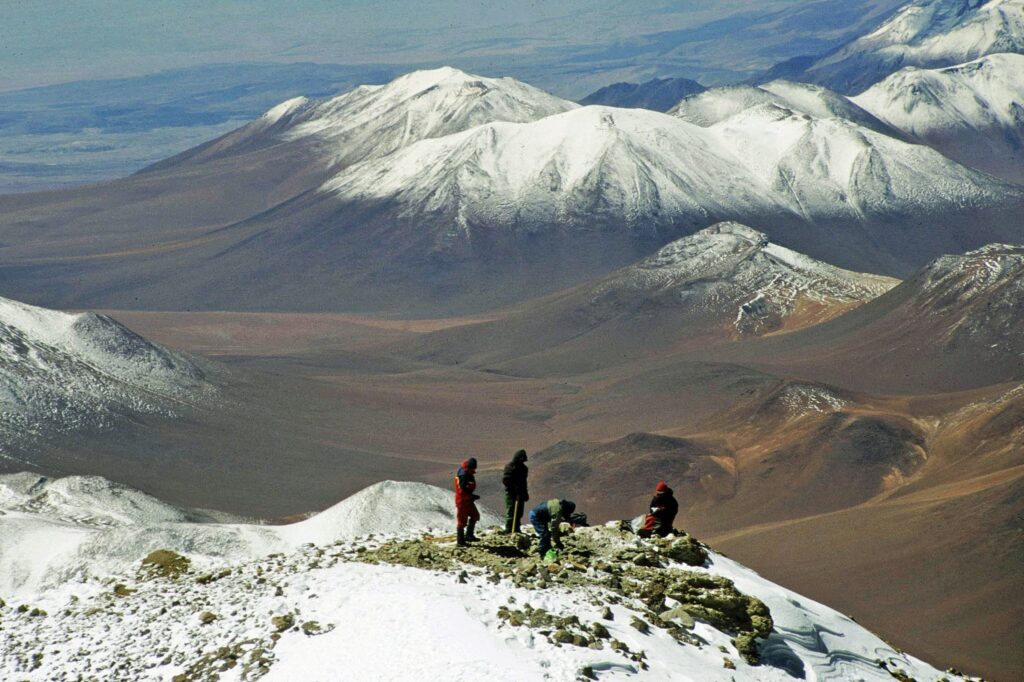
The Llullaillaco Maiden, also known as the Girl of Llullaillaco or La Doncella, was one of three Inca children discovered in 1999 near the summit of Llullaillaco volcano, on the border of present-day Argentina and Chile. The site lies almost 6,700 meters above sea level.
The children were victims of capacocha, a major Inca ritual in which selected children were offered at sacred places, including mountain and volcanic summits. In Inca belief, these children were not ordinary victims. They were seen as intermediaries between humans and the gods, entrusted with carrying prayers, loyalty and offerings into the divine world.
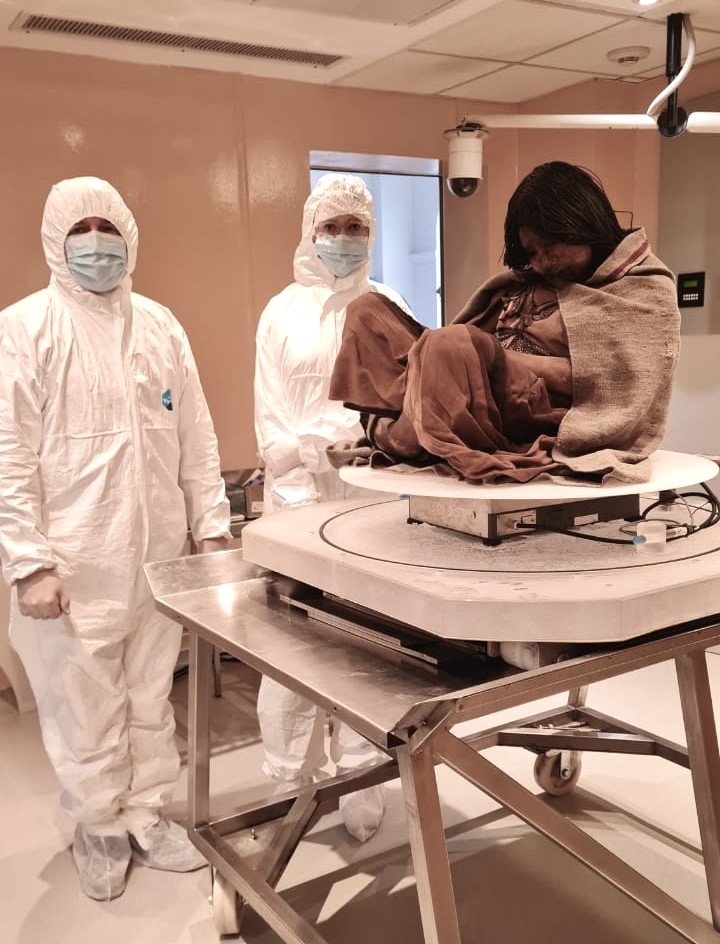
The conditions on Llullaillaco preserved the bodies with extraordinary clarity. Extreme cold, dry air and high altitude kept the mummies in a state rarely seen in archaeology. Dr. Dagmara Socha of the University of Warsaw, who studies Inca mummies, described them as among the best-preserved mummies in the world and noted that the site is also one of the highest archaeological locations ever documented.
Among the three children, the Maiden became the most famous. Her face, clothing and posture made her one of the most recognizable figures from the Inca past.
The plants that fixed the date
Until now, the timing of the ritual had remained frustratingly broad. Earlier dating placed the children’s sacrifice sometime between 1430 and 1520. That range left the ceremony floating across several possible political moments in Inca history.
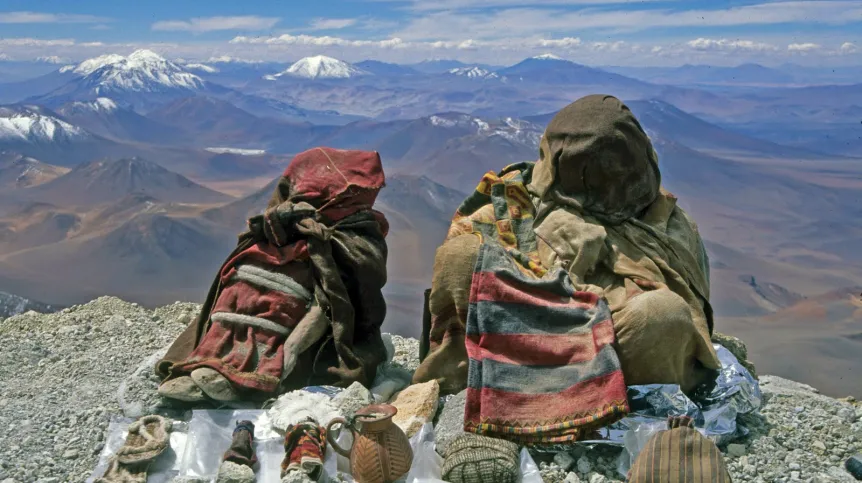
The new research took a different route. Instead of focusing on the mummy itself, the team dated organic offerings placed in the burial: maize, cassava, also known as manioc, and coca leaves. These plants were found with the girl alongside figurines, ceramics and textiles.
The shift in material is crucial. Such offerings would probably have been collected relatively shortly before the ceremony. That makes them a closer marker for the timing of the ritual than samples taken only from the body.
Dr. Dominika Sieczkowska-Jacyna of the Silesian University of Technology said radiocarbon dating of these plants allows researchers to get closer to the actual moment of the ceremony, because the food and coca leaves were likely gathered shortly before the sacrifice.
The study was carried out by researchers from the University of Warsaw, the Silesian University of Technology, AGH University of Krakow, Cornell University, the Museum of High Altitude Archaeology in Argentina and the National Geographic Society.
Around 1499, at the height of Inca power
The results suggest that the capacocha ceremony most likely took place between 1462 and 1507. The most probable date is around 1499.
That reduces the earlier dating range from almost 90 years to about 45 years. More importantly, the new date places the death of the Llullaillaco Maiden in the years when the Inca state was expanding and tightening its control over the southern Andes.
This was the age of two major Inca rulers: Topa Inca Yupanqui and his successor Huayna Capac. The researchers caution that the ceremony cannot yet be assigned with certainty to either ruler. Still, the new chronology fits the period when the empire’s southern territories were being drawn more firmly into the Inca political system.
At its height, the Inca Empire stretched from present-day Ecuador through Peru and Bolivia into central Chile and northwestern Argentina. Its power did not rest only on roads, armies and administration. Sacred landscapes also mattered. Mountains, shrines and offerings helped bind distant regions to the imperial center at Cuzco.
A ritual with political weight
The new date does not turn the Llullaillaco Maiden into a political symbol alone. Capacocha was deeply religious. But in the Inca world, religion and state power were closely connected.
Dr. Sieczkowska-Jacyna noted that placing the sacrifice during a period of expansion and consolidation changes how the ritual can be understood. The ceremony may have honored sacred places and divine powers, but it may also have strengthened Inca authority in newly subordinated regions.
Colonial sources mention Huayna Capac traveling to southern provinces and making rich offerings to the gods. The new date does not prove that the Llullaillaco ceremony belonged to that specific journey. It does, however, make the historical setting more precise.
The study moves the Llullaillaco Maiden out of the realm of an isolated archaeological wonder and back into the machinery of Inca history. Her burial was not only a frozen moment on a mountain. It may have been part of a wider system through which the empire marked territory, displayed devotion and made power visible in the landscape.
For years, the Llullaillaco Maiden was known mainly for how perfectly time had preserved her. The new evidence adds something colder and sharper: a date, a political moment and a place inside the final century of Inca power.