-
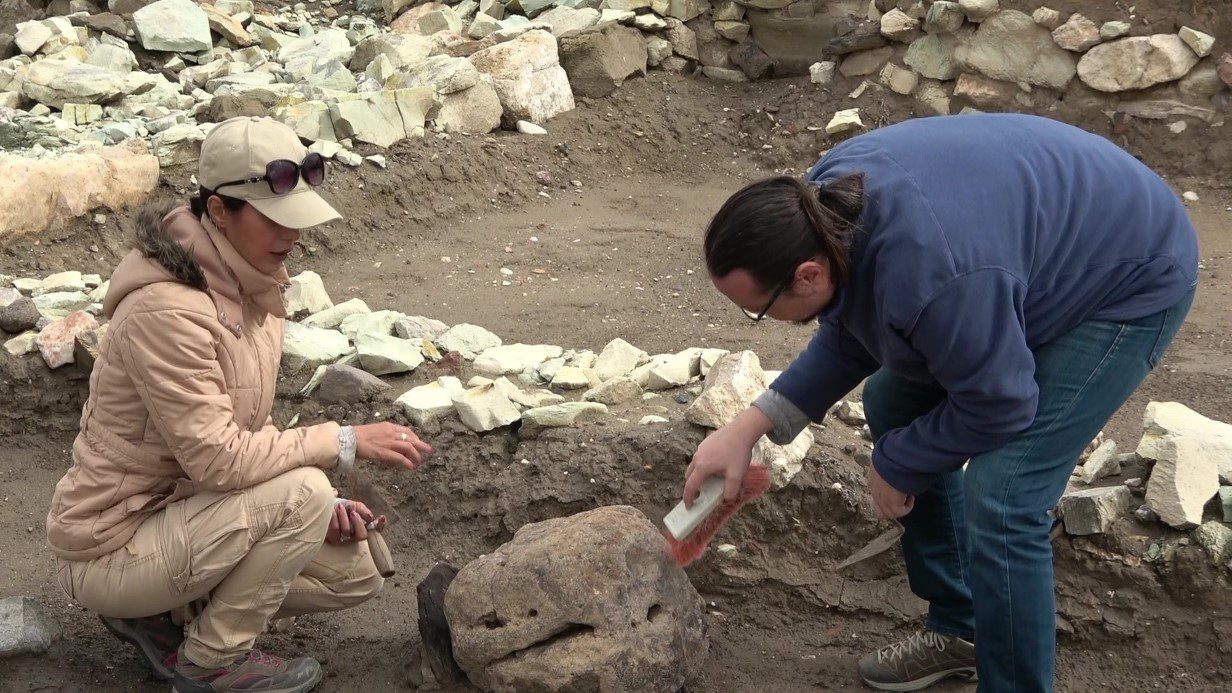
Possible Phoenician Infant Burials Discovered Deep in Anatolia Raise New Questions About Ancient Rituals
Archaeologists excavating the ancient mound of Oluz Höyük in central Anatolia have uncovered a group of infant and fetal burials that may point to Phoenician ritual practices far beyond their traditionally known Mediterranean heartland. Placed inside ceramic jars and carefully arranged within a sacred context, the burials are unprecedented in Anatolia and are now prompting…
-
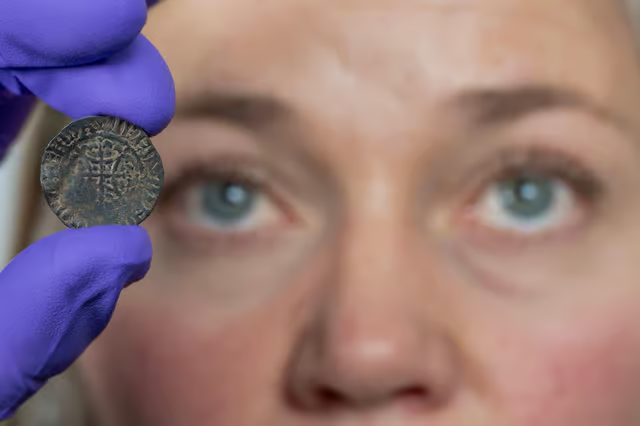
The Oldest Coin Ever Minted in Scotland Was Discovered Near Edinburgh by a Metal Detectorist
A silver coin struck nearly 900 years ago has emerged as the earliest known example of coinage ever minted in Scotland, following its discovery near Edinburgh by a metal detectorist. The find, uncovered in a wooded area close to Penicuik in Midlothian, is now officially part of the national collection after being allocated to National…
-
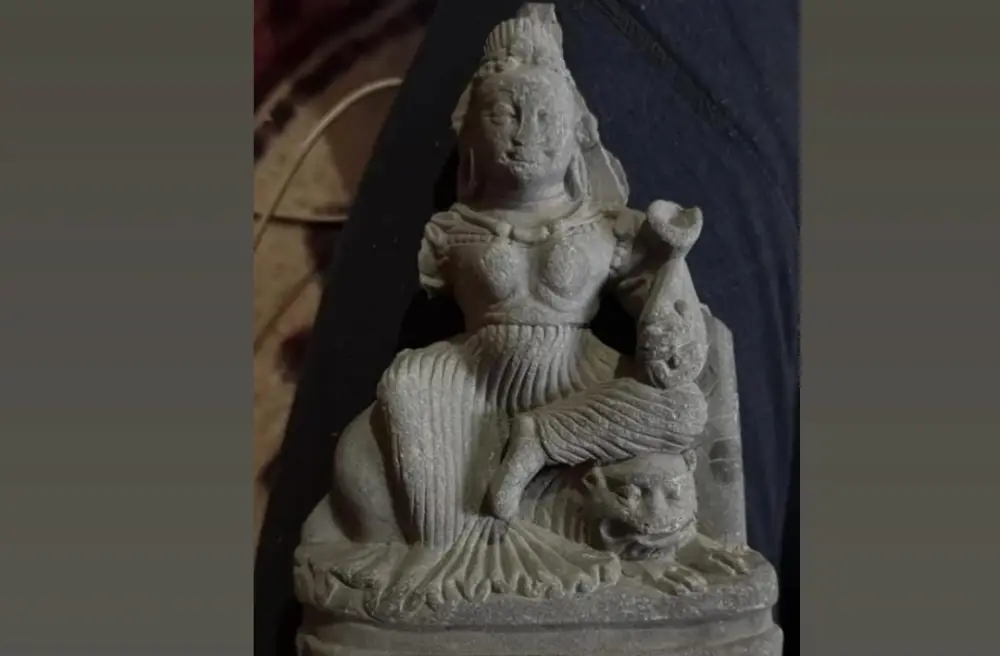
Ancient Idol of Goddess Durga Found in Kashmir’s Jhelum River
An ancient stone idol identified as the Hindu goddess Durga has been recovered from the Jhelum River, revealing a striking material trace of Kashmir’s deep and often hidden religious past. The sculpture was found along the Baramulla stretch of the river, partially embedded in silt, and immediately drew the attention of local authorities and heritage…
-
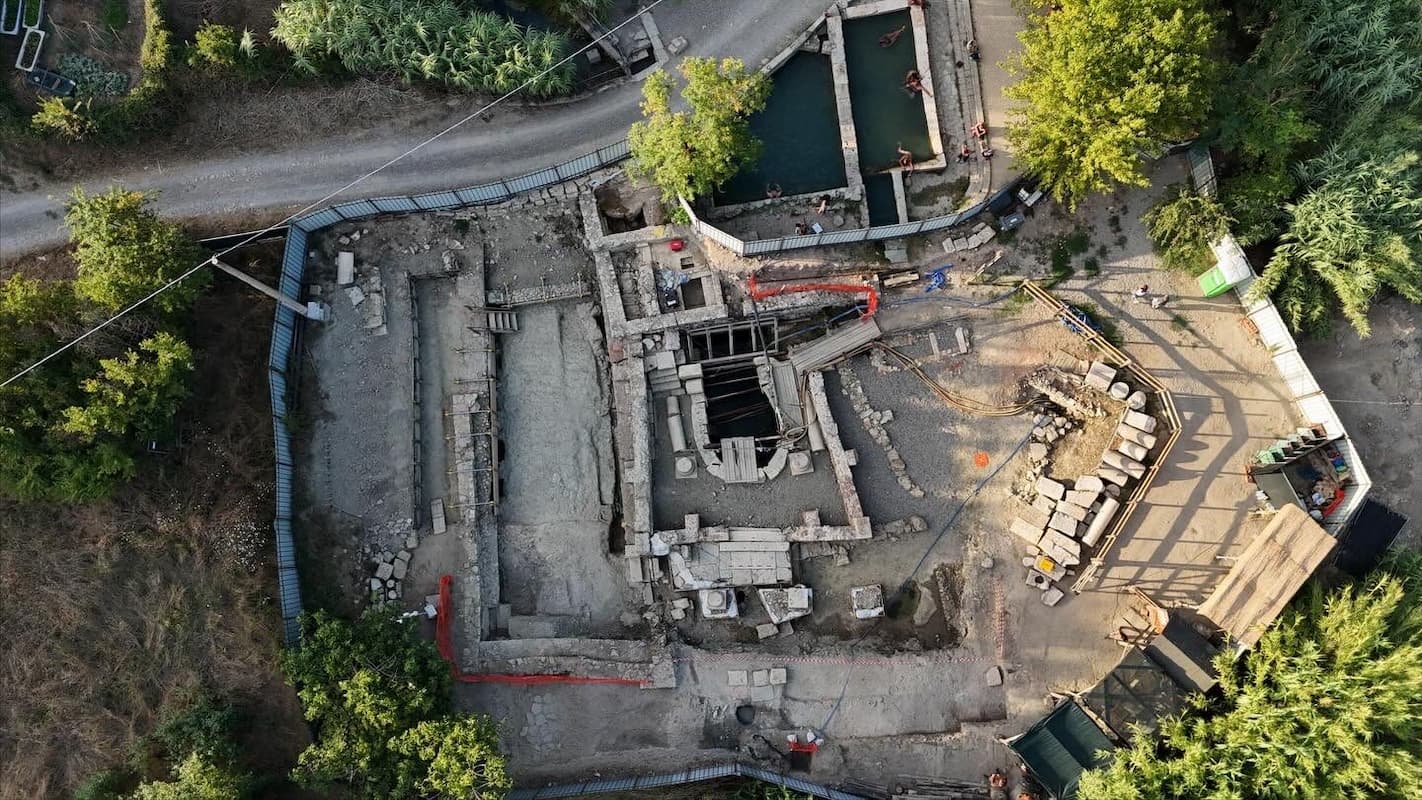
An Etruscan Medical School Emerges at San Casciano dei Bagni
New discoveries from the 2025 excavation season at the Bagno Grande Sanctuary in San Casciano dei Bagni are forcing scholars to rethink the boundaries between religion, medicine, and scientific knowledge in the ancient Mediterranean. Long understood primarily as a thermal healing sanctuary, the site now appears to have functioned as one of the most sophisticated…
-
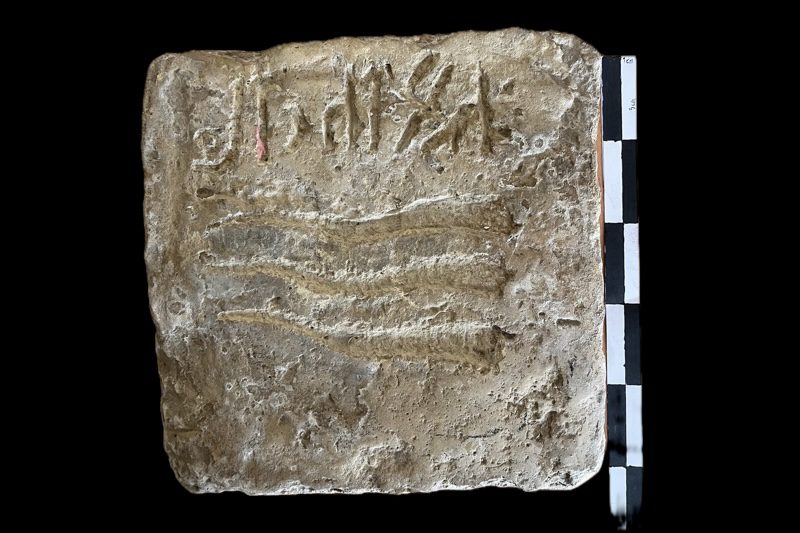
A 1,100-Year-Old Turkic Inscription Linked to the Oghuz Discovered in Kazakhstan
A modest stone kept for years inside a small school museum in southern Kazakhstan is now reshaping scholarly views on early Turkic literacy. Identified in August 2025, the Kultobe Inscription provides rare evidence that the Oghuz Turks were using written Turkic well before the 13th century—long before Oghuz Turkic is traditionally thought to have emerged…
-
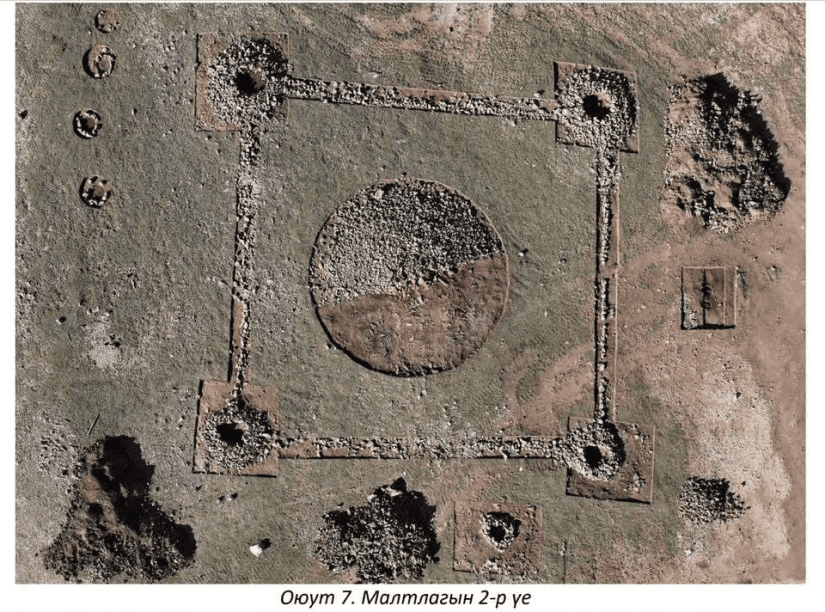
Copper Surveys in Mongolia Uncover 3,000-Year-Old Nomadic Burial Mounds
Geological surveys conducted at Mongolia’s Oyut Deposit have unexpectedly revealed a series of ancient nomadic burial mounds, shedding new light on funerary traditions that span from the Bronze Age to the medieval period. What began as a search for copper has instead exposed a ritual landscape shaped by steppe communities more than three millennia ago.…
-
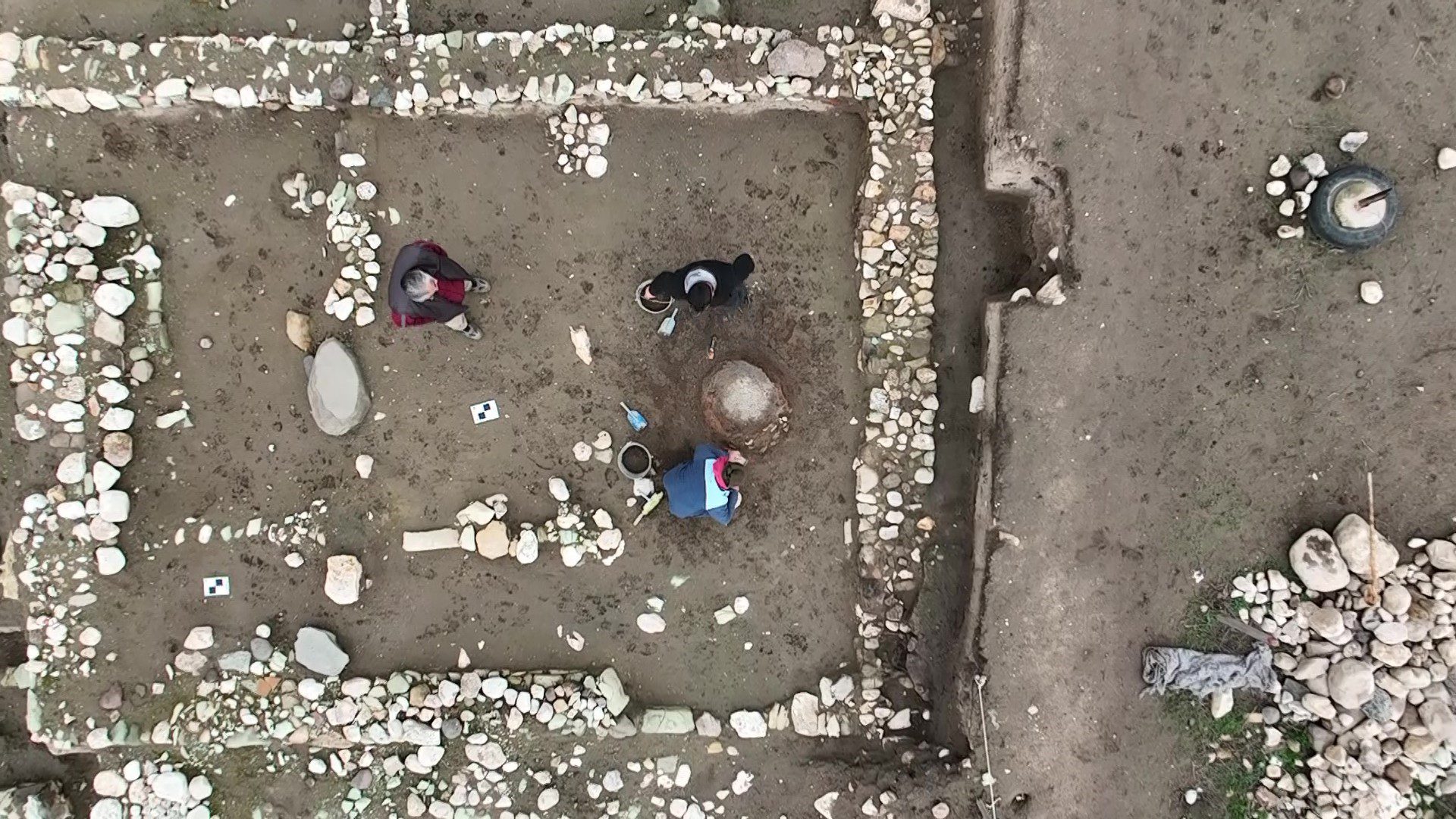
Turkish Archaeologists Unearth a 2,600-Year-Old Tandoor at Oluz Mound
Cut into the ground and built from fired clay, the oven uncovered at Oluz Mound does not immediately look ancient. Its shape, depth, and construction resemble the tandoors still used in many parts of Anatolia today. Yet archaeological evidence shows that this installation dates back 2,600 years, to a time when the region formed part…
-
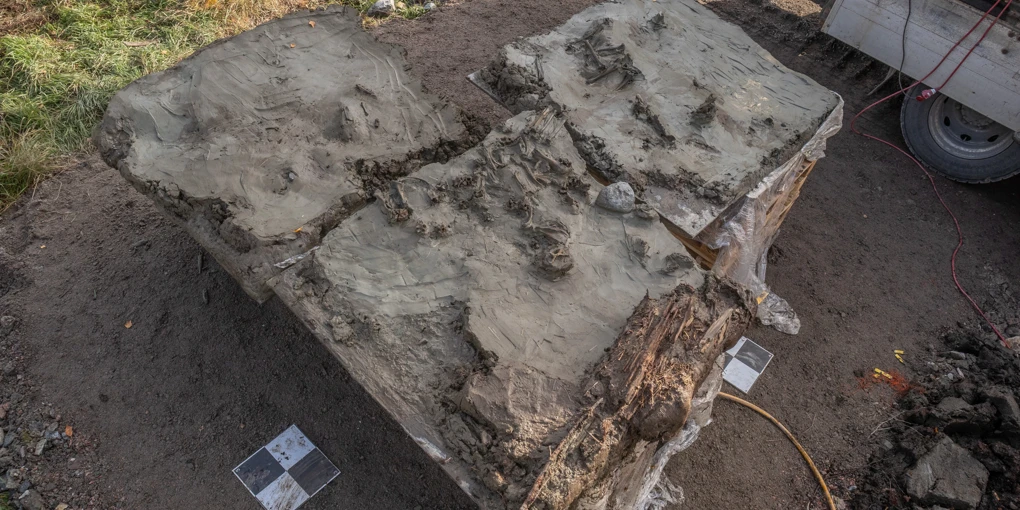
A Dog Buried with a Dagger Beneath a Lake: A 5,000-Year-Old Ritual Found in Sweden
Five thousand years ago, in what is now southern Sweden, people deliberately lowered a large dog into a shallow lake and buried it with a finely crafted bone dagger. The discovery, made during railway construction near Stockholm, is one of the most extraordinary Stone Age animal burials ever found in northern Europe. Archaeologists say it…
-
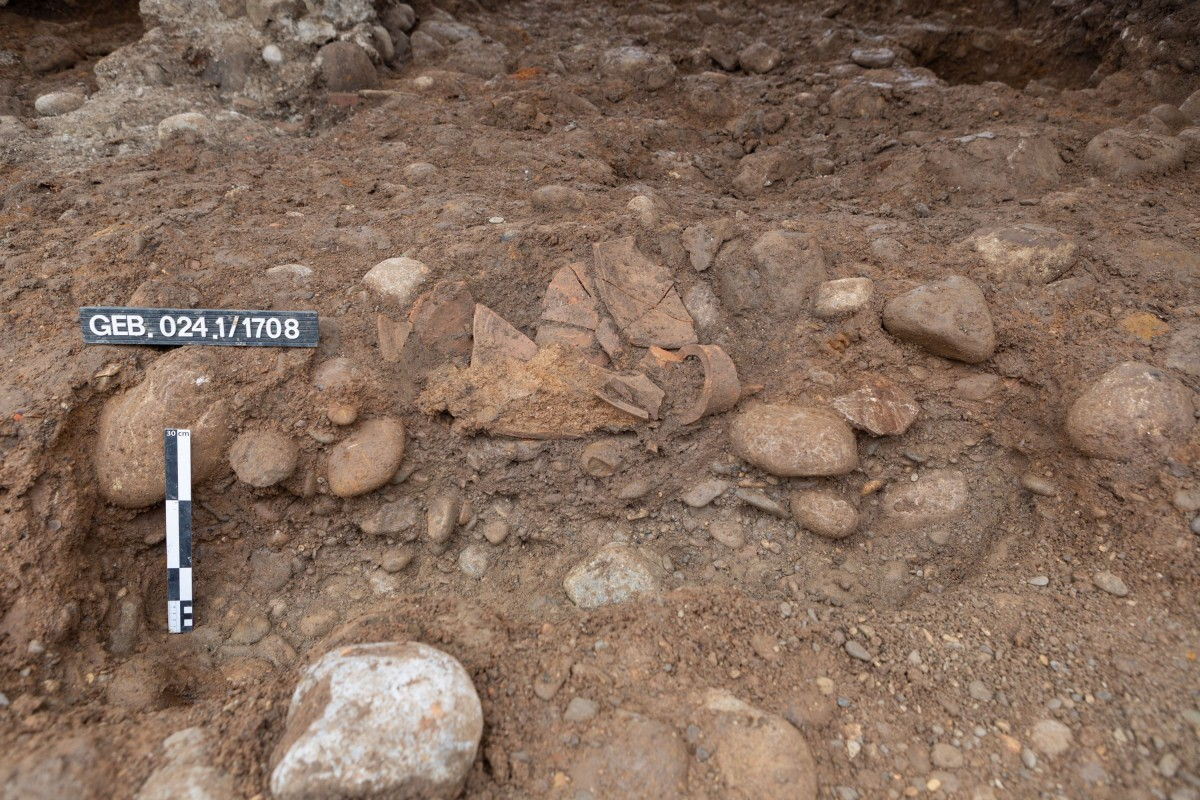
A Roman Amphora Reveals Sardine Consumption in Roman-Era Switzerland
Archaeologists working at Gebenstorf, near the Limmat River in northern Switzerland, have uncovered the first archaeological evidence that sardines were consumed in Roman-era Switzerland, following the analysis of fish remains preserved inside a Roman amphora. The amphora was discovered during a rescue excavation carried out ahead of a residential construction project. The site lies almost…