-
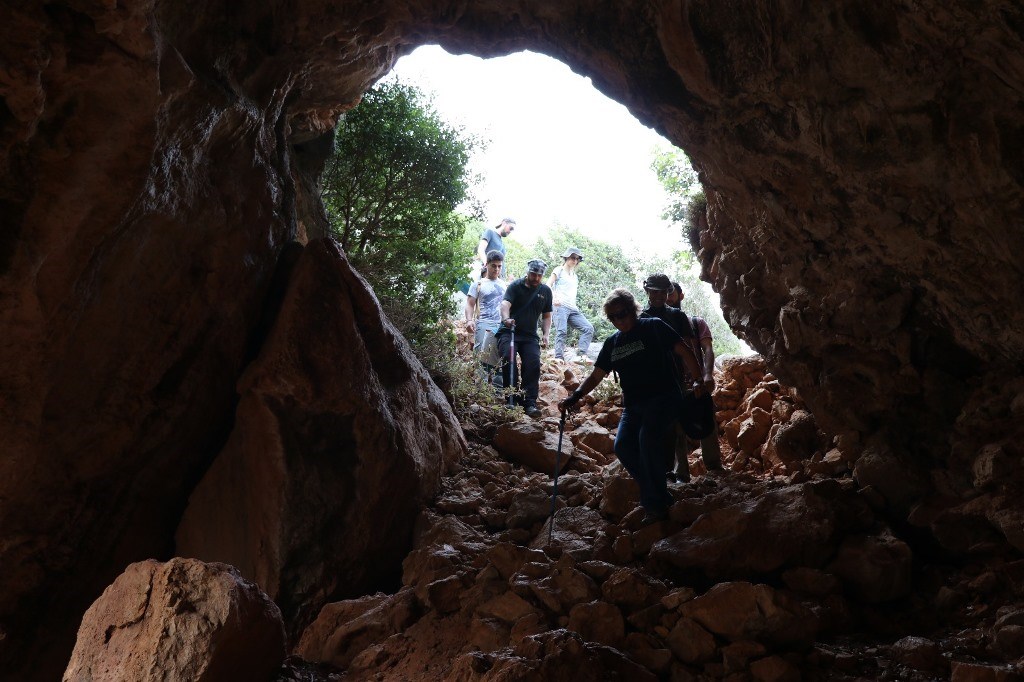
Türkiye Cave Reveals 20,000 Years of Cultural Continuity Between Neanderthals and Modern Humans
Archaeologists working at Üçağızlı II Cave in Hatay, southern Türkiye, have uncovered evidence that may reshape how researchers understand the transition from Neanderthals to modern humans in the northern Levant. A new study published in Proceedings of the National Academy of Sciences reports long-term cultural continuity across more than 20,000 years of occupation at the…
-
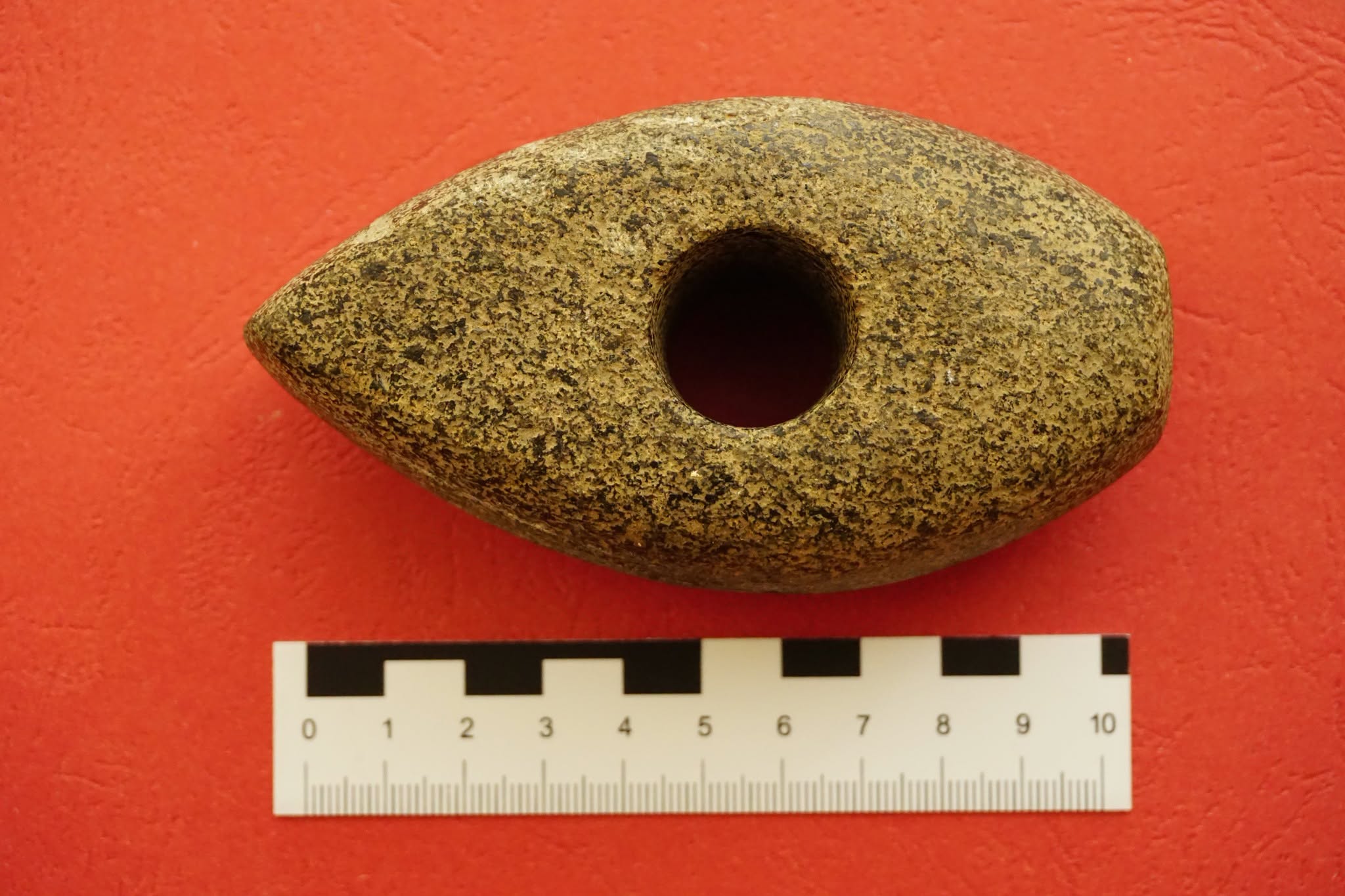
Stone Axe Handed to Polish Heritage Officials May Point to Early Bronze Age Mierzanowice Culture
A stone axe handed over to heritage officials in Lublin, eastern Poland, may belong to the Early Bronze Age Mierzanowice culture, despite sharing features with better-known Corded Ware axe forms. The object was delivered to the Provincial Office for the Protection of Monuments in Lublin by Roman Szymajda. According to the office, it will soon…
-

A 10-Centimeter Neolithic Stone Sphere Found in Azerbaijan Has No Known Parallel in the South Caucasus
Archaeologists excavating the Neolithic settlement of Pashatepe in southeastern Azerbaijan have uncovered a polished stone sphere that does not match any known direct parallel from the South Caucasus. The object was found in the Jalilabad district during excavations led by Vafa Mahmudova, a senior researcher at the Institute of Archaeology and Anthropology of the Azerbaijan…
-
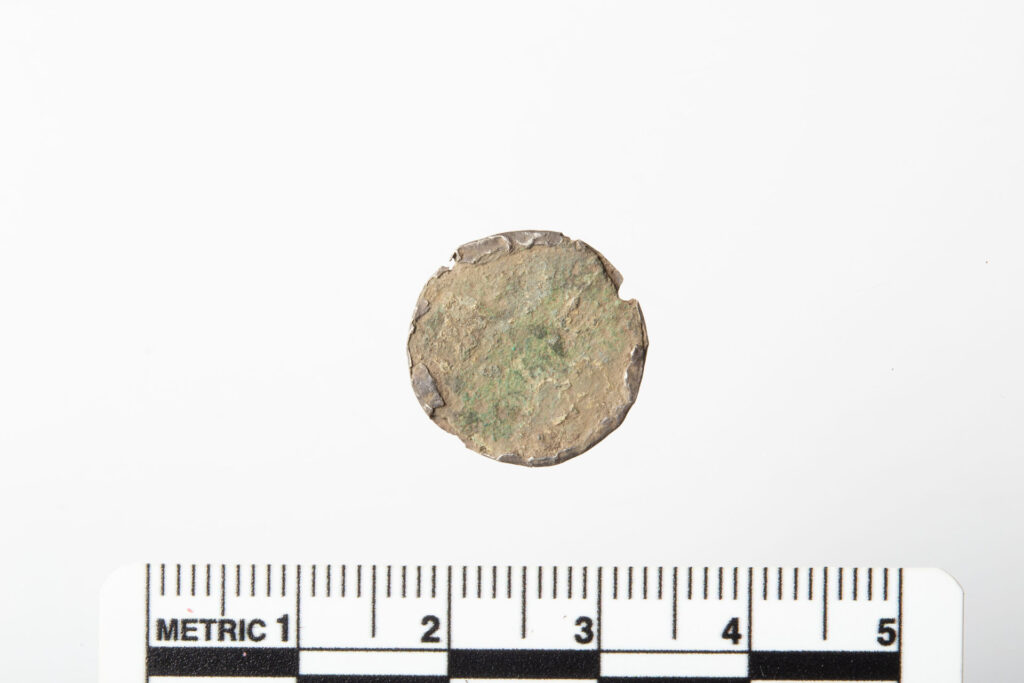
A “Button” from a Norwegian Field Turns Out to Be a Coin of the Last Viking King
A small object pulled from a field near Utstein Abbey in southwestern Norway looked so ordinary that it was first placed among buttons and other uncertain metal finds. Months later, a closer look revealed that the “button” was actually a medieval silver coin minted under Magnus Barefoot, the Norwegian ruler often described as the last…
-
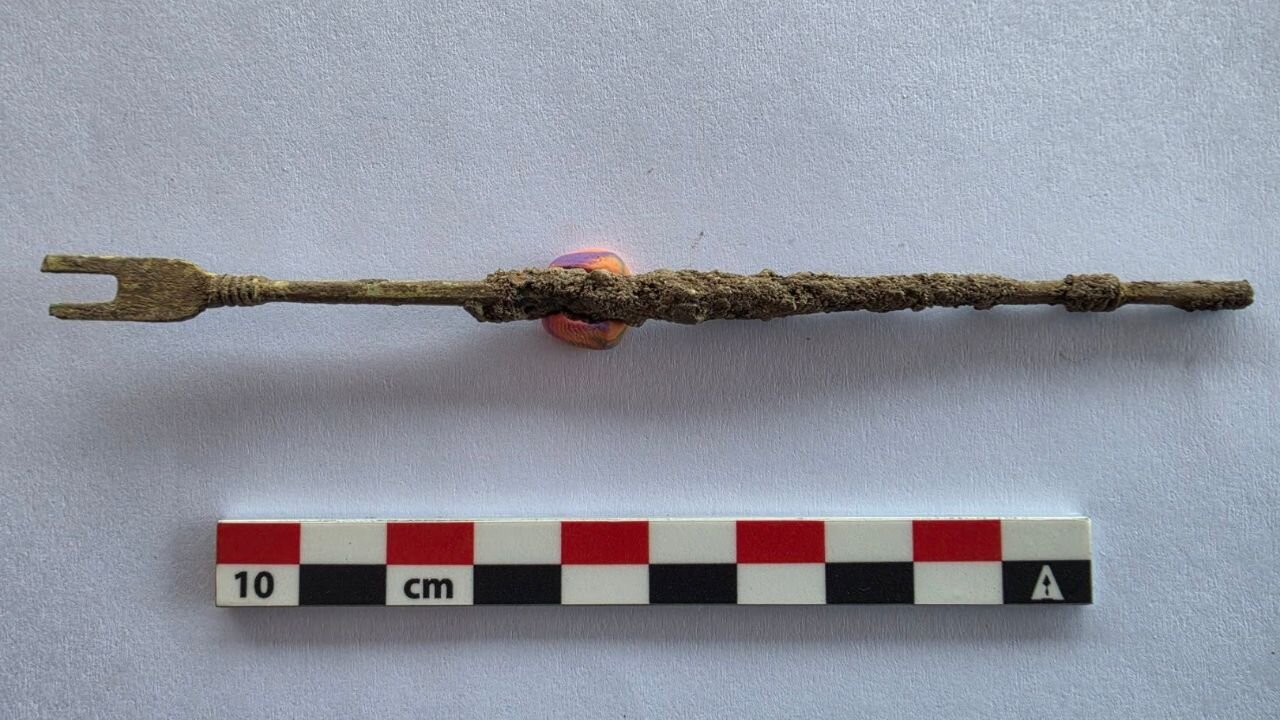
Rare Roman Surgical Tool for Bladder Stone Surgery Found Beside Temple of Hercules in Bulgaria
Archaeologists excavating the ancient city of Heraclea Sintica in southwestern Bulgaria have uncovered an exceptionally rare Roman-era surgical instrument used to remove bladder stones — a small bronze object linked to one of the most painful and risky operations known in ancient medicine. The instrument was found in a room adjoining the Temple of Heracles,…
-
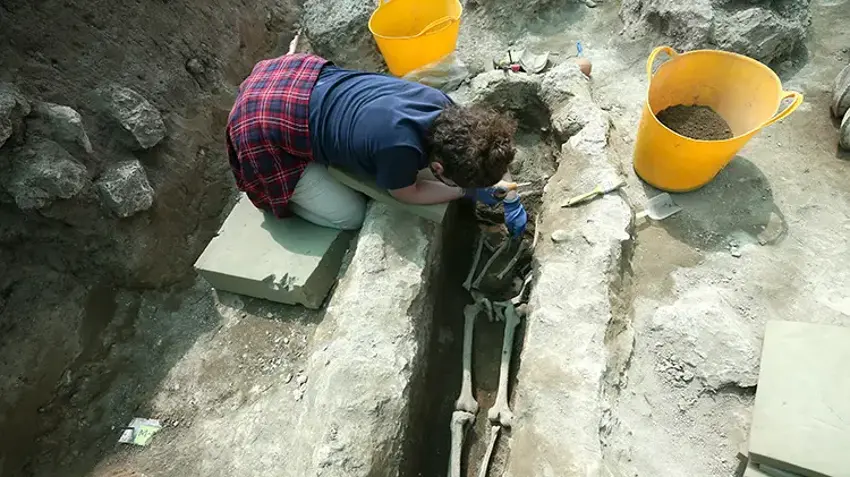
Medieval Graves in Malazgirt May Hold Clues to the Aftermath of the 1071 Seljuk-Byzantine Battle
The 1071 Battle of Malazgirt was fought between the Seljuk army of Sultan Alp Arslan and the Byzantine forces of Emperor Romanos IV Diogenes for control of eastern Anatolia. The Seljuk victory did not transform the region overnight, but it weakened Byzantine authority in the east and became one of the defining turning points in…
-
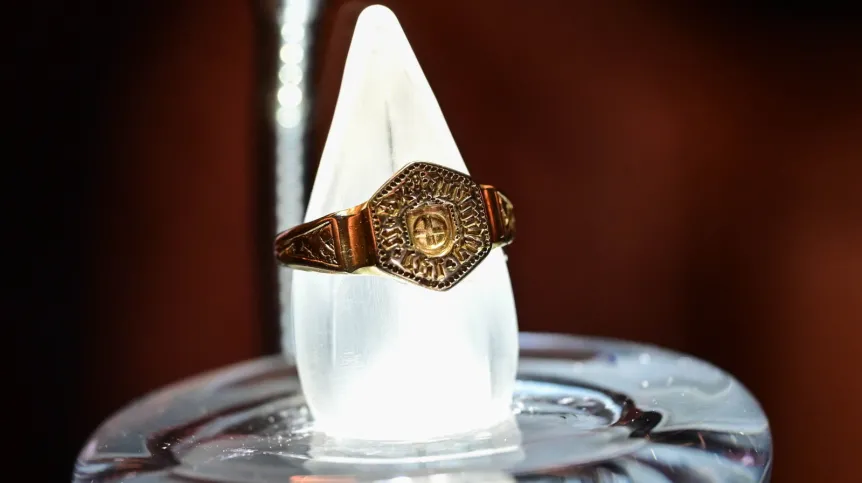
Rare Gold Bishop’s Ring Linked to Teutonic Order Diplomat Enters Polish Museum
A rare gold bishop’s signet ring linked to Mikołaj Bock von Schippenbeil, a late medieval churchman and diplomat connected with the Teutonic Order, has entered the collection of the Museum of the History of the Kamień Land in Kamień Pomorski, northwestern Poland. The museum dates the ring to the turn of the 14th and 15th…
-
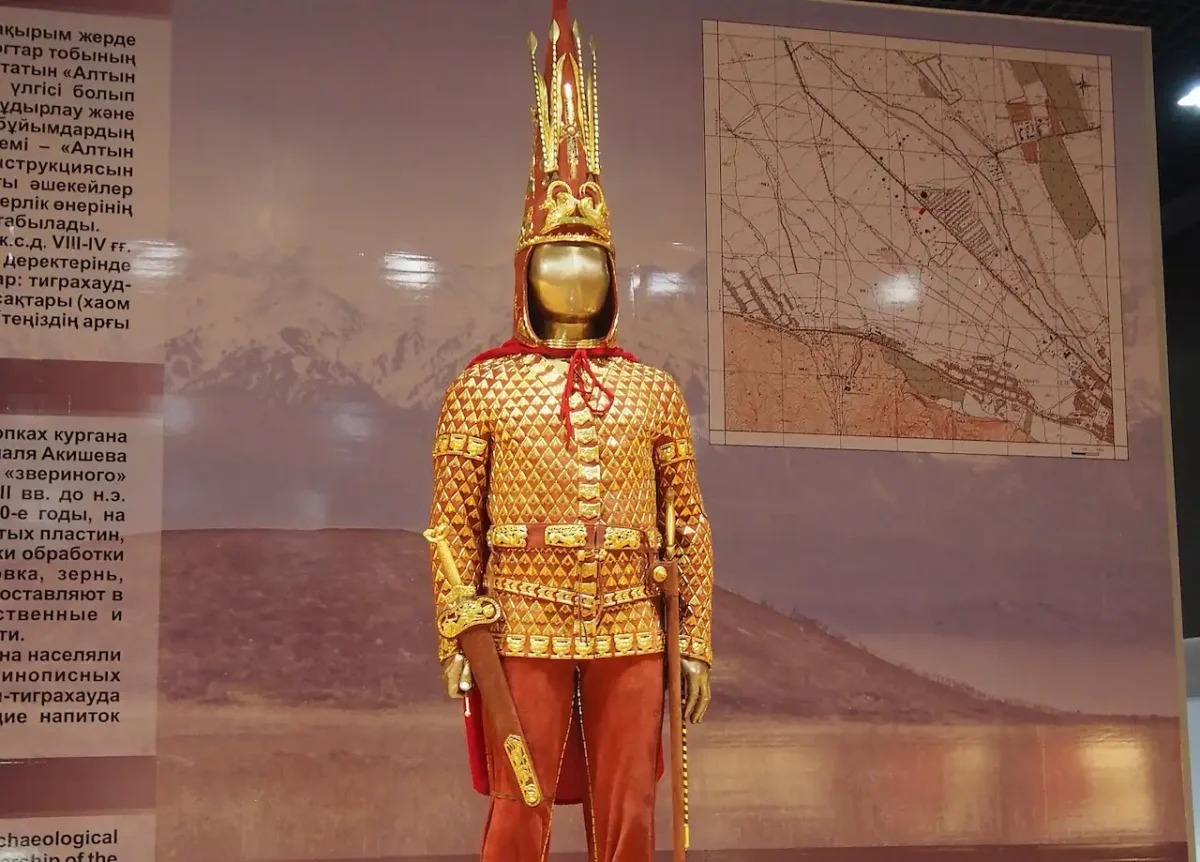
Ancient DNA Study Including Kazakhstan’s “Golden Man” Reveals Family Networks Behind Scythian Elite Power
Gold, horses, weapons, and monumental kurgans have long shaped the image of Scythian elite power. But a new study published in Science Advances suggests that power among some Scythian and Saka groups may also have depended on something less visible in the archaeological record: family ties. Based on ancient DNA from Iron Age burials across…
-

3,000-Year-Old Cremated Bones in Greek Macedonia Reveal How Ancient Funeral Pyres Were Built
Cremated bones from two Early Iron Age cemeteries near Thessaloniki are helping archaeologists reconstruct a part of ancient funerals that almost never survives: the funeral pyre itself. A new study published in the Journal of Archaeological Science: Reports examined burned human remains from Polichni and Nea Philadelphia, two cemeteries in northern Greece. The burials date…