-
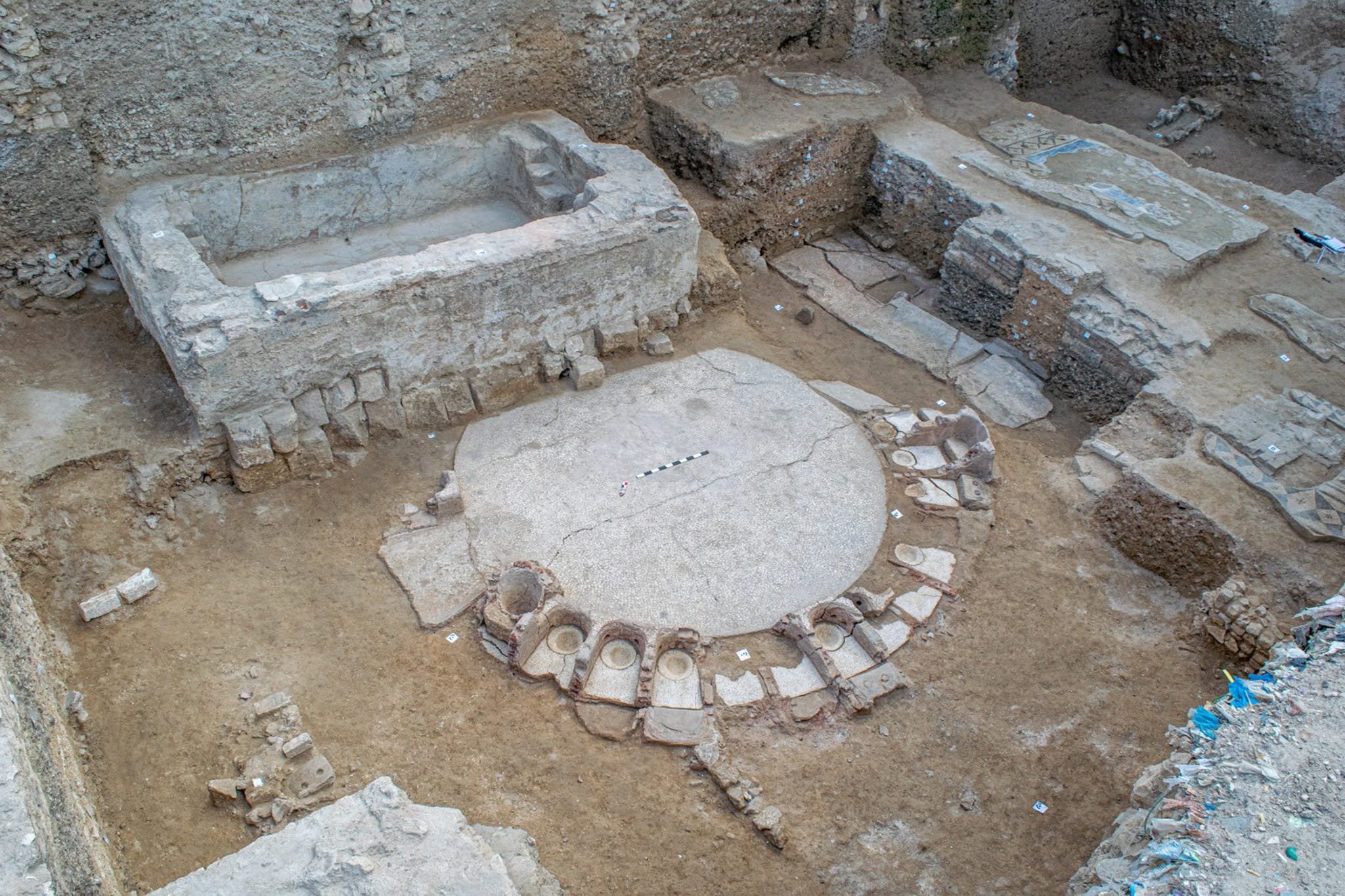
Rare Circular Bath Unearthed in Alexandria May Redraw the Map of the Ancient City
For a city as famous as Alexandria, surprisingly large parts of its ancient body still remain archaeologically quiet. Moharam Bek has now broken that silence. An excavation in the Moharam Bek district of Alexandria, Egypt, has uncovered a rare Ptolemaic circular bath and the remains of a Roman-era villa decorated with mosaic floors. The discovery…
-

Tiny Roman Good-Luck Charm Found at Carlisle Reveals the Superstitions of Life on Hadrian’s Wall
A tiny Roman good-luck charm found in northern England has brought archaeologists closer to the private fears, hopes and protective rituals of people who lived on Rome’s frontier nearly 1,800 years ago. The phallus-shaped Roman artefact was discovered during excavations at Carlisle Cricket Club in Cumbria, where archaeologists have been investigating the remains of a…
-
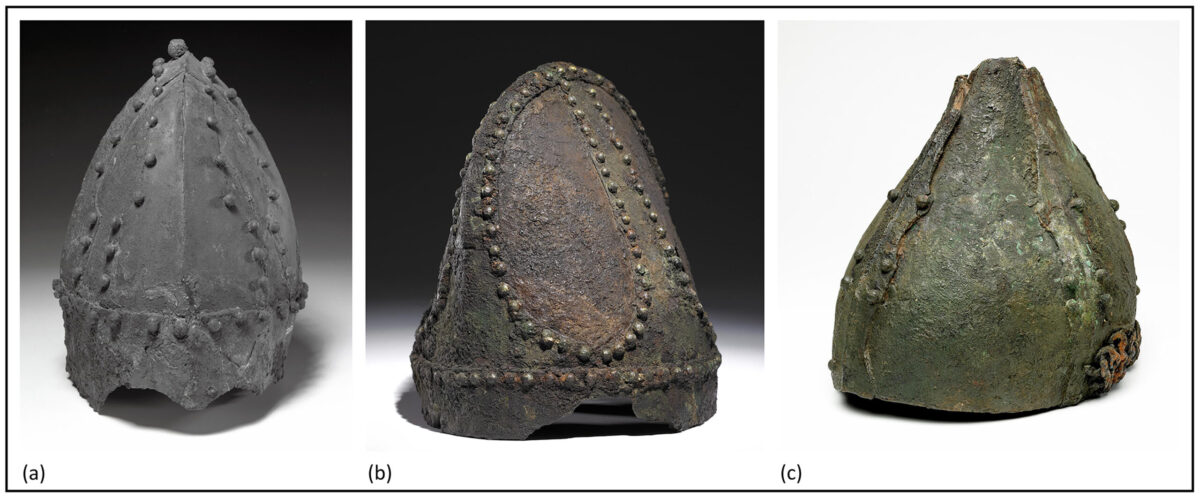
Ancient Helmets and Jewelry Reveal a Forgotten Sasanian Experiment with Brass
A golden shimmer on a hairpin. A thin metal strip on a helmet. A small rivet hidden inside an old museum object. At first glance, these details may seem minor. But new scientific research suggests they preserve a neglected chapter in the technological history of the Sasanian Empire. A study of copper-alloy finds from Merv…
-
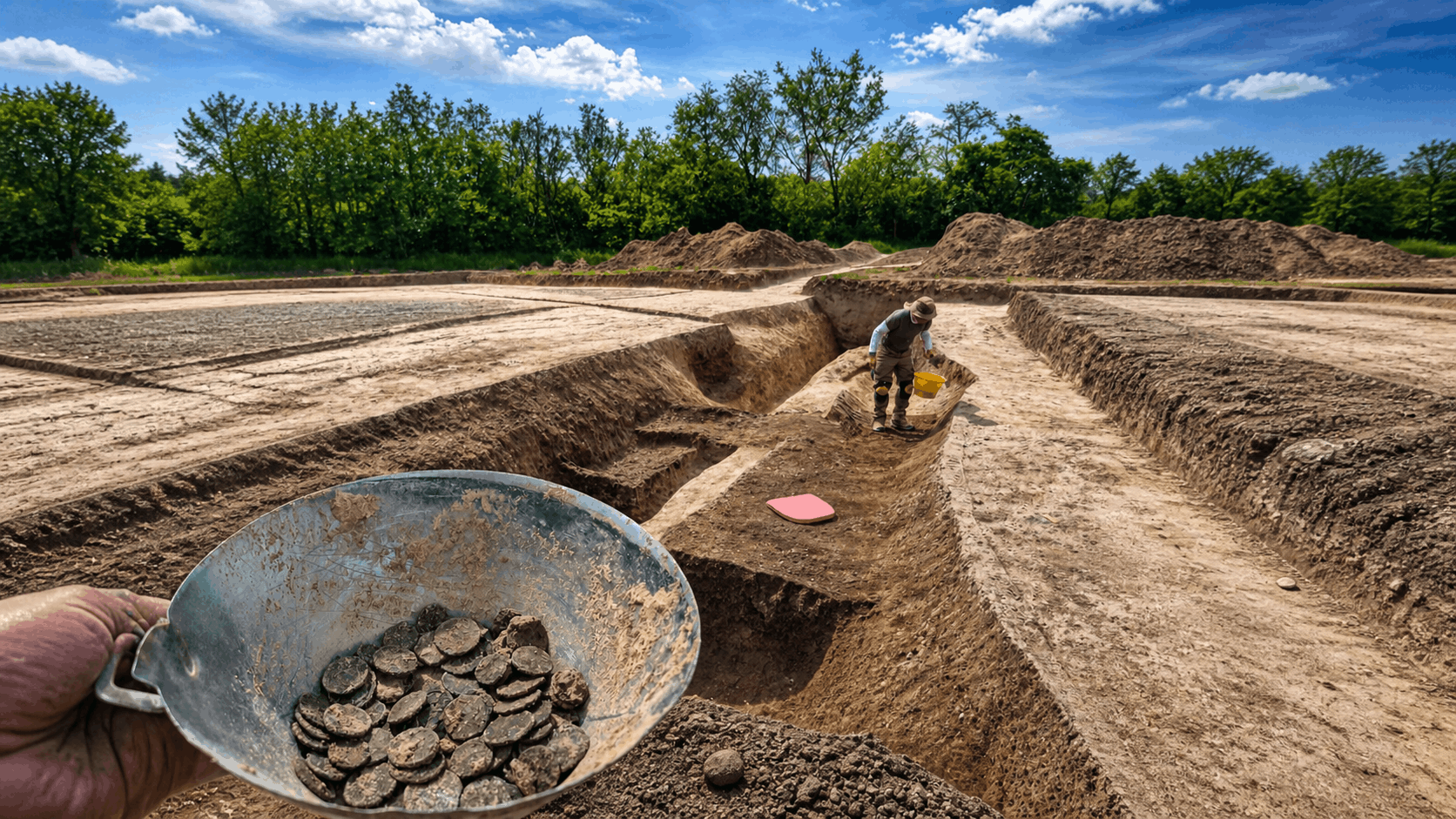
Nearly 300 Roman Coins Found Where Soldiers May Have Buried Their Pay on Croatia’s Danube Frontier
Nearly 300 Roman coins have been discovered near the Danube in eastern Croatia, where archaeologists believe a small frontier garrison may have buried its pay during a moment of danger. The hoard was unearthed in Mohovo, a village on the banks of the Danube River, during archaeological excavations focused on the Roman Empire’s defensive network…
-
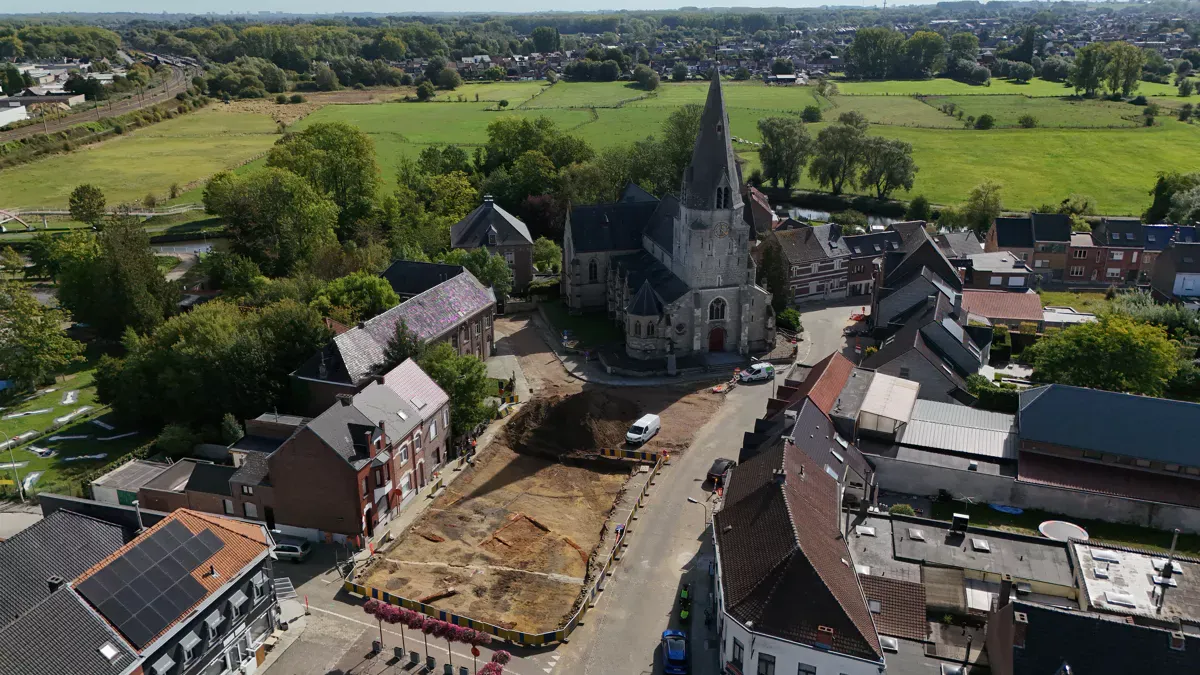
A Medieval Village Hidden Beneath a Belgian Town Center Kept Its Shape for 1,000 Years
A medieval village plan has been found beneath the modern center of Denderleeuw in East Flanders, revealing how a moated residential compound shaped the Belgian town’s layout for nearly 1,000 years. The discovery was made during archaeological excavations near the local church, where researchers uncovered traces of a 10th-century settlement surrounded by a moat. The…
-
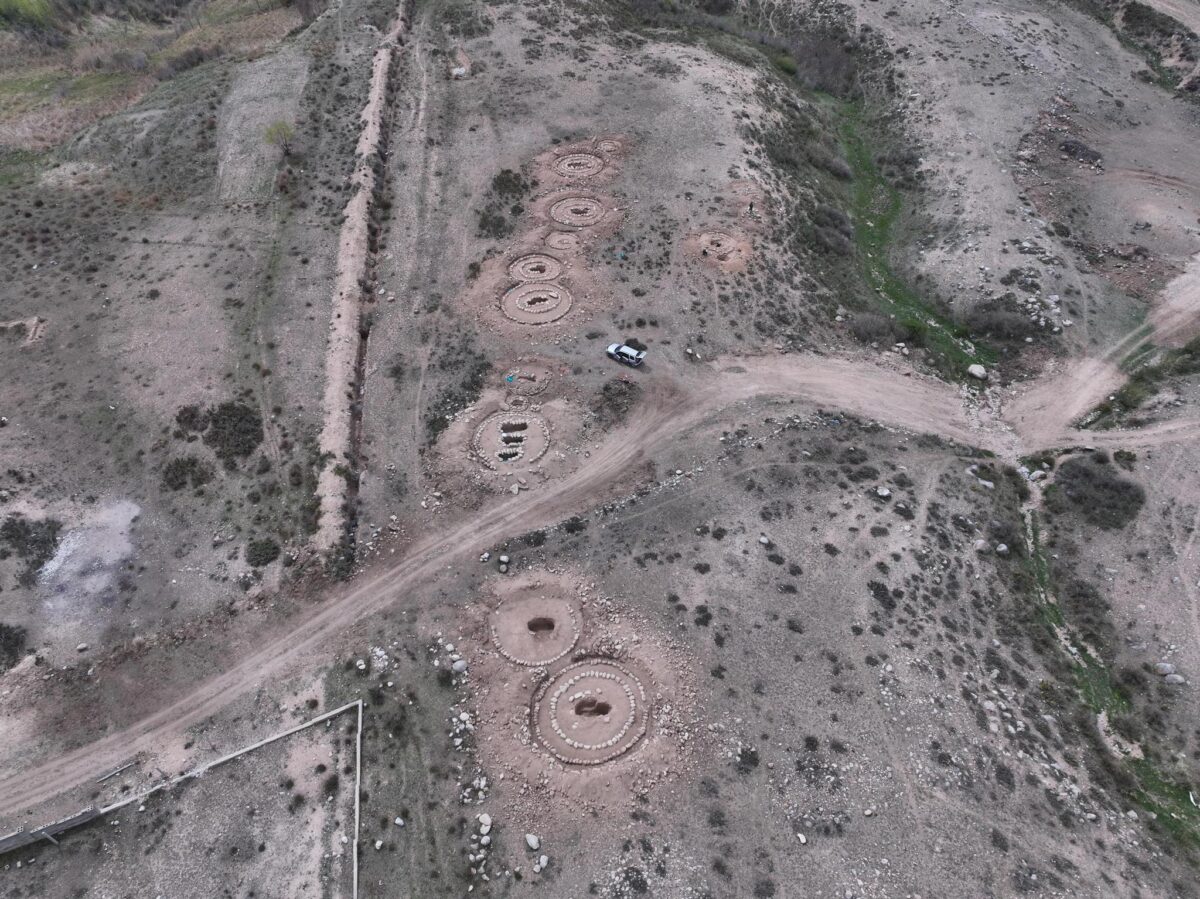
Early Saka Burial Mounds Unearthed Near Kyrgyzstan’s Lake Issyk-Kul
Early Saka burial mounds discovered near Lake Issyk-Kul in Kyrgyzstan are offering new clues to the region’s ancient nomadic past, after a rescue excavation near Cholpon-Ata revealed 21 kurgan burials and a large stone enclosure. The site, located on the northern shore of Lake Issyk-Kul, was identified during work connected to a bypass road around…
-
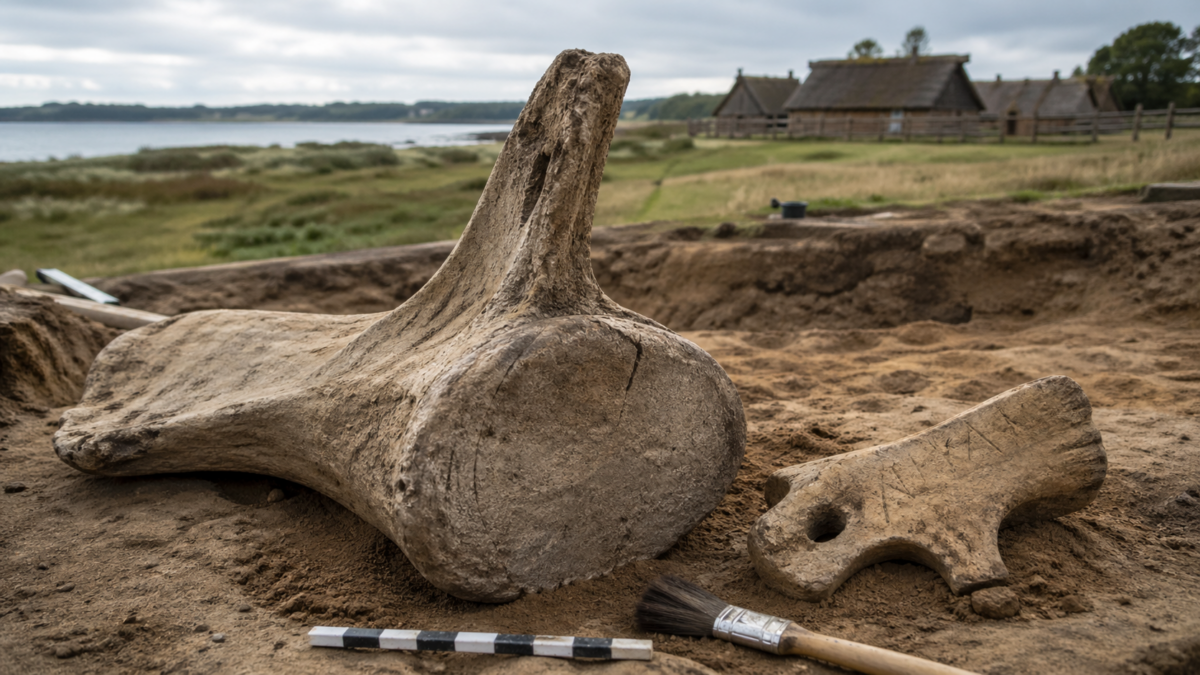
Forgotten Whale Bones Reveal First Evidence of Baleen Whales in Iron Age Scania
A few worn whale bones, stored for decades in a university museum, have revealed an unexpected link between Iron Age communities in southern Sweden and the wider maritime world of northern Europe. A new study published in Journal of Archaeological Science: Reports has identified the first confirmed baleen whale remains from Iron Age Scania. The…
-
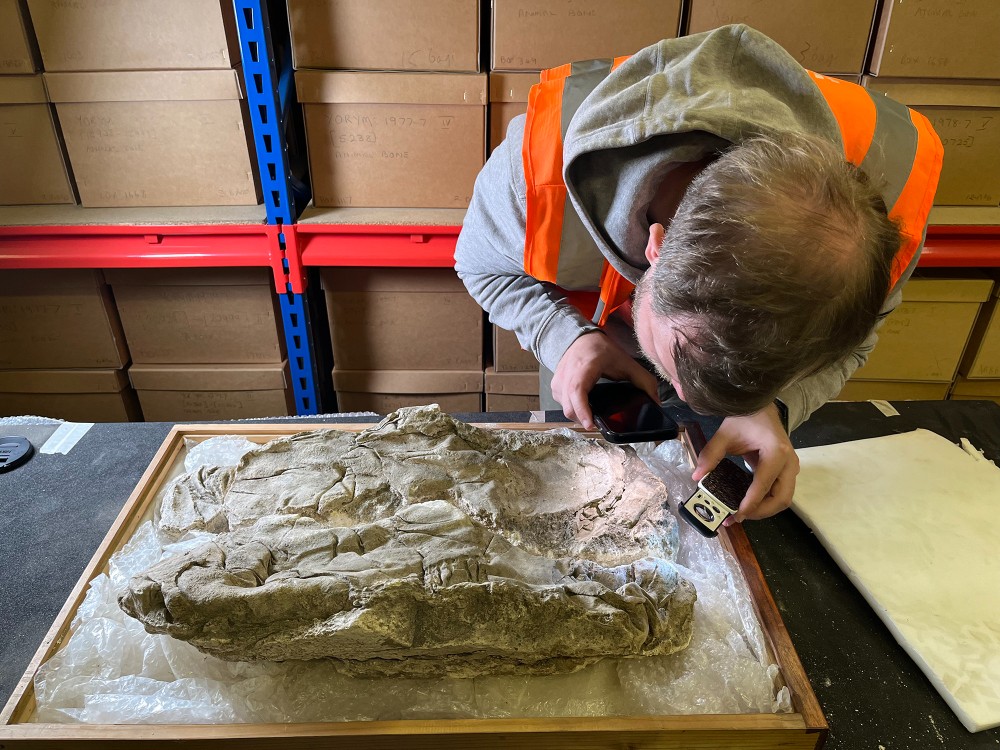
Babies in Roman York Were Buried in Imperial Purple Cloth Once Reserved for Emperors
A trace of purple, almost invisible to the eye, has opened an unusually intimate window into grief, wealth and childhood in Roman Britain. New research from the University of York has revealed that two infants buried in Roman York nearly 1,700 years ago were wrapped in fine cloth dyed with Tyrian purple, one of the…
-
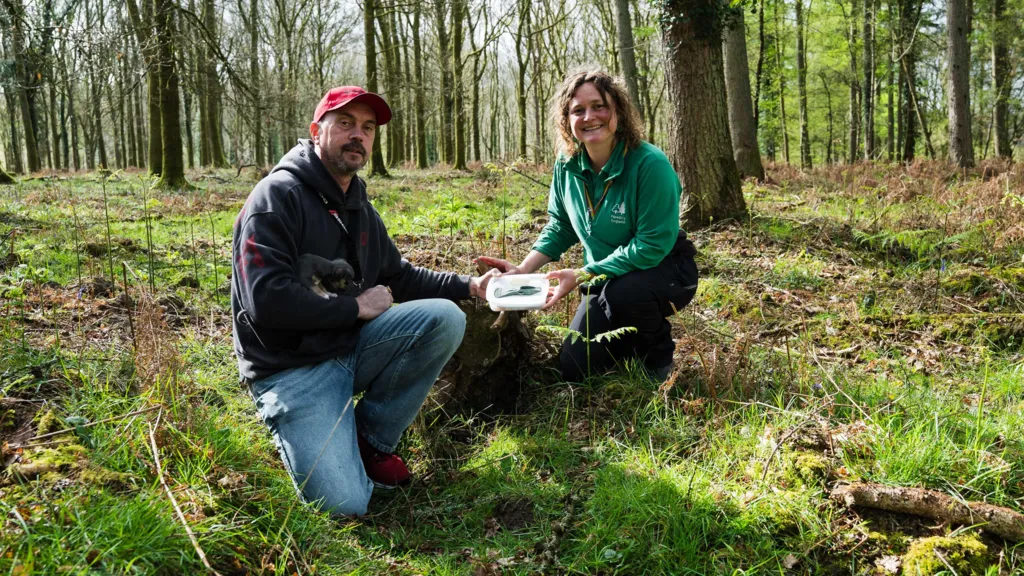
Dog Walker Spots Green Glint in Forest Roots, Finds 3,400-Year-Old Bronze Age Axe Head
A Bronze Age axe head hidden for more than three millennia has been discovered in England’s Forest of Dean after a dog walker noticed an unusual green flash among the roots of a fallen tree. John Smith was walking his puppy through woodland near Brierley, Gloucestershire, when the dog ran off and began rooting around…