-
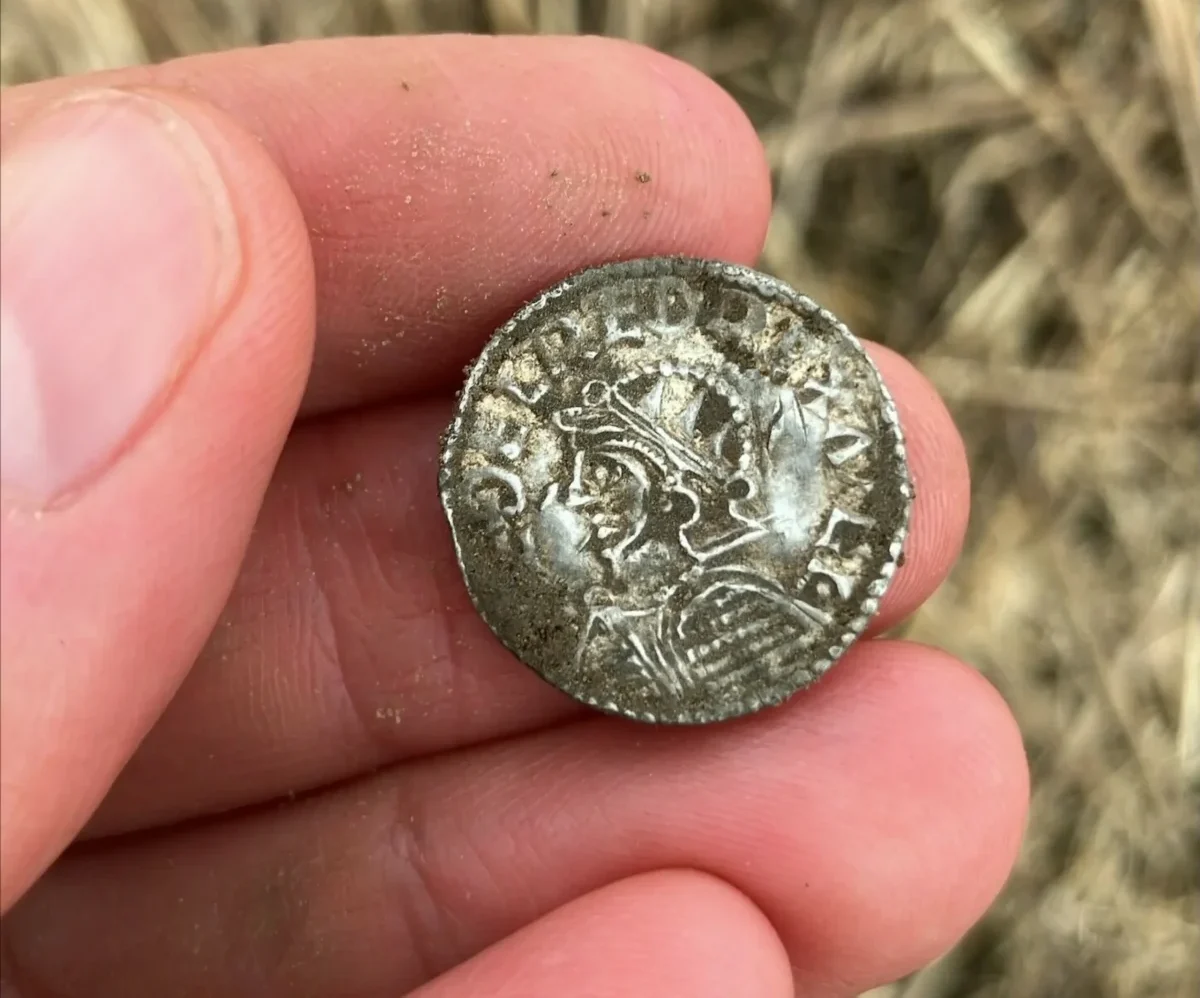
More Than 3,000 Coins Reveal Norway’s Largest Viking Age Silver Hoard
The first signal revealed only a handful of silver coins. Then the field near Rena kept answering. What began on April 10 as a metal detector discovery in eastern Norway has grown into one of the most important archaeological finds ever made in the country: more than 3,000 coins from the late Viking Age. The…
-

Ashurbanipal Stele Found at Nineveh’s Shamash Gate, Where Two Catastrophes Struck 2,600 Years Apart
At Nineveh’s Shamash Gate, archaeologists have uncovered an unusually powerful record of destruction: the fall of the Assyrian capital in 612 BC and the scars of the modern battle for Mosul more than 2,600 years later. The discovery comes from recent work at the monumental eastern entrance to ancient Nineveh, one of the most important…
-

Dozens of Medieval Cannonballs Found Beneath Future Civic Building in Belgium
Dozens of medieval cannonballs have been discovered beneath the site of a future Administrative Centre in Nieuwpoort, Belgium, revealing how one modern construction plot preserved traces of defence, civic life and war across several centuries. Archaeologists working in Nieuwpoort-Stad, between the historic Stadshalle and Willem De Roolaan, uncovered a depot of natural-stone cannonballs, medieval building…
-
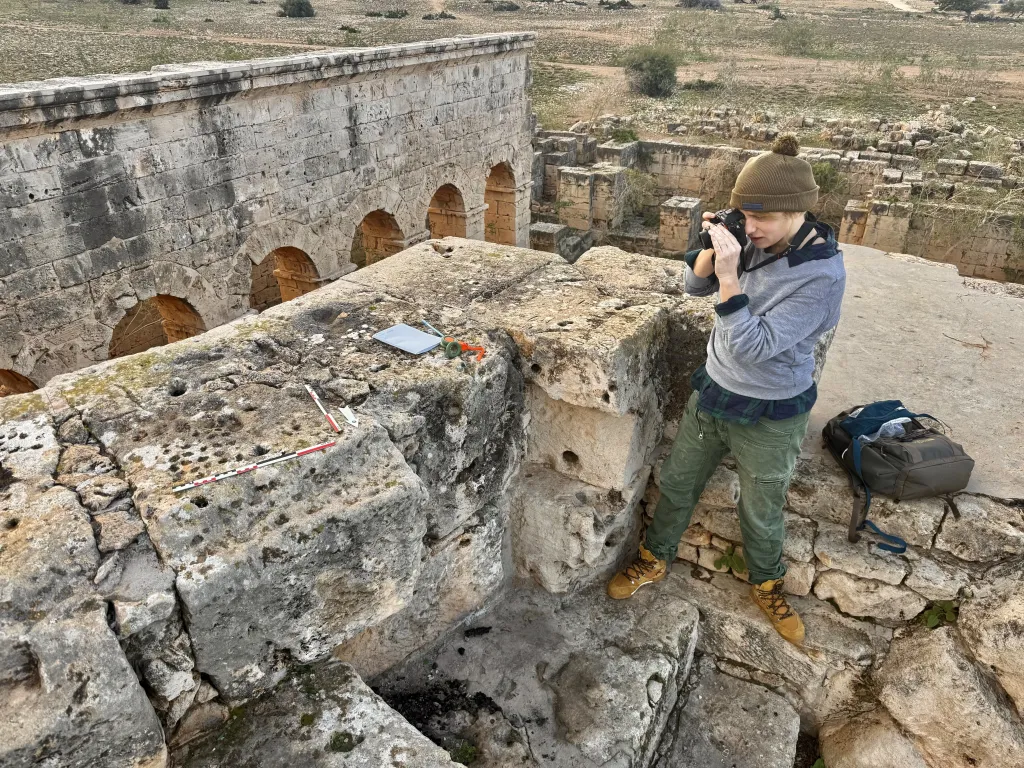
The Ruins of Ancient Ptolemais in Libya Became a Playground Centuries Later
Archaeologist Zofia Kowarska has documented more than 100 game boards carved into the stones of Ptolemais, revealing how the abandoned Greek city was reused by shepherds and local communities long after its urban life had ended. At first glance, the ruins of Ptolemais look like the remains of a once-important Greek city on Libya’s northeastern…
-
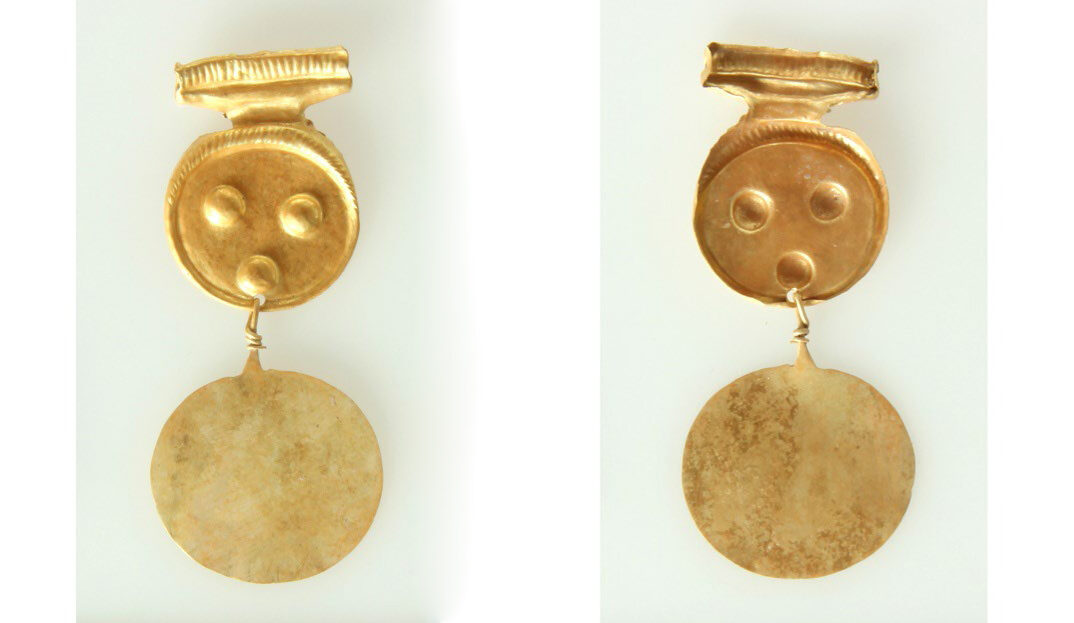
A 3,500-Year-Old Gold Jewelry Set Found on Aegina May Help Unlock a Bronze Age Mystery
That is the case at Kolona on the Greek island of Aegina, where archaeologists have uncovered an exceptional set of Middle Bronze Age gold ornaments dating to the first half of the second millennium BCE. Announced by the Greek Ministry of Culture, the discovery may offer fresh insight into elite identity, funerary customs, and the…
-
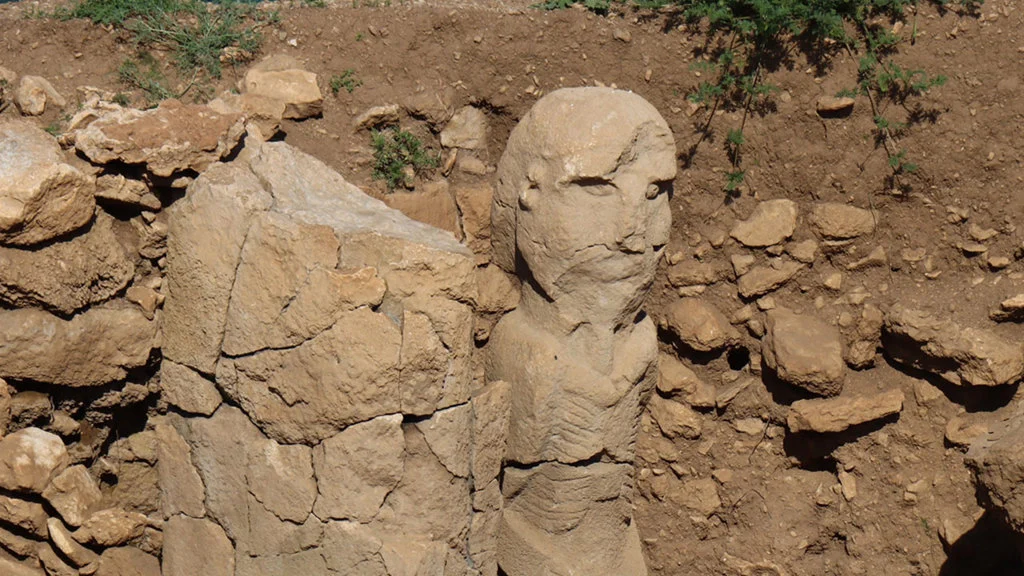
Karahantepe Diet Revealed: Gazelle Meat and Legumes Shaped Early Neolithic Life
A quiet detail is beginning to reshape how we understand the earliest settled communities. At Karahantepe, one of the key sites of the Taş Tepeler project in southeastern Türkiye, new research suggests that daily life was built around a surprisingly focused diet: gazelle meat and legumes. The finding may sound simple. It is not. It…
-
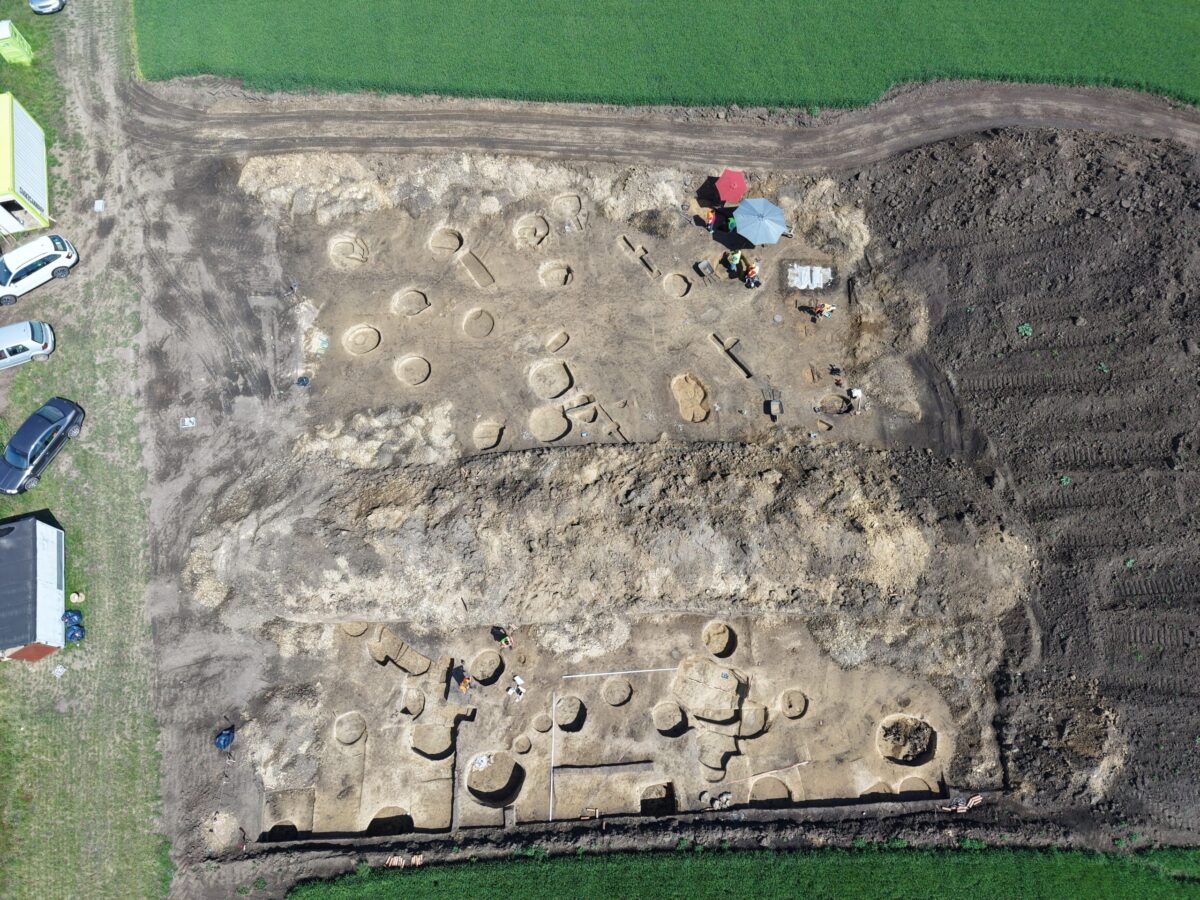
Roman Tool Discovered in Czech Republic May Reveal How Legionary Chainmail Was Made
A small iron plate, punctured with a precise sequence of holes, may hold the key to how Roman craftsmen produced one of the empire’s most recognizable forms of armor. Discovered in the Czech Republic, the object appears to have been used to draw metal wires—an essential step in the production of Roman chainmail. Archaeologists believe…
-
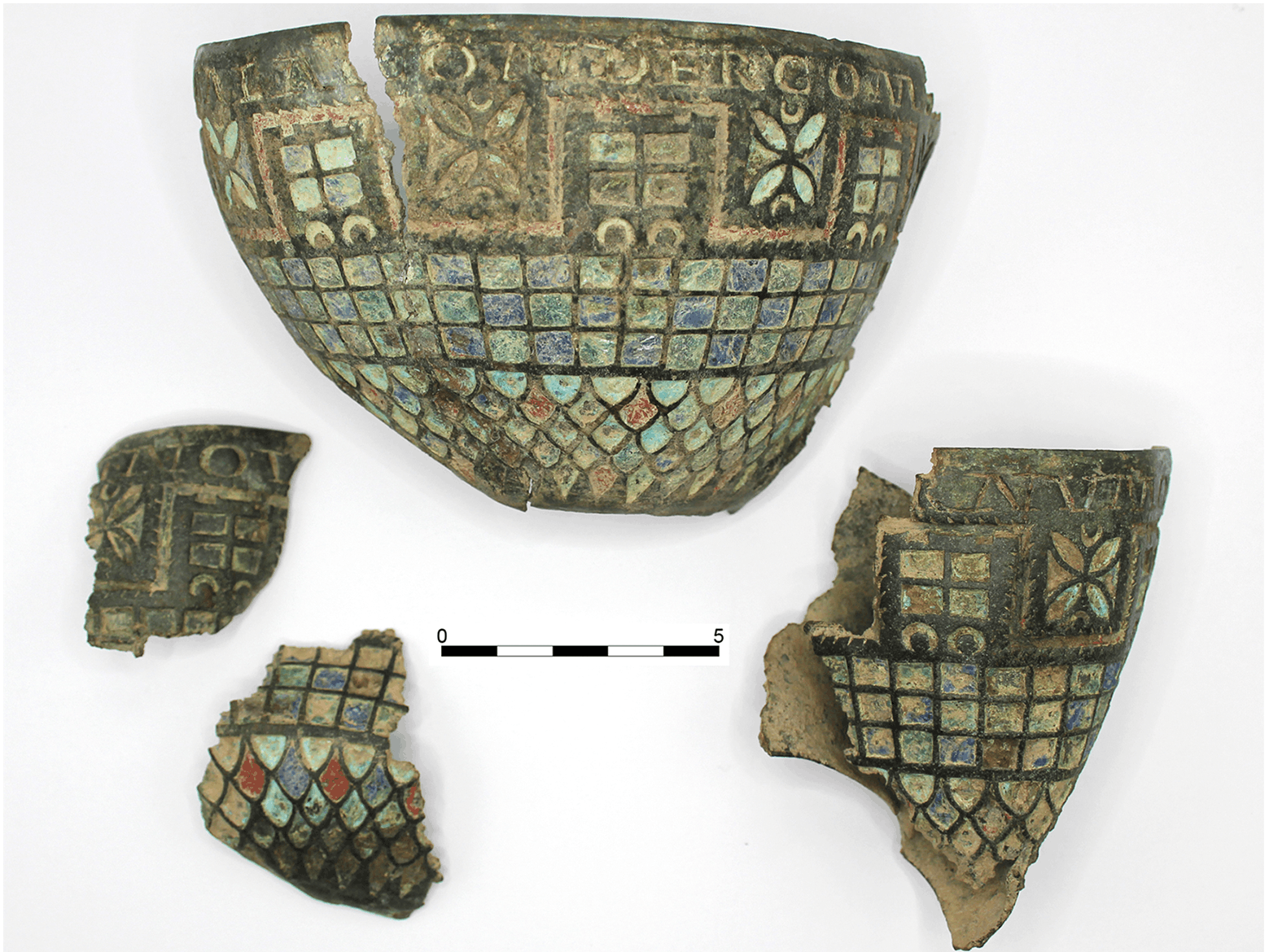
2,000-Year-Old Berlanga Cup Found in Spain May Trace a Roman Soldier’s Journey from Hadrian’s Wall
A Roman soldier may have carried this small bronze cup nearly 2,000 kilometers across the empire. Now found in central Spain, the object—known as the Berlanga Cup—is doing something rare in archaeology. It does not just tell us where it was made. It hints at who carried it, where he served, and what he chose…
-
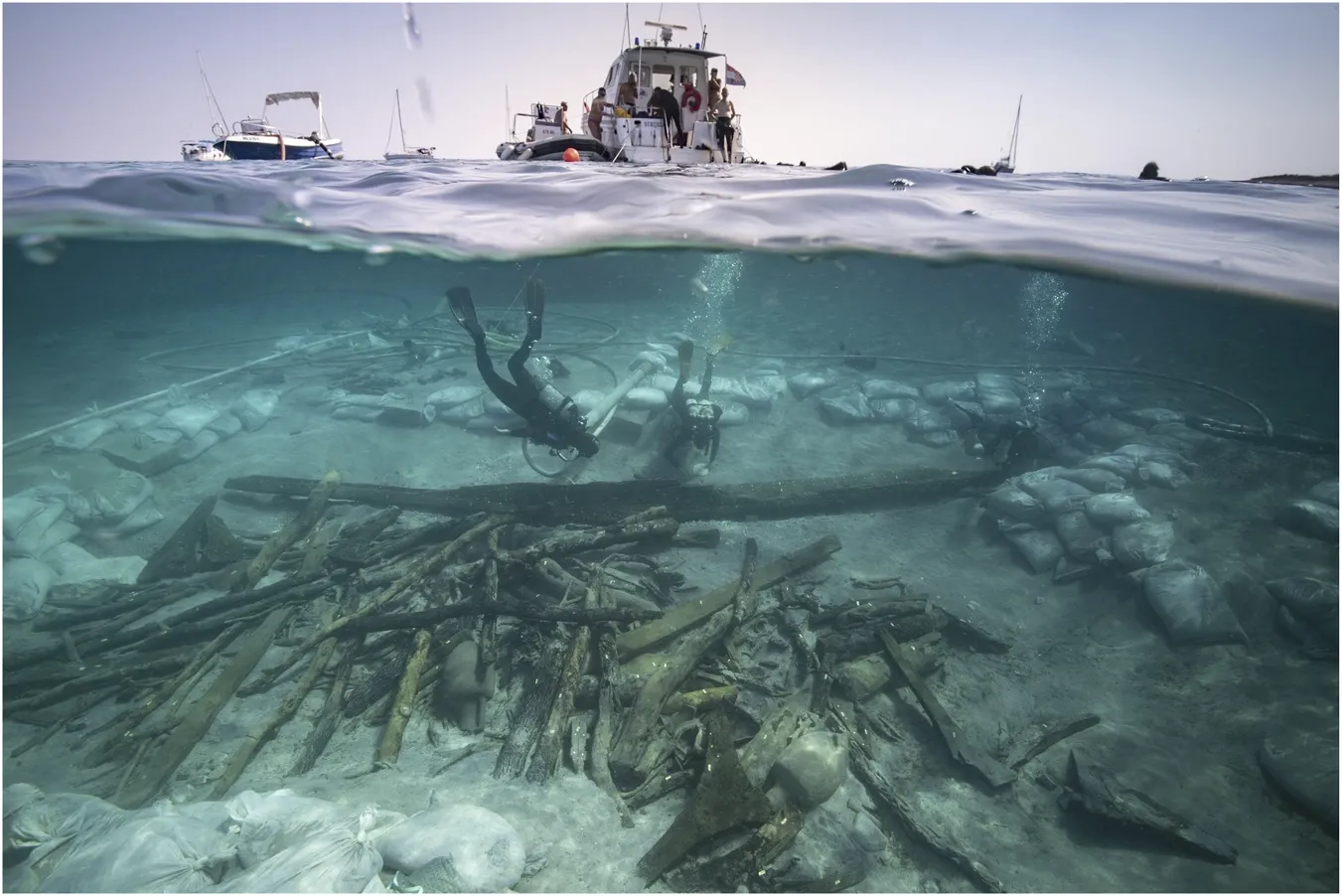
2,000-Year-Old Roman Shipwreck Reveals How Ancient Engineers Waterproofed Their Vessels
A Roman-era shipwreck off the coast of Ilovik Island is offering a rare, close-up look at how ancient shipbuilders protected their vessels against the constant stress of the sea. By combining chemical analysis with pollen research, scientists have reconstructed not only the materials used on the ship, but also the environments it moved through and…