-
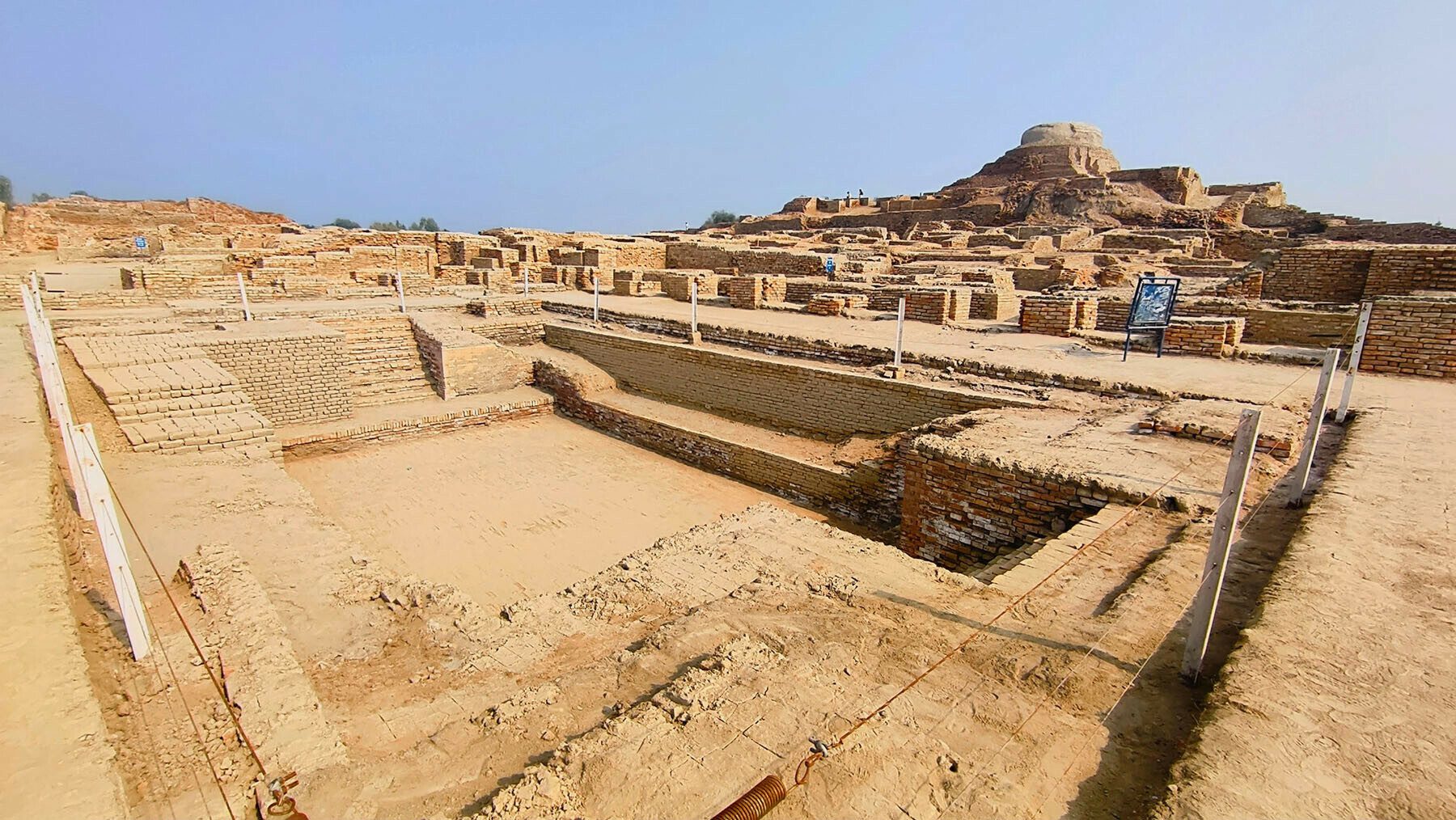
New Radiocarbon Dates Reveal Mohenjo-daro’s Urban Roots Predate the Mature Harappan Phase
New excavations at Mohenjo-daro have pushed the origins of urban development at the site further back than previously established. Radiocarbon dates obtained from a massive mud-brick city wall show that its earliest construction began around 2700–2600 BCE, placing it at the end of the Early Harappan (Kot Diji) phase—before the rise of the Mature Harappan…
-
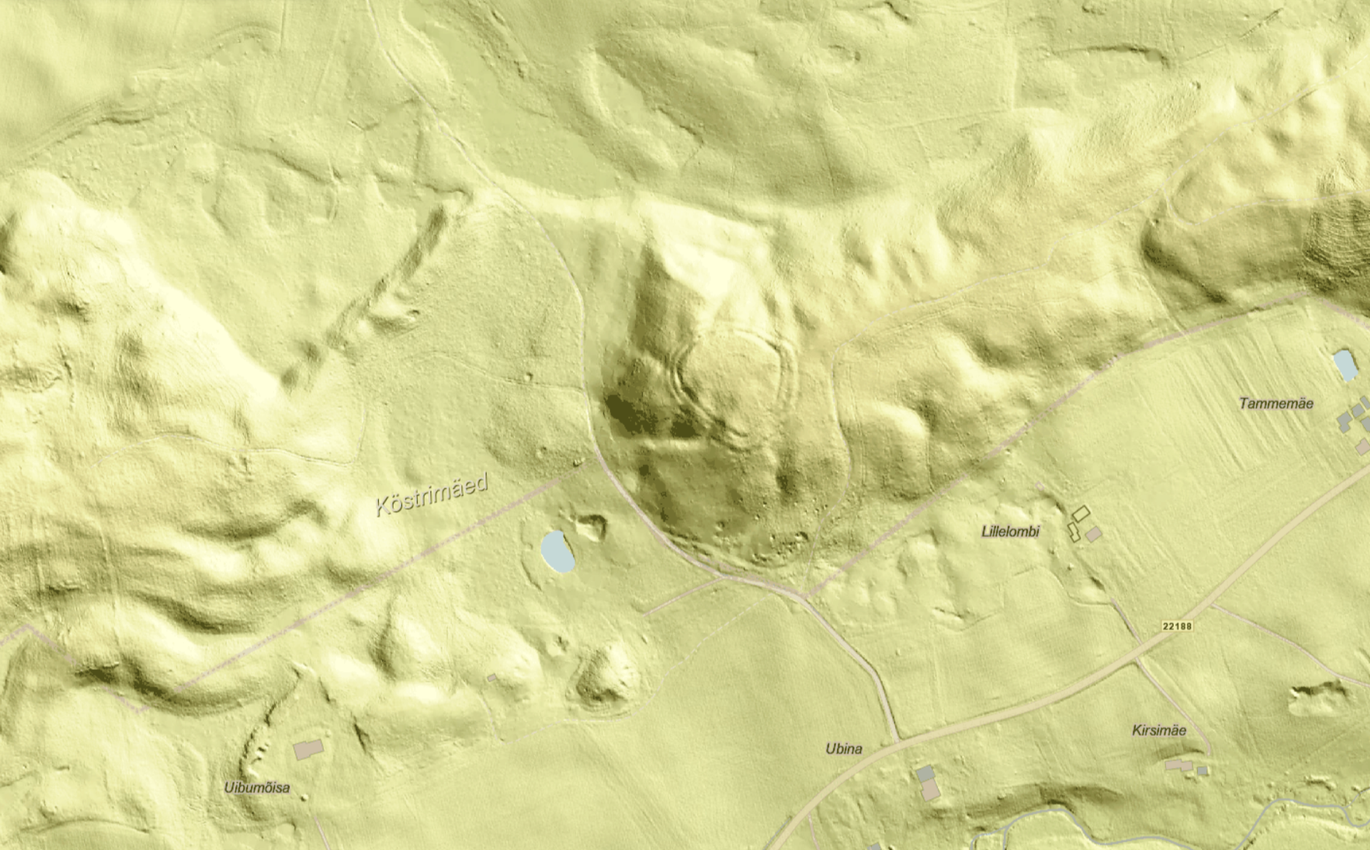
2,000-Year-Old Hillfort in Estonia Reveals a Short-Lived Settlement Shaped by Conflict
A 2,000-year-old hillfort in Estonia is reshaping how archaeologists understand early settlement patterns in the Baltic region. Identified near Kambja in Tartu County, the Köstrimägi site does not follow the familiar model of long-lasting fortified centers; instead, it points to a brief, unstable occupation that ended abruptly. An Unfamiliar Fortification Logic At first glance, the…
-
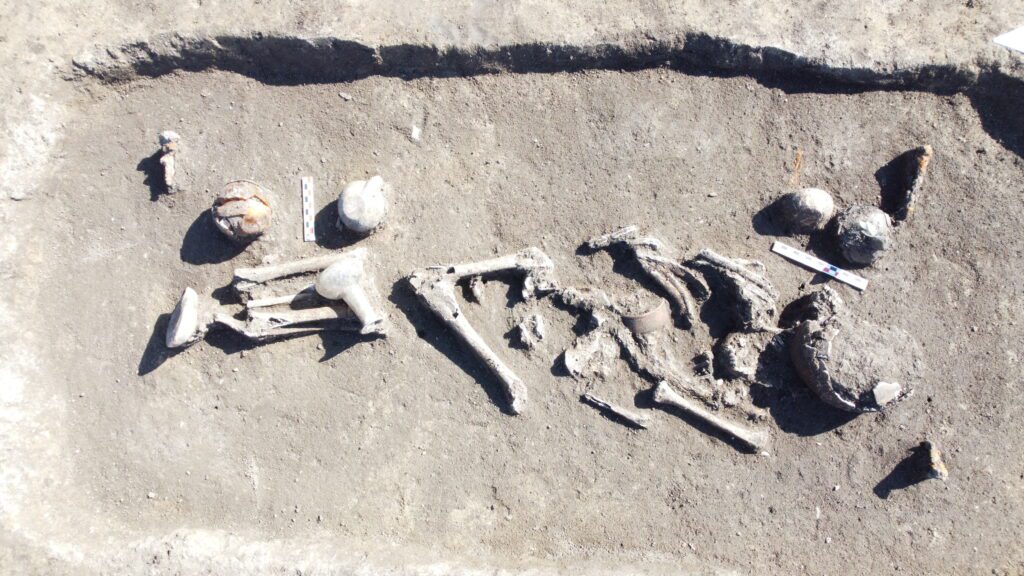
Mass Grave of 20 Children Discovered in Roman Cemetery in Dacia Reveals Possible Ancient Epidemic
A quiet construction project in western Romania has unexpectedly exposed a deeply human story from the Roman world—one marked not only by daily life and ritual, but also by loss. At Cristești, in Mureș County, archaeologists have uncovered a 2nd–3rd century AD Roman cemetery, where a mass grave containing the remains of around 20 children…
-

Only Known Roman Bone Phallus Discovered in Museum Storage in the Netherlands
A routine inventory inside a Dutch museum storage facility has revealed something archaeologists almost never see: a Roman phallus carved from bone, an object so unusual that it may be the only confirmed example of its kind from the ancient world. The artifact surfaced during a large-scale cataloging project at the Valkhof Museum in the…
-

Roman-Era Brick in Spain May Reveal Europe’s Earliest Stirrup—Rewriting Cavalry History
A roughly scratched drawing on a fragment of clay, discovered in central Spain, may be forcing historians to reconsider a long-standing assumption about European warfare. What appears at first to be a crude sketch could, in fact, represent the earliest known stirrup in Western Europe—potentially pushing its use back by more than a century. A…
-
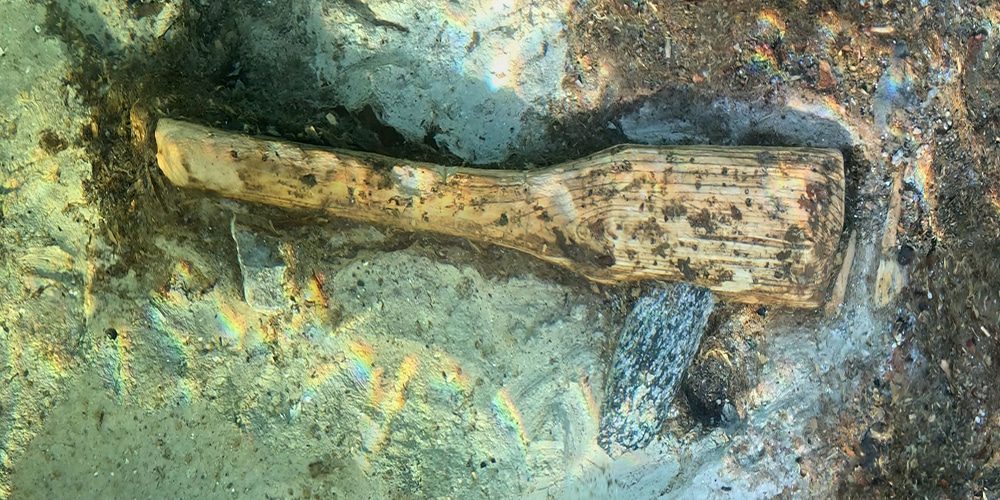
Rare 4,800-Year-Old Neolithic Axe Discovered in Lake Constance, Switzerland
A rare 4,800-year-old Neolithic axe discovered in Lake Constance, Switzerland is offering new insight into prehistoric craftsmanship and lakeside life in Central Europe. Recovered during controlled underwater excavations in Steckborn harbor, the tool stands out not only for its completeness, but for the unusually clear picture it provides of material choices and local resource use…
-

2,000-Year-Old Medusa Mosaic at Kibyra Reopens to Visitors in Turkey
In the ancient city of Kibyra, tucked into the highlands of southwestern Turkey, one of antiquity’s most striking floor compositions has re-emerged with the season. The Medusa mosaic, dating back nearly 2,000 years, has been uncovered after its winter protection and is once again open to visitors. Each year, the mosaic is carefully covered during…
-

900-Year-Old Anglo-Saxon Church Discovered Beneath St Cuthbert’s in Darlington
An Anglo-Saxon church hidden beneath the floor of St Cuthbert’s in Darlington has come to light during restoration work, revealing a previously unknown phase of early medieval worship in England. Restoration Work Uncovers Earlier Structure The discovery emerged during a £2.5 million renovation project aimed at improving accessibility داخل the historic church. As workers removed…
-

2,000-Year-Old Pompeii Altars Reveal Imported Incense and the Global Reach of Roman Ritual
Nearly two millennia after the eruption of Mount Vesuvius, Pompeii continues to reveal intimate details of Roman life. This time, the evidence comes not from grand buildings or frescoes, but from something far more subtle: the ash preserved inside household incense burners. A new scientific study has identified what Romans actually burned in their homes,…