-
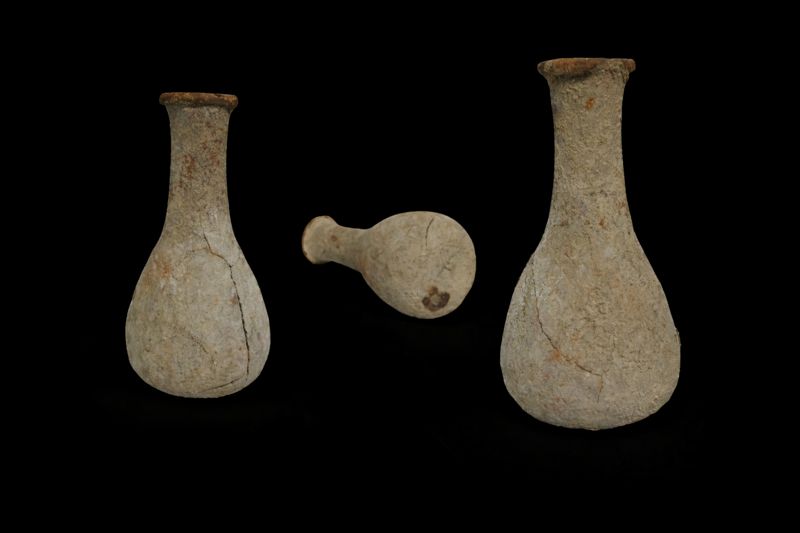
Roman Medicine Used Human Feces—Pergamon Now Has the Proof
For centuries, Greco-Roman medical texts described remedies made from human waste, but whether these treatments were ever truly prepared remained uncertain.A small Roman glass vessel unearthed in Pergamon has now provided the first physical proof that such remedies were not theoretical ideas, but part of everyday medical practice. The discovery comes not from a monumental…
-
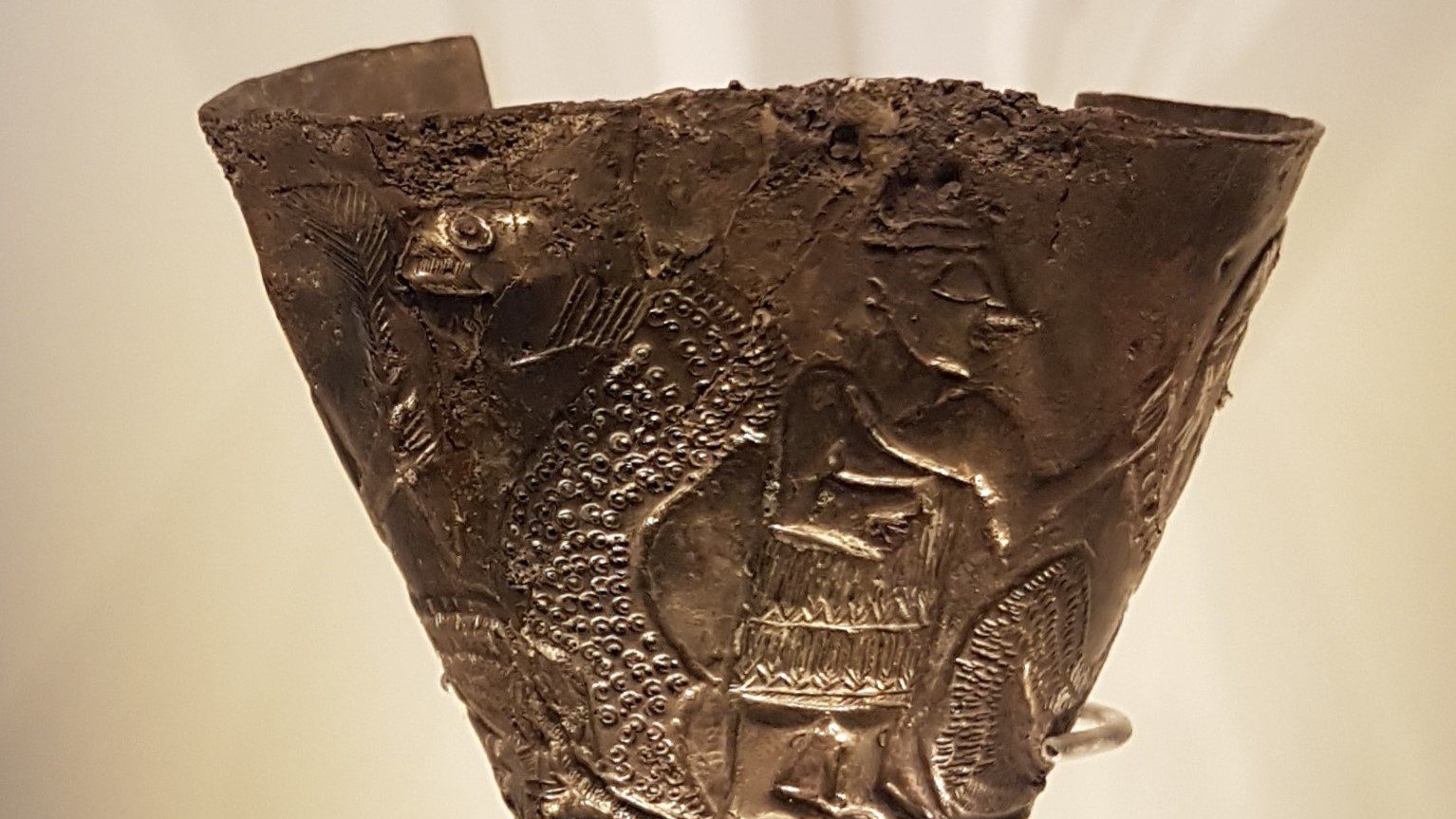
A 4,000-Year-Old Silver Goblet May Preserve One of Humanity’s Earliest Visions of the Cosmos
A small silver cup, barely taller than a matchbox, is reshaping how archaeologists think about the origins of cosmic thought. Known as the ʿAin Samiya Goblet, the vessel dates to the Intermediate Bronze Age (ca. 2650–1950 BCE) and carries an unusually complex symbolic program—one that may predate written creation myths by centuries. An Object That…
-

Seven Centuries Beneath Rome: Republican Tombs, a Hercules Sanctuary, and Monumental Basins Unearthed in Pietralata
In the eastern outskirts of Rome, archaeologists have brought to light a remarkably layered archaeological landscape—one that traces daily life, belief, and burial practices across more than 700 years. Excavations at Acacia Park 2, near Via di Pietralata, reveal a suburban zone shaped by roads, rituals, and families from the early Republic through the dawn…
-
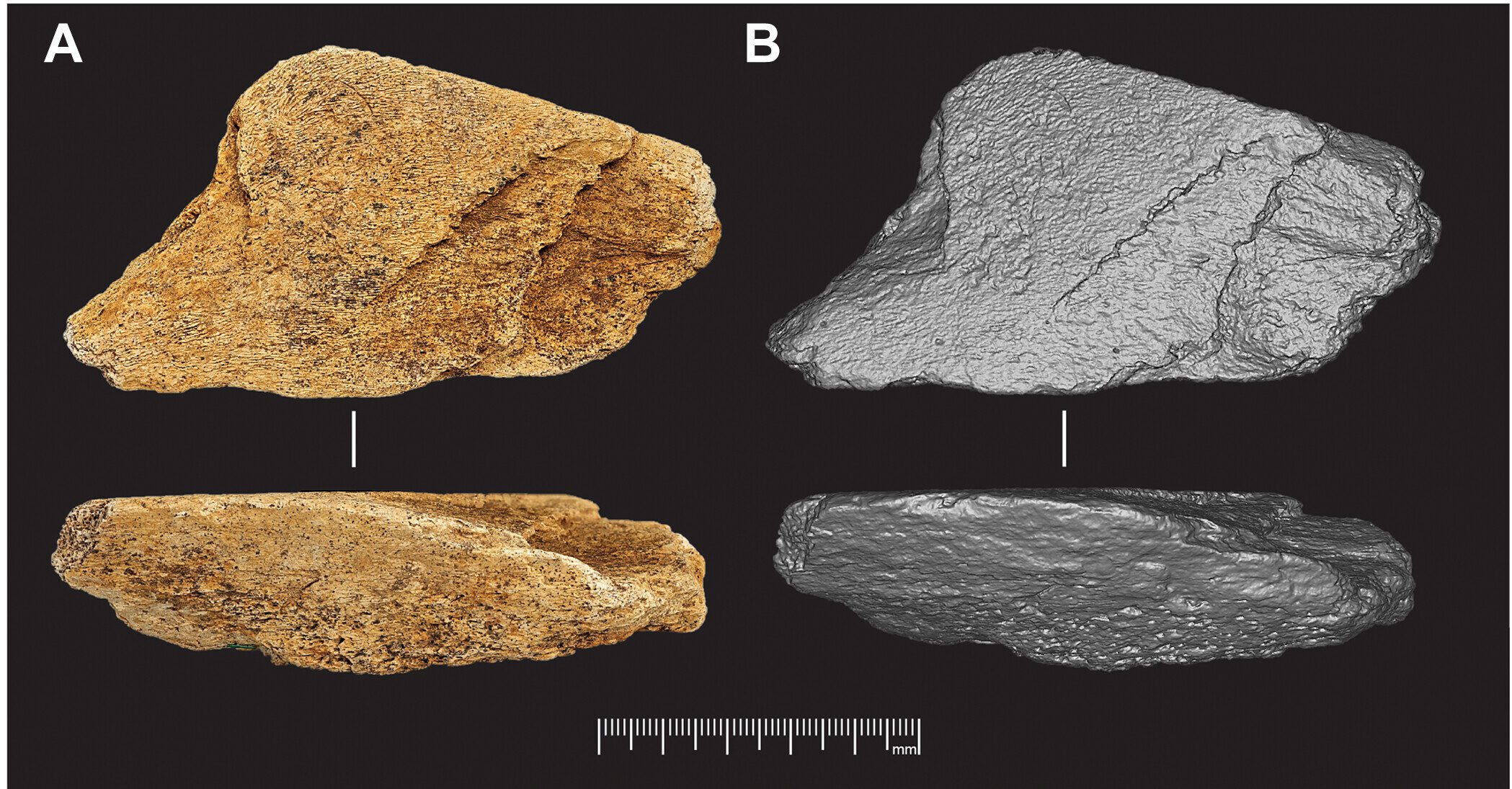
Europe’s Oldest Elephant Bone Tool Reveals Unexpected Skill Among Early Humans in Britain
Archaeologists working in southern England have identified what is now considered the oldest elephant bone tool ever documented in Europe—a discovery that reshapes how researchers understand the technological abilities of early human populations nearly 500,000 years ago. The artefact, a carefully shaped bone hammer, offers rare insight into how early humans in prehistoric Britain selected…
-

Nature Uncovers the Past: Is Neapolis Reappearing on Tunisia’s Coast?
A powerful winter storm has done more than reshape Tunisia’s shoreline. Along the coast of Nabeul, the retreating sea has exposed stone structures that may belong to one of North Africa’s most enigmatic ancient cities. What began as a destructive weather event has now sparked renewed attention toward a long-lost Punic-Roman settlement—Neapolis. When the Sea…
-
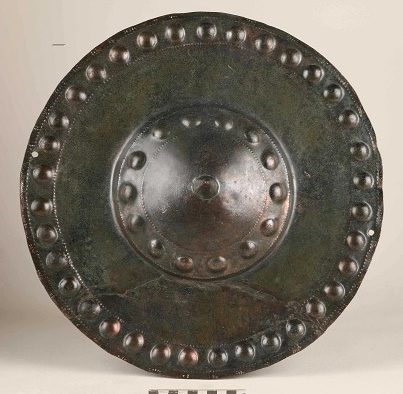
Urartian Bronze Shield Reveals the Name of a Previously Unknown Ancient Country
A bronze shield belonging to the Urartian king Argišti I has produced a rare historical surprise: the name of a land never before recorded in Urartian sources. The shield, now part of the collection of the Rezan Has Museum, carries a cuneiform inscription that identifies a country called Qarini—a name absent from known royal annals,…
-

Humans Made Pottery Long Before They Farmed — And Archaeology Is Catching Up
For more than a century, archaeology taught a simple rule: pottery belonged to farmers. Clay vessels were seen as a technological by-product of agriculture, sedentary life, and the rise of early civilizations.That rule is now collapsing — not because the evidence is new, but because archaeology is finally catching up to it. Long before crops…
-
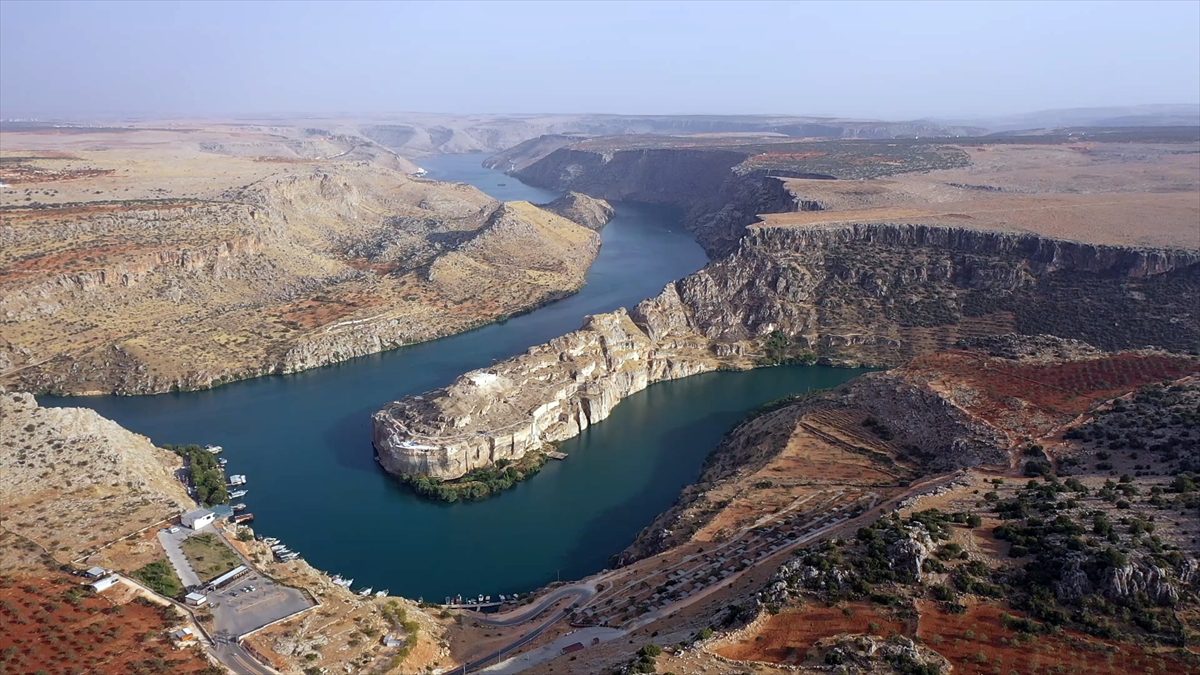
New Research Pushes Human Presence in Anatolia Back Nearly One Million Years
New archaeological research from southeastern Türkiye is significantly extending the known timeline of human presence in Anatolia. Evidence gathered during recent Pleistocene surveys suggests that early human activity in the region dates back nearly one million years, challenging long-held assumptions about Ice Age mobility and settlement patterns. The findings emerge from a large-scale surface survey…
-

Ancient Iberian and Basque May Share a Common Origin, New Linguistic Study Suggests
A new linguistic study is reopening one of Europe’s oldest scholarly debates: whether the ancient Iberian language and Basque (Euskara) share a common origin. By moving beyond surface-level similarities and into the internal structure of inscriptions, the research argues that the parallels between the two languages are systematic, deep, and difficult to dismiss as coincidence.…