-
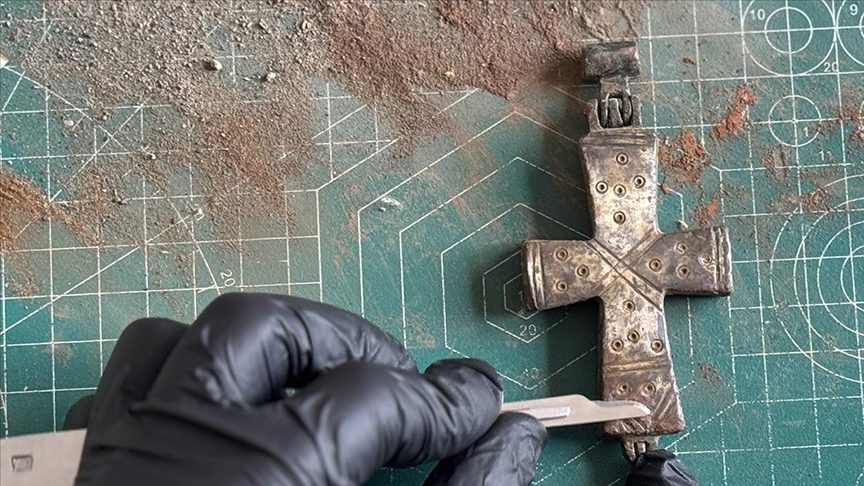
A Sealed Reliquary Cross Discovered at Ancient Lystra, a City Visited by Saint Paul
Archaeologists working in central Anatolia have uncovered a rare Christian artifact at Ancient Lystra—a sealed bronze reliquary cross, preserved exactly as it was closed nearly a millennium ago. The object was found during excavations in the church area of the ancient city, a site closely associated with the missionary journeys of Saint Paul Dating to…
-
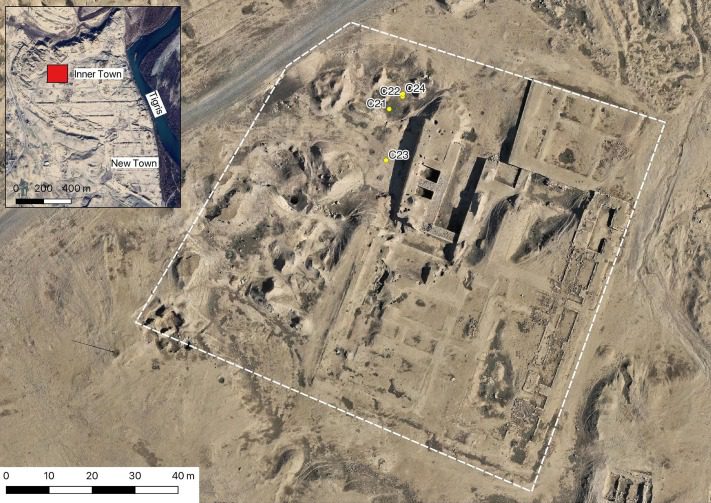
A Hidden Sand Layer Beneath Assur’s Ishtar Temple Is Changing How Scholars Understand Early Mesopotamian Religion
At the heart of the ancient Assyrian city of Assur, archaeologists have uncovered an unexpected detail that is quietly reshaping long-held assumptions about early Mesopotamian belief systems. Beneath the foundations of the city’s oldest Ishtar Temple, researchers identified a thick, deliberately placed layer of sand—an architectural choice with profound ritual meaning. The discovery suggests that…
-
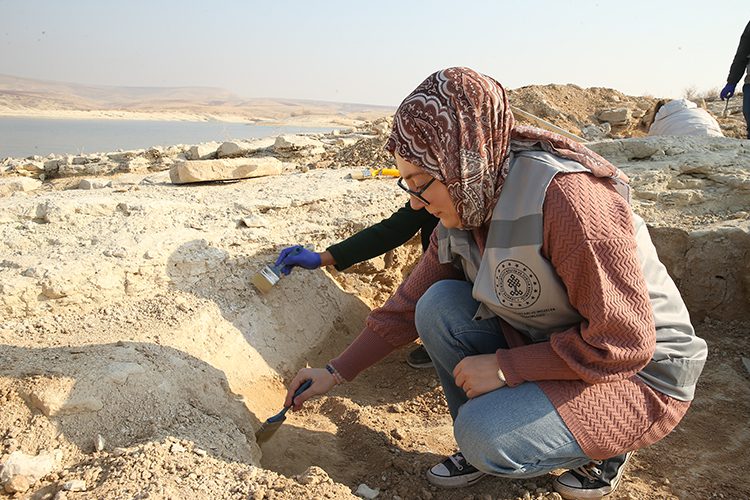
As the Euphrates Receded, Familiar Stones Emerged: Is the Taş Tepeler World Expanding?
When the waters of the Upper Euphrates pulled back, the stones left behind told a story archaeologists know well—but not from this place. Along the exposed shoreline of the Atatürk Dam reservoir in southeastern Türkiye, researchers have identified T-shaped stone elements—a form inseparable from the ritual landscape of Göbeklitepe. Their appearance here, hundreds of kilometers…
-
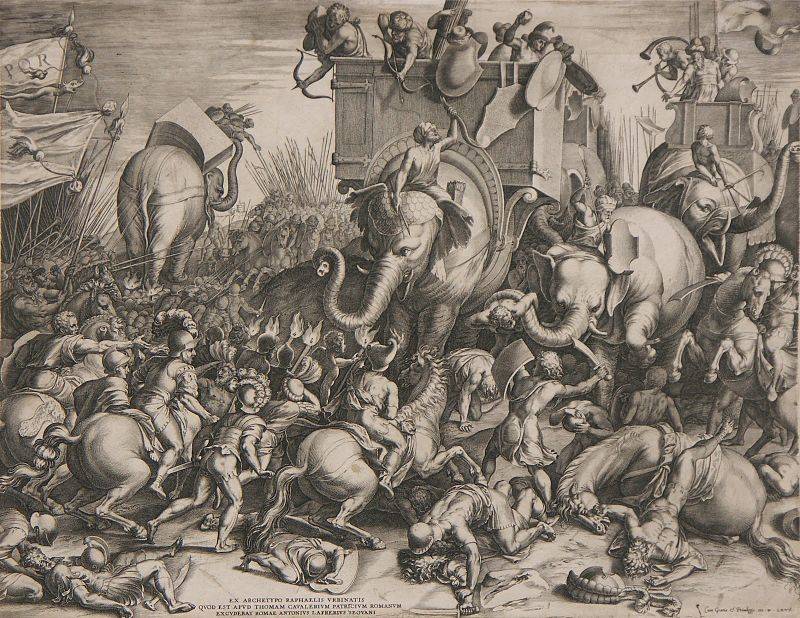
A War Elephant Bone from the Second Punic War Discovered in Córdoba, Spain
Archaeologists working in southern Spain have uncovered a rare and striking piece of physical evidence from one of antiquity’s most violent conflicts. A small elephant bone found in Córdoba has been securely linked to the Second Punic War, offering what researchers describe as a unique example of direct archaeological proof for the presence of war…
-
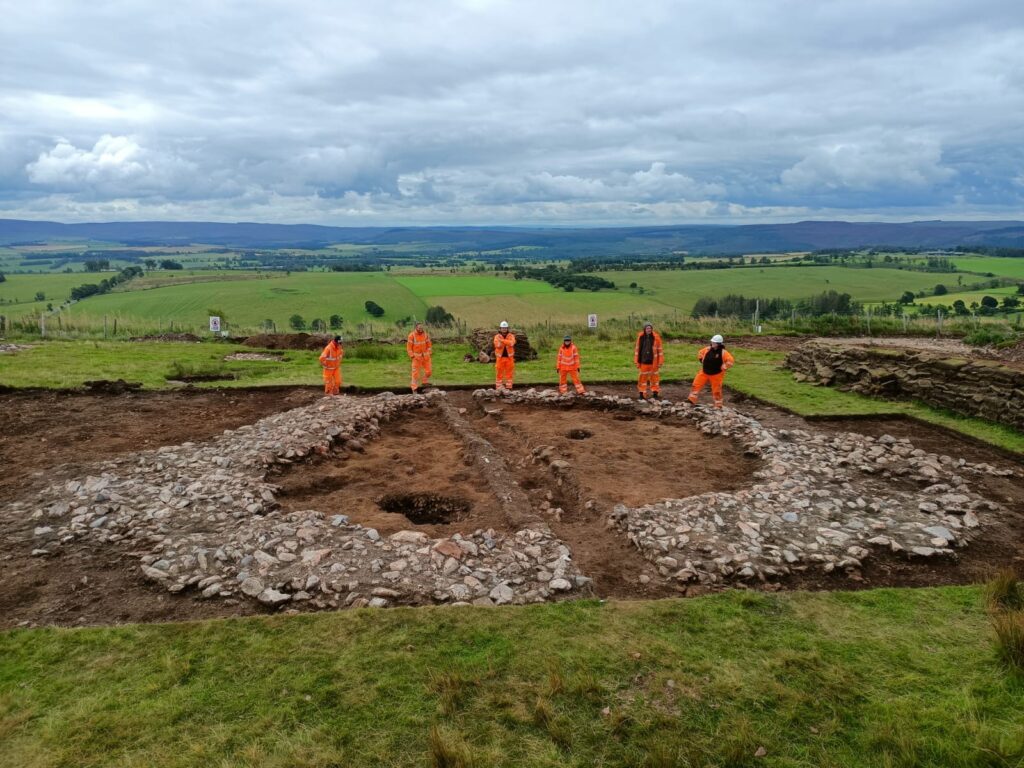
Bronze Age Farmers Reached England’s Cheviot Hills Earlier Than Thought
High in the rolling uplands of northern England, archaeologists have uncovered rare and remarkably complete evidence of Bronze Age life—evidence that is now reshaping how early settlement and farming in the Cheviot Hills are understood. Excavations at Harden Quarry, within Northumberland National Park, have revealed a hilltop landscape where people lived, farmed, and buried their…
-
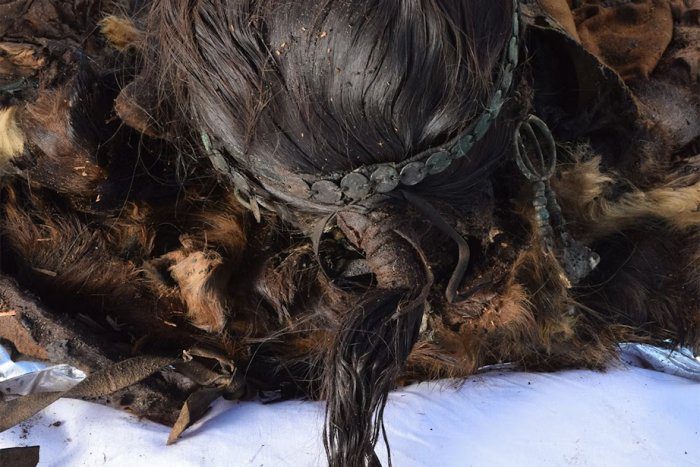
Frozen for 250 Years: DNA Reveals the Defiant Life of Siberia’s Last Shaman
In the deep cold of northeastern Siberia, where winter still reaches –50°C, the past does not decay—it waits. Now, cutting-edge genetic research has given voice to one of the most enigmatic figures ever recovered from the permafrost: an 18th-century Yakut shaman whose life and lineage overturn long-standing assumptions about conquest, culture, and survival. A large-scale…
-
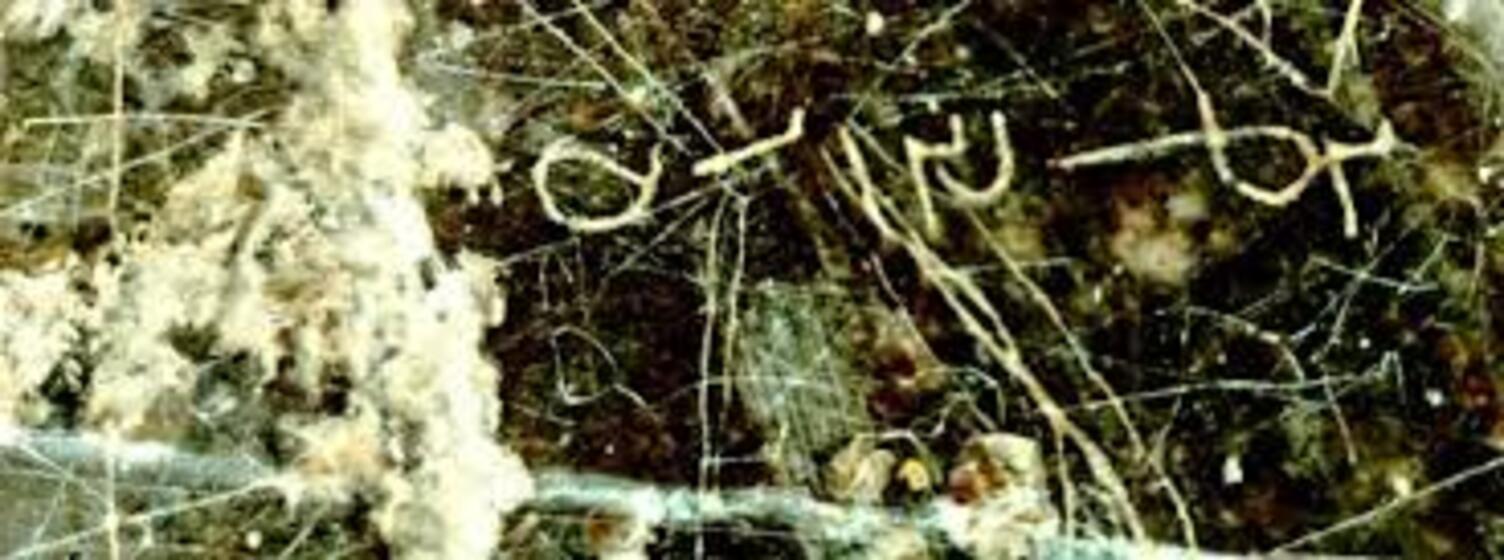
Sassanid-Era Rock Inscription Discovered in Iran Reveals Royal Festival Calendar
Archaeologists working in southern Iran have identified a rare Sassanid-era rock inscription that offers direct insight into how royal ceremonies were timed and commemorated during late antiquity. Carved into limestone cliffs on the Marvdasht Plain, the short text appears to record an official court festival linked to the winter month of Dey, a period of…
-

A 1,400-Year-Old Zapotec Tomb Discovered in Oaxaca, Mexico
Mexico has announced what officials describe as the country’s most important archaeological discovery in more than ten years: an exceptionally well-preserved Zapotec tomb dating to around AD 600, uncovered in the Central Valleys of Oaxaca. The find is already being hailed as a landmark for understanding the social structure, funerary beliefs, and symbolic world of…
-
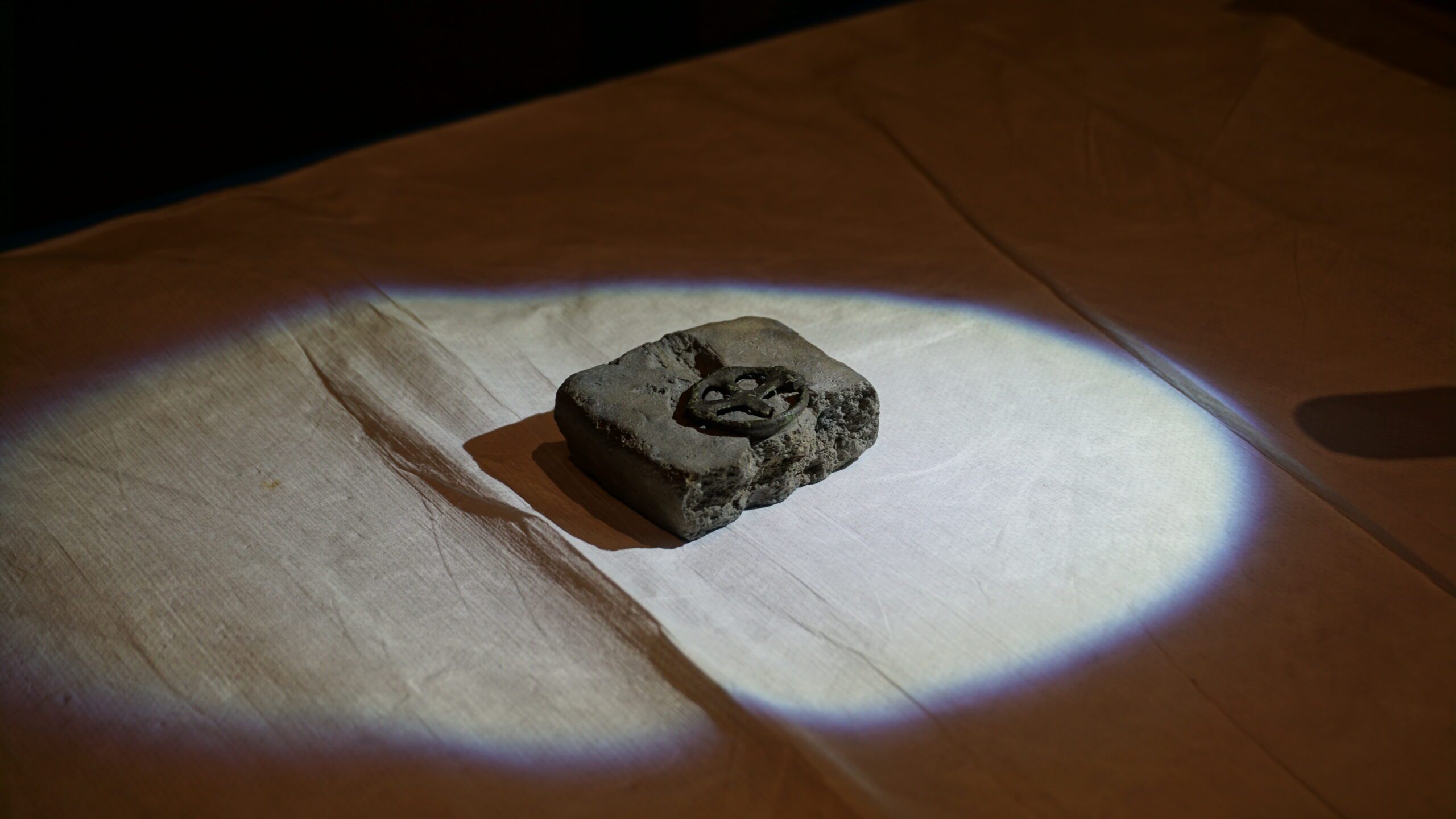
A Small Bronze Cross Is Rewriting the Early Christian History of Northeastern Germany
A modest bronze cross uncovered in western Brandenburg is prompting archaeologists to rethink how early Christianity spread across northeastern Germany during the early Middle Ages. Dating to the late 10th or early 11th century, the object is unremarkable in size—but extraordinary in what it reveals. What makes the find exceptional is not merely its age,…