-
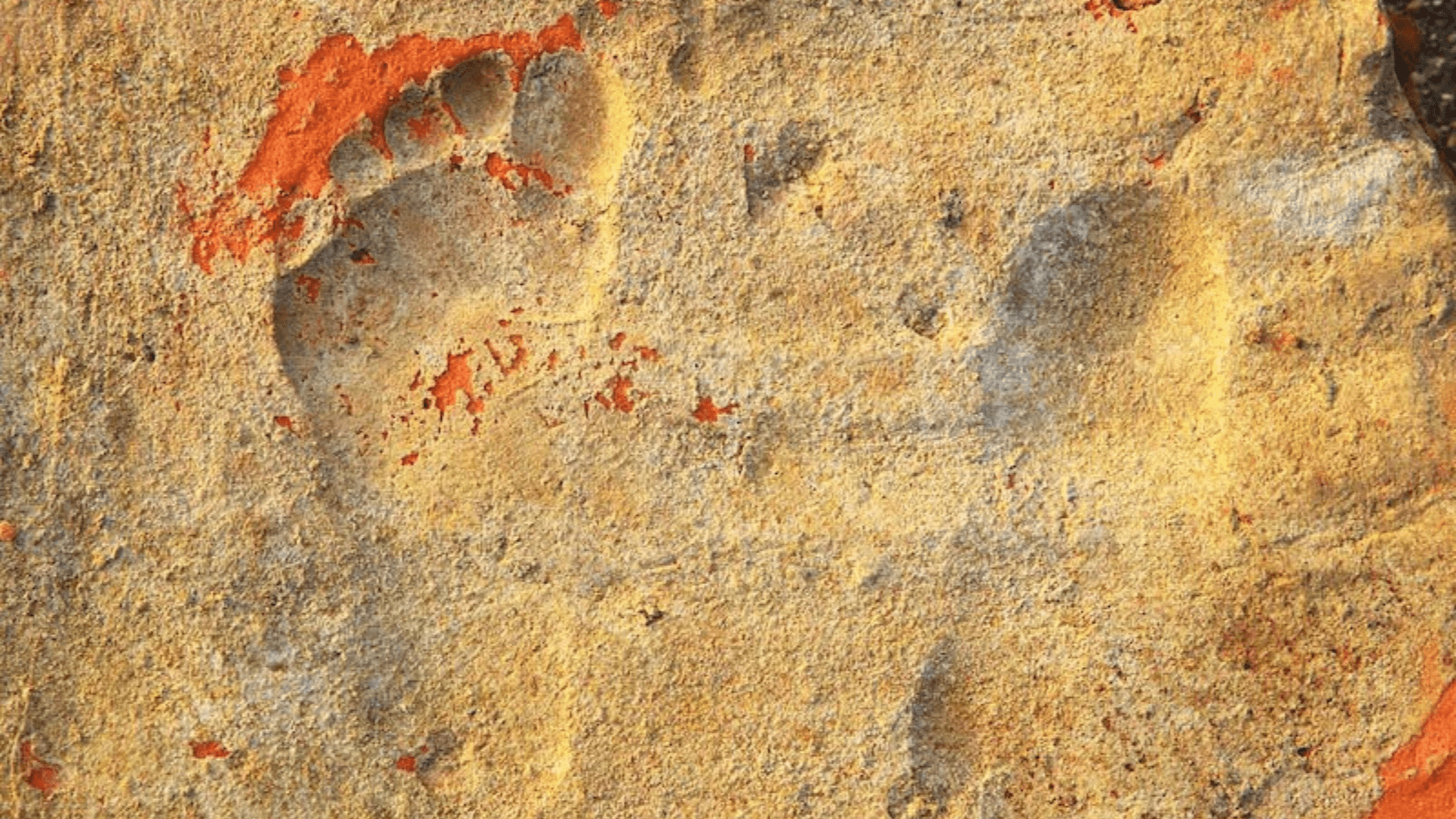
Three Children Left Their Footprints at Stratonikeia 1,900 Years Ago
The monumental ruins of Stratonikeia preserve the names of rulers, the decisions of civic officials and the ambitions of wealthy builders. Its latest discovery records something far quieter: the footsteps of three children who lived nearly 1,900 years ago. Archaeologists uncovered the footprints during excavations at a Roman bath complex in the ancient city, located…
-
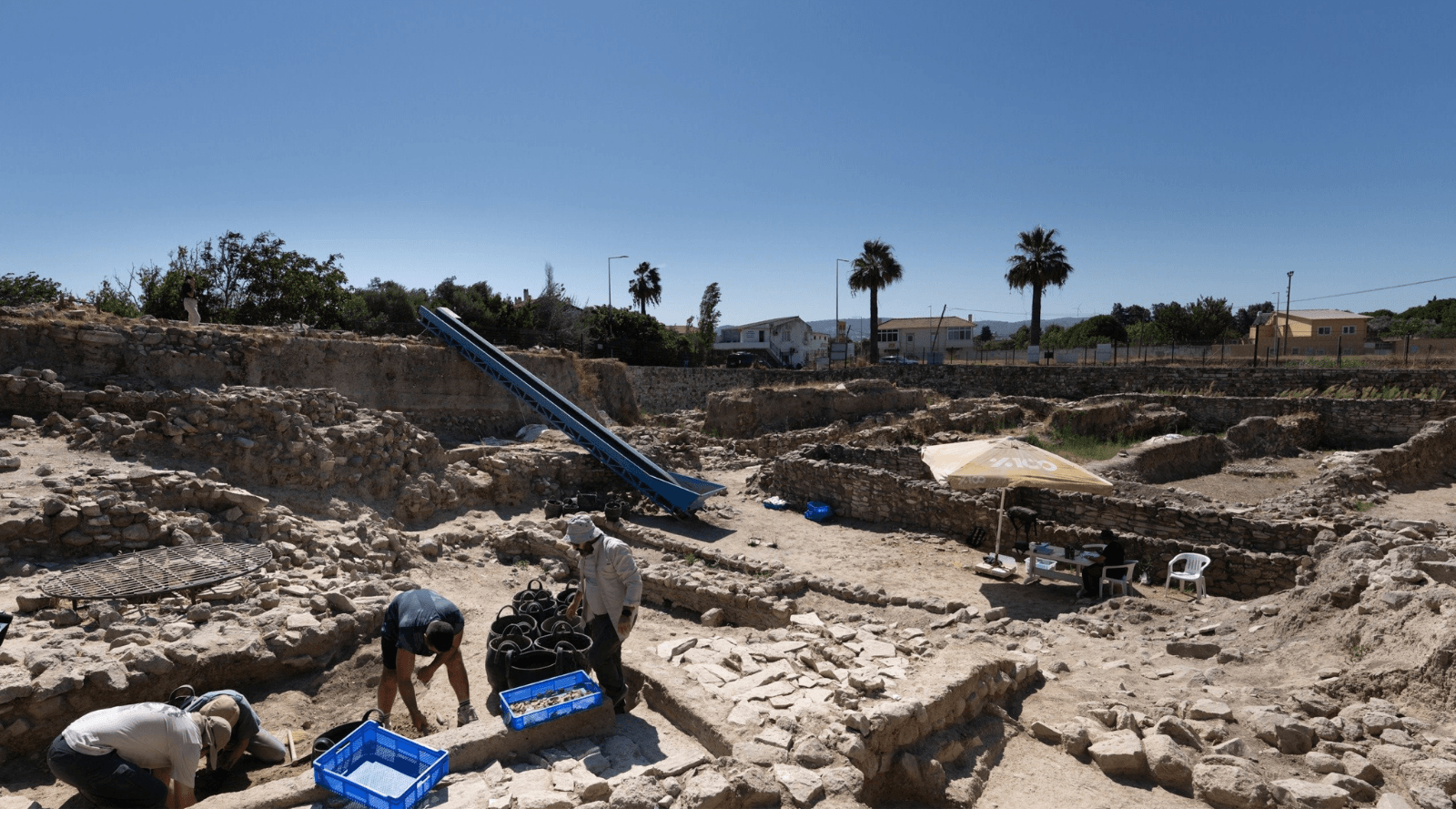
5,000-Year-Old Drainage System Reveals Early Planning in Western Türkiye
Archaeologists excavating Liman Tepe, a prehistoric coastal site in western Türkiye, have uncovered a stone drainage system built approximately 5,000 years ago. The channels ran between terraces at different elevations and probably directed rainwater toward a designated part of the site. Located in Urla, İzmir, Liman Tepe was an important coastal centre during the Early…
-
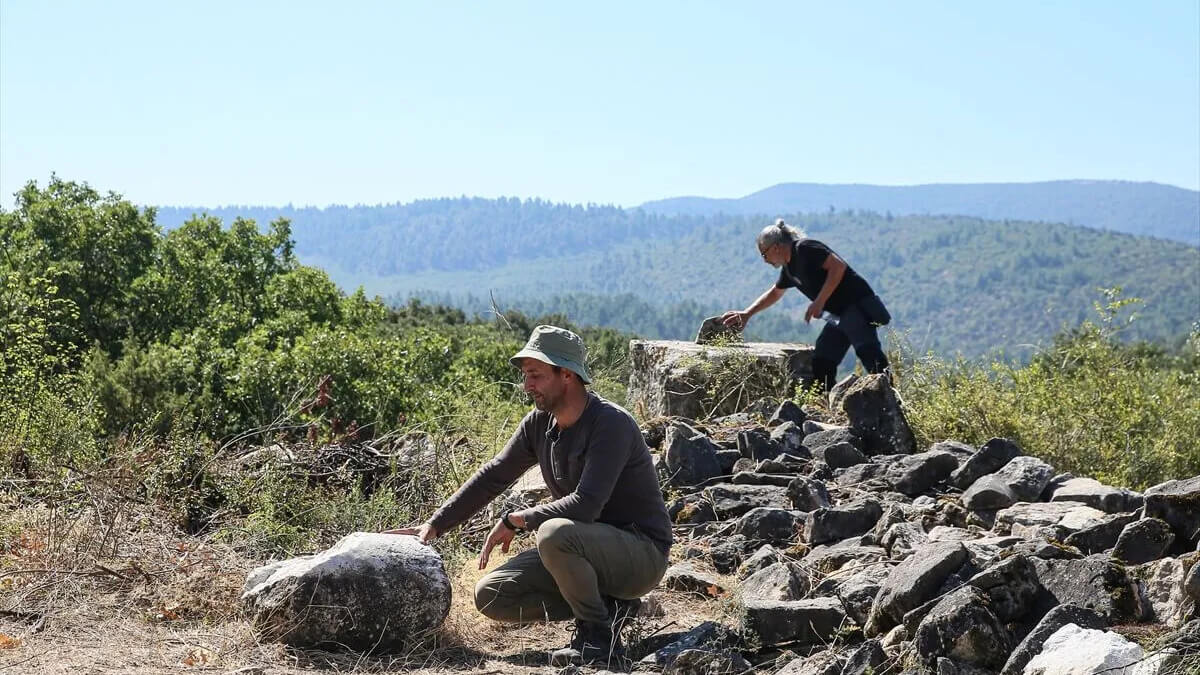
Excavations Begin at Hadrianoi, the Hidden Roman City in Türkiye
A monumental building has begun to emerge at Hadrianoi, a hidden Roman city on the southern slopes of Mount Uludağ in northwestern Türkiye. Archaeologists say the structure may have served as an agora or gymnasium, although its identity will remain uncertain until they reach the original floor. The excavation is being conducted by the Bursa…
-
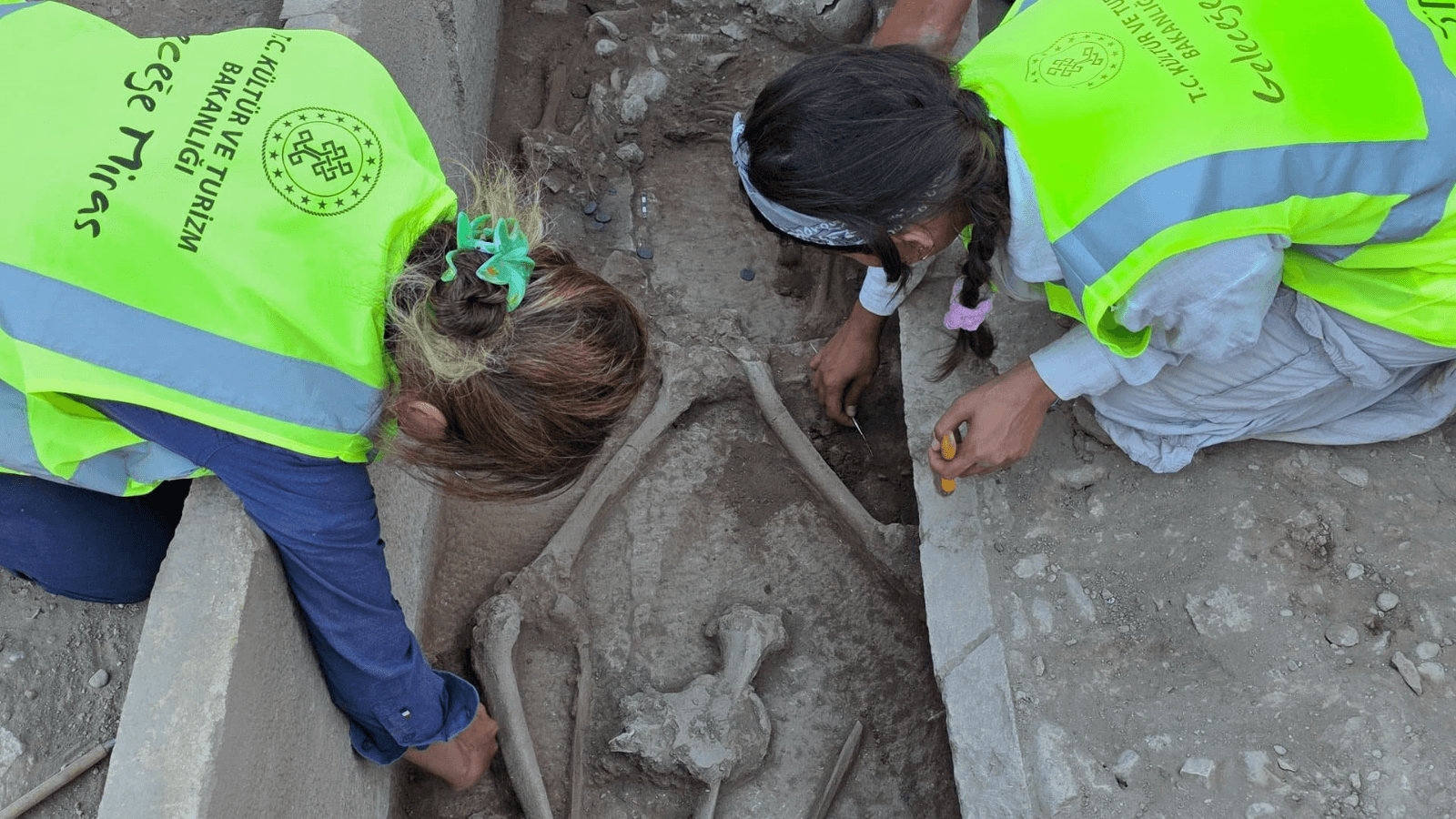
2,400-Year-Old Tomb Found at Aspendos May Have Belonged to a Wrestler
Archaeologists excavating the ancient city of Aspendos in southern Türkiye have uncovered a roughly 2,400-year-old cist grave containing coins decorated with images of wrestlers, raising the possibility that the person buried there may have been connected to sport. The grave was discovered in the newly identified Eastern Necropolis, the first burial area of its kind…
-
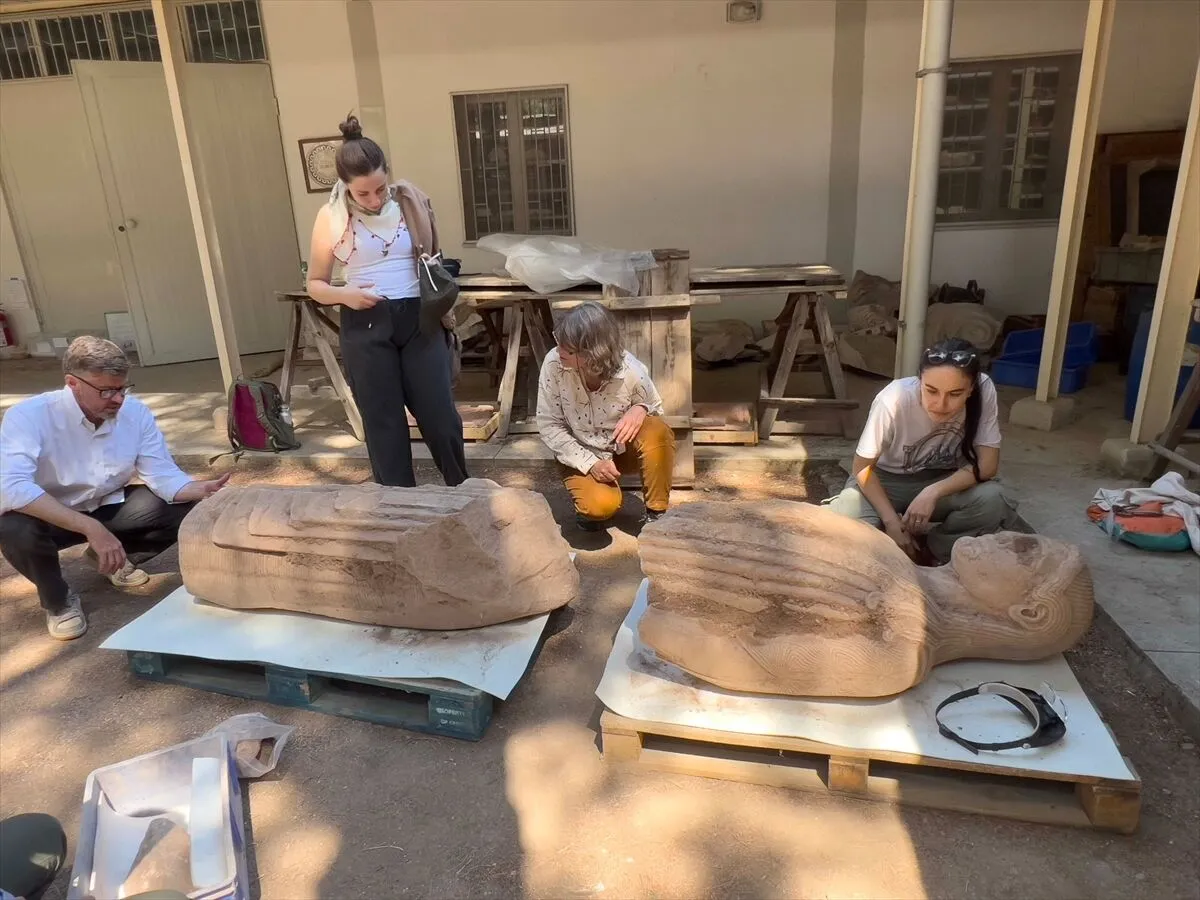
A 2,500-Year-Old Statue of a Long-Haired Young Man Emerges from Beneath a Roman Street at Sardis
Roman builders at Sardis once laid a monumental marble statue face down beneath a colonnaded street. Centuries later, that act of reuse helped preserve the young man’s face, long hair and clothing in remarkable detail. The statue was uncovered during excavations at the ancient city in western Türkiye’s Manisa Province. Türkiye’s Ministry of Culture and…
-
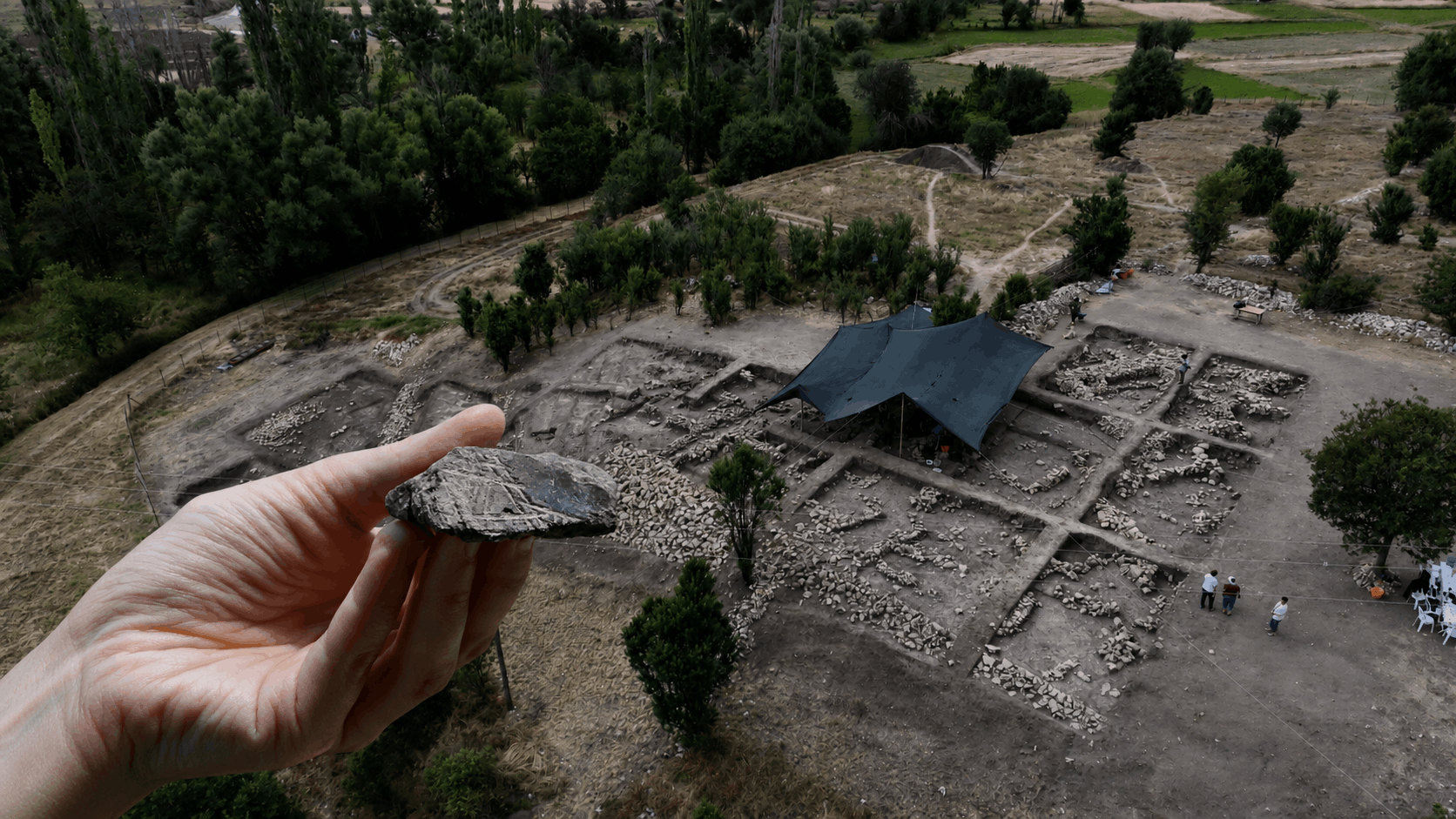
5,000-Year-Old Melos Obsidian Found at Çaltılar Höyük Reveals Aegean Connections
Archaeologists excavating Çaltılar Höyük in southwestern Türkiye have uncovered stone tools made from obsidian originating on the Aegean island of Melos. The discovery shows that the highland settlement was connected to long-distance exchange networks around 5,000 years ago, linking the Aegean islands with inland Anatolia. Çaltılar Höyük lies in the Seydikemer district of Muğla, around…
-
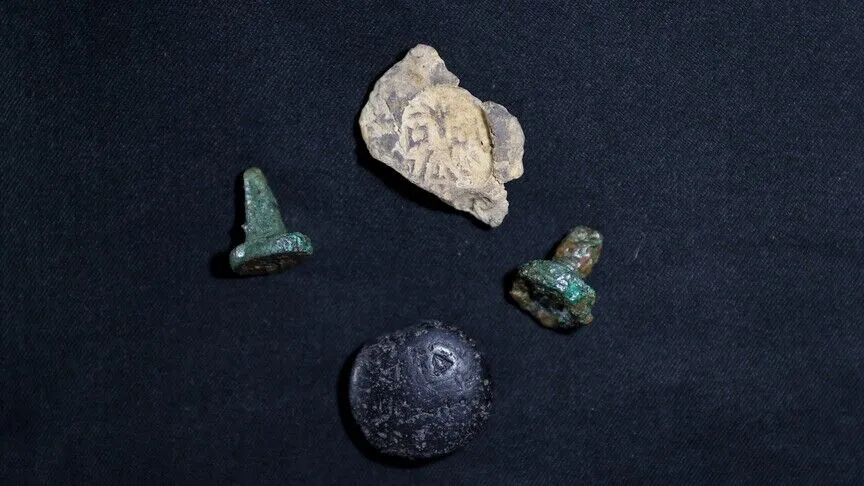
3,500-Year-Old Luwian Seal Names a Bronze Age Official at Türkmen Karahöyük
A stone seal discovered at Türkmen Karahöyük in central Türkiye preserves the name and title of an official called Kurunti-ziti, offering new evidence for an organized administrative system on the Konya Plain during the Late Bronze Age. Most Bronze Age administrators vanished without leaving their names behind. Their documents decayed, their offices disappeared and the…
-
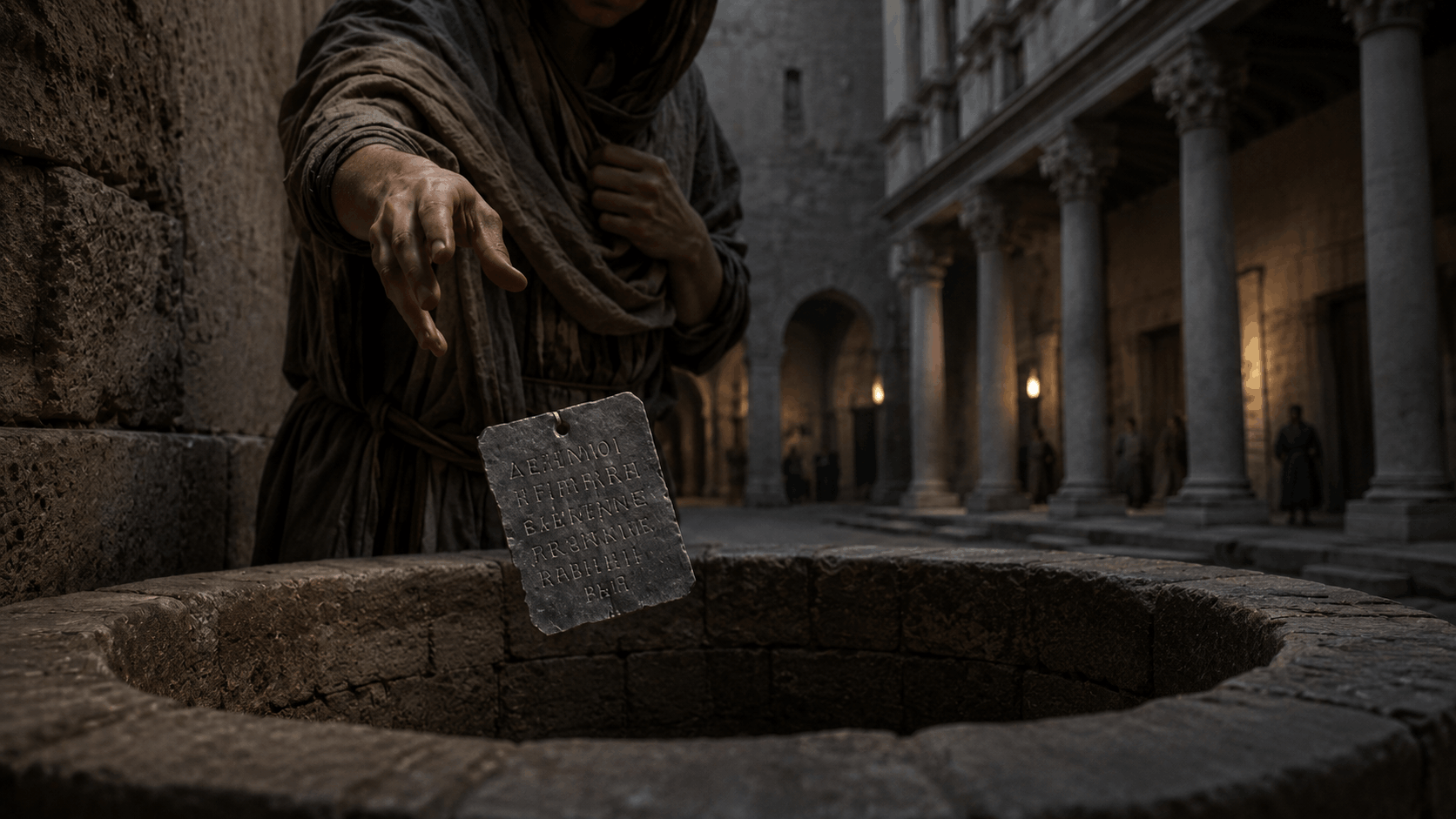
A 1,700-Year-Old Antioch Curse Tablet Called on Iao to Destroy a Greengrocer
A roughly 1,700-year-old curse tablet from ancient Antioch called upon Iao—the Greek form of the divine name Yahweh—to attack an ordinary greengrocer named Babylas. Inscribed in Greek on a thin sheet of lead, the spell was not directed against an emperor, military commander or wealthy official. Its target was a man who sold fruit and…
-
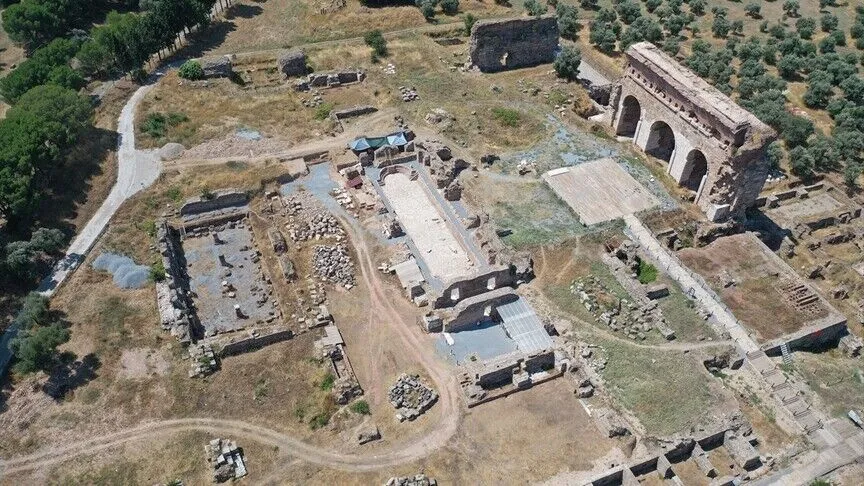
A 56-Kilometre Water System Fed Tralleis’ 2,000-Year-Old Roman Pool
A Roman pool capable of holding around 300 people has been fully excavated at Tralleis, an ancient city near Aydın in western Turkey. The 2,000-year-old basin was supplied with fresh water through a network stretching approximately 56 kilometres from the mountains north of the city. The open-air pool measures 37 metres long and 12 metres…