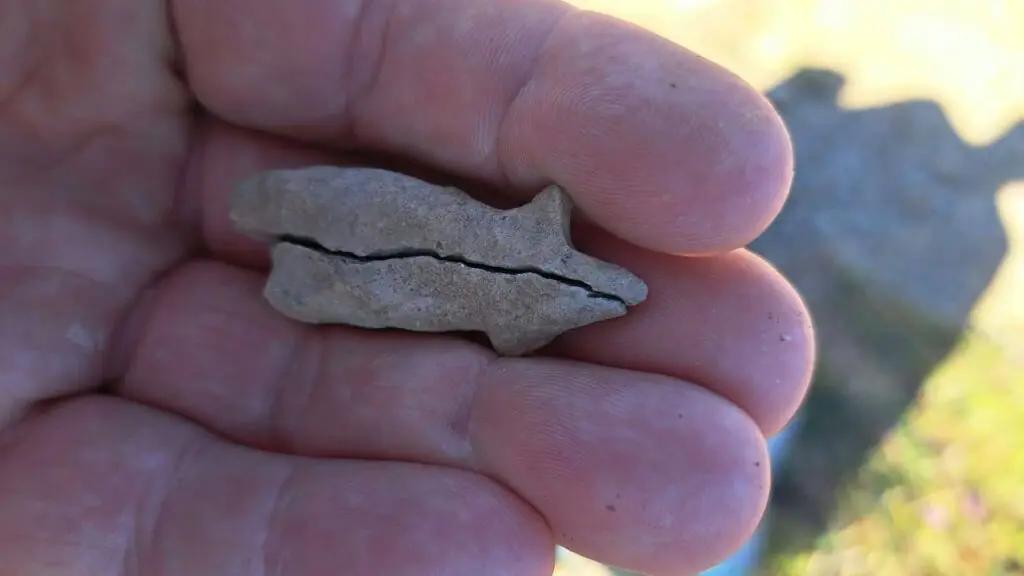
Archaeologists have discovered a 6,500-year-old female figurine at the Dâmbul Cetății site in Transylvania. The discovery was announced by the National Museum of the Eastern Carpathians (MNCR).
A Big Surprise on the First Day
According to the museum’s statement, the figure—dating to the Chalcolithic (Copper Age), approximately 4500–4050 BCE—was found at the Dâmbul Cetății settlement, located on a natural rocky outcrop near the village of Șoimeni in Harghita County. The artifact belongs to the Cucuteni culture, famous for its female figurines. The Cucuteni culture is known for its artistically decorated vessels, spiral patterns, and stylized female figures. This new piece completes the collection of extraordinary prehistoric depictions of women previously unearthed in the same area.
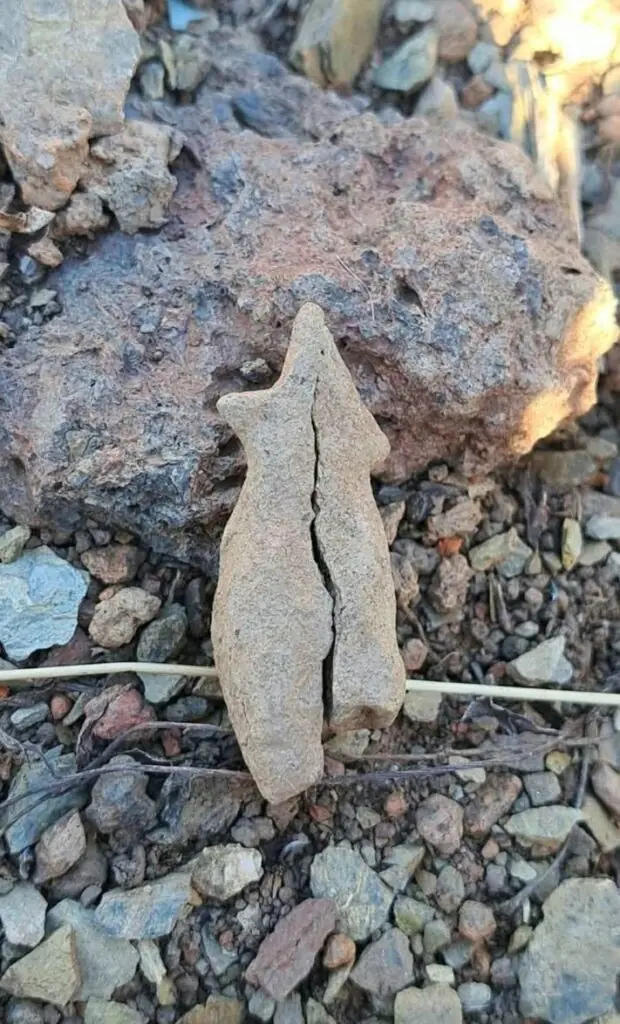
Made of Two Pieces: The Secret of Its Creation Revealed
The ancient artisan shaped the figurine from two pieces of clay that had been joined together before firing. Over the course of thousands of years, environmental conditions caused the object to crack precisely at this joint. This allowed archaeologists to directly observe an important detail about the production process. The museum has not yet released detailed information regarding the figurine’s exact dimensions or specific purpose. However, this detail provides new evidence of the advanced clay-working techniques used by the Cucuteni communities.
Previously Discovered Giant Figurines
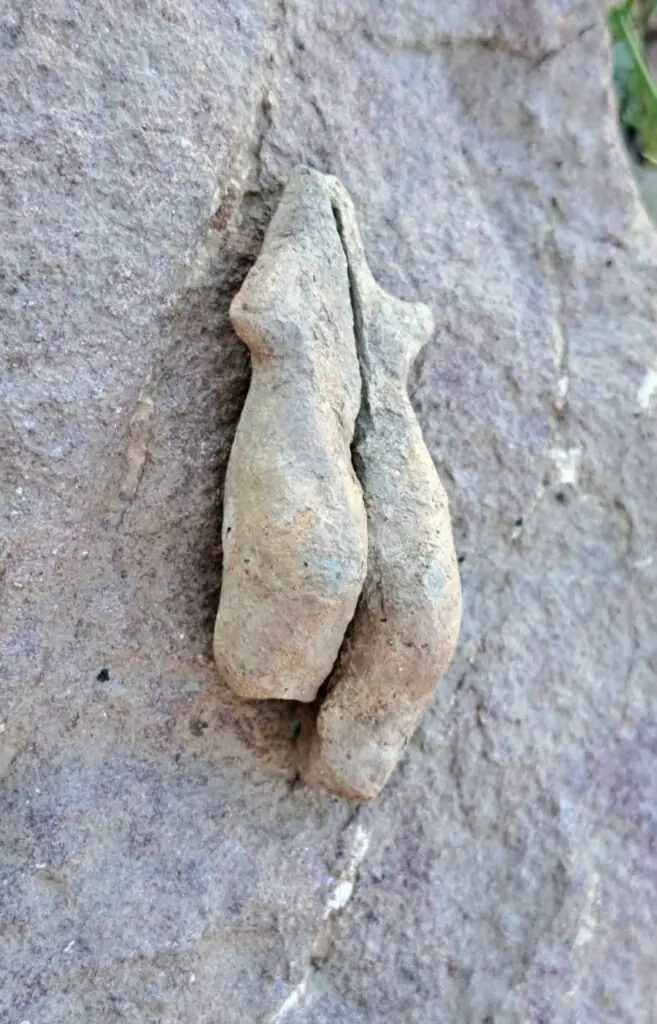
At the same site, archaeologists had previously unearthed unusually large female figurines. Some of them were over 25 centimeters tall. These pieces are considered among the exceptional examples of figurative art from the Cucuteni-Ariușd culture.
A study published in 2015 by archaeologists Dan-Lucian Buzea and Adela Kovács examined these large figurines. Scientific imaging techniques revealed that some of the large figurines were created by joining separate clay masses before firing. Some of the figurines were found in groups inside buildings that had collapsed as a result of fire. This raises questions about whether certain structures were used for ceremonial purposes or whether the objects were part of rituals associated with the destruction and abandonment of the buildings.
A Goddess or a Symbol of Fertility?
The museum highlights the potential connection between these artifacts and female deities and beliefs in fertility. However, the exact meaning of the figurines remains unclear. Archaeologists emphasize that it is not possible to automatically interpret every depiction of a woman as a “goddess.”
This discovery once again highlights the richness of Transylvania’s prehistoric settlements. While the communities of the Cucuteni culture engaged in agriculture and animal husbandry, they also developed highly advanced pottery craftsmanship. Excavations at Dâmbul Cetății have been ongoing since 1999, and the site is considered one of the region’s most important archaeological sites.