-
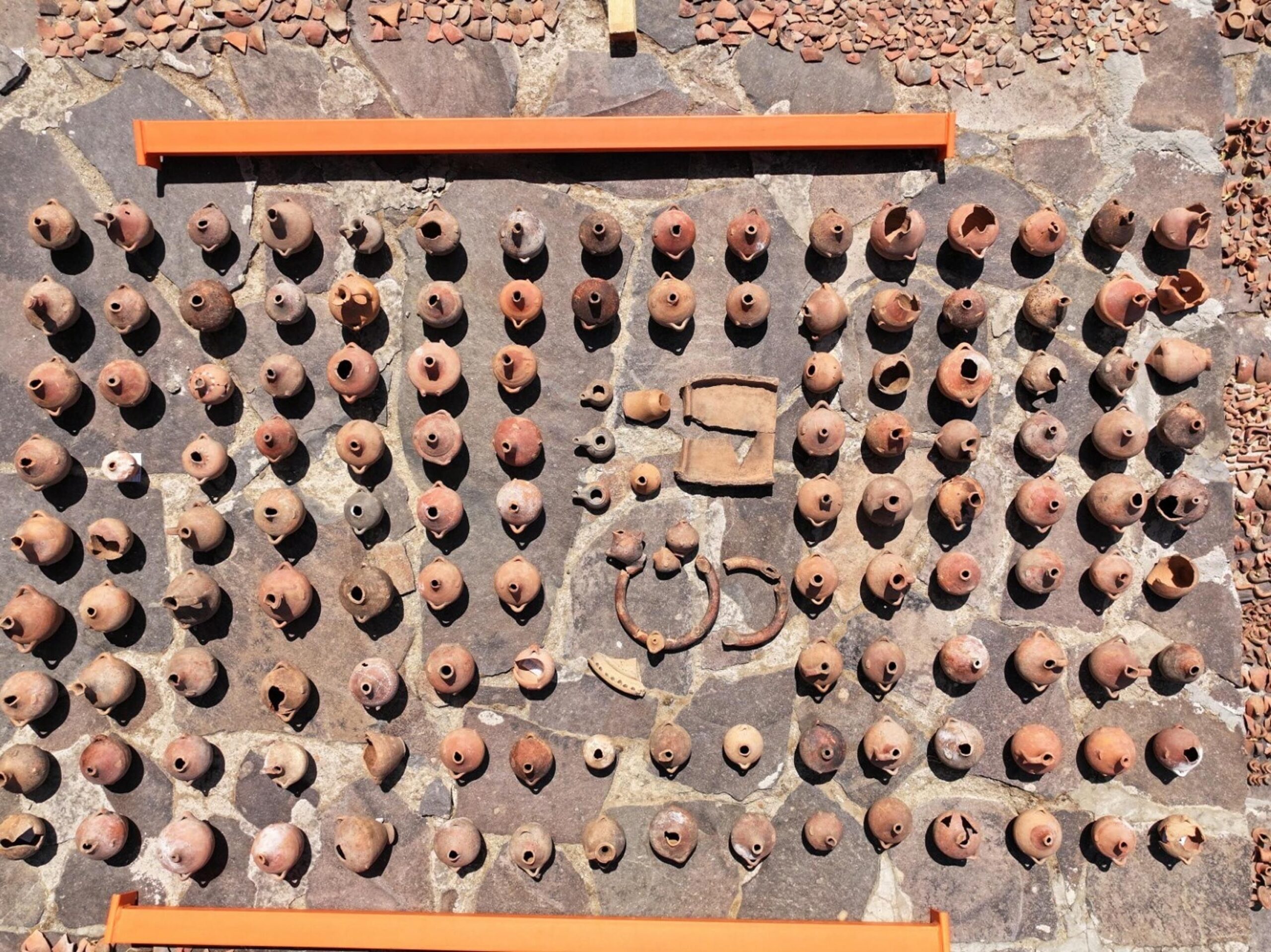
3,000 Ritual Water Vessels Unearthed at Aigai’s Demeter Sanctuary in Western Türkiye
On a windswept ridge above the fertile plains of western Anatolia, archaeologists have uncovered something unexpectedly intimate: thousands of small clay vessels once filled with water and offered in devotion. Excavations at the Demeter–Kore Temple in the ancient city of Aigai have revealed approximately 3,000 terracotta hydriskoi — small ritual water containers — concentrated in…
-
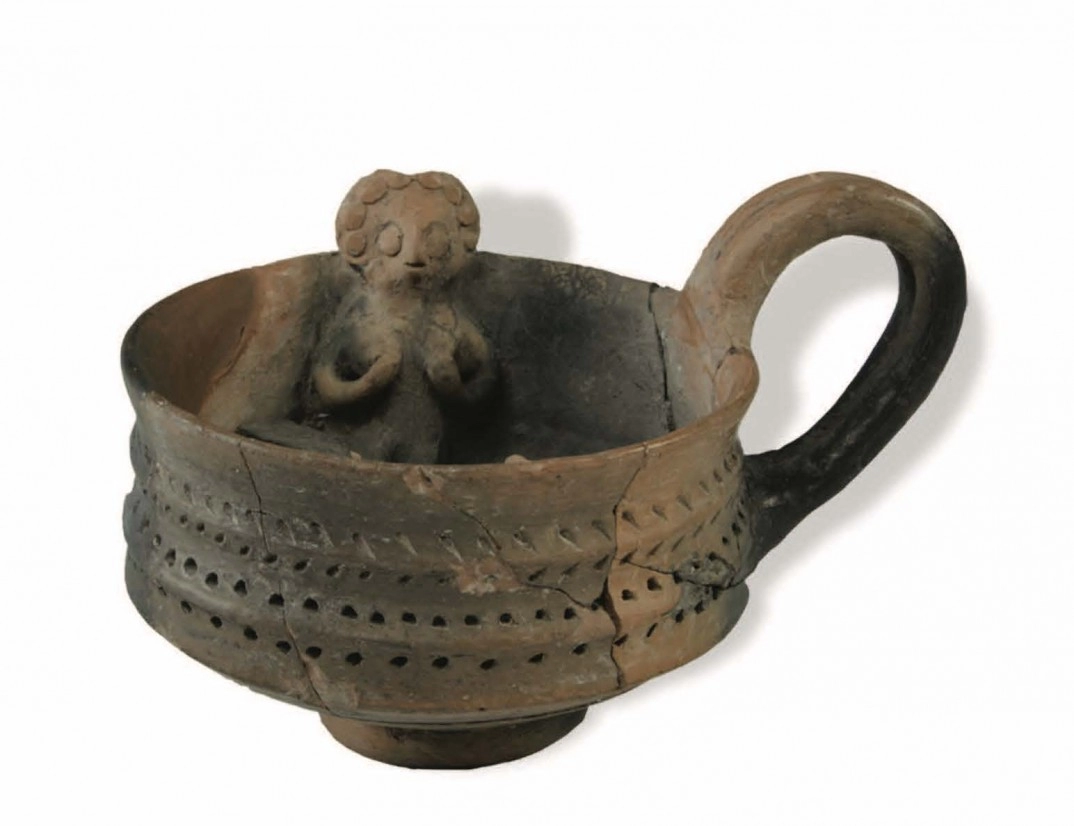
A Hittite Goddess Vessel from Eskiyapar and the Ritual of “Drinking the God”
The Hittites are often remembered for their fortified capitals, stone reliefs, and royal archives carved onto clay tablets. Yet behind their political power lay a dense and symbolic religious world, one in which gods were not distant beings but active participants in daily and ceremonial life. Some of their most intriguing rituals are described in…
-
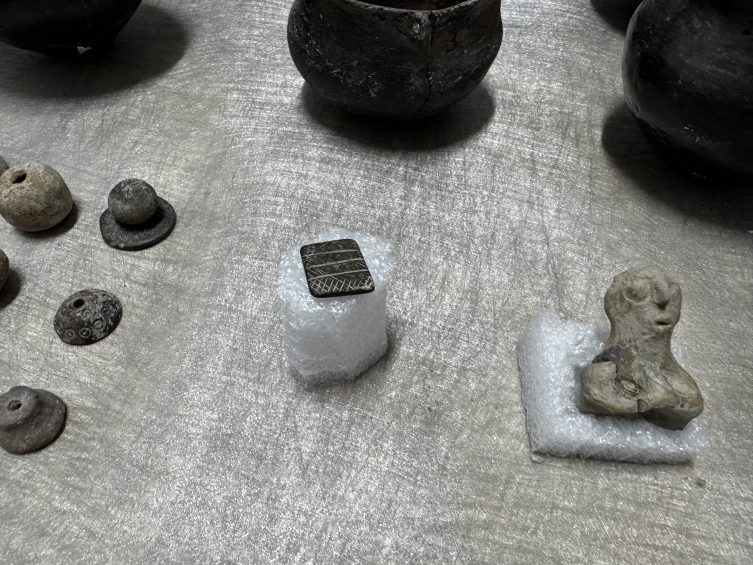
A 7,500-Year-Old Stone Seal Reveals Early Identity and Ownership in Prehistoric Anatolia
At first glance, it is a small object—unassuming, made of stone. Yet the seal recently uncovered at Tadım Höyük carries a weight far beyond its size. Dating back roughly 7,500 years, the artifact offers rare insight into how some of Anatolia’s earliest communities began to define identity, ownership, and social order long before the invention…
-
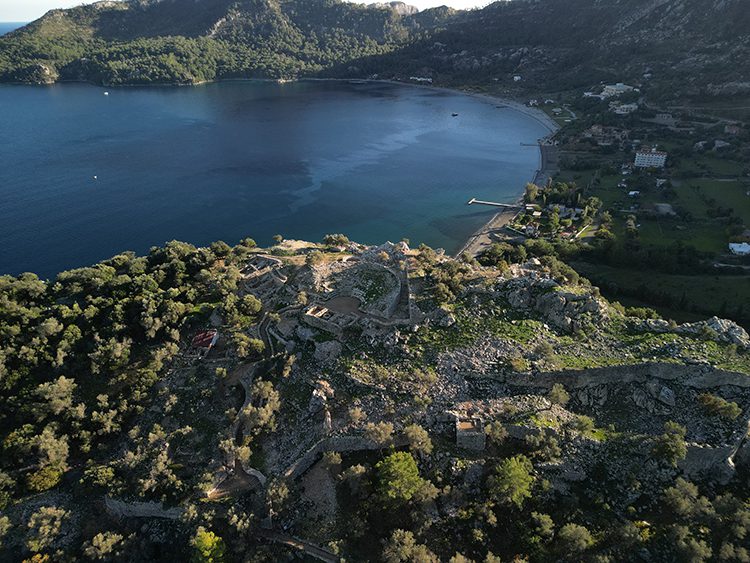
Rare Silver Pendant Bearing Symbols of the Assyrian Goddess Ishtar Unearthed at Amos in Southwestern Anatolia
Archaeologists working at the ancient city of Amos, near modern-day Marmaris on Türkiye’s southwestern coast, have uncovered a rare silver pendant decorated with symbols associated with the Assyrian goddess Ishtar. Although modest in size, the object offers significant insight into the city’s long-distance cultural and commercial connections with the ancient Near East. A symbolic object…
-
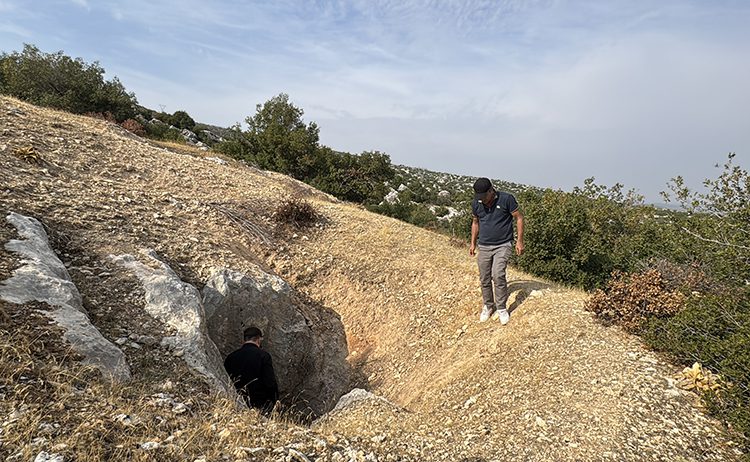
Rare 1,800-Year-Old Domed Roman Tomb Unearthed in Anatolia
Hidden within the rugged hills of southeastern Anatolia, a newly identified Roman-period tomb is offering an unusually intimate glimpse into elite burial traditions of the 2nd century CE. Archaeologists working near the town of Besni, in Adıyaman, have documented a domed funerary chamber unlike anything previously recorded in the province—both in scale and in architectural…
-
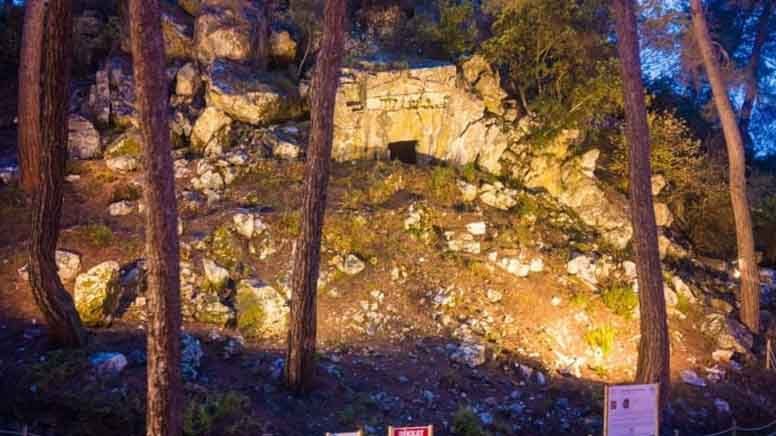
A 2,500-Year-Old Doric Rock-Cut Tomb from Ancient Caria Is Being Preserved in Marmaris
Carved directly into the limestone above Marmaris, a coastal town on Turkey’s southwestern Aegean shoreline, a 2,500-year-old rock-cut tomb is drawing renewed scholarly attention as conservation measures secure its long-term survival. Known as the Yeşilbelde Rock Tomb, the monument has been placed under strict protection—not as a result of a new discovery, but because its…
-
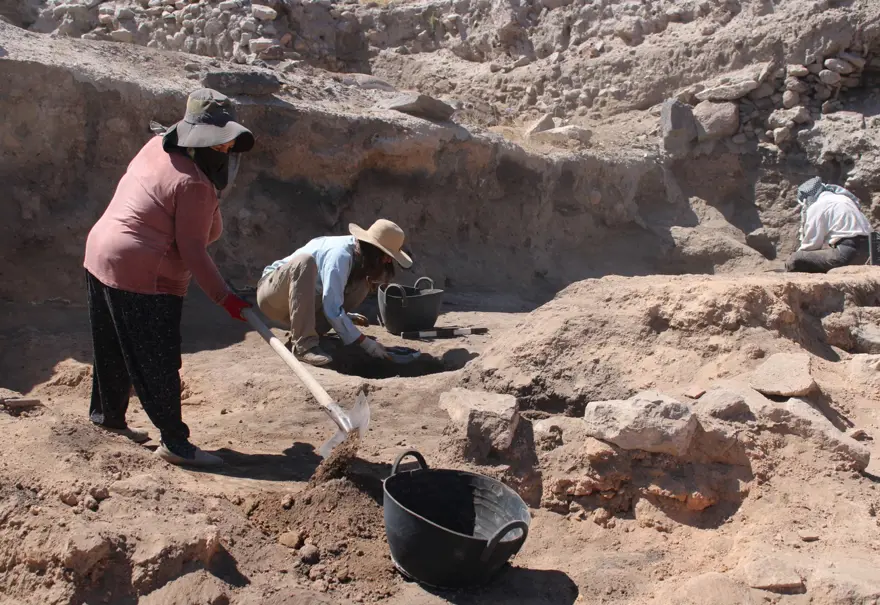
A Palace Beneath a Palace Discovered at Kültepe, Home to Anatolia’s Earliest Written Records
At Kültepe Kaniš-Karum, the site where Anatolia’s earliest written documents were first uncovered, archaeologists have made a discovery that pushes the region’s history deeper than previously understood. Excavations have revealed the remains of a monumental palace complex hidden beneath a known palace, pointing to a powerful authority that predates the Assyrian merchant period traditionally associated…
-
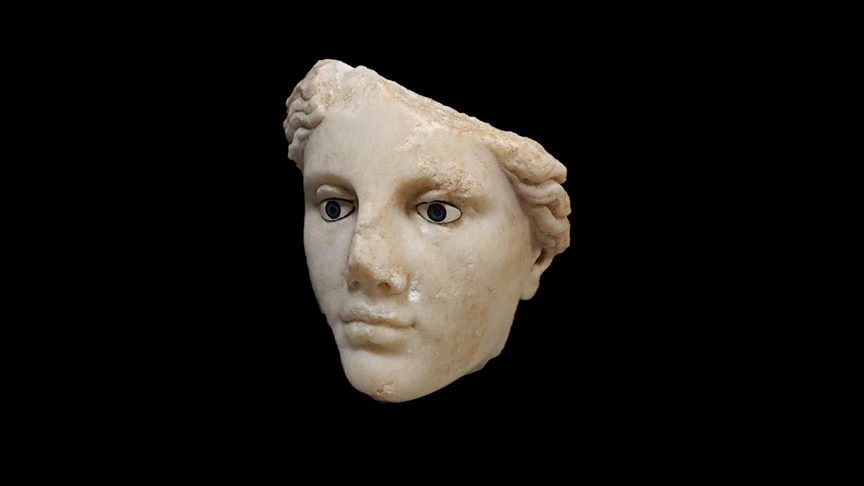
Monumental Hellenistic Goddess Head Unearthed in Metropolis: Researchers Point to Hestia
The late afternoon light often falls gently across the slopes of Izmir’s Torbalı district, but this season it illuminated something far rarer: the finely carved head of a Hellenistic-period goddess emerging from the soil of ancient Metropolis. The discovery, made inside a structure identified as a commercial building, is already being described as one of…
-
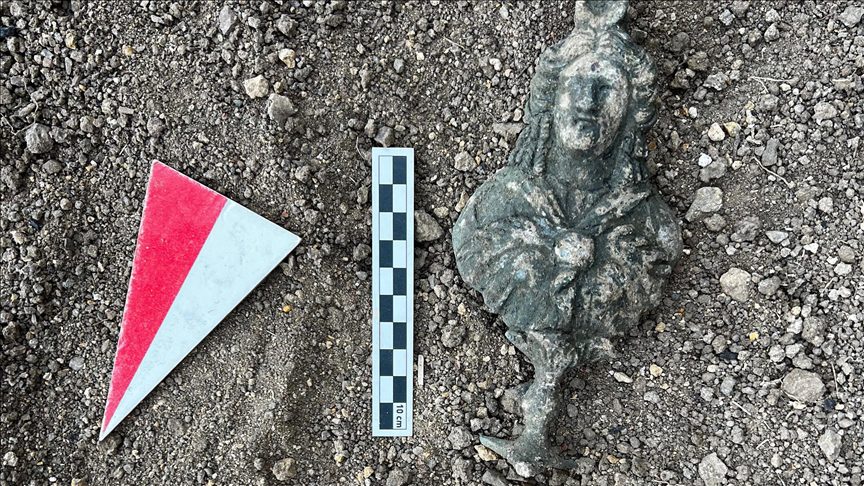
Bronze Bust of Egyptian Goddess Isis Unearthed at Ancient Satala in Türkiye’s Black Sea Region
A rare bronze depiction of Isis, uncovered in the ancient Roman military site of Satala, reveals traces of eastern cults among the legionaries stationed in northern Anatolia. Archaeologists excavating the Roman fortress of Satala, located in the Kelkit district of Gümüşhane, Türkiye, have unearthed an exceptional bronze bust of the Egyptian goddess Isis — a…