
Sillyon Ancient City, known for defying Alexander the Great, is once again drawing attention as its formidable defensive walls undergo restoration in southern Turkey.
Rising above the plains of ancient Pamphylia, Sillyon was never an easy target. Its steep and naturally protected terrain already posed a serious challenge to any advancing army. Yet what truly defined the city was a deliberately engineered defense system that transformed natural advantage into near-total military security.
Why Even Alexander Could Not Take Sillyon
Unlike many cities that fell during Alexander’s campaign across Anatolia, Sillyon remained unconquered. The reason lies in a strategic combination of geography and architecture rather than a single fortification.
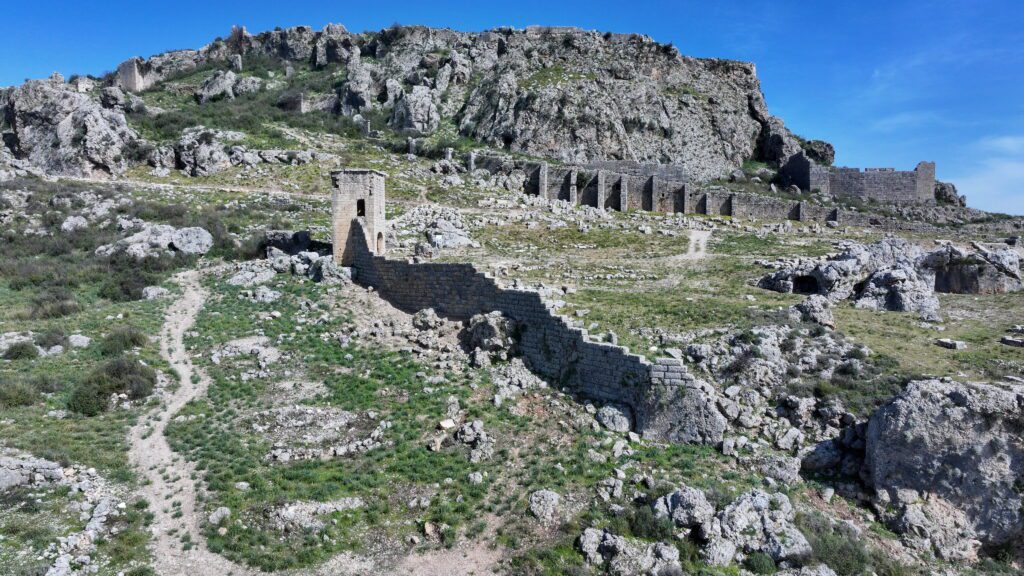
With a history of continuous settlement stretching back nearly 7,000 years, the city occupied a high, rugged plateau that limited access. In antiquity, this alone created a natural defensive barrier. However, during the Hellenistic period, the inhabitants took additional measures to eliminate even the slightest vulnerability.
The only accessible side—the western approach—was reinforced with a secondary line of walls. Towers were positioned at regular intervals, creating a layered defensive network that effectively turned Sillyon into an unconquerable stronghold.
As excavation director Assoc. Prof. Dr. Murat Taşkıran explains, this system left little room for weakness:
“Even though the city was already naturally protected, the western side was fortified to prevent any possible vulnerability. With the addition of walls and towers, the defense became virtually impossible to overcome.”
Notably, there is no clear historical evidence that Sillyon ever suffered a major destructive assault.
Restoration Brings the Defensive System Back Into View
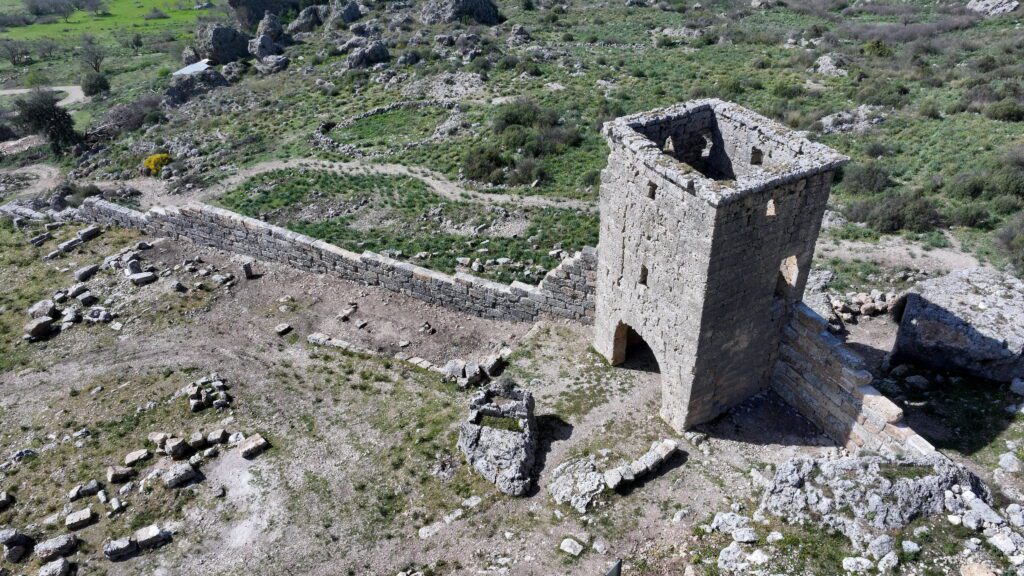
Recent restoration work has focused on the western fortifications, where sections of the Hellenistic walls had partially collapsed over time. These damaged portions have now been rebuilt using original materials, preserving the authenticity of the structure.
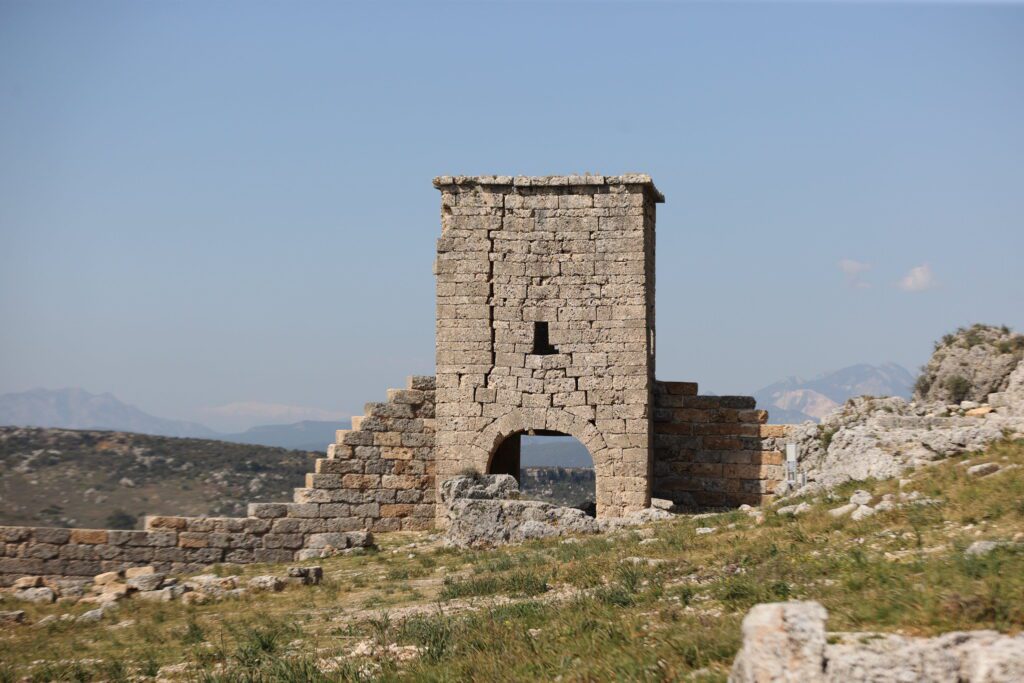
The project has also highlighted one of the site’s most remarkable features—a Hellenistic tower located along the wall line. Considered among the best-preserved examples in Anatolia, the tower is currently undergoing structural reinforcement to ensure its long-term stability.
With these efforts, the defining symbol of Sillyon—its defensive architecture—has once again become clearly visible in the landscape.
A Defense System Used Across Empires
Sillyon’s fortifications continued to play a role long after antiquity. The same defensive structures were reused during the Byzantine, Seljuk, and Ottoman periods, reflecting the enduring strategic importance of the site.
Over time, as regional control stabilized, the need for intensive fortification diminished. Some structures were adapted for different purposes, including habitation. Still, their original function remains evident: a system designed not just to defend a city, but to deter attack altogether.
A Rare Case of Complete Defensive Integrity
Today, Sillyon offers a rare opportunity to observe how topography and military architecture functioned together as a unified system. The restored walls and surviving tower do not merely represent isolated remains—they reveal a coherent defensive strategy that has endured for centuries.
As conservation work continues, Sillyon is emerging not only as an archaeological site, but as a striking example of ancient military planning—one that once stood in the path of Alexander the Great and did not yield.