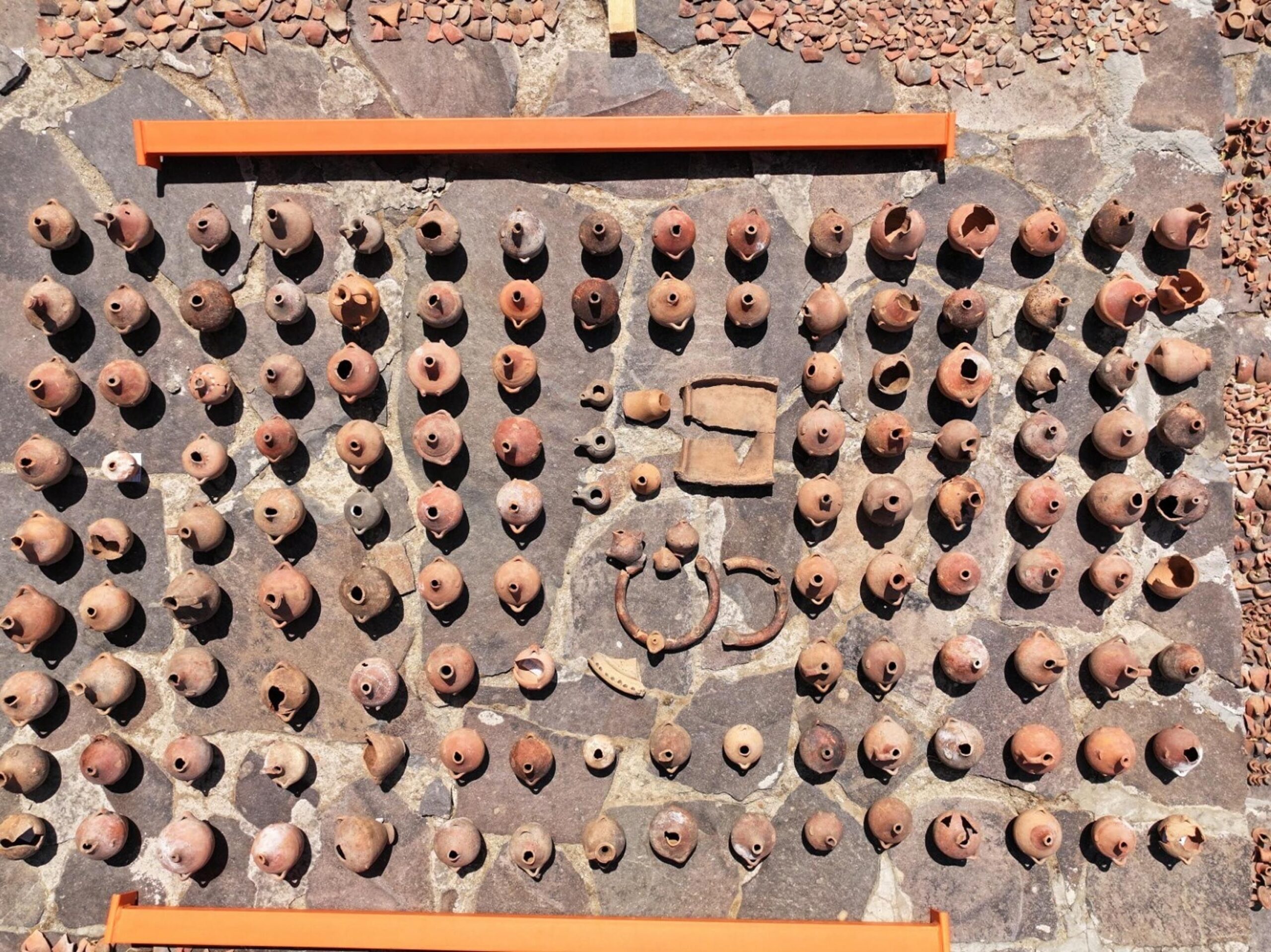
On a windswept ridge above the fertile plains of western Anatolia, archaeologists have uncovered something unexpectedly intimate: thousands of small clay vessels once filled with water and offered in devotion.
Excavations at the Demeter–Kore Temple in the ancient city of Aigai have revealed approximately 3,000 terracotta hydriskoi — small ritual water containers — concentrated in a single sacred deposit. The discovery offers rare archaeological insight into agricultural cult practices in the eastern Aegean world.
The work, led by Prof. Dr. Yusuf Sezgin, began in April 2025 as part of Türkiye’s Ministry of Culture and Tourism “Legacy for the Future” initiative. Although the sanctuary was first identified in the late 19th century, this marks the first systematic excavation of the temple precinct.
A Field of Clay Offerings
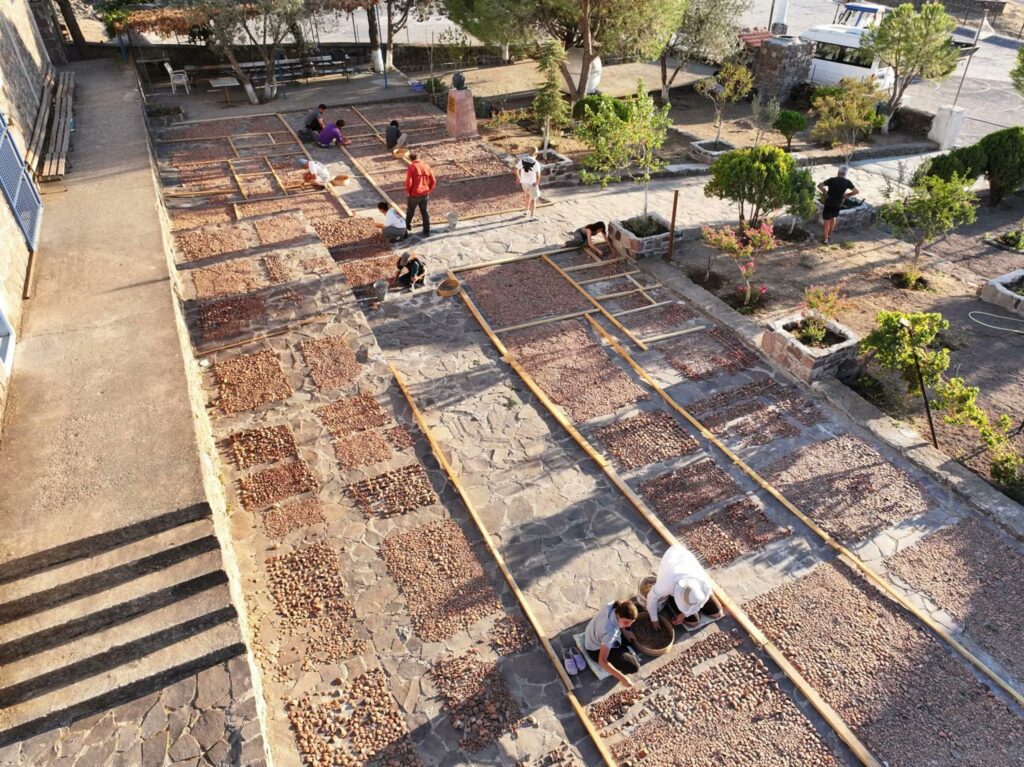
The vessels were not scattered randomly.
Instead, archaeologists identified a deliberately designated accumulation zone within the sanctuary area. Thousands of broken but clearly similar small water jars had been placed together over time. The density of the deposit suggests structured, repeated ritual activity rather than sporadic offerings.
“At certain times of the year, clean water was presented to Demeter in small terracotta vessels. These sacred containers were then gathered in a specific area. What we uncovered represents this ritual accumulation.”
The fragments are currently being restored and conserved in the excavation depot. Researchers believe the 3,000 recovered examples may represent only a portion of the original votive field.
Why Water?
Demeter, goddess of grain and agricultural fertility, stood at the center of seasonal life in agrarian societies. Her daughter Kore (Persephone), whose mythic descent and return symbolized the cycle of vegetation, reinforced this connection between ritual and harvest.
Water offerings in such sanctuaries carried layered meaning: purification, renewal, and agricultural continuity. In a region like Aeolis — where Aigai once controlled productive rural lands — ritual acts tied to fertility would have carried both spiritual and economic weight.
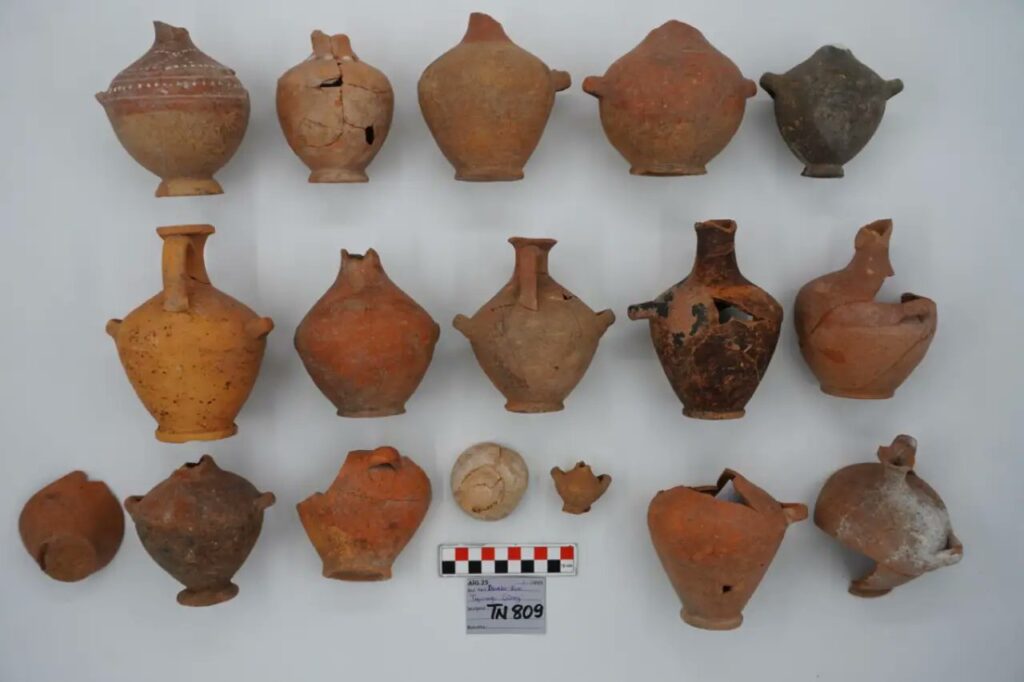
What makes this discovery particularly significant is scale. Hydriskoi are known from Greek sanctuaries, but rarely in such concentrated numbers within a clearly defined deposit zone.
The repetition matters. Three thousand small acts of devotion, accumulated over time, suggest a community deeply invested in maintaining ritual continuity.
Aigai and the Aeolian Landscape
Aigai, located in the mountainous hinterland of western Türkiye, was one of the cities of ancient Aeolis. Though smaller than some of its coastal neighbors, it played an important regional role and possessed monumental civic architecture, including temples, theaters, and public spaces.
The newly excavated Demeter–Kore sanctuary adds a powerful religious dimension to that urban landscape. Rather than grand inscriptions or elite dedications, the hydriskoi tell a quieter story — one rooted in everyday piety and seasonal hope.
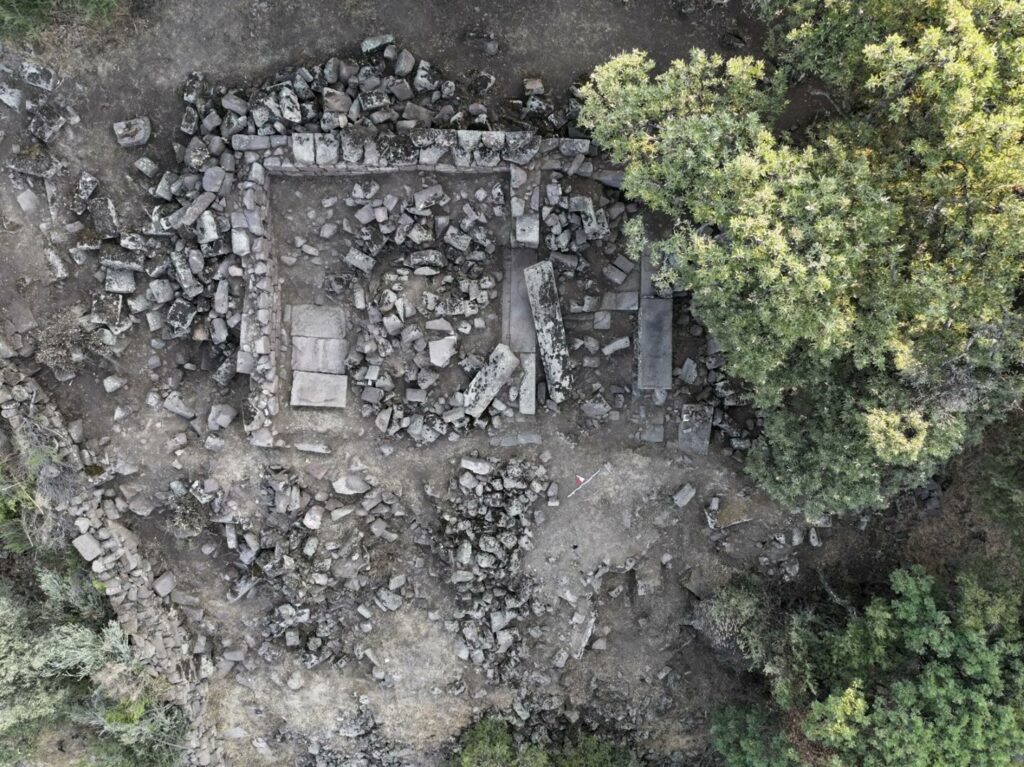
Excavations Continue in 2026
The excavation team plans to expand work in the same area during the 2026 season. If additional accumulation zones are identified, the Demeter sanctuary at Aigai may become one of the most significant archaeological case studies for votive practice in western Anatolia.
For now, the discovery stands as a rare material record of collective ritual behavior — preserved not in monumental stone, but in humble clay.