-
Ancient Hittite Text Reveals a 3,600-Year-Old Royal Power Struggle and a Woman Called the ‘Serpent’
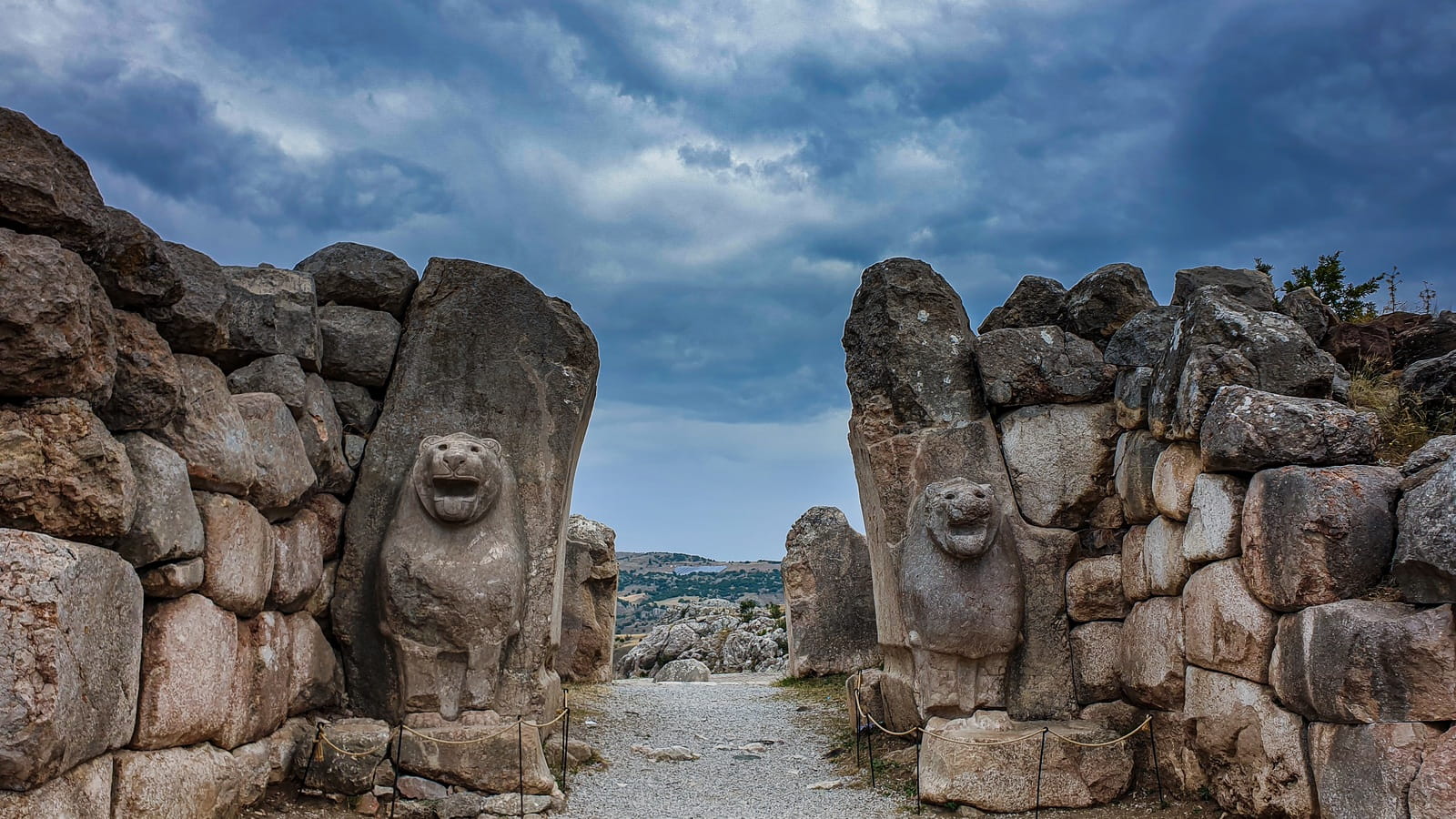
An ancient Hittite text preserves the story of a royal power struggle that unfolded around 3,600 years ago, when a king rejected his intended successor and accused the young man of falling under the influence of a woman he described with a striking word: “serpent.” The episode appears in the political testament of Hattusili I,…
-
Complete 2,300-Year-Old Skeleton Found at Hattusa with Knife Beside the Shoulder
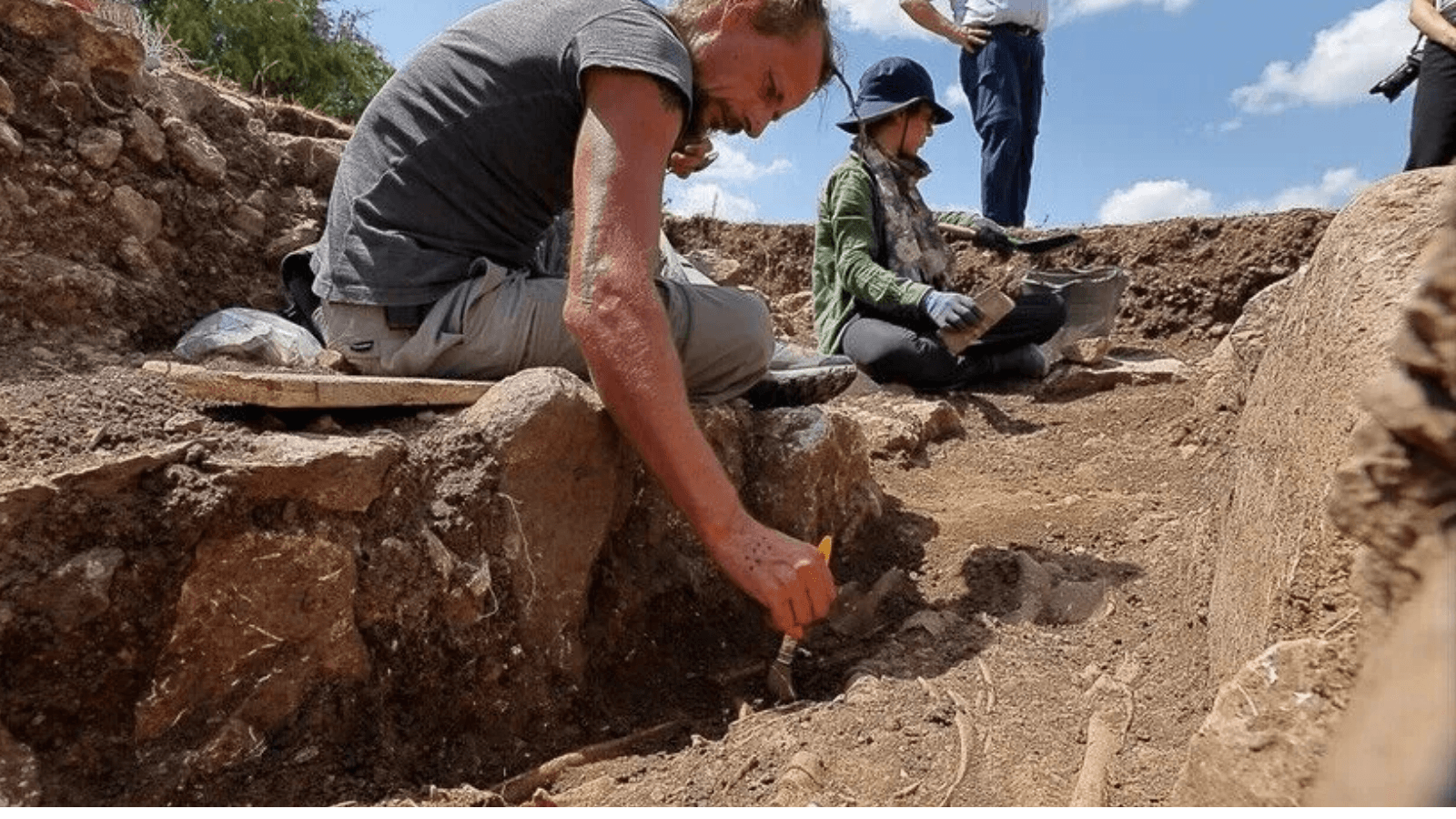
Archaeologists at Hattusa have uncovered a 2,300-year-old burial containing a complete human skeleton, with a knife lying beside the deceased’s right shoulder. The grave was discovered on the northwestern slope of the ancient city in central Türkiye and dates to the late 4th or 3rd century BC. That places it long after Hattusa’s famous role…
-
4,000-Year-Old Cuneiform Letters from Anatolia Read Without Opening Their Clay Envelopes
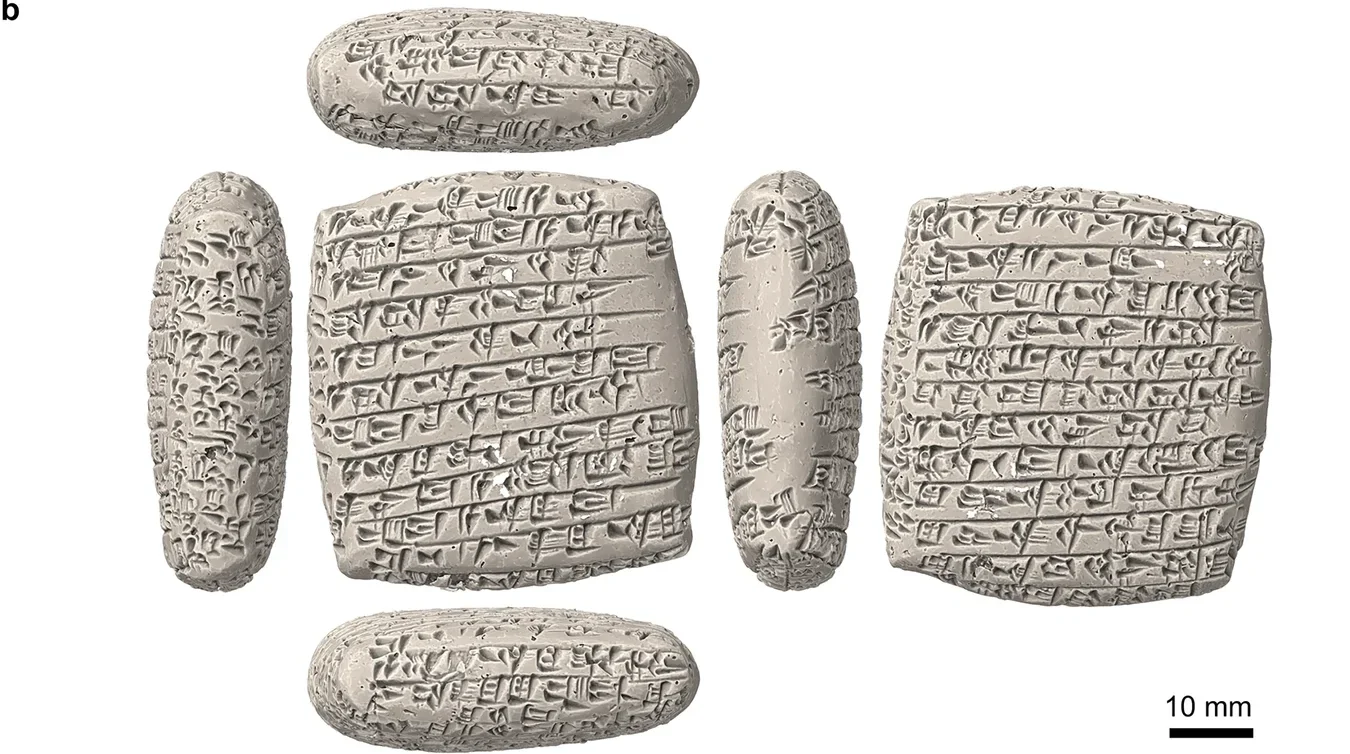
Nearly 4,000 years ago, cuneiform letters sent through the Old Assyrian trade network in Anatolia were written on small clay tablets, wrapped in thin clay envelopes, sealed, and sent on their way. The outside usually carried only limited information: the sender, the recipient, and seal impressions. The message itself stayed hidden until the recipient cracked…
-
Rare 1,750-Year-Old Jar Burial at Hadrianopolis May Be the First of Its Kind in the Region
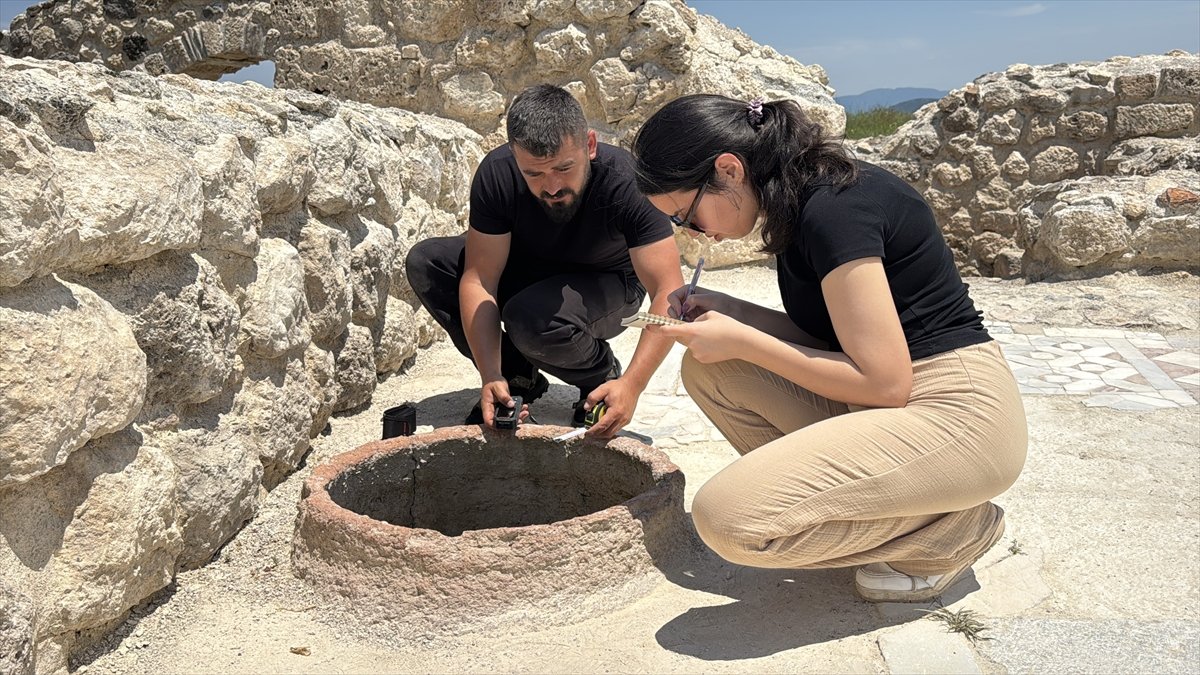
A large ceramic jar buried nearly 1,750 years ago has revealed an unusual Roman-period grave at Hadrianopolis Ancient City, where archaeologists found a skeleton placed with pottery, a lamp, a coin, a knife, and bone hair clasps. The discovery was made during ongoing excavations in Eskipazar, Karabük, under the direction of Prof. Dr. Ersin Çelikbaş…
-
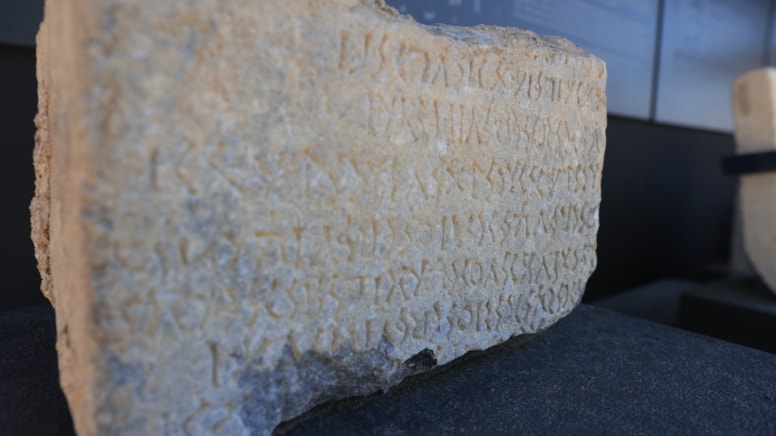
Lost Language of Ancient Anatolia Moves Closer to Decipherment as Sidetic Alphabet Expands to 31 Letters
Researchers studying Sidetic, the ancient language of Side, have expanded the known alphabet from 26 to 31 letters. The advance may seem small, but for a language preserved in only a limited number of inscriptions, five additional signs can make a major difference. Sidetic was used in and around the ancient city of Side more…
-

Hittite Hygiene Was Far More Advanced Than We Thought, New Research Shows
For a civilisation that ruled much of Anatolia more than three millennia ago, the Hittites were far less indifferent to dirt than modern stereotypes might suggest. New research shows that cleanliness in Hittite society was not accidental, symbolic, or secondary—but carefully structured, widely practiced, and socially meaningful. A recent study published in Anatolian Studies, authored…
-
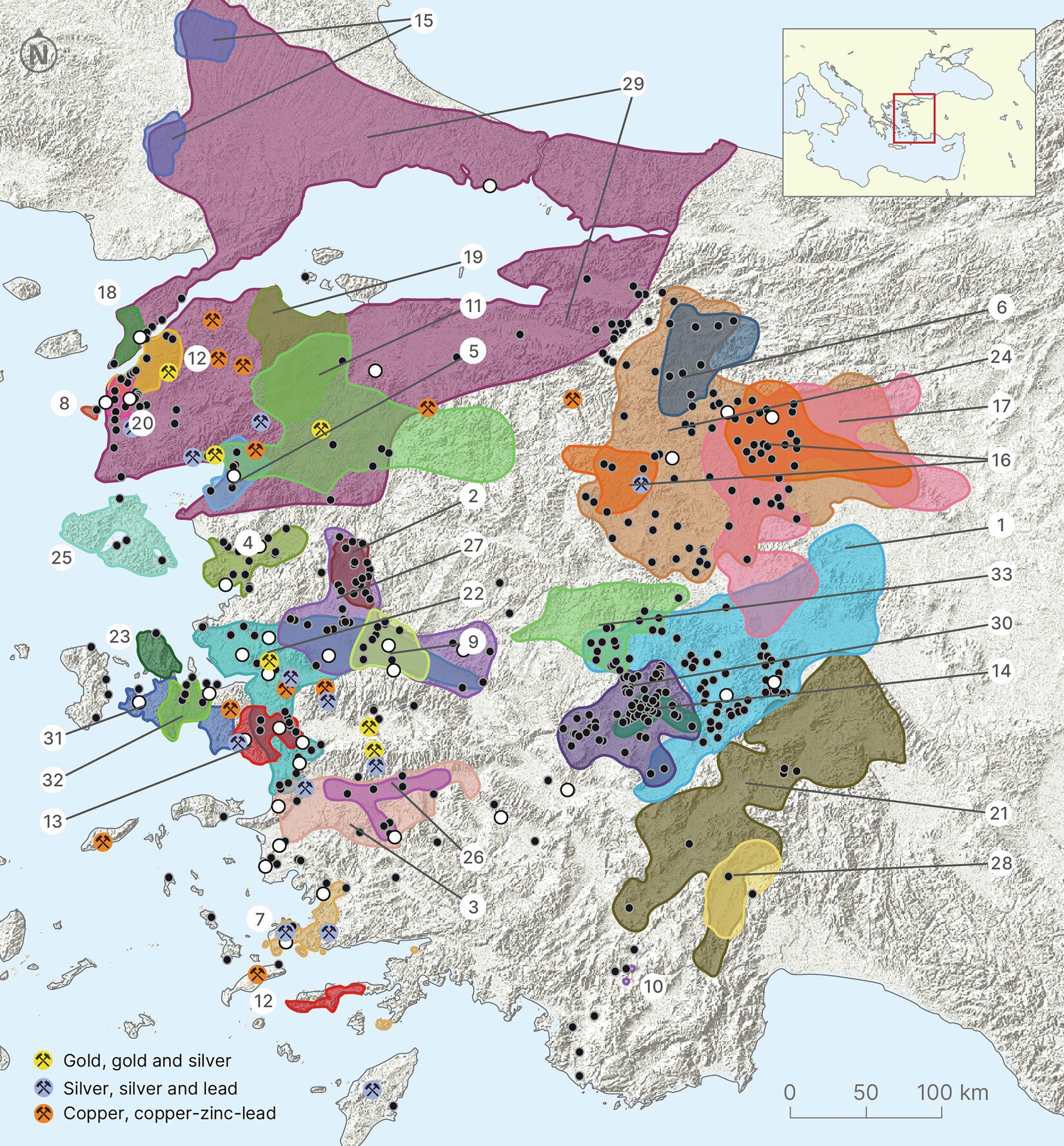
Mapping the Luvi World: A New Digital Catalogue Redraws Bronze Age Western Anatolia
For much of modern scholarship, the Luvi cultural landscape of western Anatolia has been reconstructed through fragmented excavation reports and a limited number of well-known sites. A recently published digital study now brings this scattered evidence together, offering the first truly regional perspective on Middle and Late Bronze Age settlement patterns across the area. Covering…
-
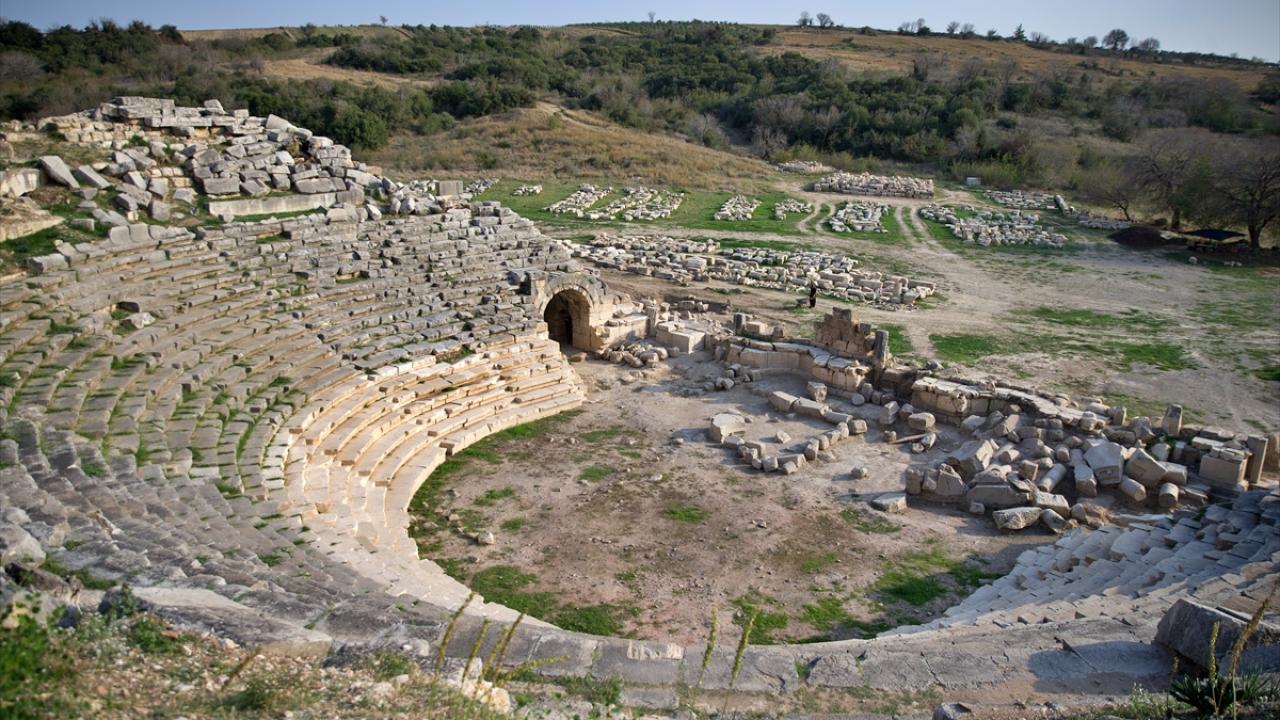
A Rare Find at Kastabala: Philosopher Mask Appears Where It Normally Shouldn’t
Late afternoon light spills across the ruined theatre of Kastabala, catching on thousands of weathered limestone blocks. The space feels silent now, but archaeologists working here know that every carved detail once served a purpose. And this season, one detail stopped the entire team in its tracks: the face of an elderly philosopher emerging from…
-
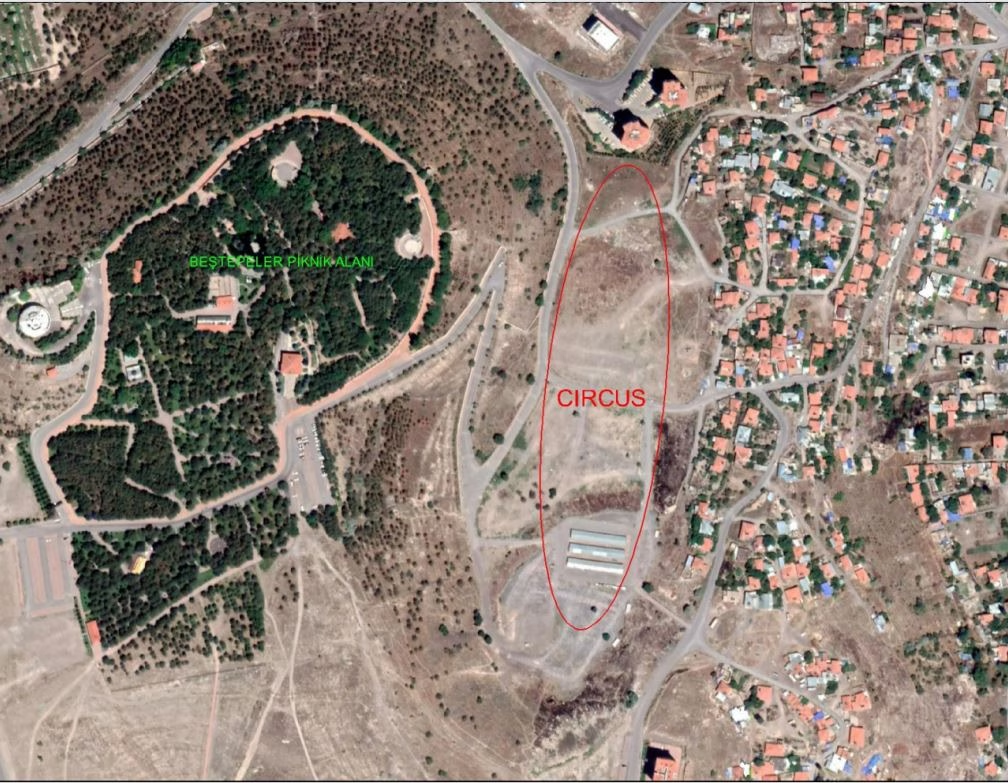
Roman Hippodrome Unearthed Beneath Kayseri: A Monumental Discovery Rewrites the Map of Ancient Cappadocia
Archaeologists confirm the remains of a vast Roman arena buried beneath modern Kayseri — revealing a forgotten chapter of Ancient Cappadocia, once the imperial capital of Caesarea. Hidden beneath layers of modern construction, a forgotten chapter of Cappadocia’s Roman past has come to light. Researchers in central Türkiye have located the remains of a 450-meter-long…