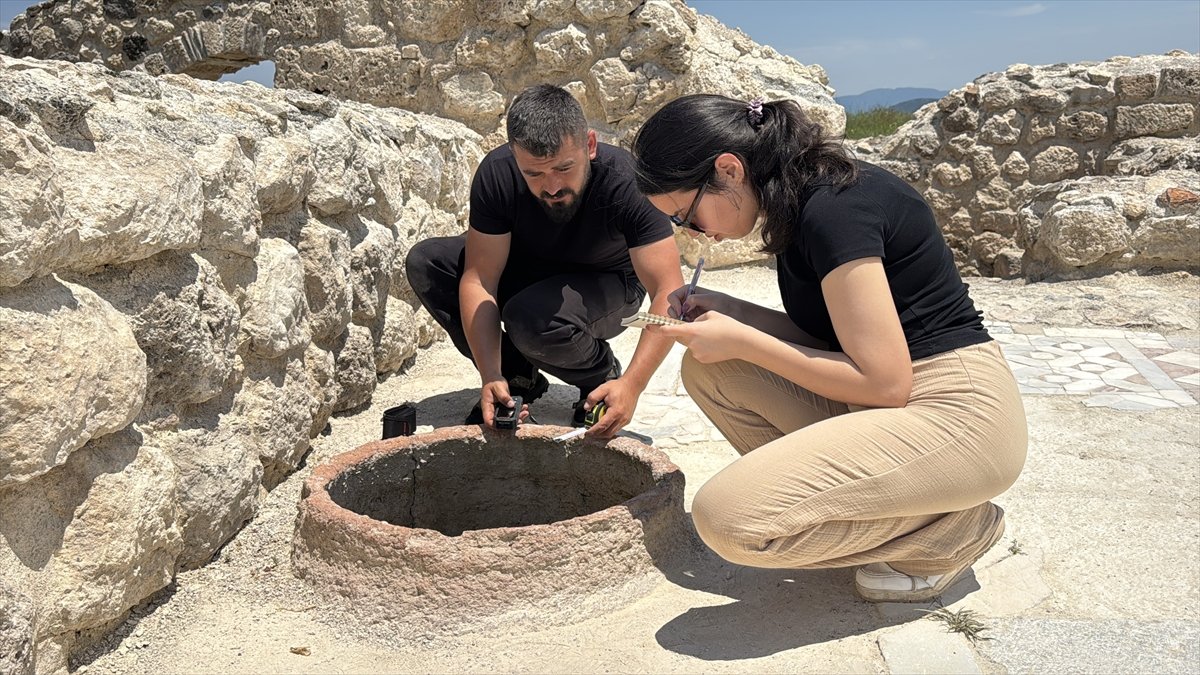
A large ceramic jar buried nearly 1,750 years ago has revealed an unusual Roman-period grave at Hadrianopolis Ancient City, where archaeologists found a skeleton placed with pottery, a lamp, a coin, a knife, and bone hair clasps.
The discovery was made during ongoing excavations in Eskipazar, Karabük, under the direction of Prof. Dr. Ersin Çelikbaş of Karabük University. Hadrianopolis, known for remains from the Late Chalcolithic, Roman, and Early Byzantine periods, has produced many finds over the years, but this burial stands apart because of its form.
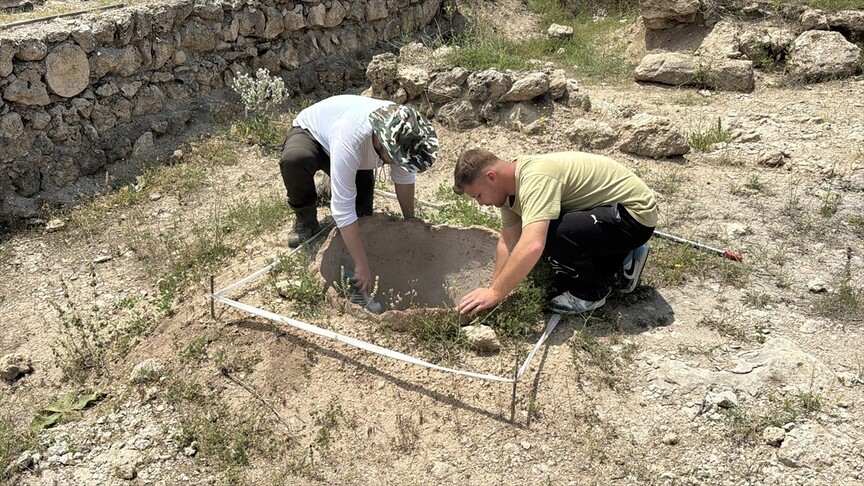
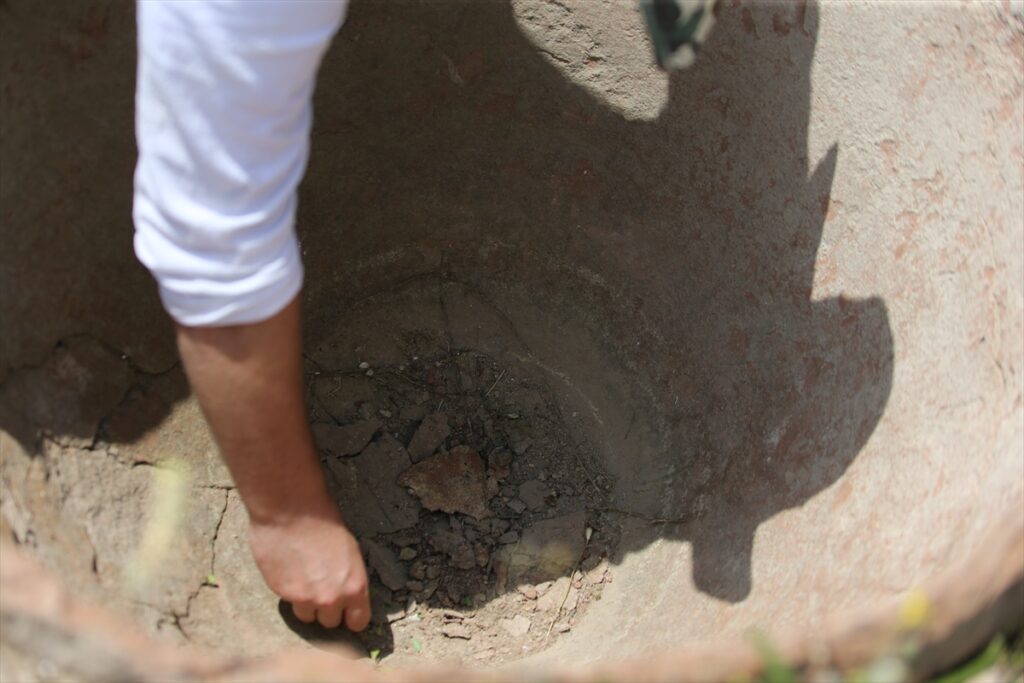
The deceased had been placed inside a pithos, a large ceramic vessel often used for storage. According to Çelikbaş, no pithos grave had previously been documented in surveys or excavations in the inland western Black Sea region. That makes the Hadrianopolis burial a rare find, and possibly the first recorded example of its kind in the area.
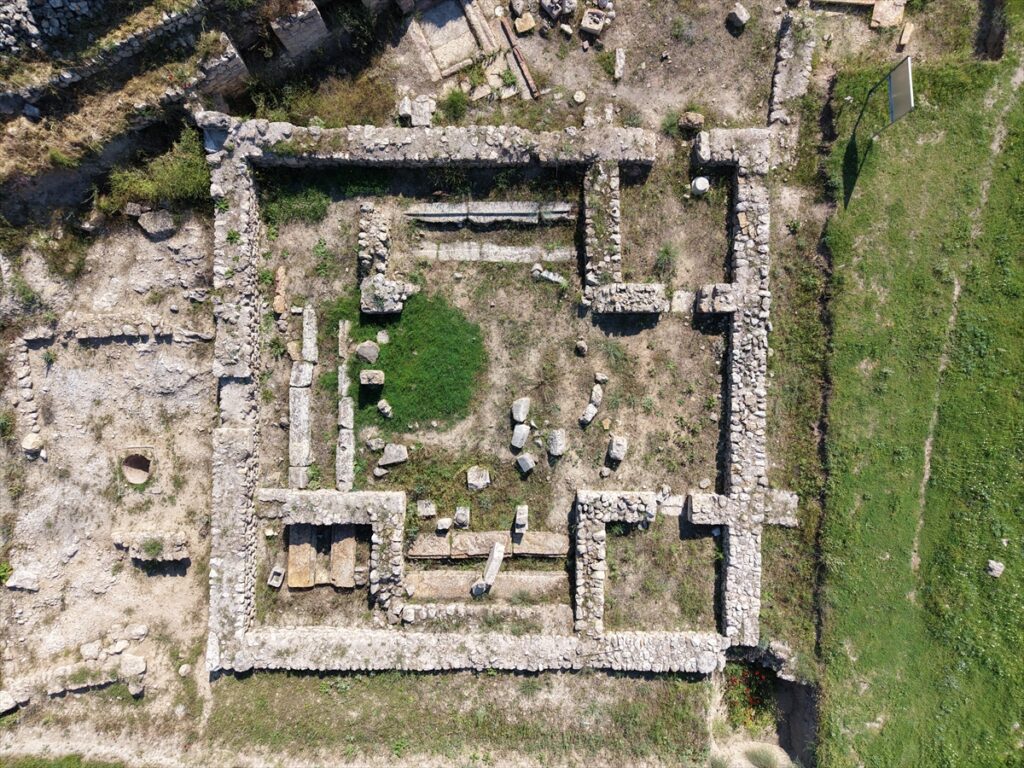
A grave form rarely seen in the region
The grave contained seven vessels, an oil lamp, a coin, a knife, and two bone hair clasps. These objects were placed with the deceased as burial gifts, offering a closer look at how communities around Hadrianopolis treated the dead during the Roman period.
For the excavation team, however, the most important detail is the burial itself. Jar burials are known from different parts of Anatolia, but the Hadrianopolis example appears to be unusual for the inland western Black Sea region.
Çelikbaş said the find provides new data for understanding funerary customs at Hadrianopolis and its surroundings. It is the first time such a pithos burial has been documented in connection with the ancient city’s death rituals.
A coin of Probus dates the burial
One object helped narrow the date of the grave: a Roman coin belonging to Emperor Probus, who ruled between AD 276 and 282.
The coin suggests that the burial was placed in the late 3rd century AD. This gives archaeologists a firmer chronological anchor for the grave and the objects found inside it.
The pottery also carries regional significance. Among the vessels are examples of Pontic Sigillata, a fine ceramic ware associated with the Black Sea world. Çelikbaş noted that this type of pottery has appeared in nearly all excavation areas at Hadrianopolis, showing its strong presence in the city’s material culture.
Bone hair clasps may point to a female burial
The two bone hair clasps found inside the pithos may indicate that the buried individual was a woman. The excavation team has not presented this as a final conclusion, but the objects offer an important clue for further study.
The finds are considered important enough for formal inventory registration, and the Hadrianopolis team will continue examining them in detail.
Hadrianopolis is often discussed through its churches, mosaics, and Roman-Byzantine remains. This discovery adds something more intimate to that picture: a single burial, sealed inside a ceramic jar, carrying traces of identity, ritual, and local tradition from the late Roman period.
For archaeologists, the grave is valuable not because it is monumental, but because it records a burial practice that had not been clearly seen before in this part of the western Black Sea region.