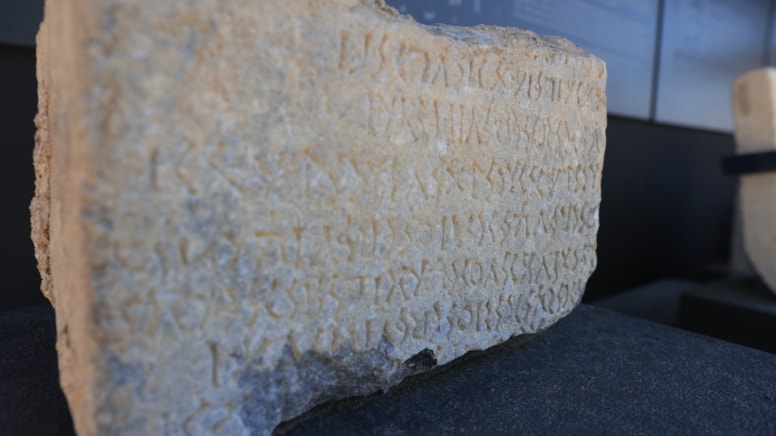
Researchers studying Sidetic, the ancient language of Side, have expanded the known alphabet from 26 to 31 letters. The advance may seem small, but for a language preserved in only a limited number of inscriptions, five additional signs can make a major difference.
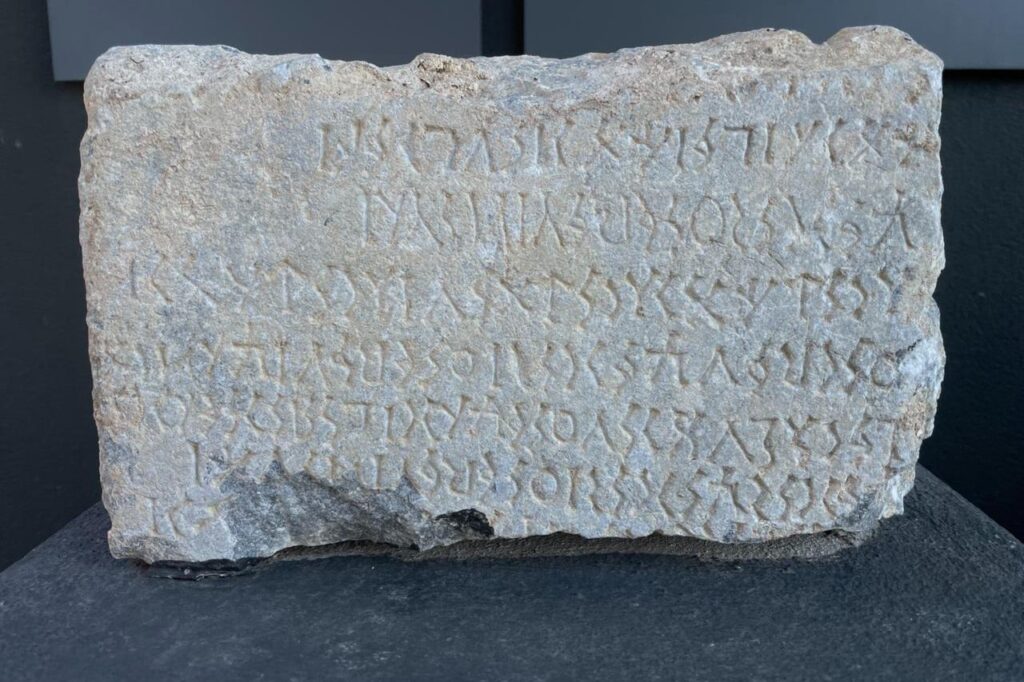
Sidetic was used in and around the ancient city of Side more than 2,000 years ago. The language remains only partly understood, and its surviving texts are often short, damaged, or difficult to compare. That has made the decipherment slow. But newly studied inscriptions, including bilingual texts and longer examples running to several dozen lines, are giving scholars a stronger base than before.
New inscriptions are changing the picture
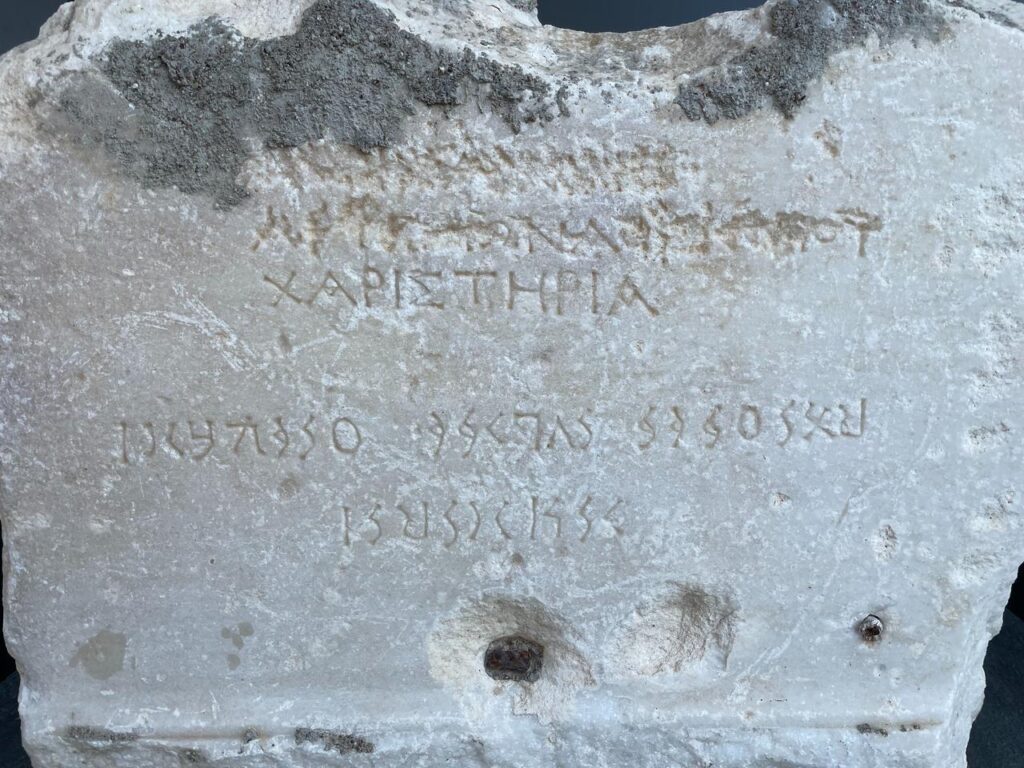
The work is being led by Side excavation director Prof. Dr. Feriştah Alanyalı, together with linguists Michaela Zinko and Alfredo Rizza. Their research focuses on Sidetic inscriptions that may help clarify the sound values of the script, the structure of words, and the local vocabulary used by the people of ancient Side.
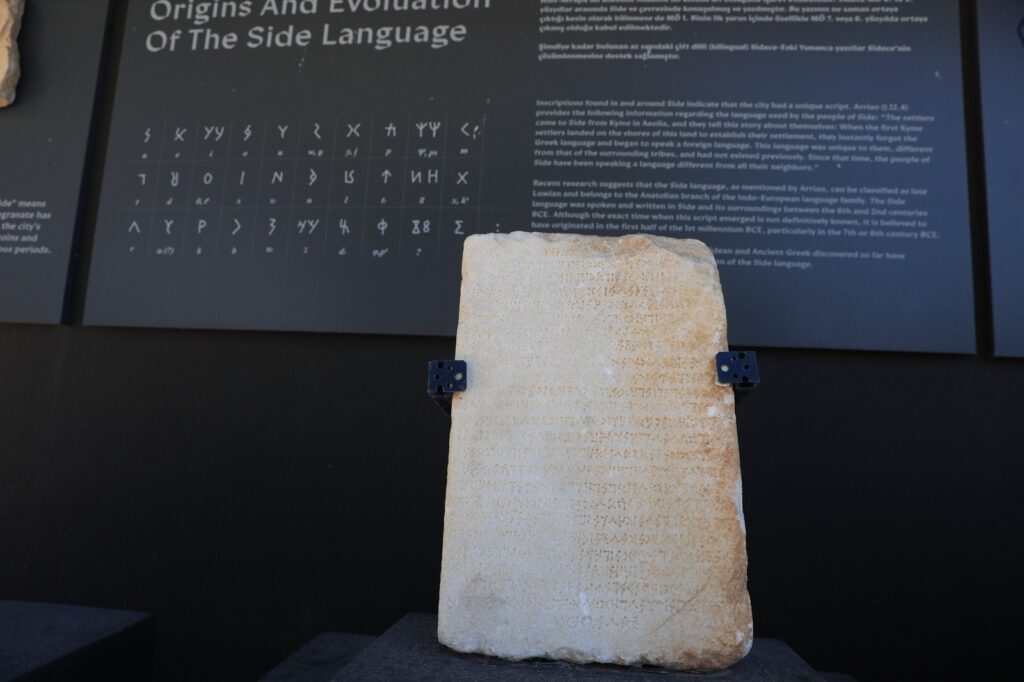
One of the most important developments is the identification of additional letters in the Sidetic alphabet. Earlier studies had recognized 26 signs. The number has now risen to 31, offering a broader framework for reading the language.
Researchers are also examining word forms such as “Siruawn” and “Siruawan,” which may refer to Side itself. If confirmed, this would provide a rare glimpse of how the city’s name appeared in its own local language.
A city with its own voice
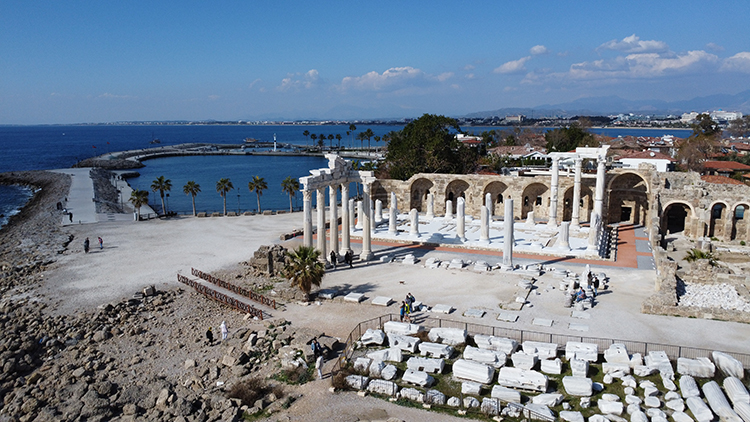
Side is best known today for its Roman theater, monumental ruins, harbor, and temples. Yet Sidetic points to an older identity beneath the city’s Greek and Roman layers.
The language is generally associated with the ancient Anatolian language family and is often discussed alongside Lycian, Carian, and Lydian. Its existence shows that Side was not simply a classical city shaped by Greek and Roman influence. It had a local Anatolian culture with its own script, language, and civic memory.
Ancient sources claimed that settlers from Kyme adopted the local language after arriving in Side. Whether that account is literal or partly legendary, it reflects how distinctive the city’s native culture appeared even in antiquity.
Sidetic survived into the Hellenistic age
Sidetic’s survival after the rise of Greek influence is one of the most important parts of the story. After Alexander the Great’s campaigns, Greek became increasingly dominant in public life across much of Anatolia. Still, Side continued to use its own language and script for a significant period.
Some inscriptions suggest that Sidetic remained meaningful in civic contexts, including names, donations, and local records. This was not simply a forgotten household speech. It belonged, at least for a time, to the public identity of the city.
The name Side is also closely linked with the pomegranate, a symbol widely seen on the city’s ancient coins. That connection may point to a deeper relationship between language, local economy, and civic symbolism.
Why Sidetic matters
Sidetic has not been fully deciphered. But the expansion of its alphabet to 31 letters, together with the study of longer and bilingual inscriptions, marks a serious step forward.
For archaeologists and linguists, the value is clear. Each new letter and each newly understood word can help reconstruct a language that once belonged to one of southern Anatolia’s major coastal cities.
For a wider audience, the appeal is even simpler. Side may one day be read not only through Greek and Roman sources, but through words left by its own people.