-
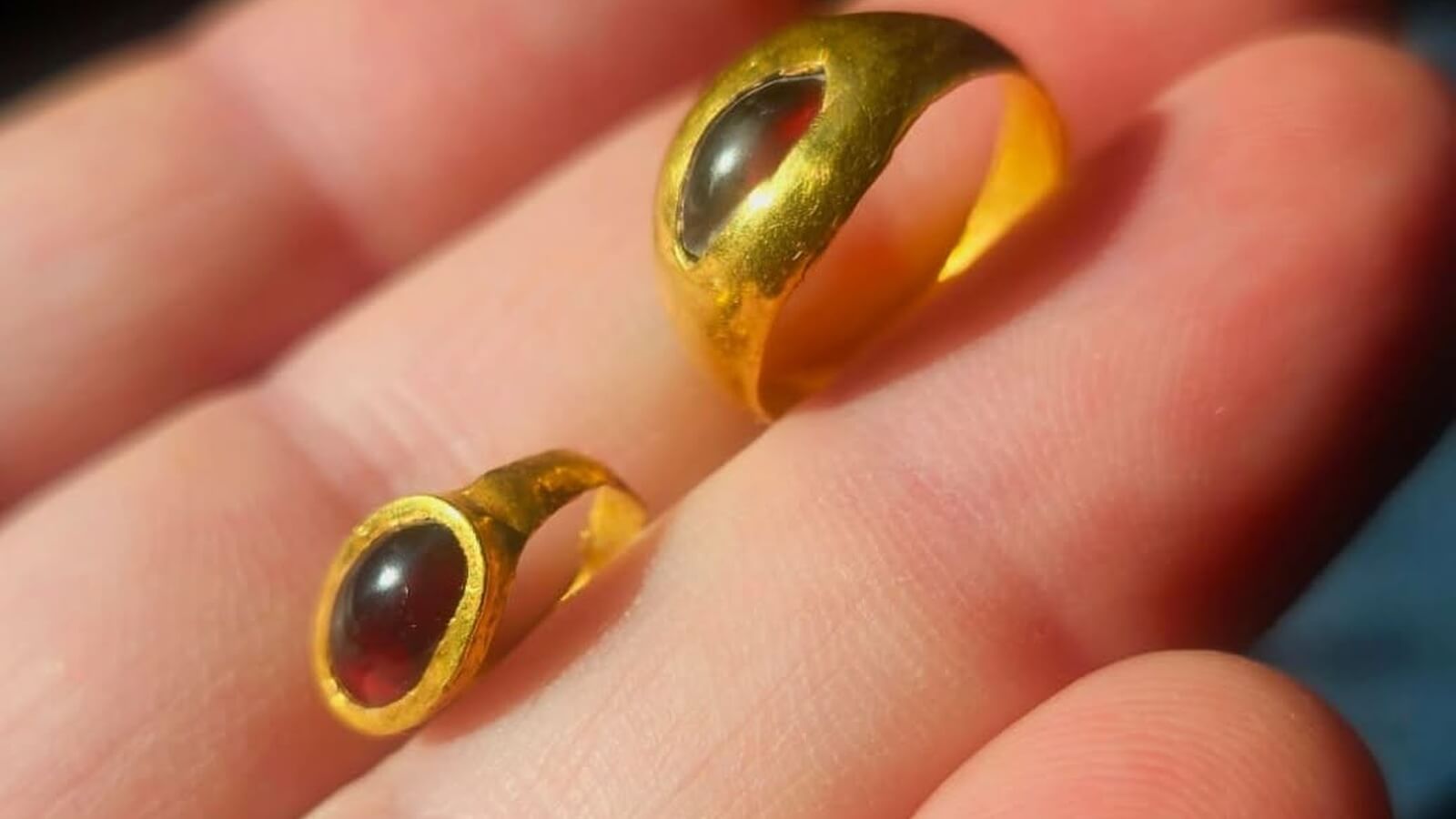
Tiny Gold Rings Beneath Jerusalem Floors Hint at a 2,200-Year-Old Ritual
A tiny gold ring set with a deep-red stone may reveal an unexpectedly personal side of life in Hellenistic Jerusalem more than 2,200 years ago. Archaeologists discovered the ring beneath the floor of a large residential building at the Givati Parking Lot excavation in the City of David. Measuring just 1.2 centimeters in diameter, the…
-
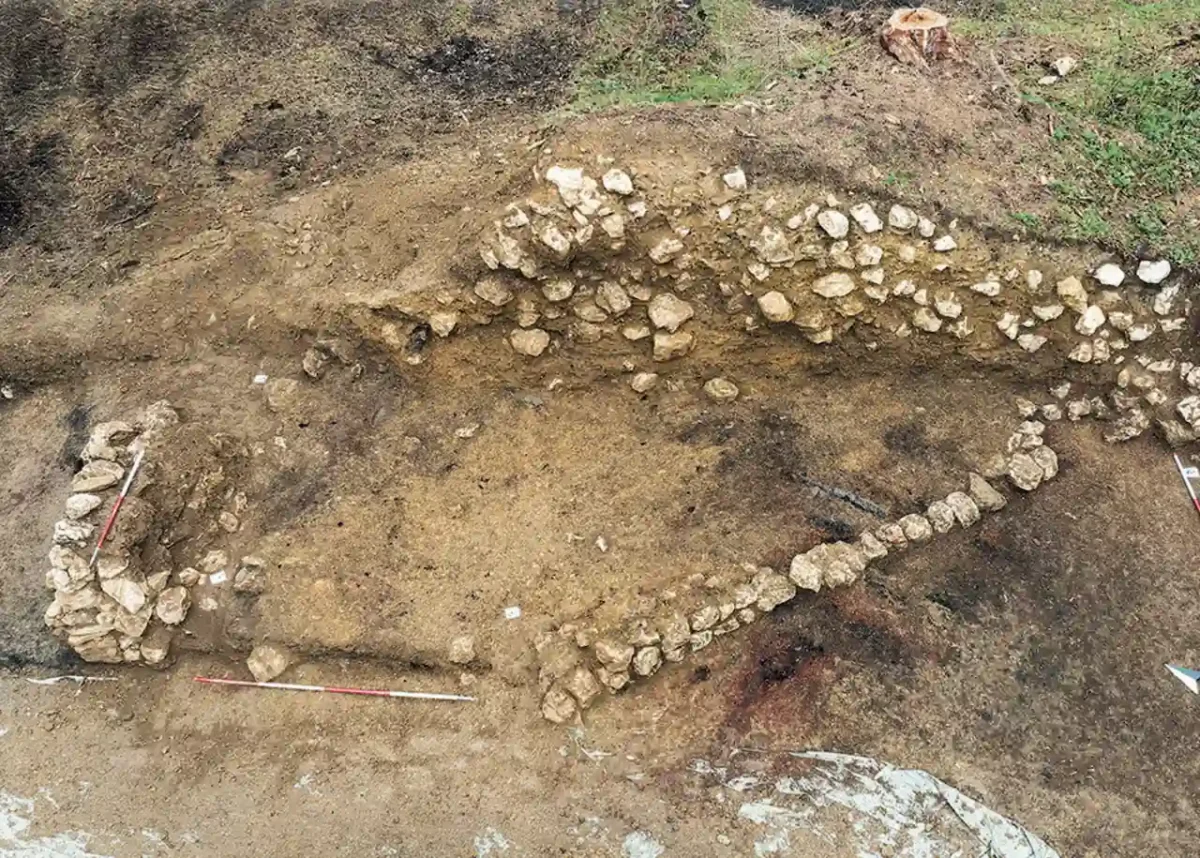
Bronze Age Ceremonial Site Discovered in Bosnia
A quiet hill above the Lašva River in Bosnia and Herzegovina has produced one of the most puzzling discoveries in recent Balkan archaeology. What looked like an ordinary rise in the landscape turned out to conceal a Bronze Age ceremonial site built around a wall that doesn’t defend anything. Instead of enclosing space, the structure…
-
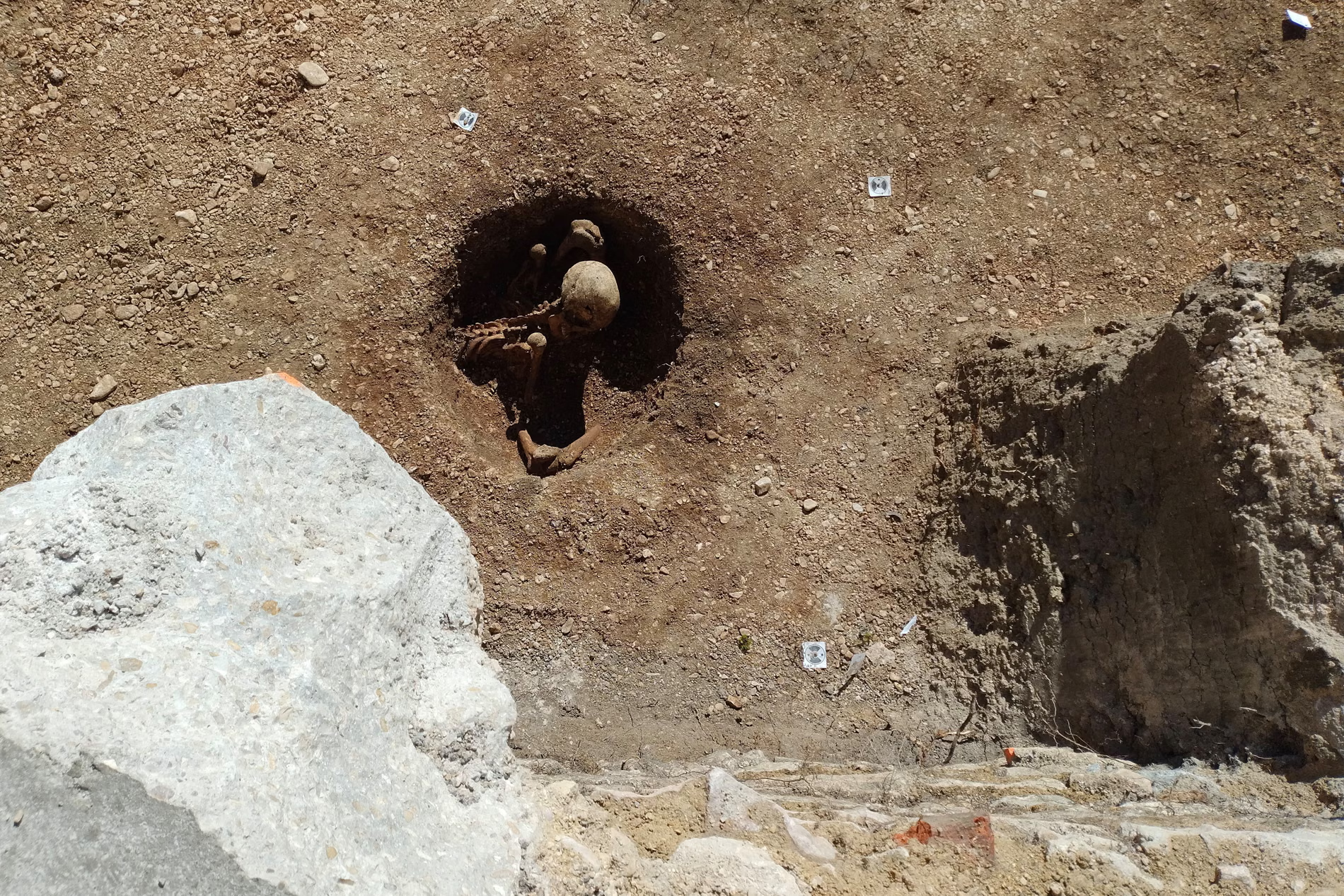
Seated Gaul Burials Discovered in Dijon Raise New Questions About Celtic Rituals
A skeleton sitting upright, hands resting calmly in its lap, was discovered beside a primary school in Dijon, eastern France—facing west after more than two millennia underground, in a case that is shedding new light on the burial practices of the ancient Gauls. The discovery, made near a playground in Dijon, is not an isolated…
-
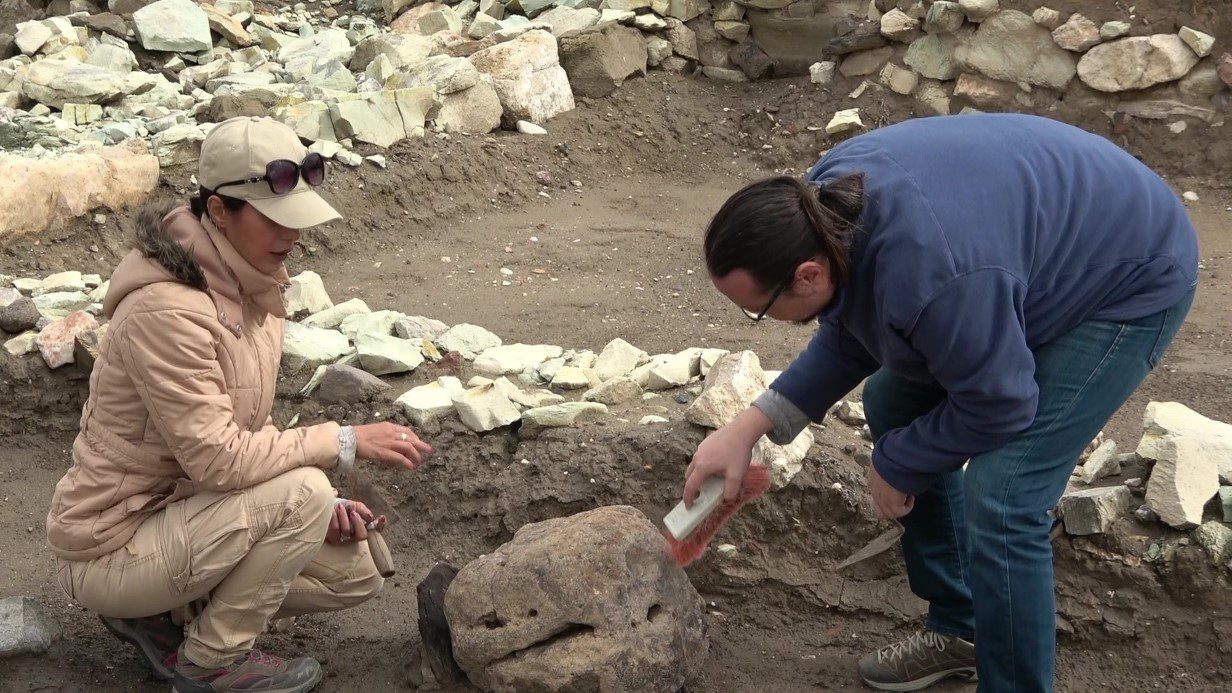
Possible Phoenician Infant Burials Discovered Deep in Anatolia Raise New Questions About Ancient Rituals
Archaeologists excavating the ancient mound of Oluz Höyük in central Anatolia have uncovered a group of infant and fetal burials that may point to Phoenician ritual practices far beyond their traditionally known Mediterranean heartland. Placed inside ceramic jars and carefully arranged within a sacred context, the burials are unprecedented in Anatolia and are now prompting…
-
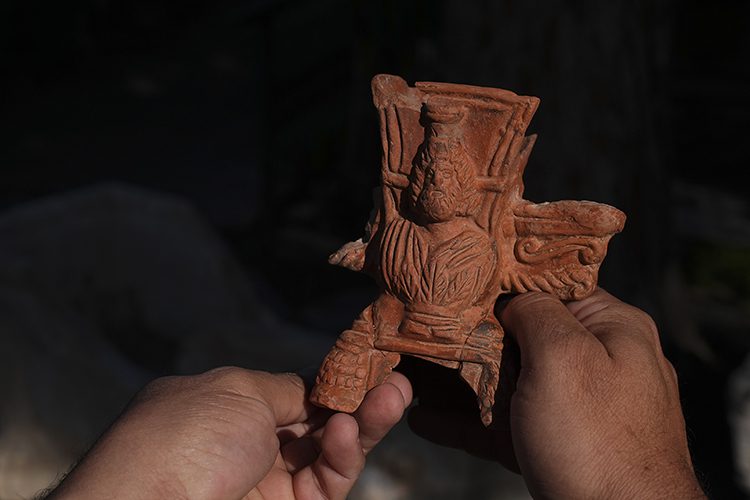
A 2,000-Year-Old Incense Burner Depicting the Egyptian God Serapis Discovered in Ephesus
Morning light was spilling across the ruins of ancient Ephesus when archaeologists reached a layer of collapsed masonry inside the vast Harbor Bath. Among scattered marble fragments and broken architectural blocks, a small terracotta object caught their attention—its reddish surface, its sharp contours, and, most strikingly, the unmistakable face of Serapis, the Egyptian god who…
-

A Forgotten Roman Governor Resurfaces in Spain: Newly Deciphered Inscription Reveals Rare Lot-Casting Ritual in Carthago Nova
For decades, the late Republican history of Hispania Citerior has been marked by silence — a thinly documented interval between civil conflict, economic boom and the administrative reforms of Augustus. A newly restored copper vessel from Cartagena has now broken that silence. From a collapsed room sealed by fire 1,700 years ago, archaeologists have recovered…
-
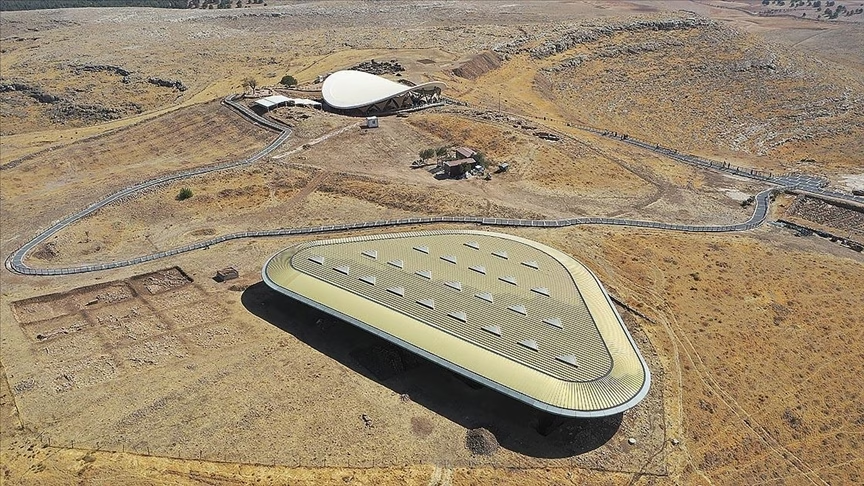
A New Excavation Area at Göbeklitepe to Open for Visitors: Neolithic Sculptures Reveal New Layers of History
A new excavation area at Göbeklitepe, listed on the UNESCO World Heritage List and known as the “zero point of history,” is preparing to open to visitors. Located 18 kilometers northeast of Şanlıurfa, the Neolithic site has transformed our understanding of early human history with its T-shaped monolithic pillars, decorated with wild animal reliefs, measuring…
-
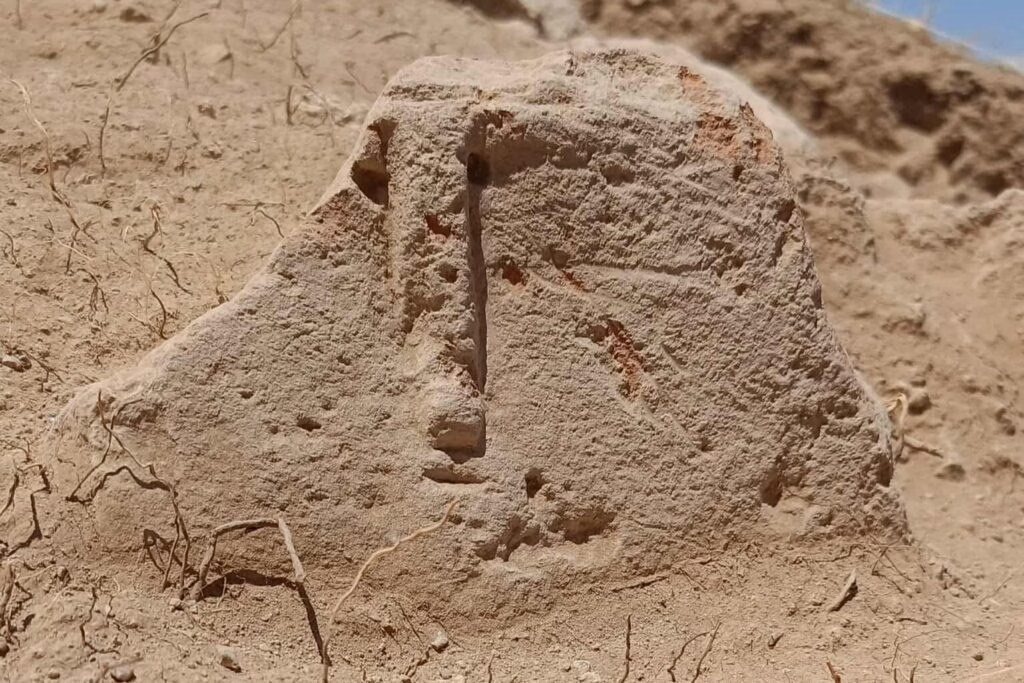
Mysterious 2,500-Year-Old Idol Unearthed in Armenia’s Urartian Fortress Reveals Hidden Rituals After an Empire’s Fall
Archaeologists working in the ancient Urartian fortress of Argishtikhinili, in modern-day Armenia, have uncovered a striking 2,500-year-old volcanic-stone idol that may rewrite what is known about domestic spirituality in the centuries following the collapse of the Urartian Kingdom. The small figurine — carved from dark volcanic tuff with a sharply modeled face, narrow lips, and…