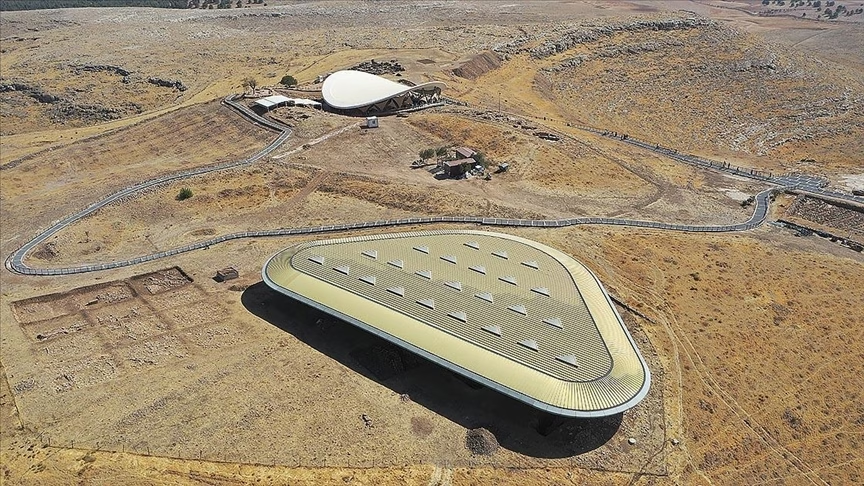
A new excavation area at Göbeklitepe, listed on the UNESCO World Heritage List and known as the “zero point of history,” is preparing to open to visitors.
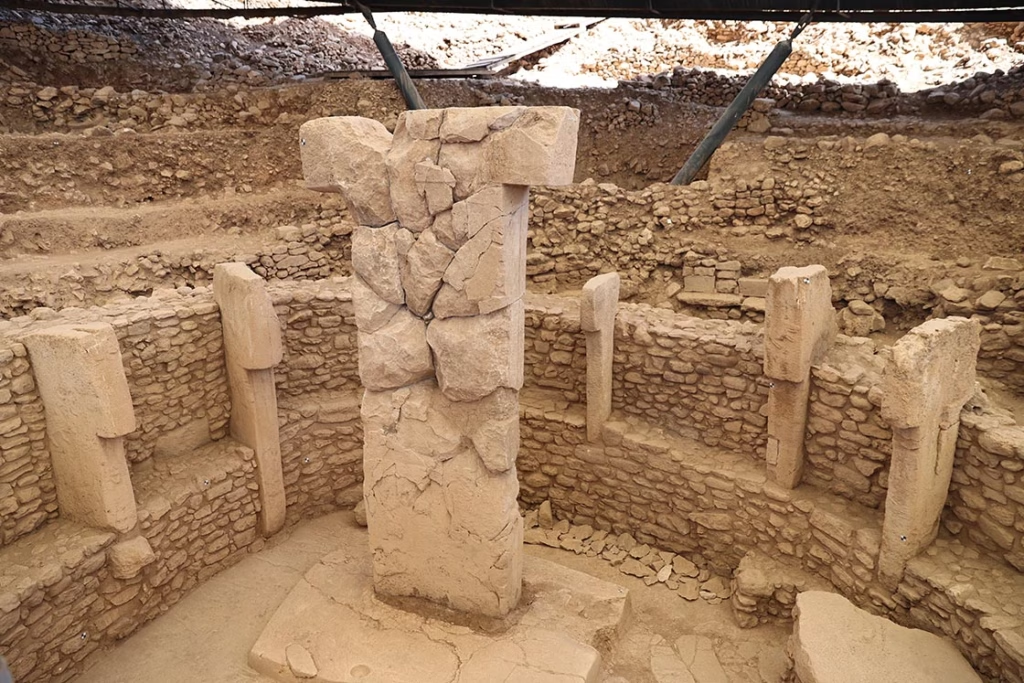
Located 18 kilometers northeast of Şanlıurfa, the Neolithic site has transformed our understanding of early human history with its T-shaped monolithic pillars, decorated with wild animal reliefs, measuring between three and six meters in height and weighing up to sixty tons.
Included in the UNESCO list in 2018, Göbeklitepe has been under excavation since 1995 under the auspices of the Turkish Ministry of Culture and Tourism. Until now, visitors could only tour Excavation Area 1 (GT1), covered by a white protective roof. However, a new area to the northwest — Excavation Area 2 (GT2), covered with a green roof — is expected to open within the next month.
With the new arrangement, visitors will be able to closely observe Neolithic “T”-shaped pillars decorated with animal figures and other symbolic carvings.
Göbeklitepe Excavation Director Prof. Dr. Necmi Karul stated that the site has entered a new phase within the framework of the Ministry’s “Heritage of the Future” project.
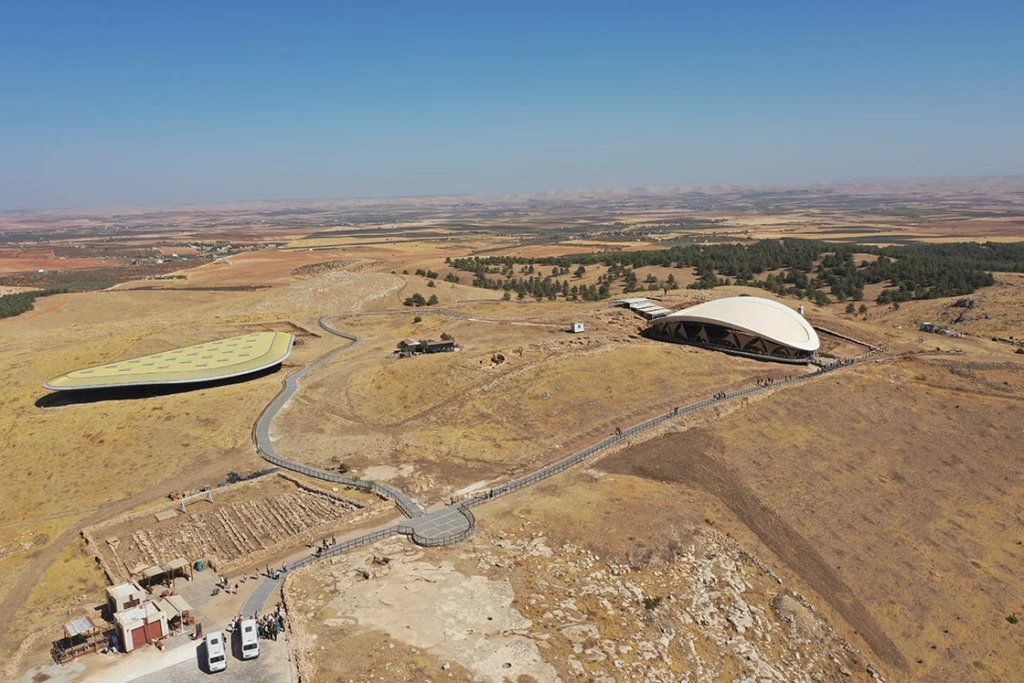
Karul noted that the number of visitors to Göbeklitepe increases every year, and emphasized that new improvements are being made to make the site more comfortable and comprehensible for visitors.
He explained that walking paths have been renewed and new visitor routes created, which will not only cover the currently excavated areas but also extend to future excavation zones.
Karul added that excavation work will continue in the area that is about to open to visitors:
“We are constructing a wooden platform over the GT2 area. Once completed, the excavation site will also be opened to visitors. But there is still much work to do there. We don’t mind conducting excavations in an area open to visitors. As in the GT1 area, both research and visitation will continue simultaneously without harming the site.”
Prof. Karul emphasized that the team is highly sensitive about ensuring that the knowledge obtained at Göbeklitepe reaches the public:
“We act with great care to make the knowledge produced here accessible. That doesn’t only mean physical access to the site, but also sharing information through documentaries, publications, or visitor-center presentations. We take this responsibility seriously, because the meaning of our work lies in its connection with people.”
Karul also pointed out that misleading statements about Göbeklitepe occasionally circulate in public discourse:
“That’s why we feel responsible for providing accurate information. Opening new excavation zones before the research is complete could put pressure on the site and lead to damage.”
He concluded by stressing that the primary priority at the ancient sanctuary is always preservation:
“Everyone has the right to see the site, but our priority is to protect and study it properly before opening it for visitation. There should be no doubt — both the Ministry and we, as archaeologists, give full priority to protecting the site and ensuring that visitors access it safely and meaningfully.”
The newly opened GT2 area, featuring wooden viewing platforms and ongoing research activity, will allow visitors to experience Göbeklitepe from a new perspective. Each pillar and carving continues to tell the story of humanity’s first beliefs — a story still unfolding beneath the Anatolian sun.