-

Tiny Roman Good-Luck Charm Found at Carlisle Reveals the Superstitions of Life on Hadrian’s Wall
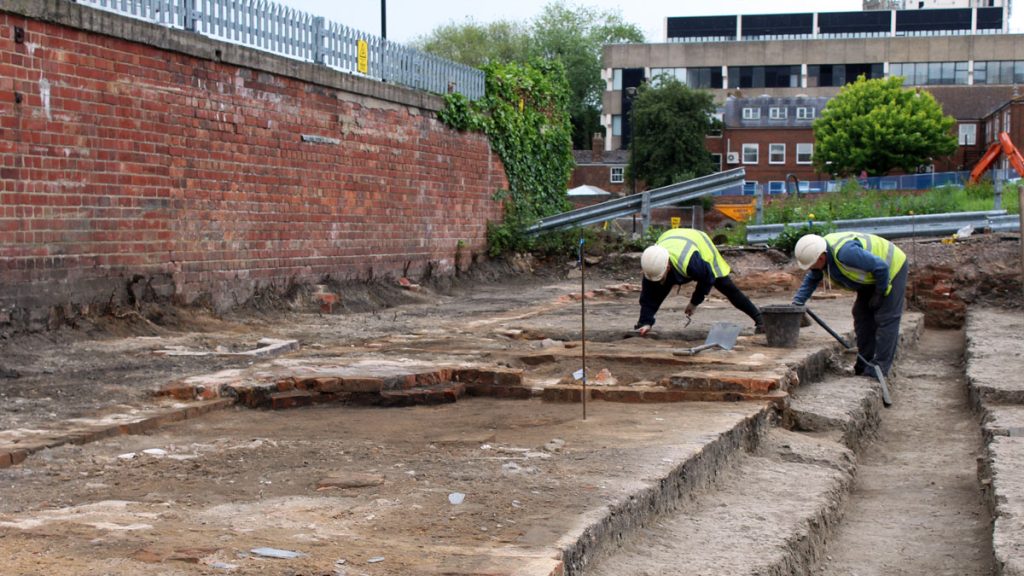
A tiny Roman good-luck charm found in northern England has brought archaeologists closer to the private fears, hopes and protective rituals of people who lived on Rome’s frontier nearly 1,800 years ago. The phallus-shaped Roman artefact was discovered during excavations at Carlisle Cricket Club in Cumbria, where archaeologists have been investigating the remains of a…
-
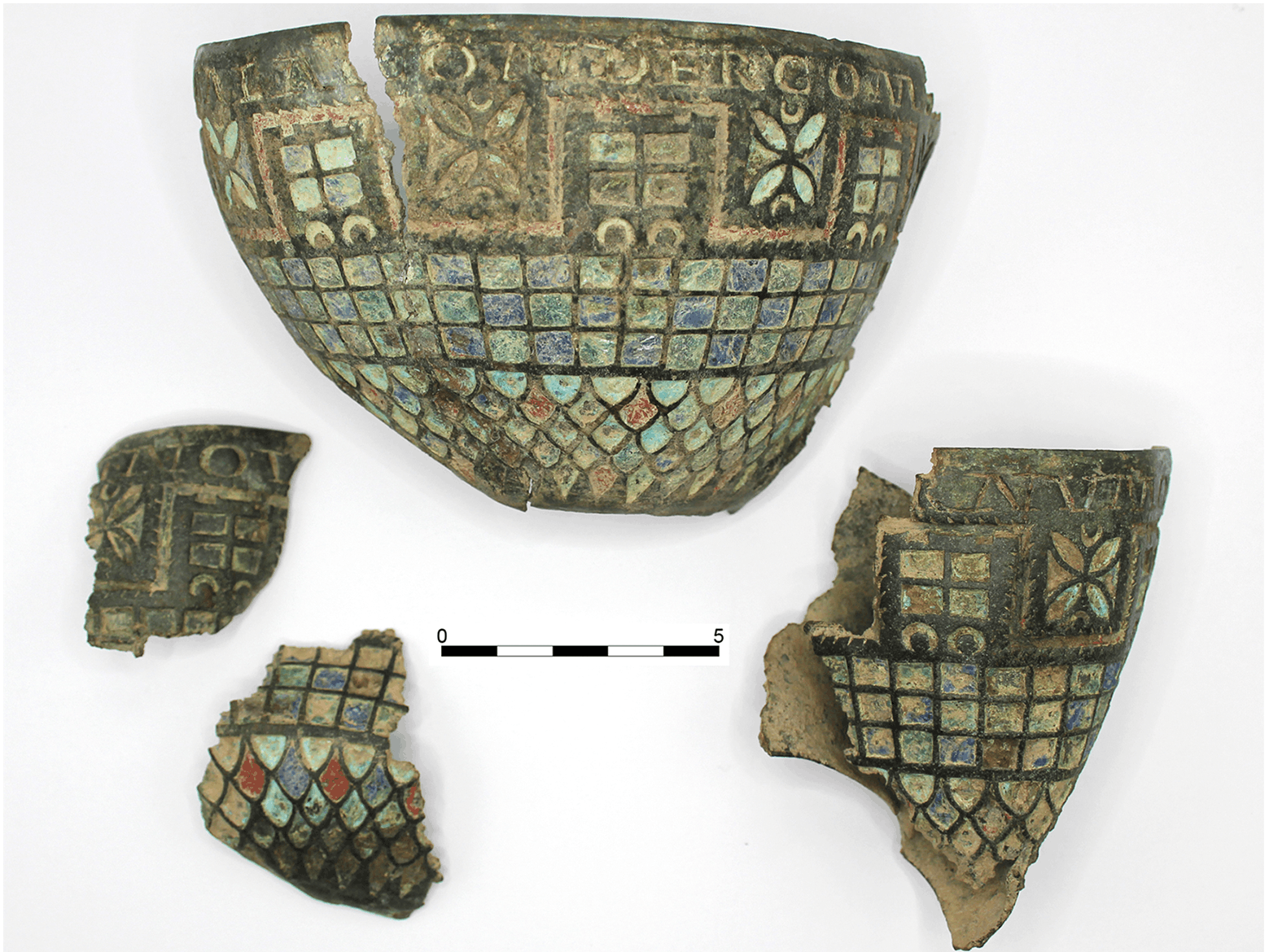
2,000-Year-Old Berlanga Cup Found in Spain May Trace a Roman Soldier’s Journey from Hadrian’s Wall
A Roman soldier may have carried this small bronze cup nearly 2,000 kilometers across the empire. Now found in central Spain, the object—known as the Berlanga Cup—is doing something rare in archaeology. It does not just tell us where it was made. It hints at who carried it, where he served, and what he chose…
-
Roman Pinecone Hairpin Found in Britain Carried a Hidden Symbol of Fertility and Power
A Roman pinecone hairpin discovered in Britain is revealing how a simple personal object could carry powerful symbols of fertility and belief in the Roman world. A small bone object uncovered during recent excavations in Britain is now offering a rare, almost personal glimpse into how people in the Roman world expressed belief, identity, and…
-

2,000-Year-Old Pompeii Altars Reveal Imported Incense and the Global Reach of Roman Ritual
Nearly two millennia after the eruption of Mount Vesuvius, Pompeii continues to reveal intimate details of Roman life. This time, the evidence comes not from grand buildings or frescoes, but from something far more subtle: the ash preserved inside household incense burners. A new scientific study has identified what Romans actually burned in their homes,…
-
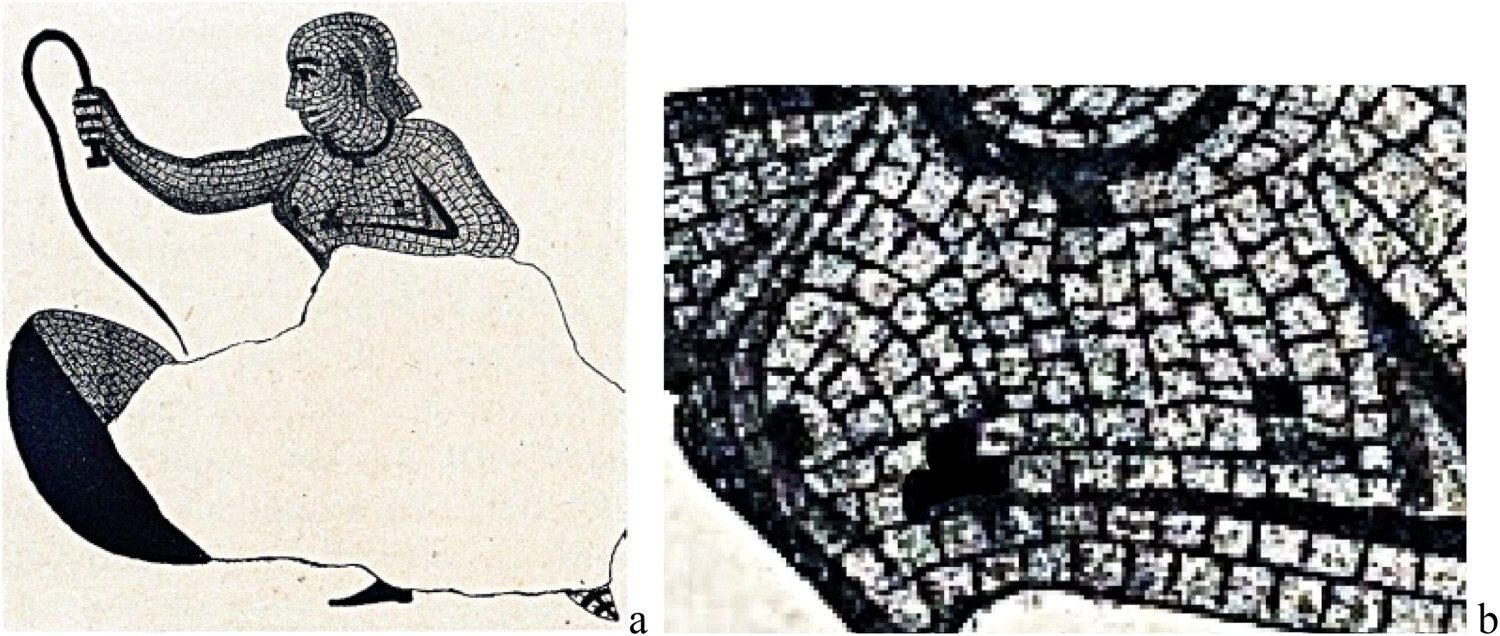
Lost Roman Mosaic May Preserve the Only Known Image of a Female Beast Hunter
A Roman mosaic destroyed more than a century ago is reshaping what historians thought they knew about women in the arena. Long treated as a damaged curiosity from ancient Reims, the work is now being reinterpreted as the only known visual depiction of a female beast hunter, or venatrix, in the Roman world. The reassessment,…
-
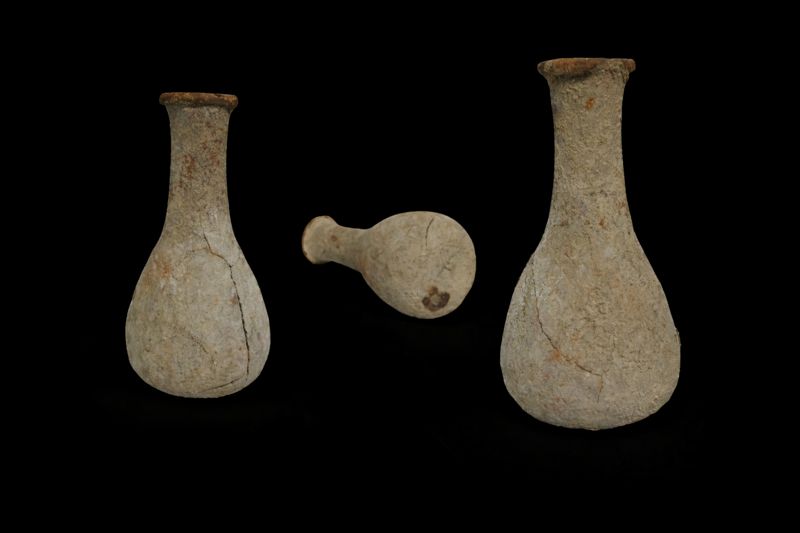
Roman Medicine Used Human Feces—Pergamon Now Has the Proof
For centuries, Greco-Roman medical texts described remedies made from human waste, but whether these treatments were ever truly prepared remained uncertain.A small Roman glass vessel unearthed in Pergamon has now provided the first physical proof that such remedies were not theoretical ideas, but part of everyday medical practice. The discovery comes not from a monumental…
-

Vitruvius’ Lost Basilica Found: Archaeologists Confirm Legendary Roman Building in Fano
For more than two millennia, it existed only on parchment. Now, it has emerged from the ground. Archaeologists in Italy have officially confirmed the discovery of the long-lost basilica designed by Marcus Vitruvius Pollio, the Roman architect whose ideas shaped Western architecture itself. The monumental structure, uncovered beneath the historic center of Fano, marks the…
-
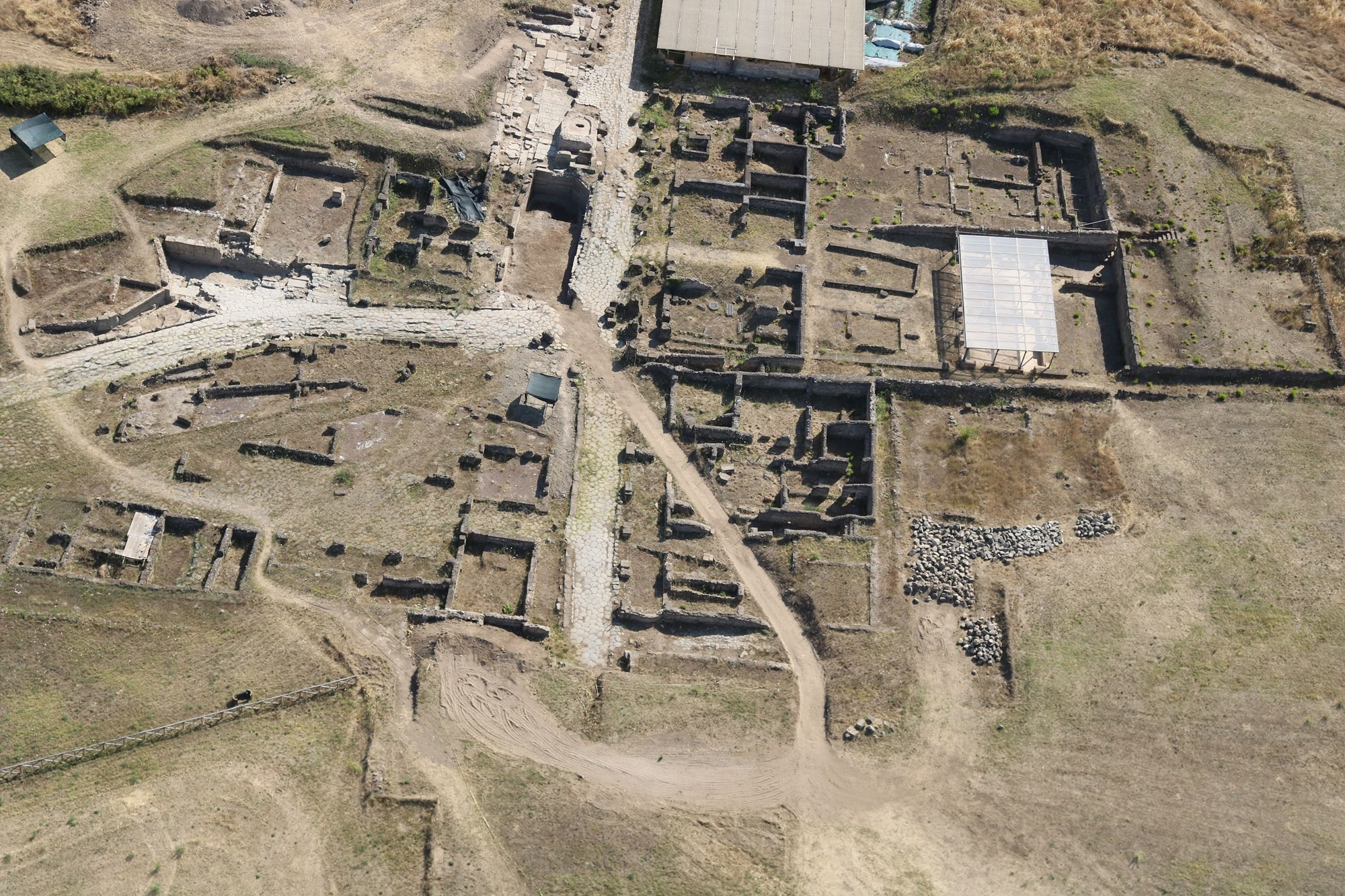
Hidden for Centuries: Archaeologists Unearth One of the Earliest Roman Monumental Structures
A remarkable discovery east of Rome has revealed one of the earliest examples of Roman monumental architecture — a massive stone-lined basin carved into the bedrock of the ancient city of Gabii, once a rival of early Rome. The find sheds new light on how the Romans used water, space, and architecture to express civic…
-
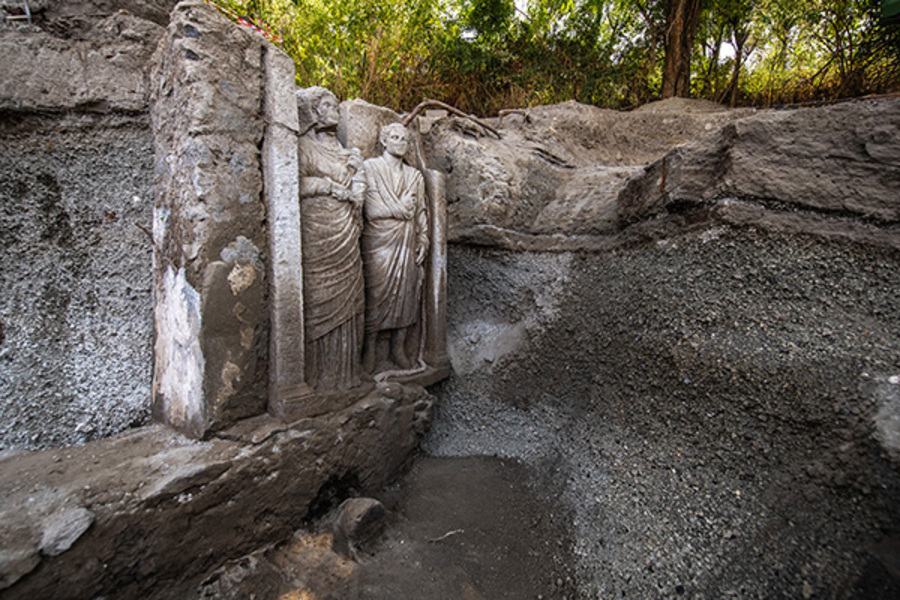
New Discovery in Pompeii: Ancient Tomb Relief Depicting Lifelong Love Unearthed in Porta Sarno Necropolis
A striking discovery illuminating the historical fabric of Pompeii has been made in the Porta Sarno necropolis. The “Investigating the Archaeology of Death in Pompeii” project, a collaboration between the Universitat de València and the Pompeii Archaeological Park, has unearthed an extraordinary tomb relief depicting a couple almost life-size. This find offers new insights into…