-
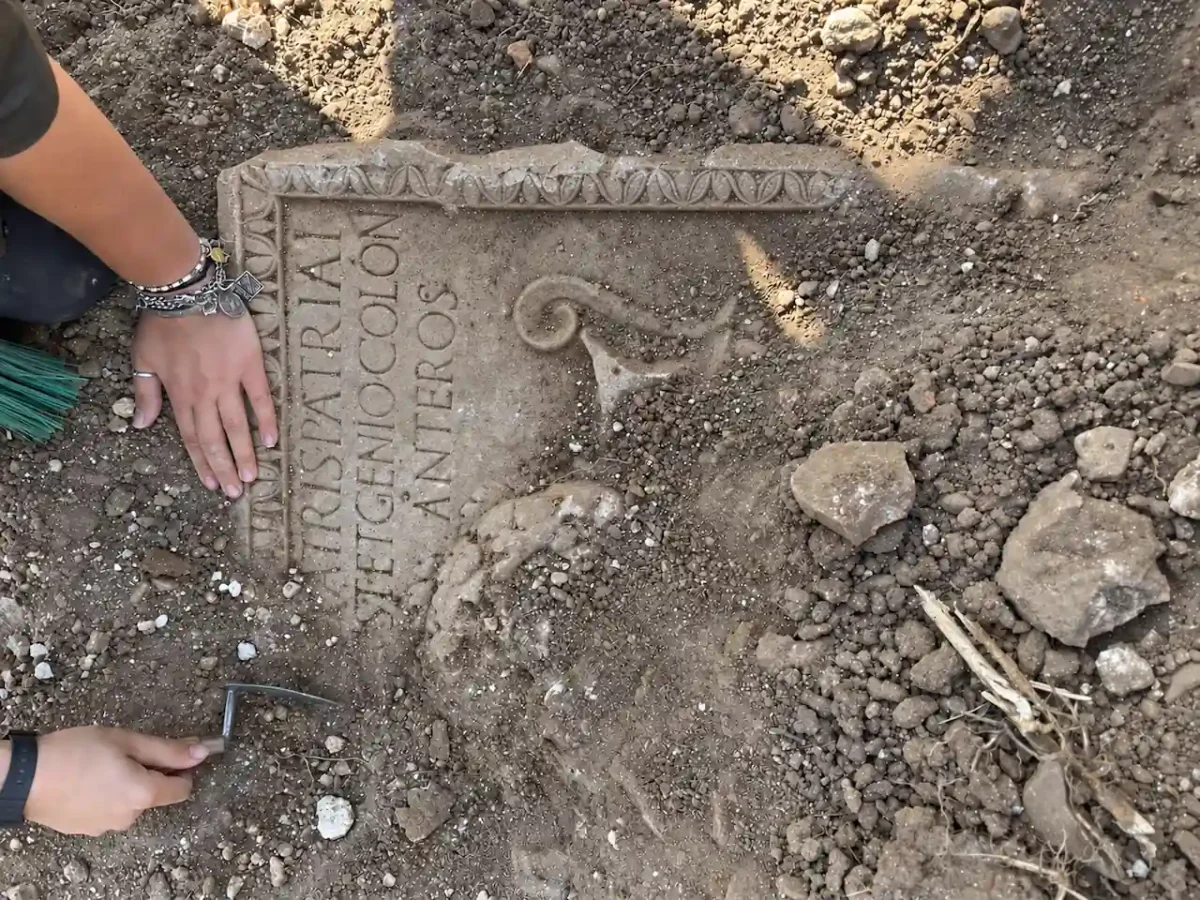
Roman Stone Depicting Three Sacrificial Animals Discovered at Aquinum
Archaeologists excavating the ancient Roman city of Aquinum in central Italy have discovered a richly decorated stone monument depicting a bull, a ram and a pig. The unusual combination points toward one of the most solemn sacrificial rituals practiced in Roman religion. The discovery came during the University of Salento’s 18th excavation campaign at Aquinum,…
-
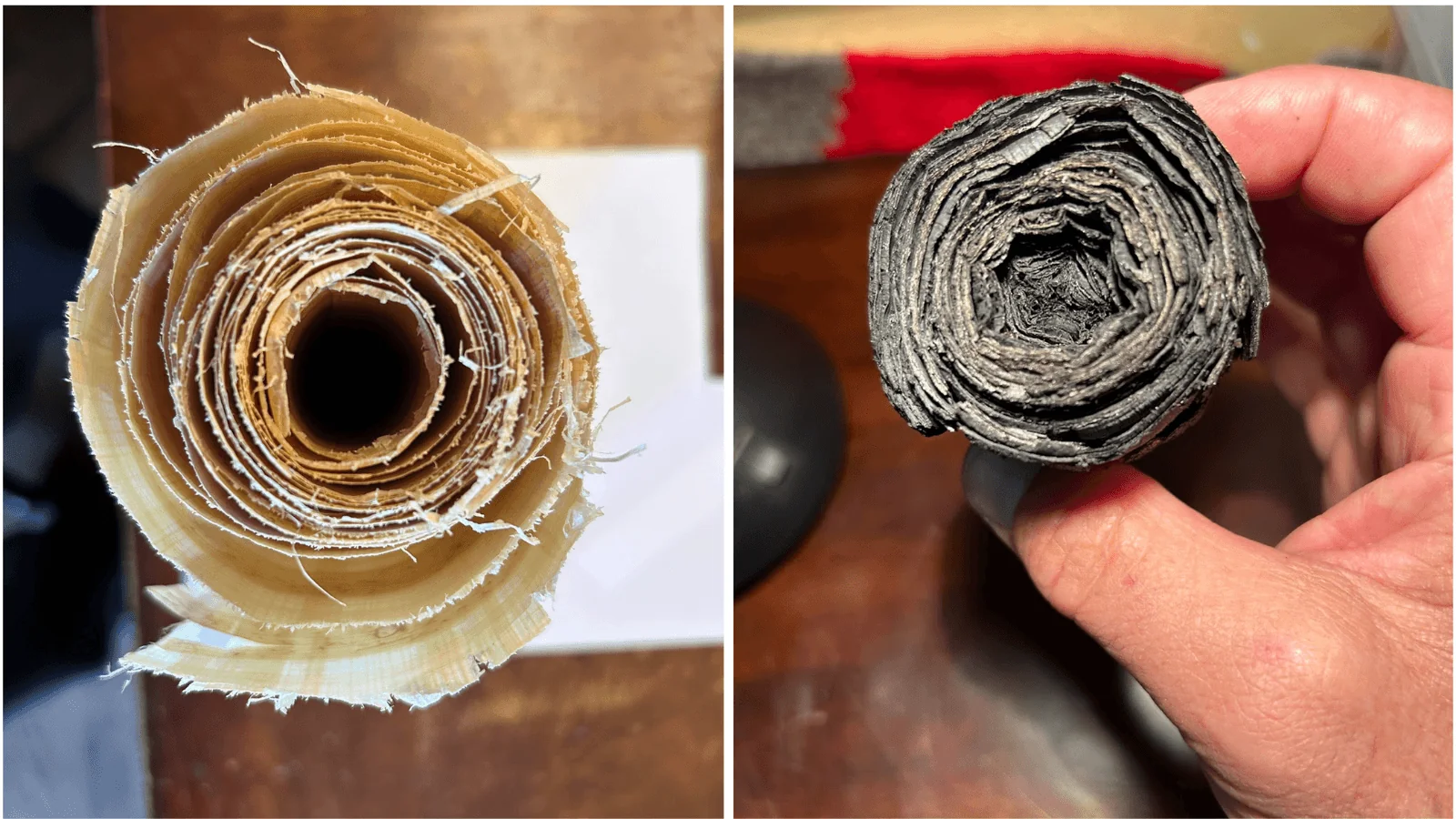
To Read 2,000-Year-Old Scrolls, Scientists Burned Their Own
To help read 2,000-year-old scrolls buried by Mount Vesuvius, scientists created new papyrus manuscripts, wrote on them with lead-laced ink and deliberately burned them. The unusual experiment could provide a practical way to identify the most promising texts among the carbonized remains of the Herculaneum library. The laboratory-made scrolls were not filled with ancient philosophy.…
-
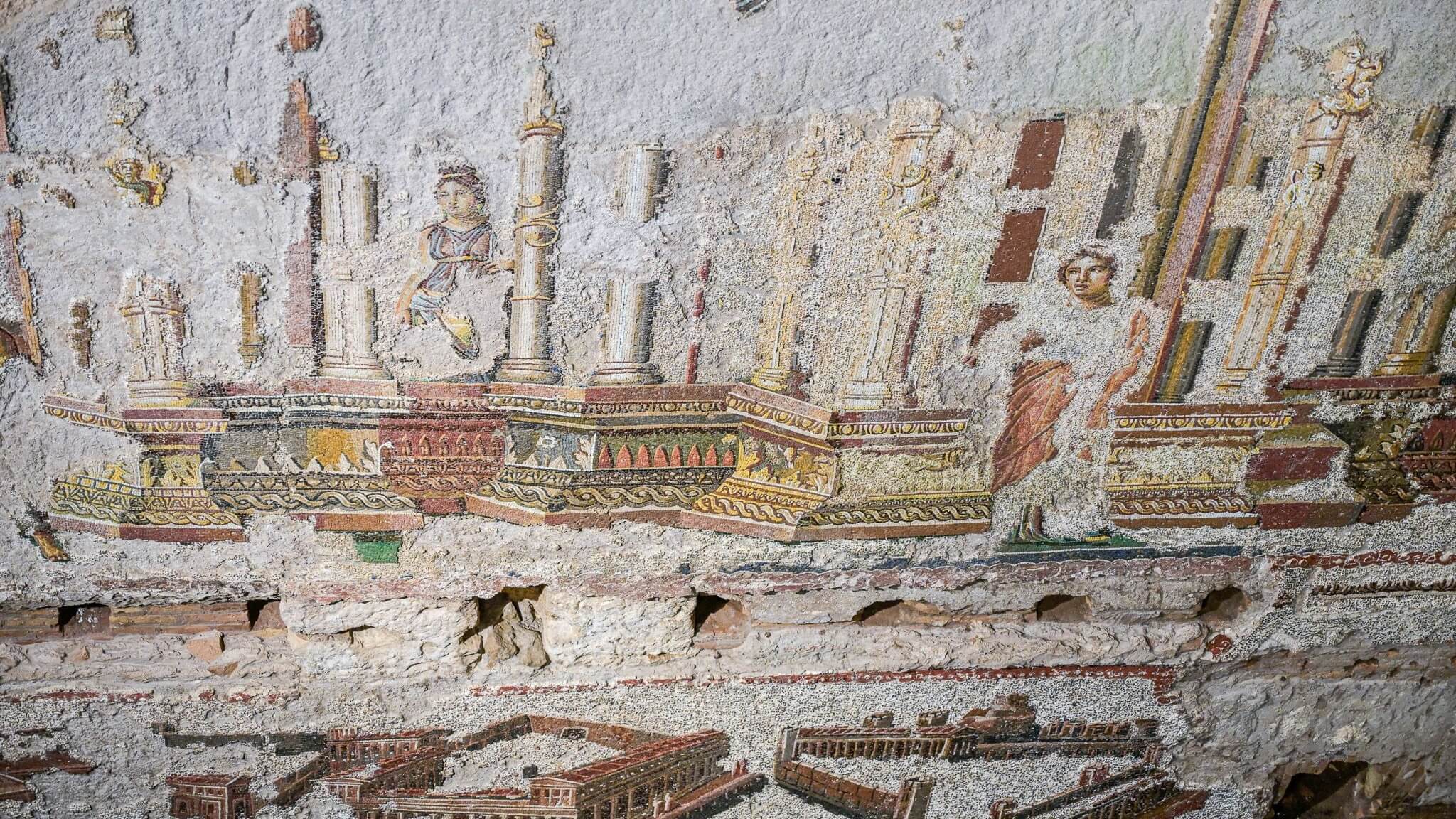
New Excavations Beneath Rome’s Baths of Trajan Reveal a Roman Port Scene
Archaeologists working beneath the Baths of Trajan in Rome have uncovered a previously unseen section of a monumental wall mosaic. The Roman port scene shows buildings arranged beside the sea, adding a coastal landscape to an artwork that may be the largest wall mosaic yet found in the Roman world. The discovery emerged during the…
-
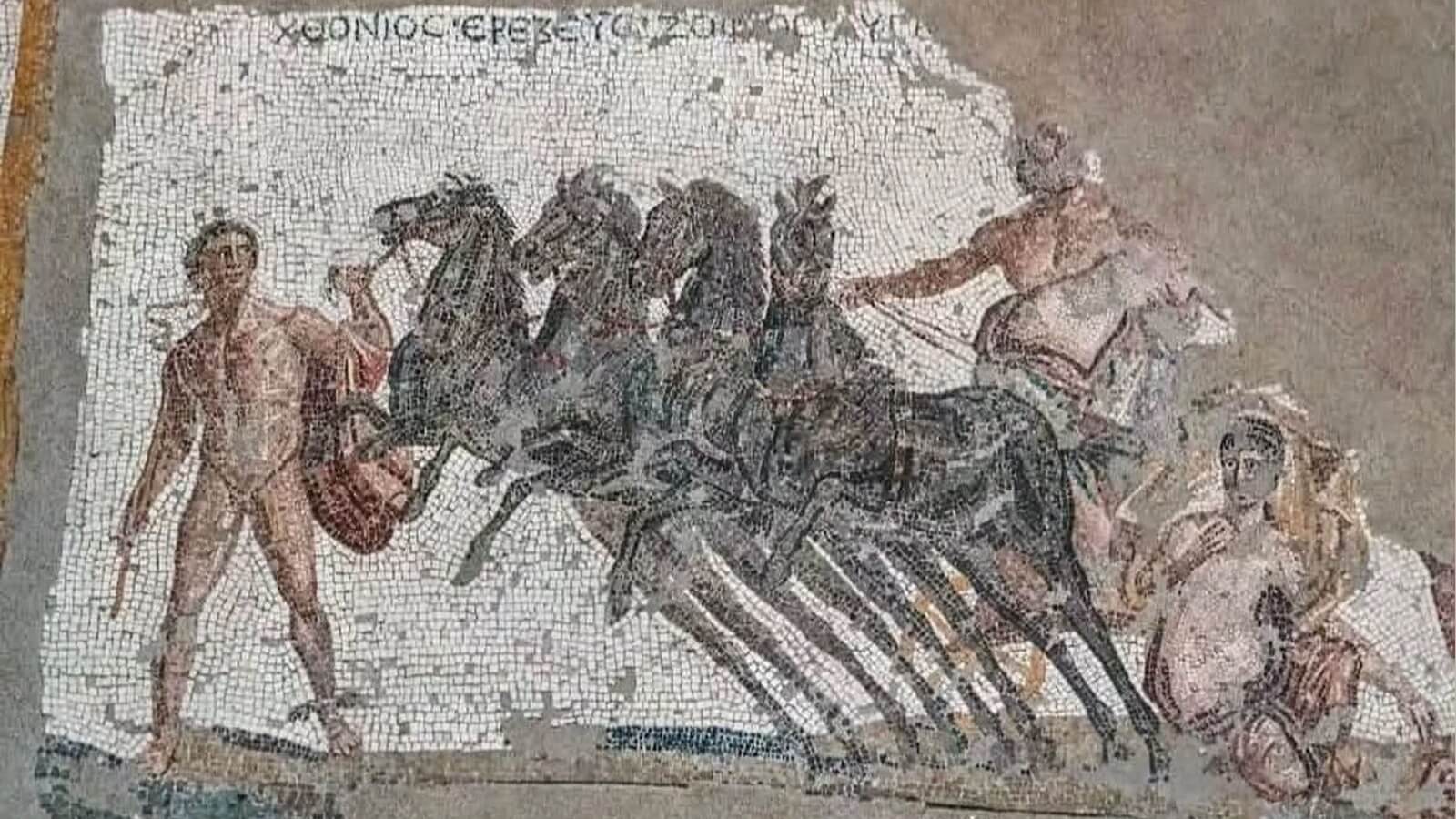
A 1,800-Year-Old Roman Mosaic Links Proserpina’s Abduction to the Changing Seasons
At the center of a Roman mosaic in the Centrale Montemartini, Pluto carries Proserpina toward the underworld in his chariot. Around this moment of violence, four personifications of the Seasons turn the scene into a wider story of separation, barrenness and the return of life. The large polychrome mosaic dates to the middle of the…
-
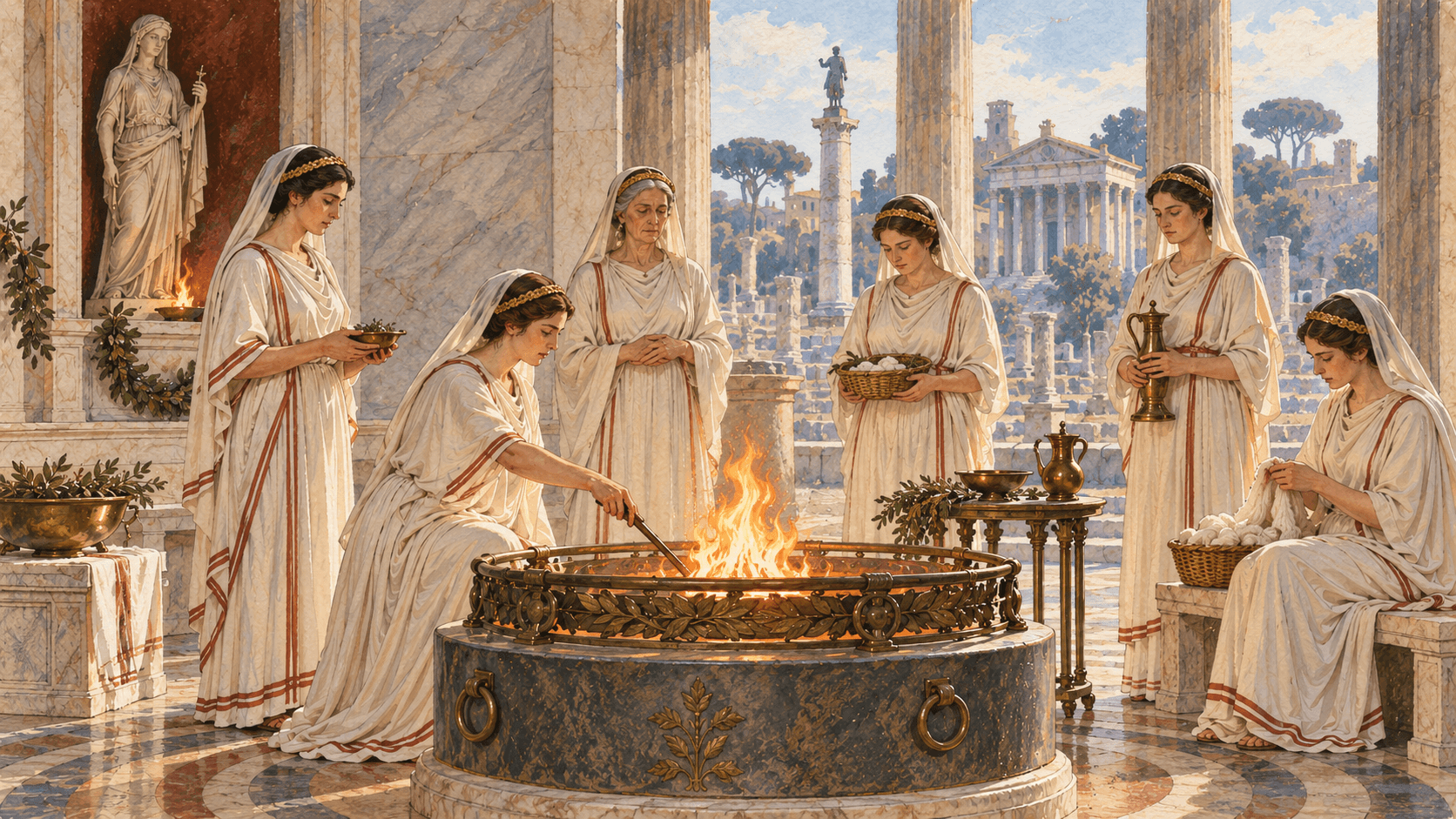
The Vestal Virgins Held Extraordinary Power but Lived Under Rome’s Absolute Control
At the eastern edge of the Roman Forum, a small fire carried the symbolic weight of an empire. Its flames belonged to Vesta, goddess of the hearth, but Romans believed they represented something far greater: the security, continuity and divine protection of Rome itself. Keeping that fire alive was entrusted to the Vestal Virgins, a…
-
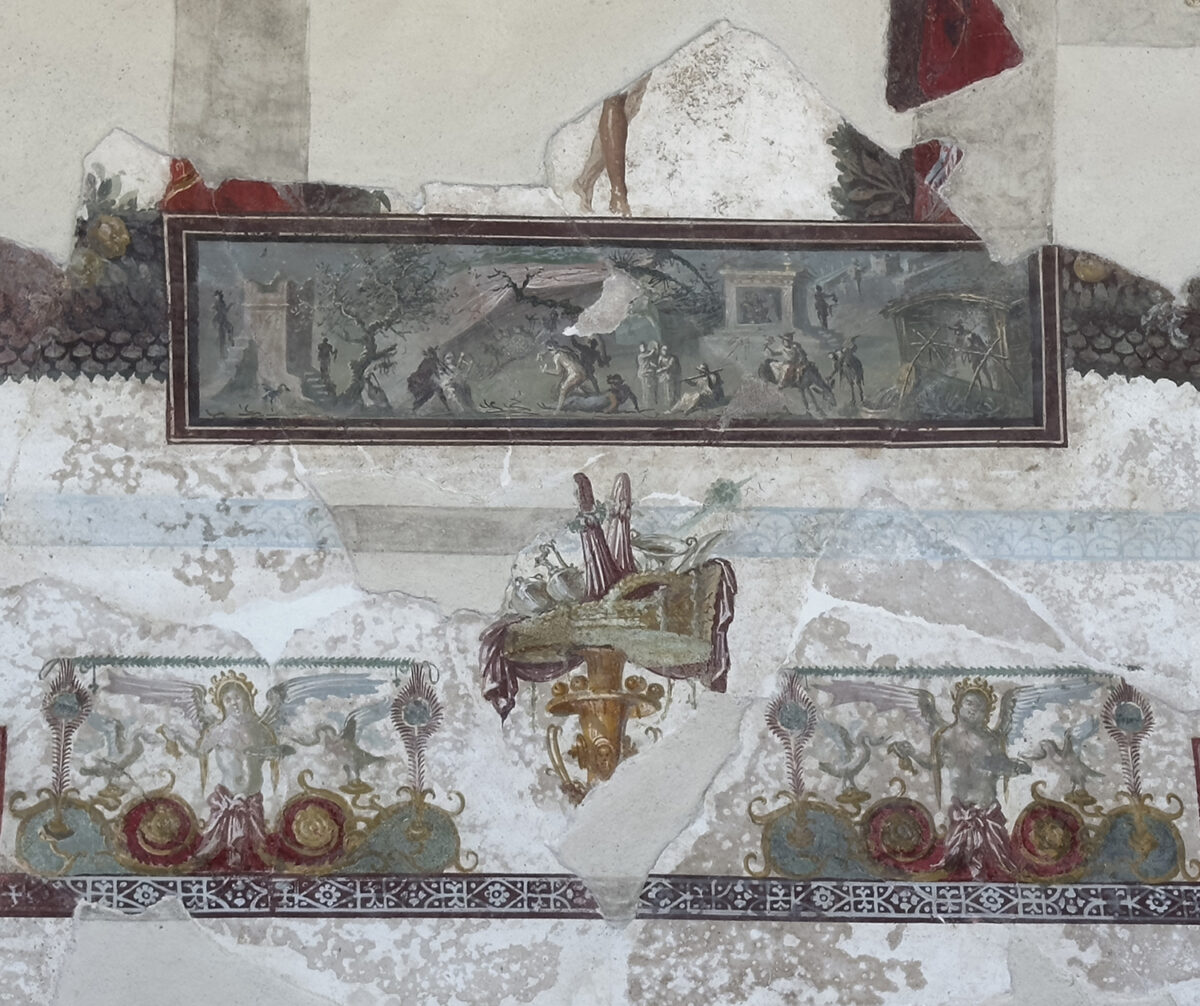
Pompeii’s Lost Ceiling Reveals Dionysus and Ariadne Above an Ancient Banquet Hall
A richly painted ceiling depicting Dionysus and Ariadne, once suspended above an upstairs banquet hall in Pompeii, has been partially reconstructed from hundreds of fragments recovered beneath the room’s collapse. The restored section comes from the House with the Bakery in Regio IX. Conservators have so far reassembled more than a quarter of the original…
-
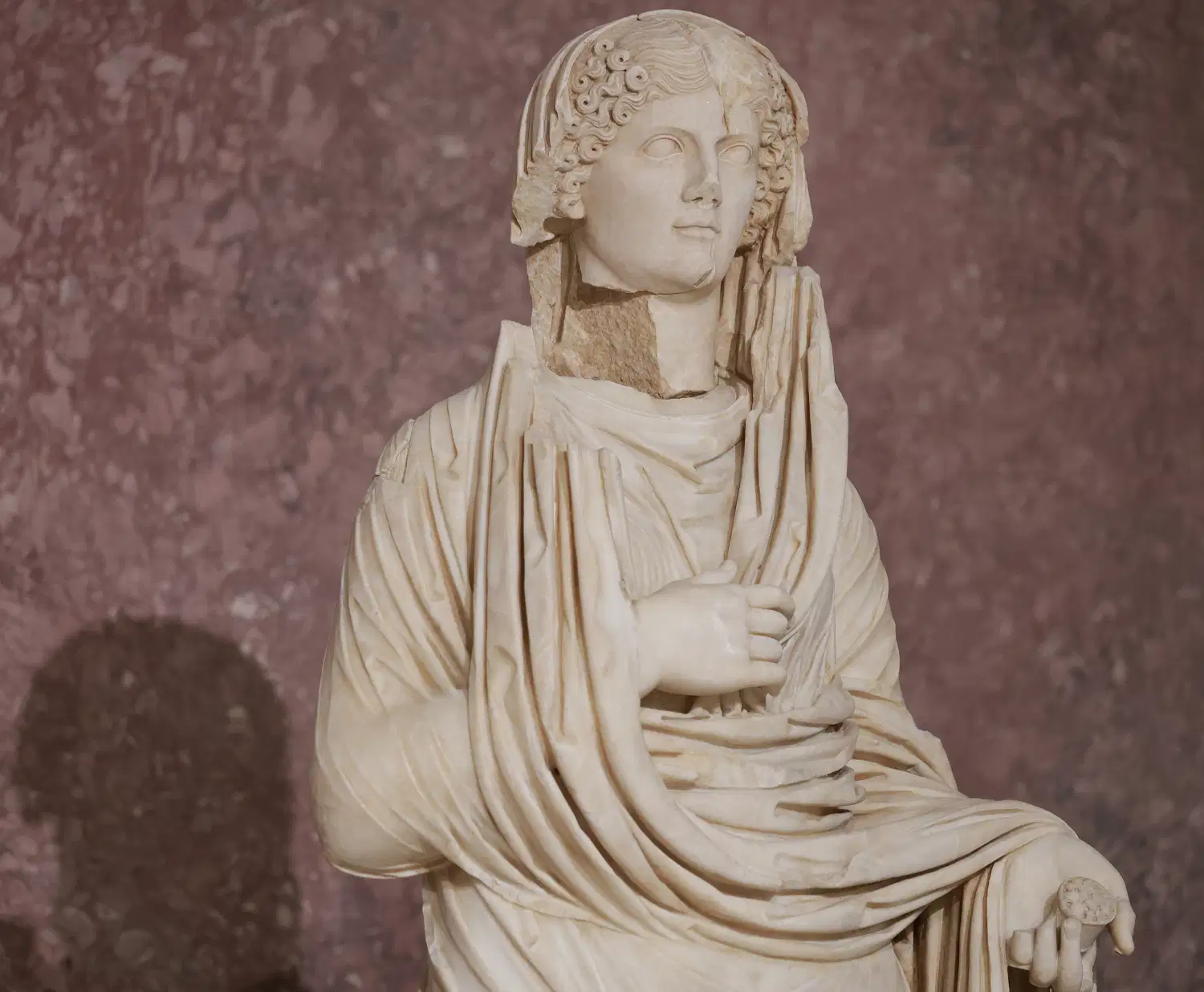
Restored Agrippina the Elder Statue Reveals New Details After Centuries of Darkened Layers
For years, the face of Agrippina the Elder had been difficult to read. Old waxes, oxidized oils, varnish and surface grime had darkened the marble, softening the details of one of the most important Roman portraits ever found at ancient Veleia. Now, after a careful restoration in Parma, the larger than life-sized statue has returned…
-
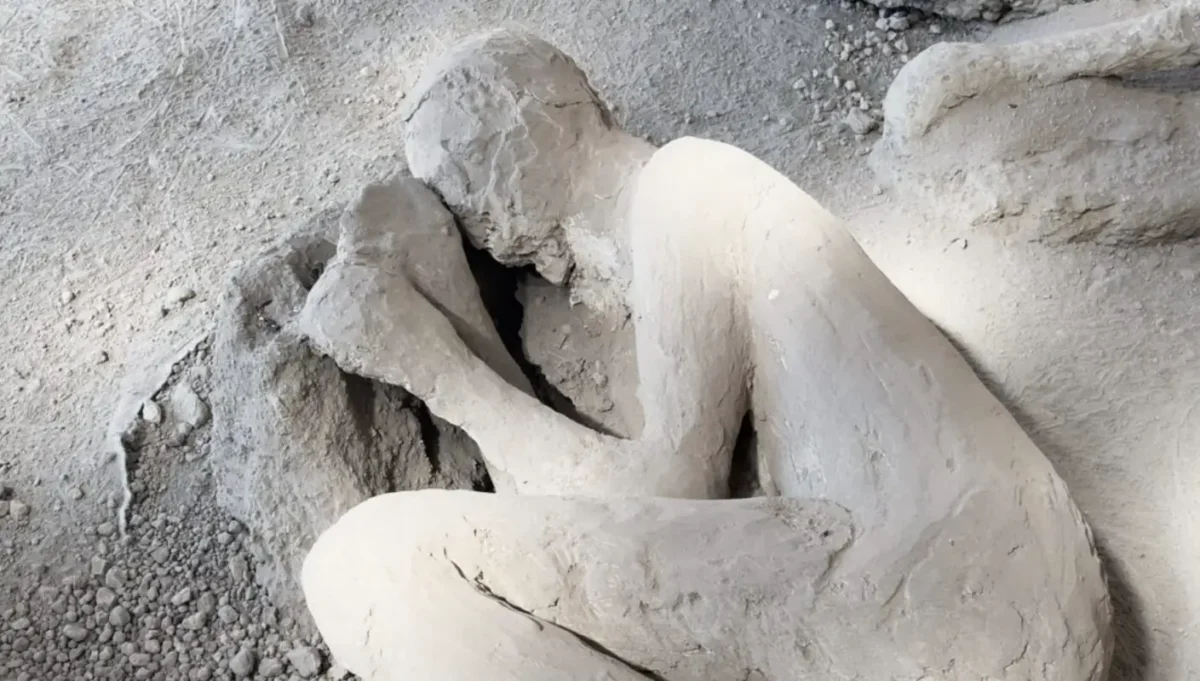
Pompeii Victim Fleeing Vesuvius May Have Been a Roman Doctor
A Pompeii victim who died while fleeing the eruption of Mount Vesuvius in AD 79 may have been a Roman doctor, according to new scans of objects preserved inside his plaster cast. The small case, coins and tools found with the man suggest he may have carried the equipment of a medicus during the city’s…
-
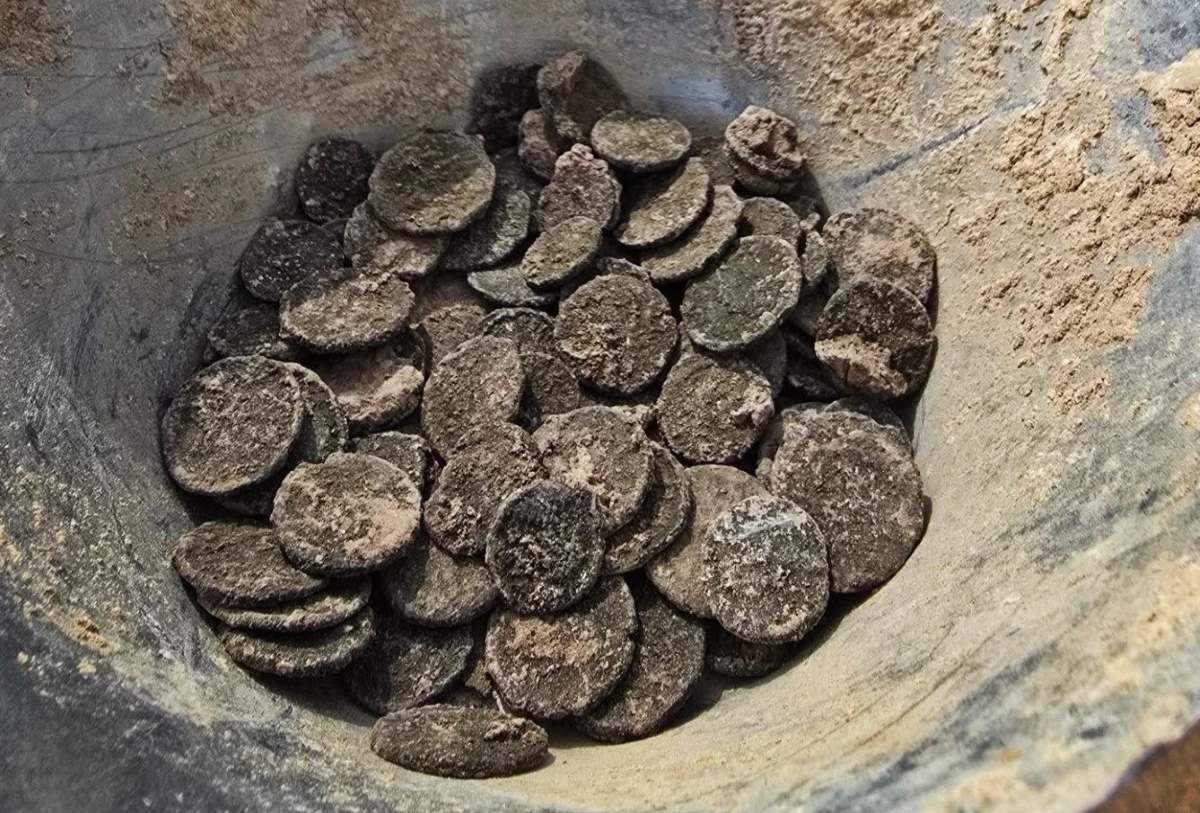
302 Roman Coins Found in Croatia May Mark the Last Pay of a Danube Watchtower Garrison
The first coin appeared in the soil of a defensive ditch. Then another surfaced. Within a small area near the village of Mohovo in eastern Croatia, archaeologists soon realized they were not dealing with ordinary lost change, but with a concentrated hoard of 302 Roman coins buried beside a frontier watchtower on the Danube. The…