-
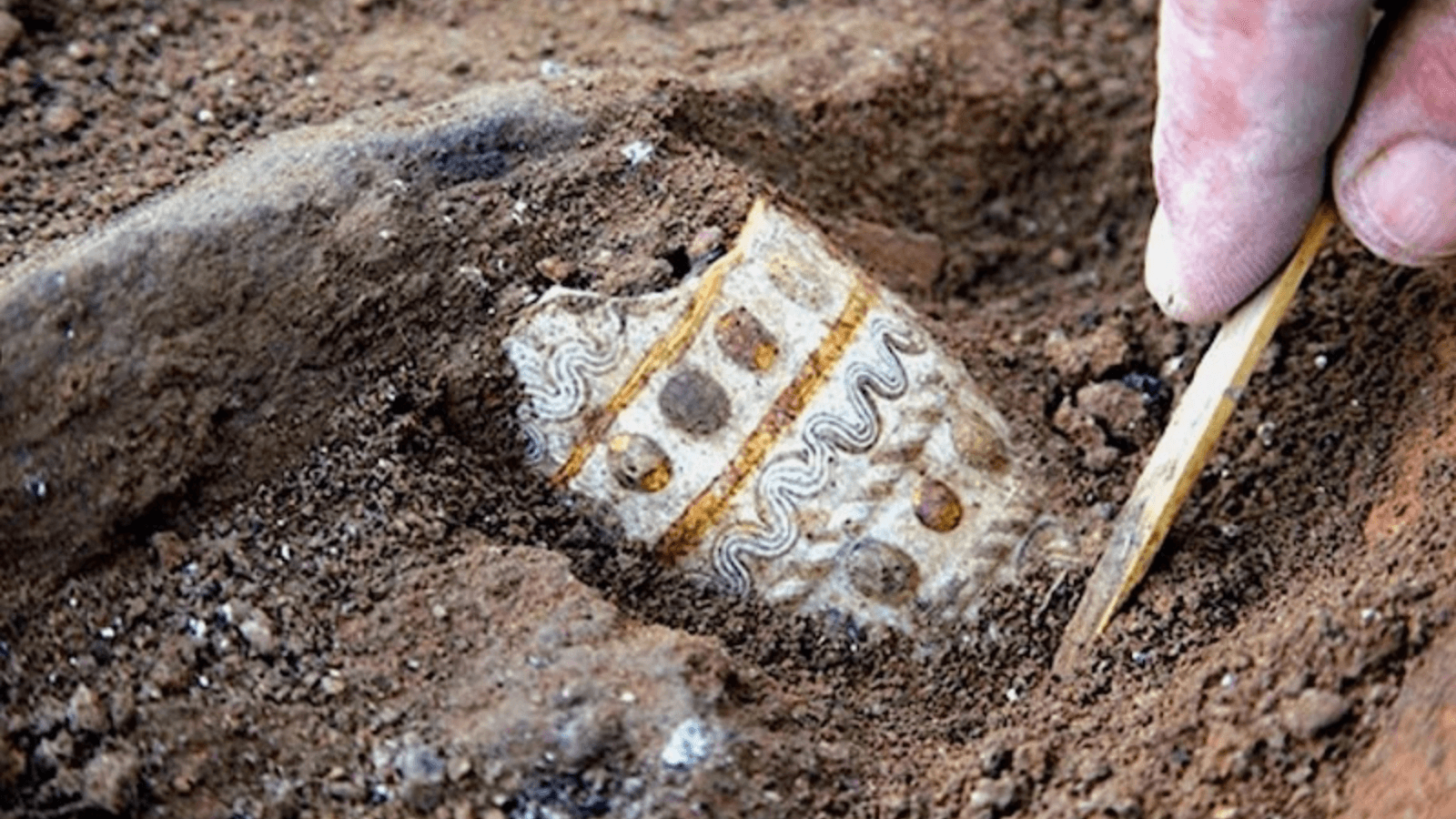
Anatolia’s Oldest Known Glass Bottle Reveals a Mystery From the Hittite World
More than 3,600 years ago, someone in Central Anatolia handled an object that would have been extraordinary even by the standards of the Bronze Age: a large, carefully decorated glass bottle. Found at Büklükale, a settlement on the Kızılırmak River southeast of Ankara, the vessel dates to around 1600 BCE and ranks among the oldest…
-
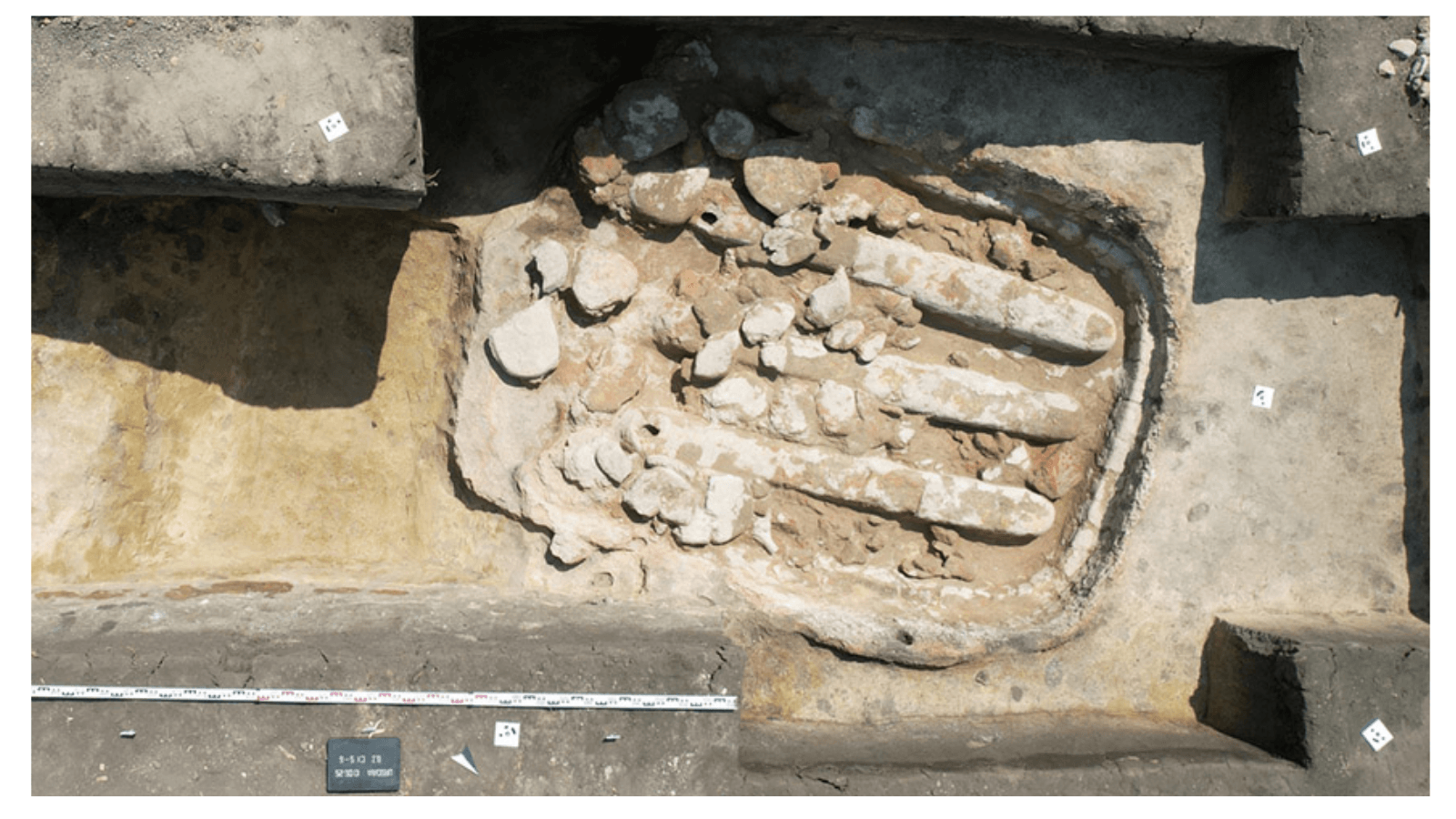
Archaeologists Unearth Giant 6,000-Year-Old Pottery Kiln in Europe
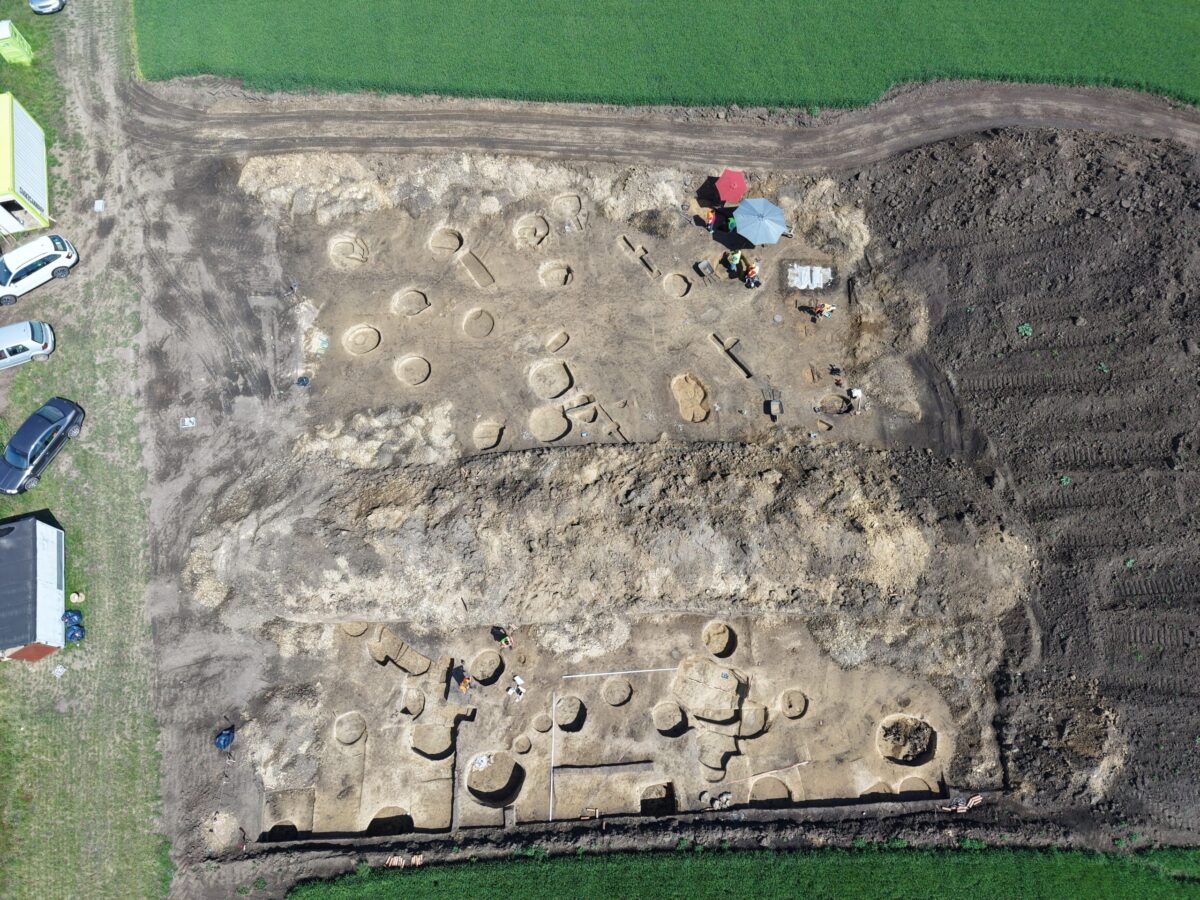
A giant 6,000-year-old pottery kiln unearthed at Ursoaia in north-eastern Romania is revealing just how large and technically sophisticated ceramic production had become in prehistoric Europe. With a working surface of about 7.5 square metres, it is the largest securely documented kiln of its type in the Cucuteni–Trypillia world. Excavated in 2025, the bicameral structure…
-
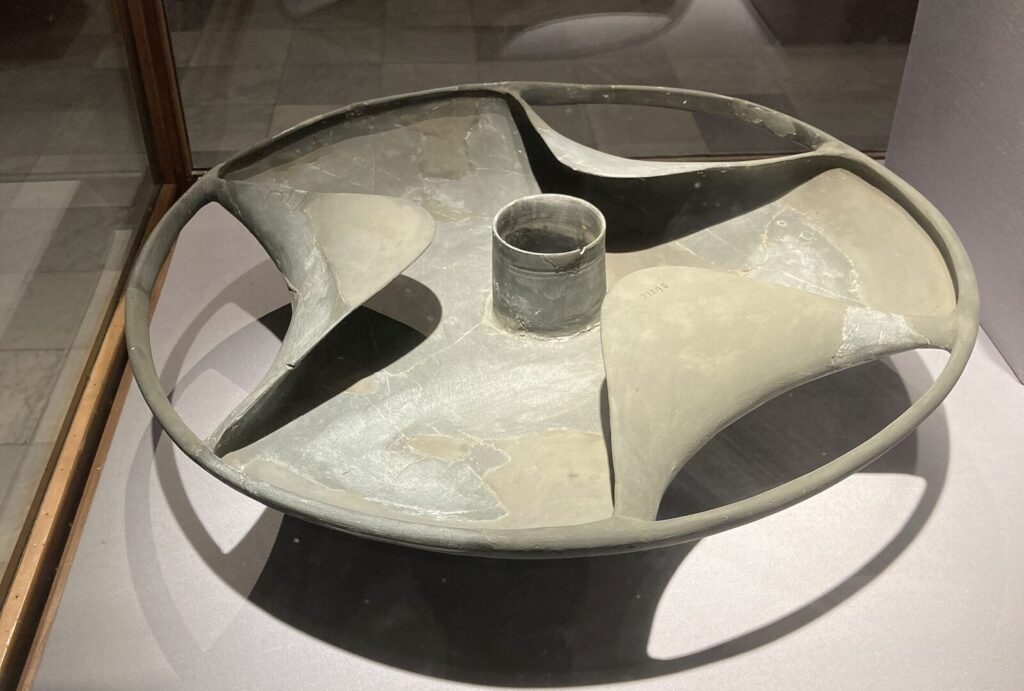
Egypt’s 5,000-Year-Old Sabu Disk Still Defies a Clear Explanation
The Sabu Disk was carved in Egypt more than 5,000 years ago, yet its original purpose remains unknown. With its broad circular body, three curved lobes and raised central opening, the stone object has no securely identified parallel from the same period. Its unusual geometry has led to comparisons with propellers, turbines and mechanical rotors.…
-
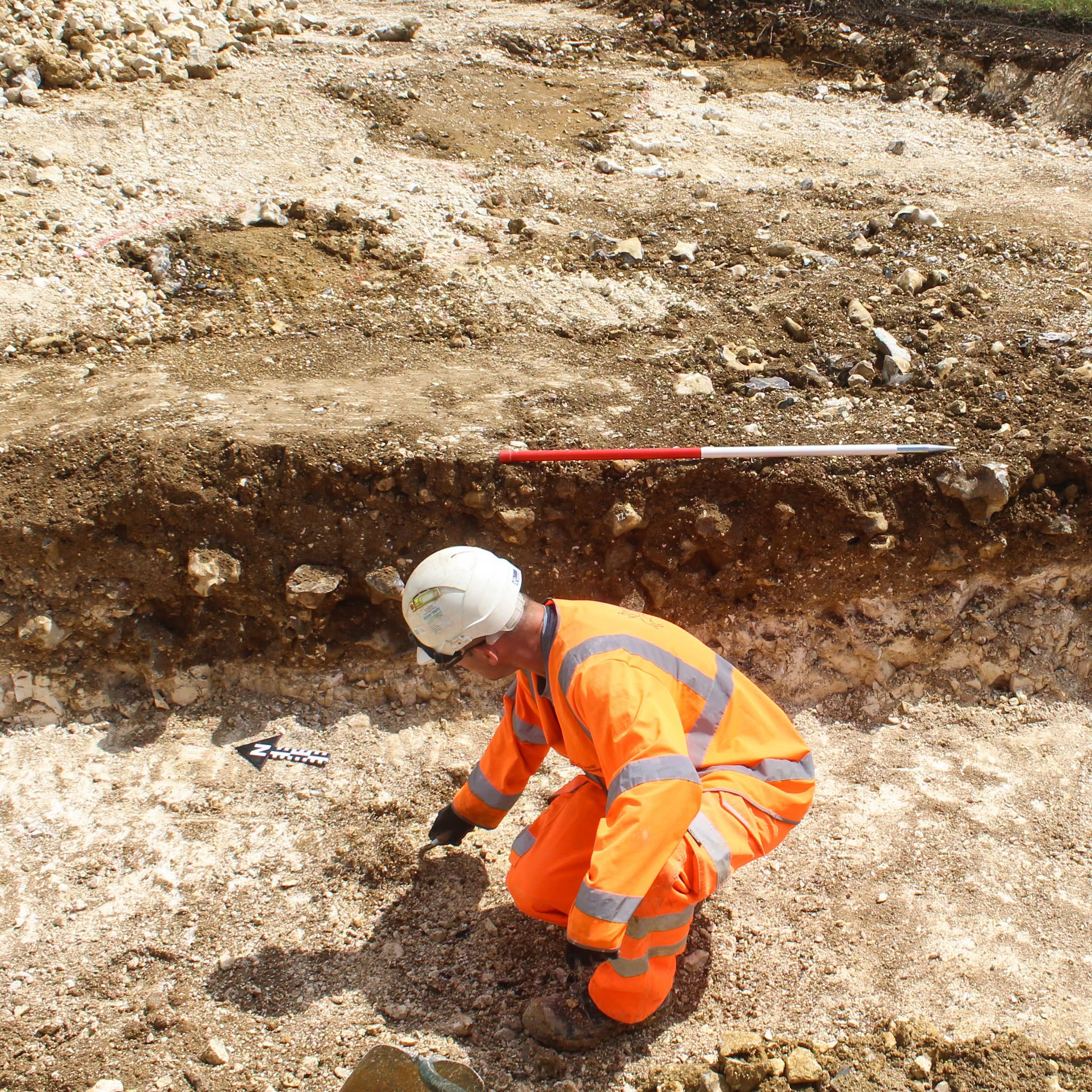
Iron Age Britons Used Slag-Tapping Furnaces Before the Roman Conquest
Radiocarbon dates from an iron-production site in Kent suggest that British metalworkers were draining molten slag from their furnaces before the Roman conquest of AD 43. The evidence comes from excavations at Junction 5 of the M2 motorway, where archaeologists uncovered furnaces and waste left behind by iron smelting. Some of the slag shows that…
-
Roman Tool Discovered in Czech Republic May Reveal How Legionary Chainmail Was Made
A small iron plate, punctured with a precise sequence of holes, may hold the key to how Roman craftsmen produced one of the empire’s most recognizable forms of armor. Discovered in the Czech Republic, the object appears to have been used to draw metal wires—an essential step in the production of Roman chainmail. Archaeologists believe…
-
2,000-Year-Old Roman Shipwreck Reveals How Ancient Engineers Waterproofed Their Vessels
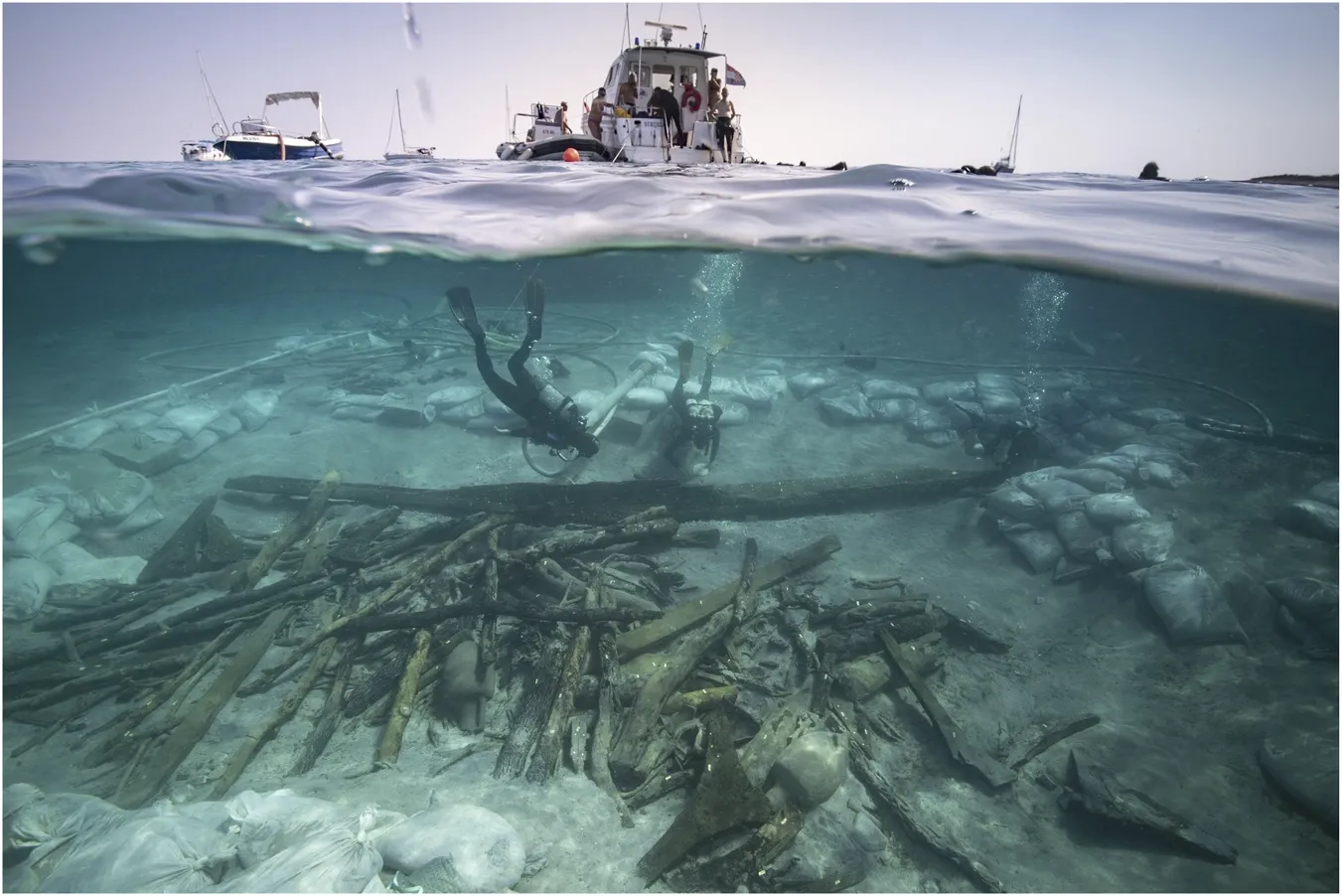
A Roman-era shipwreck off the coast of Ilovik Island is offering a rare, close-up look at how ancient shipbuilders protected their vessels against the constant stress of the sea. By combining chemical analysis with pollen research, scientists have reconstructed not only the materials used on the ship, but also the environments it moved through and…
-

2,400-Year-Old Iron Workshop Discovered in Senegal Reveals Long-Lost African Metallurgy Tradition
A 2,400-year-old iron workshop in Senegal is forcing archaeologists to rethink how and where iron technology developed in the ancient world. Excavated in the Falémé River Valley, the site reveals not a short-lived experiment, but a remarkably stable production system that operated for nearly 800 years. The discovery, led by researchers from the University of…
-
Europe’s Oldest Elephant Bone Tool Reveals Unexpected Skill Among Early Humans in Britain
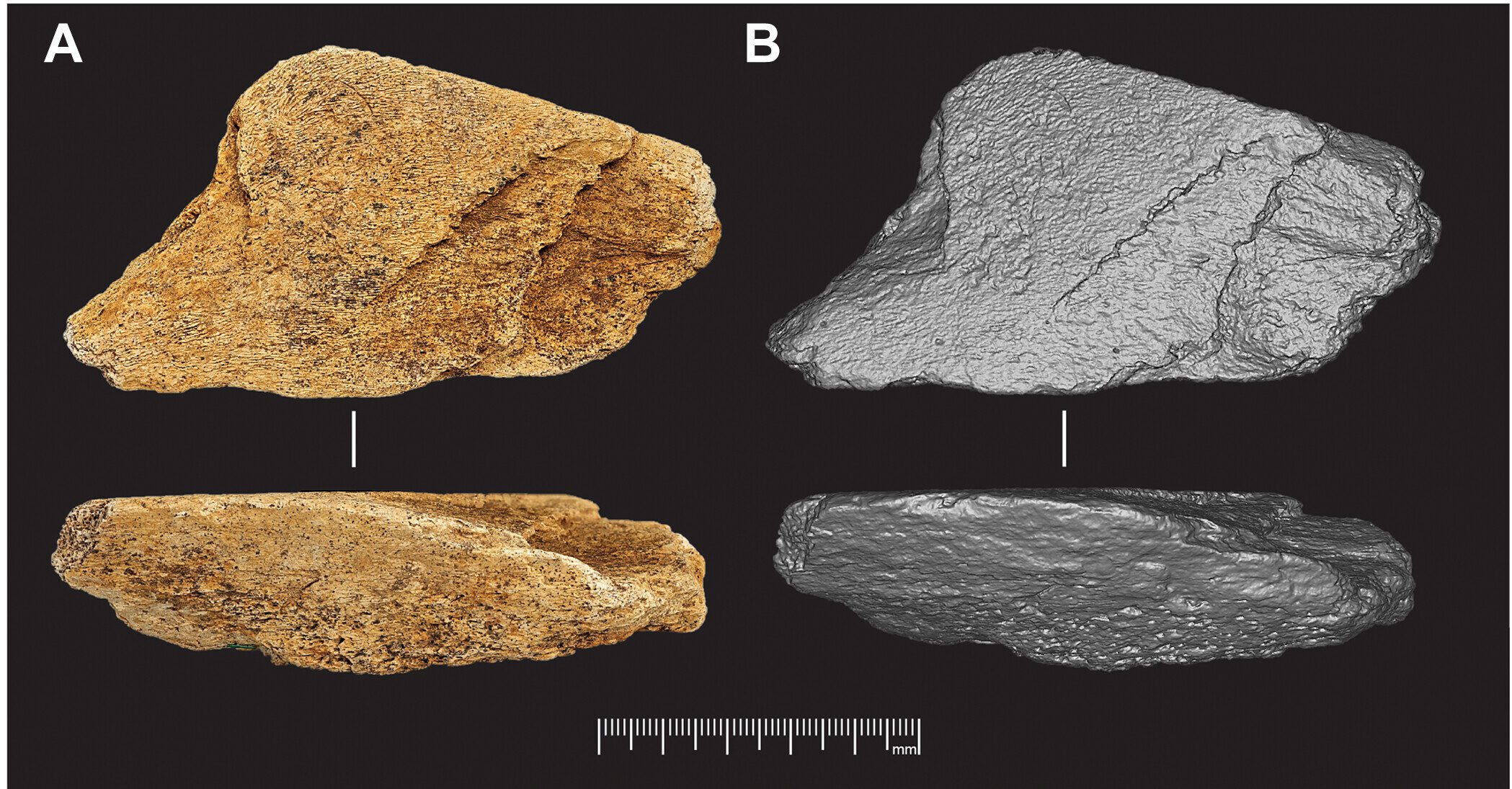
Archaeologists working in southern England have identified what is now considered the oldest elephant bone tool ever documented in Europe—a discovery that reshapes how researchers understand the technological abilities of early human populations nearly 500,000 years ago. The artefact, a carefully shaped bone hammer, offers rare insight into how early humans in prehistoric Britain selected…