
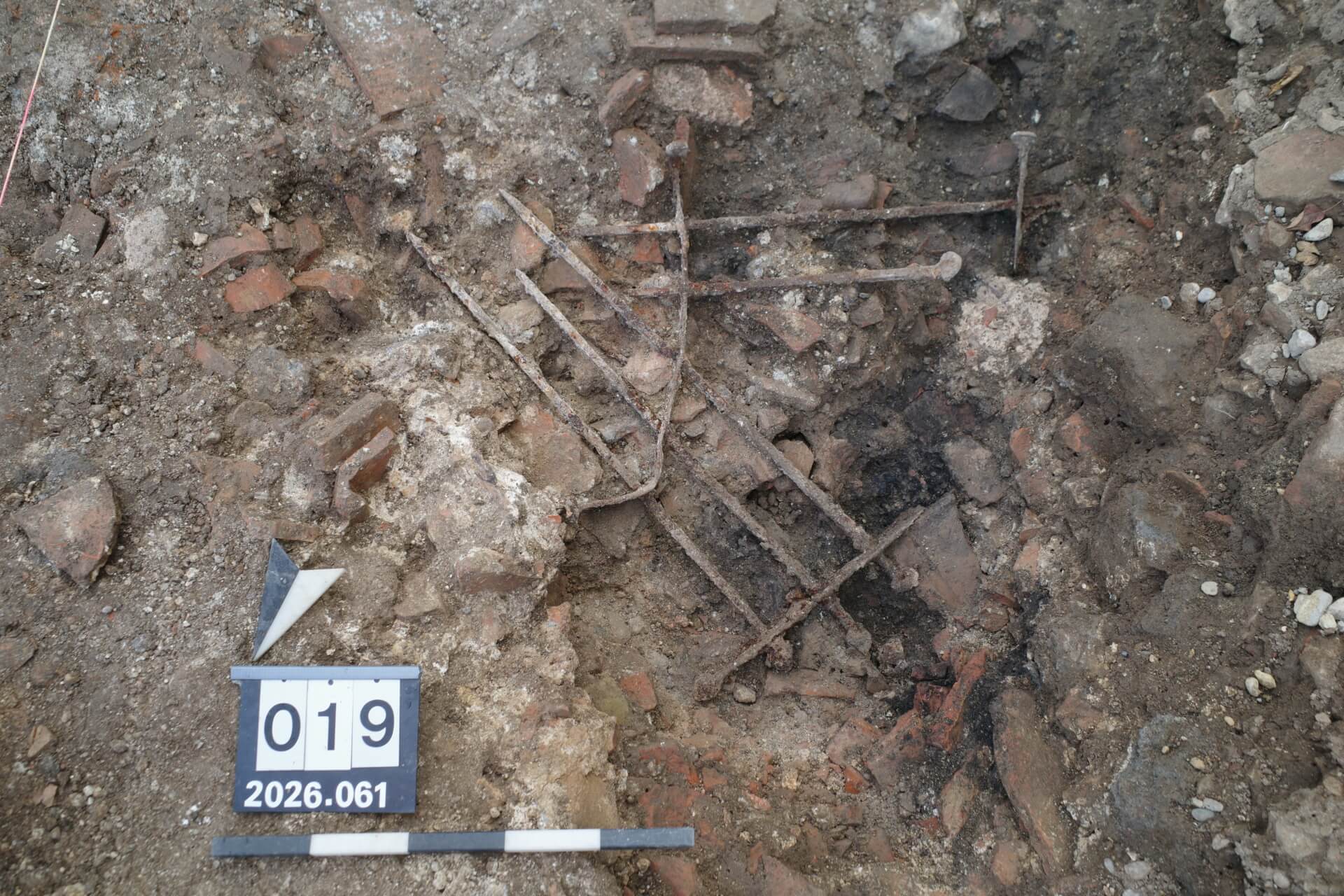
Archaeologists working at the ancient Roman settlement of Augusta Raurica in Switzerland have unearthed an uncommon iron Roman window grille that includes two original fasteners which previously held it to timber. This peculiar discovery illuminates how Romans safeguarded openings and stands as a strikingly intact instance of common architectural hardware from antiquity.
Located roughly 1.7 meters (5.6 feet) underground within the debris of a fallen stone structure close to the Roman House in Augusta Raurica, which stands approximately 10 kilometers northeast of Basel, lies the grille.
Archaeologists at Augusta Raurica described this discovery as particularly unique and noted that there are only a limited number of similar window grilles in the archaeological site’s inventory.
An Ancient Window With Its Original Fastenings
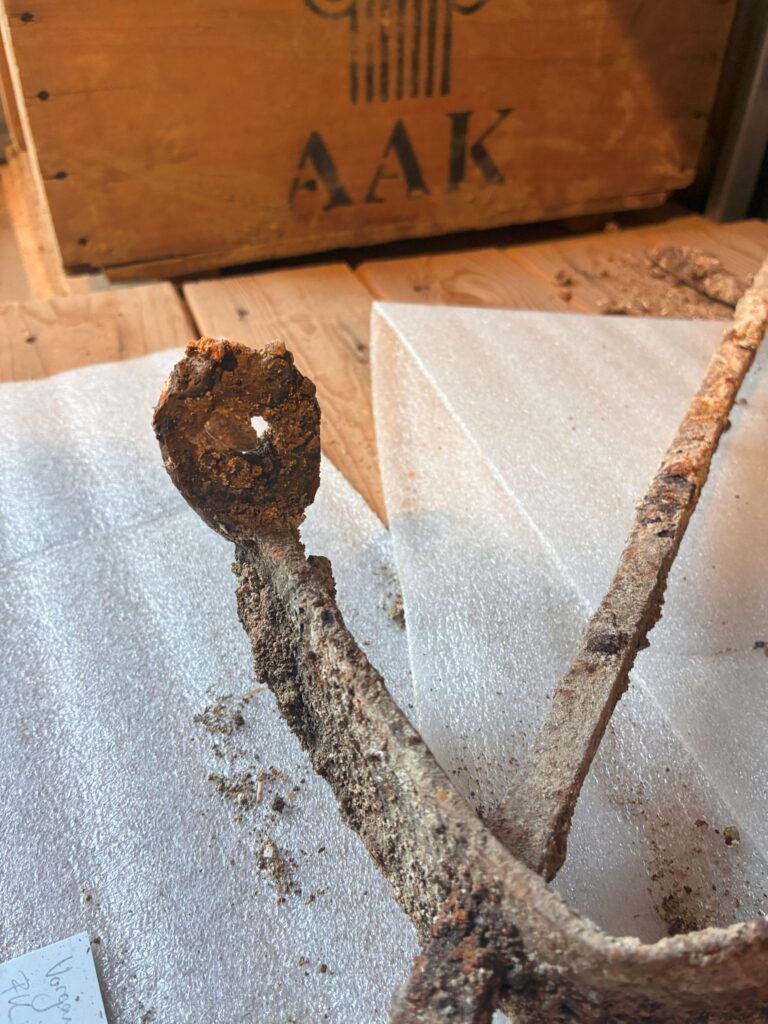
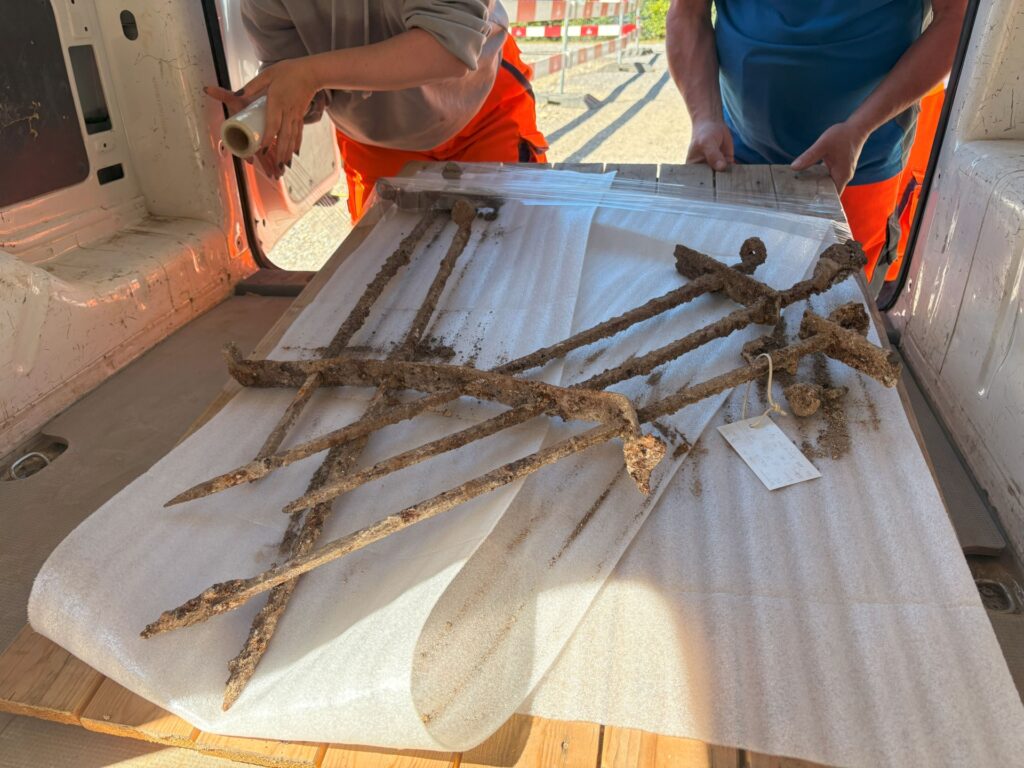
The grille comprises five upright iron rods linked together by two level iron bands. Rings located at the strip ends likely enabled Roman architects to secure the structure to a timber window frame.
Two surviving original fastening nails offer valuable insight into the installation of the grille. Ancient architectural fittings, especially iron ones that were often retrieved and repurposed, usually lack such details.
The discovery provides archaeologists with a tangible illustration of a Roman security measure that is typically understood mainly from remaining structures and dispersed metal pieces.
How Romans Kept Their Windows Secure
Roman buildings often featured comparatively small exterior windows, since interior courtyards and atria provided most of the natural illumination. Window grilles served to stop intruders from gaining entry while still allowing air circulation and sunlight to pass through completely.
The Romans also employed distinct materials to seal their window openings. Glass panes first appeared during the first century AD, yet their high cost prevented them from being used widely. Wooden shutters offered a practical solution for sealing windows, and some structures utilized lapis specularis, a translucent gypsum variety that allowed light in while excluding rain and wind.
An iron grille could offer extra safety no matter what substance was chosen for closing the window. However, archaeologists have not confirmed whether the newly discovered instance came with glass or wooden shutters, nor if another covering existed instead.
A Mystery Beneath the Roman City
The building which once held the grille has remained unidentified. Archaeologists have not yet identified the exact age or function of the structure, nor do they fully understand how it collapsed. Although other explanations remain possible, a fire may have been responsible.
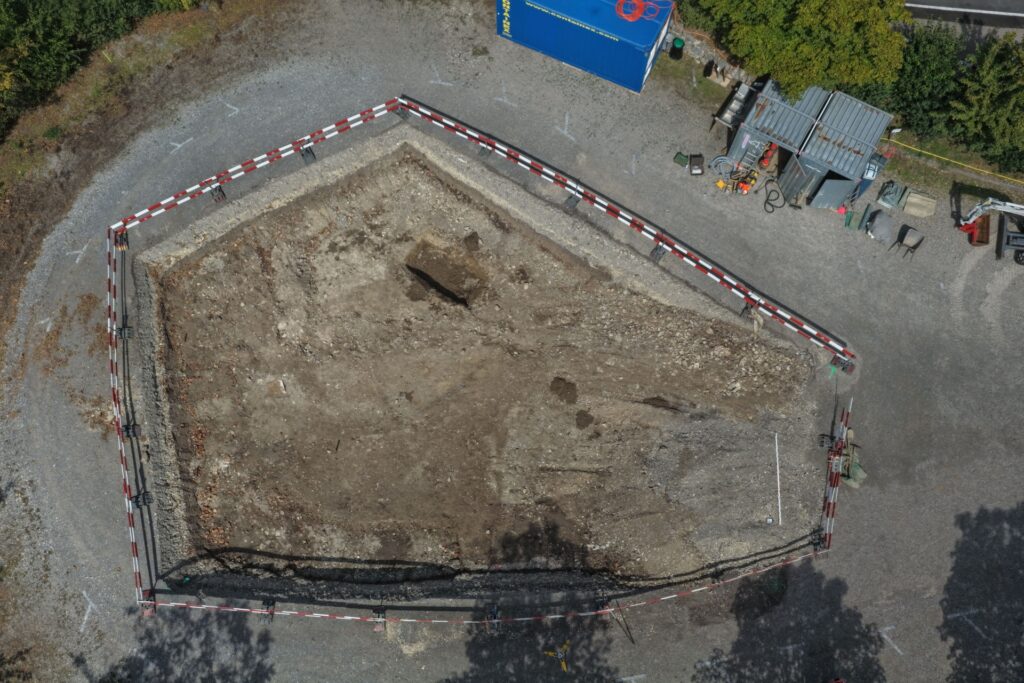
Investigations of this site occurred in two separate campaigns during the 1990s. New structural elements were uncovered by recent efforts, featuring a wall oriented along an east-west line within a section of the ancient city previously examined for many years. The identity of the structure that supported the grille is still unknown. Its specific date and function have not yet been established, nor have the conditions leading to its fall been clarified. While a blaze might account for this event, other theories remain viable.
Founded in the late first century BC, Augusta Raurica became an important Roman urban center in what is now northern Switzerland. The ruins of its city, which include a theater, houses, and civic facilities, provide extensive proof of daily existence along the empire’s northern border.
The newly discovered grille has been transferred to the site’s archaeological collection for documentation, conservation, and further examination. Although its original building remains a mystery, the surviving ironwork and fastenings provide an unusually complete example of how a Roman window was secured.
Cover Image: The rare Roman iron window grille as discovered among the remains of a collapsed masonry wall at Augusta Raurica. Credit: Augusta Raurica.