-
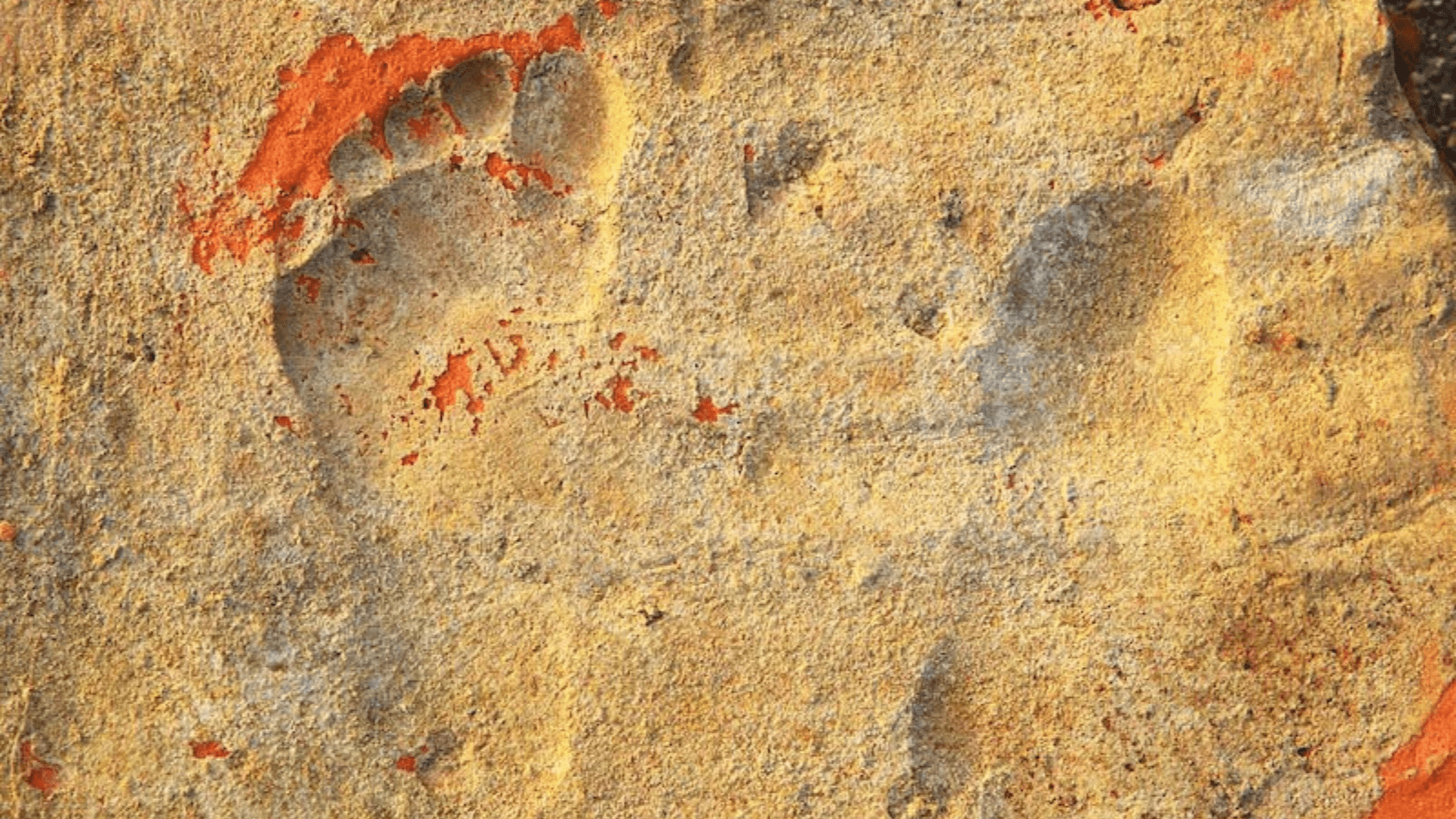
Three Children Left Their Footprints at Stratonikeia 1,900 Years Ago
The monumental ruins of Stratonikeia preserve the names of rulers, the decisions of civic officials and the ambitions of wealthy builders. Its latest discovery records something far quieter: the footsteps of three children who lived nearly 1,900 years ago. Archaeologists uncovered the footprints during excavations at a Roman bath complex in the ancient city, located…
-
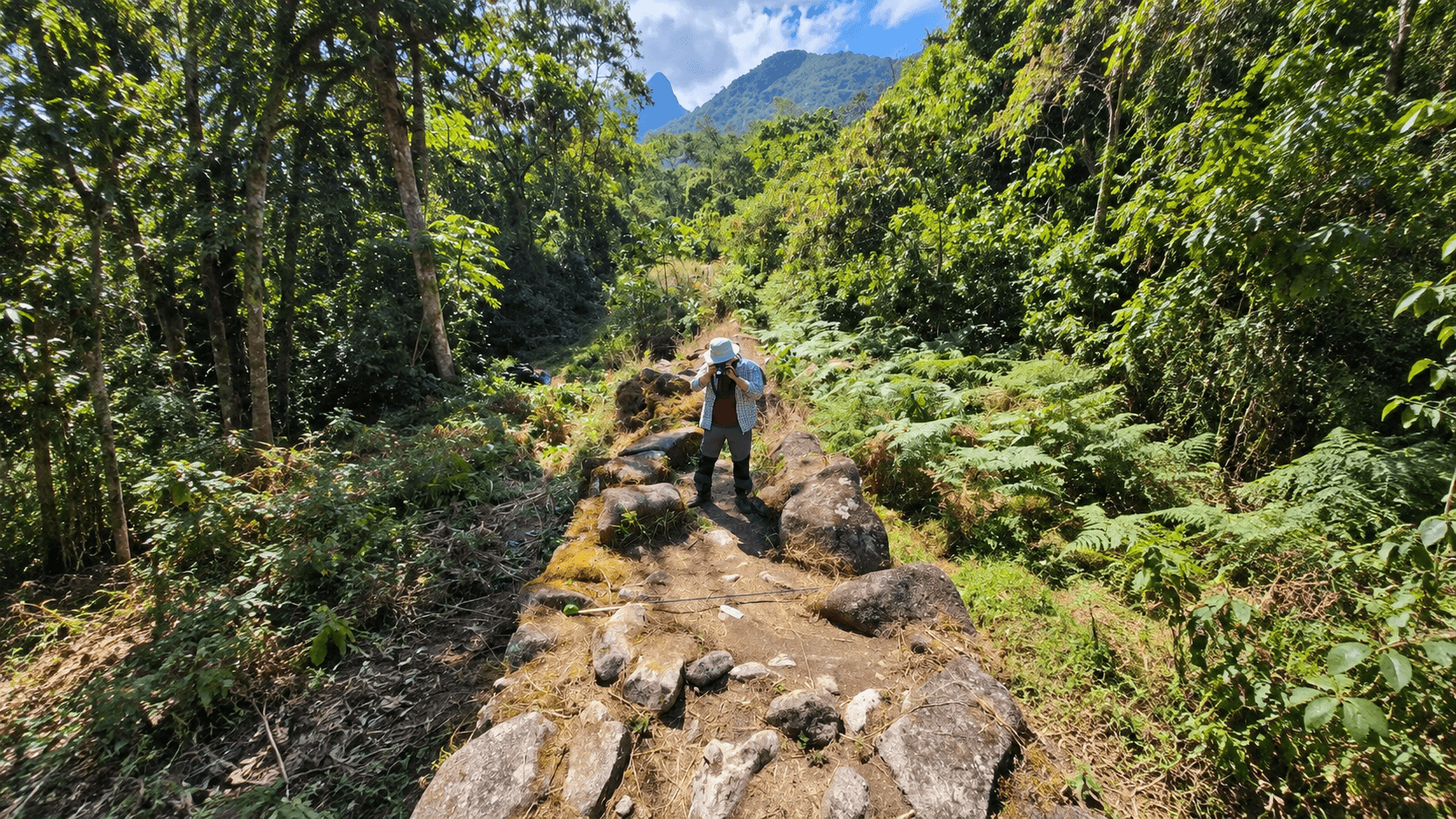
LiDAR Reveals Hidden Inca Road Network Across the River from Machu Picchu
More than 2.5 kilometers of previously undocumented roads have emerged from beneath the rainforest surrounding Machu Picchu, revealing human activity in an area long overshadowed by the famous Inca citadel. The roads were identified on the slopes of Yanantin Mountain, across the Urubamba River from the main archaeological complex. Drone-mounted LiDAR also detected unknown terraces,…
-
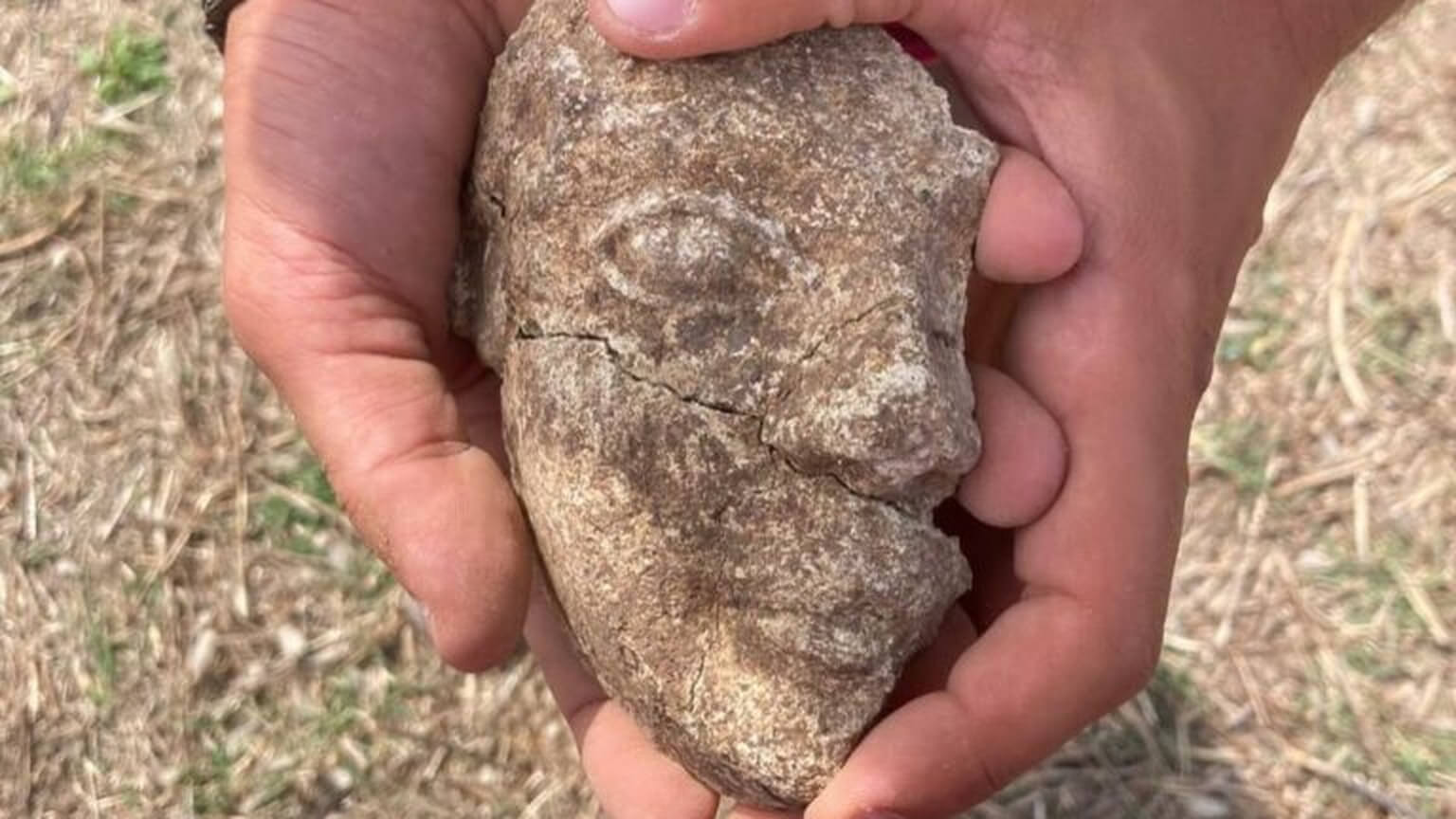
2,500 Years Later, the Face of an Etruscan Goddess Emerges at Her Own Temple
A terracotta fragment depicting the face of the Etruscan goddess Uni has been unearthed at Pyrgi, an ancient sanctuary on Italy’s Tyrrhenian coast. The discovery was made in the area of Temple B, a sacred building dedicated to the same goddess more than 2,500 years ago. Archaeologists from Sapienza University of Rome recovered the fragment…
-
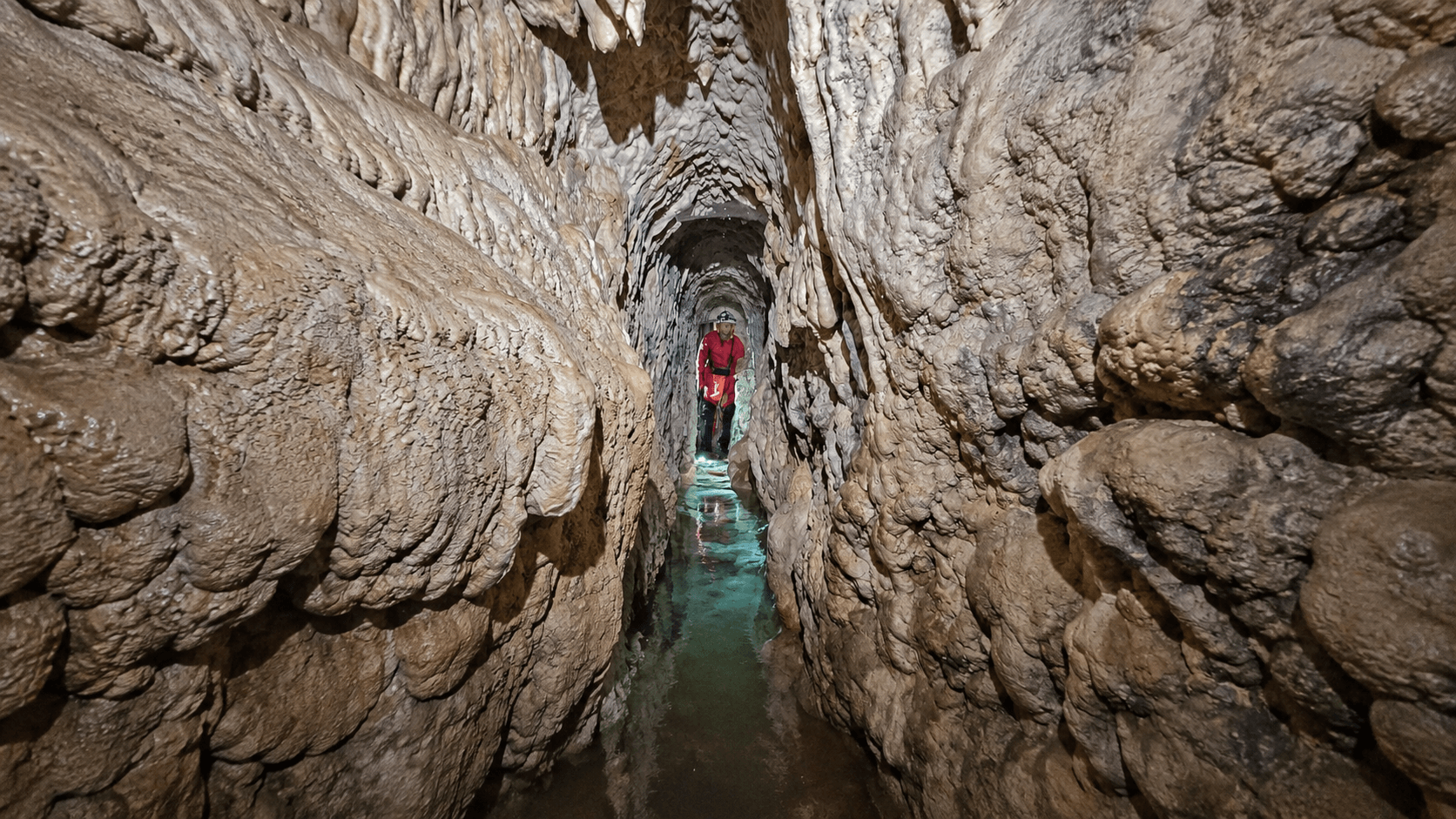
Before Roman Rule, the Sabines Carved This 100-Meter Aqueduct Through Solid Rock
Long before Rome absorbed the Sabine territories of central Italy, communities in the hills northeast of the city were already reshaping the landscape to control water. Archaeologists have now documented a rock-cut aqueduct near the ancient settlement of Trebula Mutuesca, revealing sophisticated engineering from the region’s pre-Roman past. The underground structure was discovered at Monteleone…
-
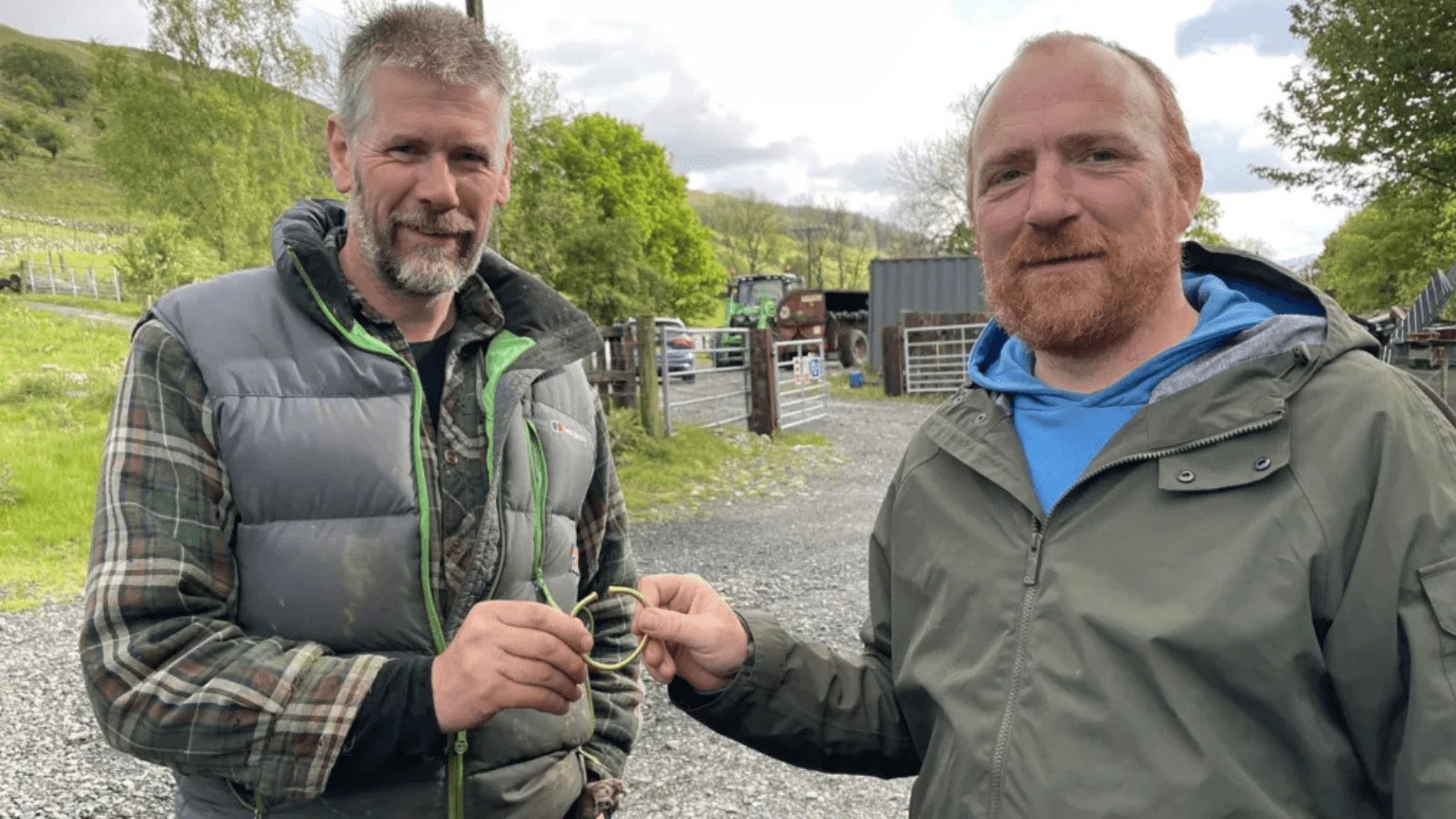
Metal Detectorist Mistakes 3,000-Year-Old Gold Bracelet for Foil in Wales
A metal detectorist searching a Welsh farm initially thought he had uncovered another scrap of foil. The flash beneath the soil was instead a Late Bronze Age gold bracelet, made around 3,000 years ago and now officially declared treasure. Idris Thomas had spent only about 20 minutes scanning farmland at Llanuwchllyn in Gwynedd when his…
-
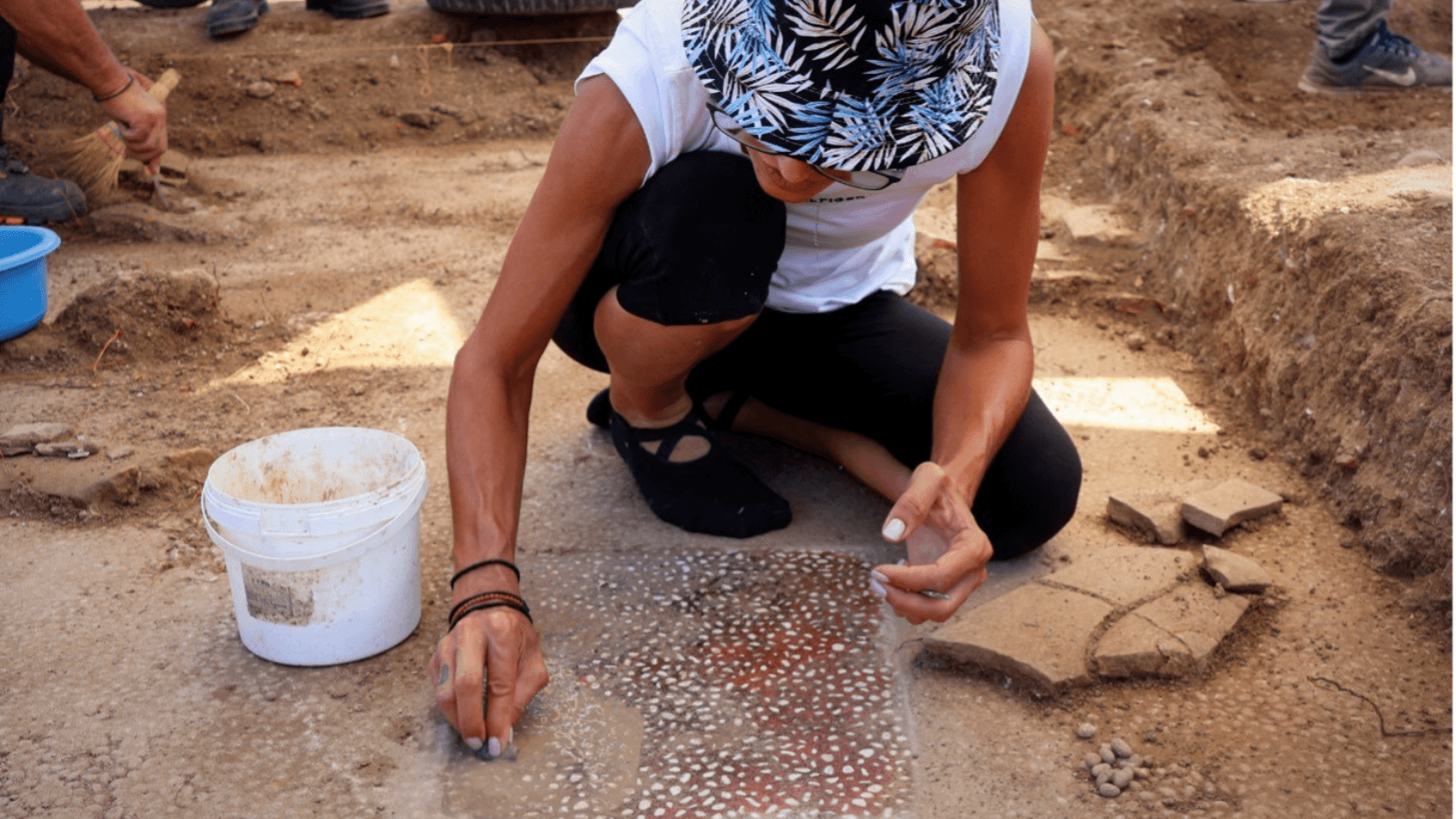
Inside the School Linked to Alexander the Great, Archaeologists Found Rooms Built for Feasting
The school linked to Alexander the Great at ancient Mieza was not devoted to lectures and physical training alone. Archaeologists have also uncovered mosaic-floored rooms where members of Macedonia’s young elite appear to have reclined, dined and talked together. Archaeologists excavating the Royal Gymnasium of Mieza in northern Greece have uncovered a large structure containing…
-
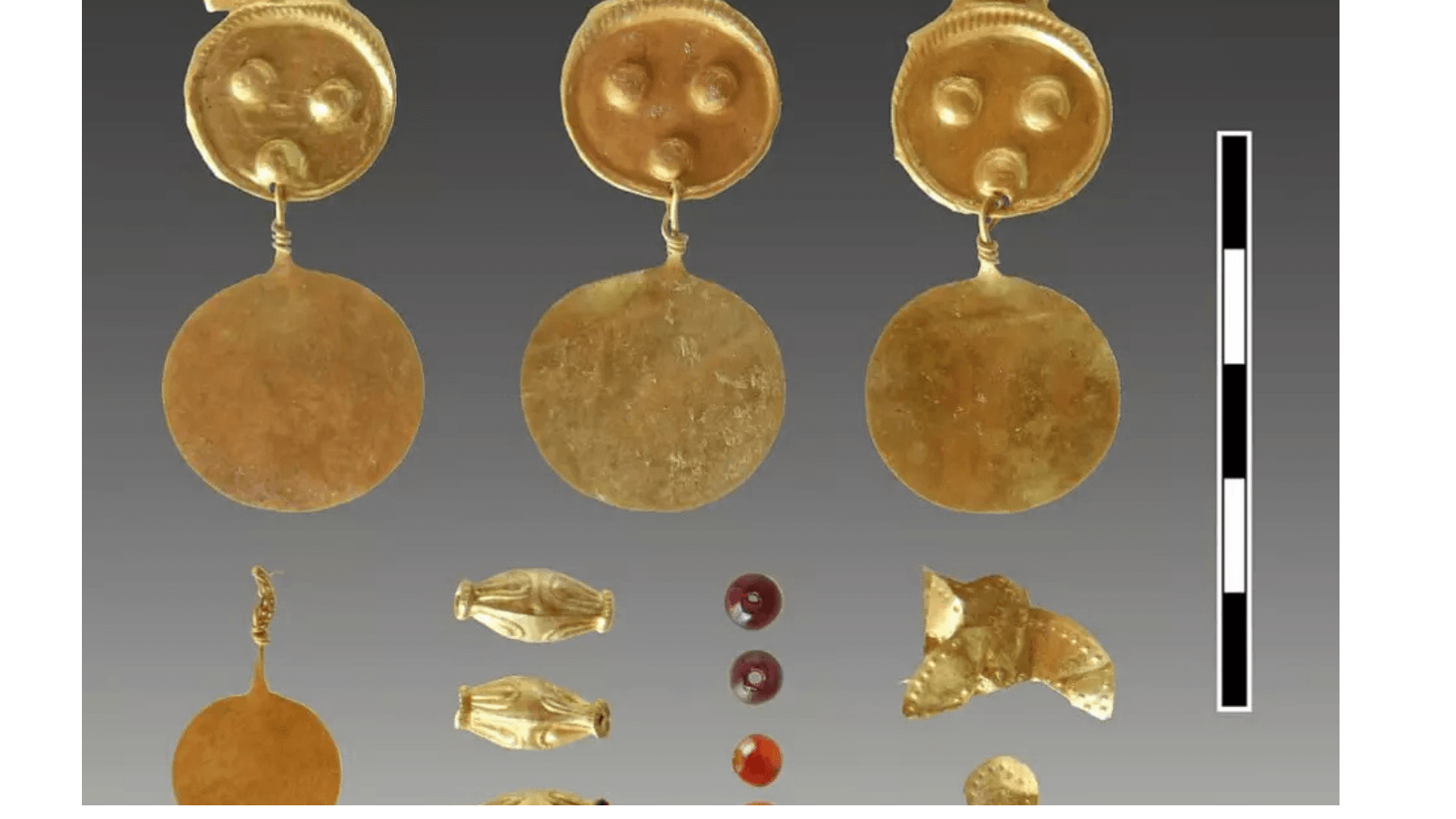
3,500-Year-Old Gold Jewels Found on Aegina May Unlock a Mystery in the British Museum
A group of 3,500-year-old gold jewels unearthed on the Greek island of Aegina may offer something that one of the British Museum’s most enigmatic Bronze Age collections has lacked for more than a century: a reliable archaeological context. The 32 gold and semi-precious stone objects were discovered during the 2025 excavation season at Kolona, a…
-
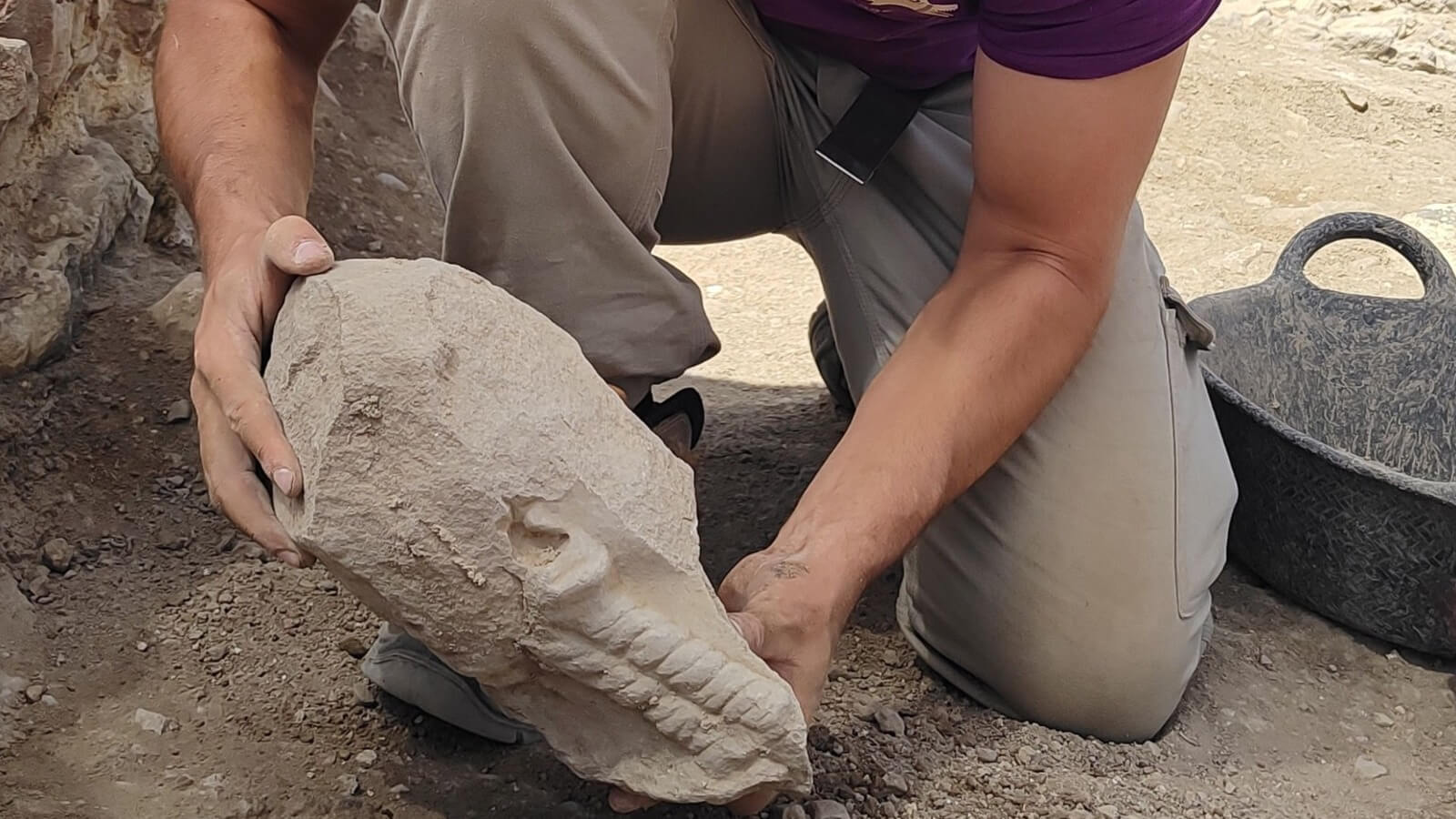
2,400-Year-Old Iberian Statue Head Found Built Into a Roman Granary in Spain
The nearly life-size limestone head may once have belonged to an Iberian funerary monument associated with elite identity. Centuries later, it was stripped of its original meaning and reused as an ordinary building stone. Archaeologists excavating the ancient city of Libisosa in southeastern Spain have discovered the head of an exceptional Iberian statue dating to…
-
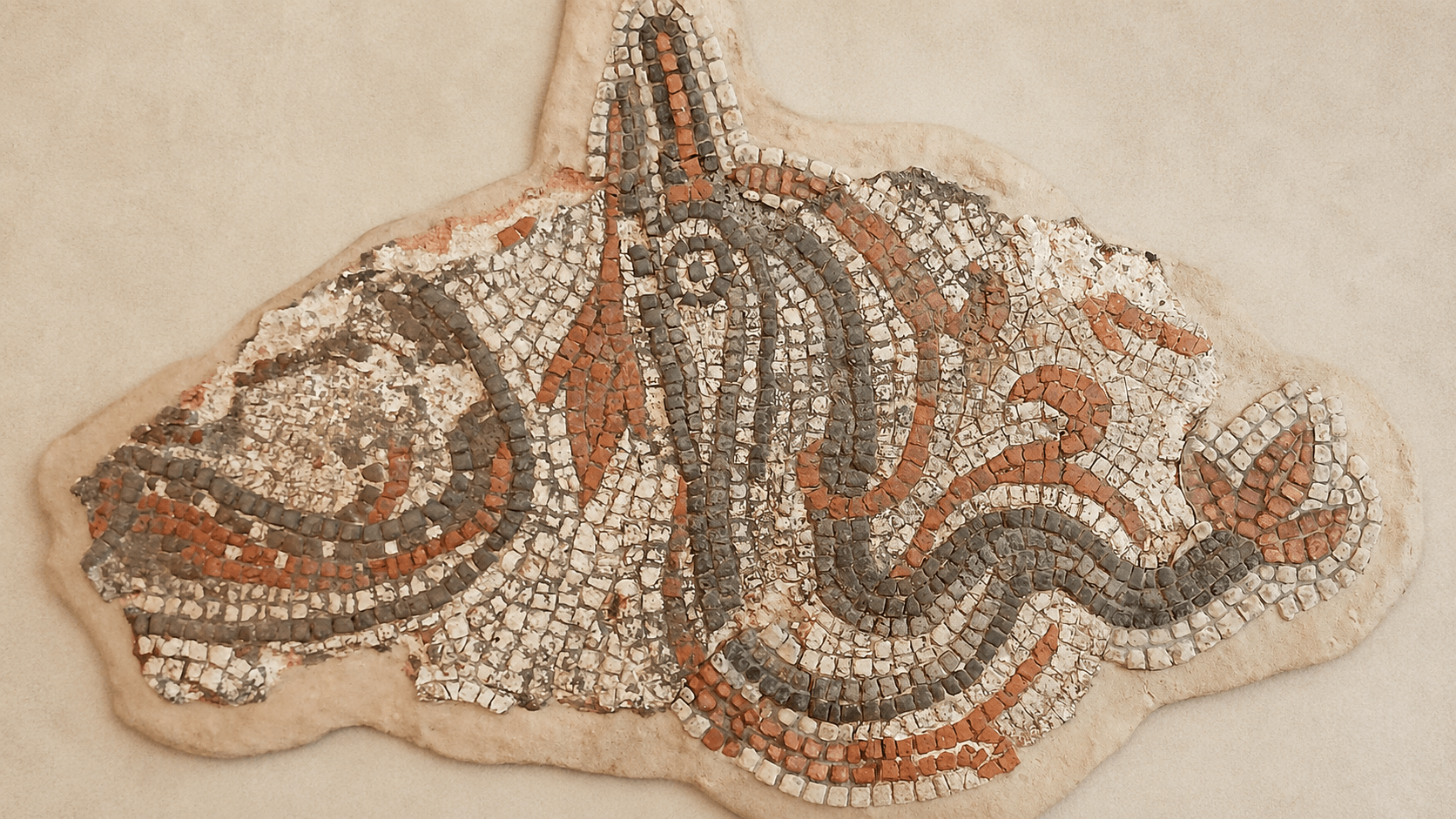
Lost Roman Sea Mosaic in England Survives Through One Fragment and an 18th-Century Drawing
For more than two centuries, a Roman sea mosaic discovered beneath Cirencester survived largely as an image on paper. The pavement itself disappeared beneath the changing streets of the English town, but a single fragment rescued from beneath a house in the 1980s has now returned to the Corinium Museum. The fragment does not represent…