
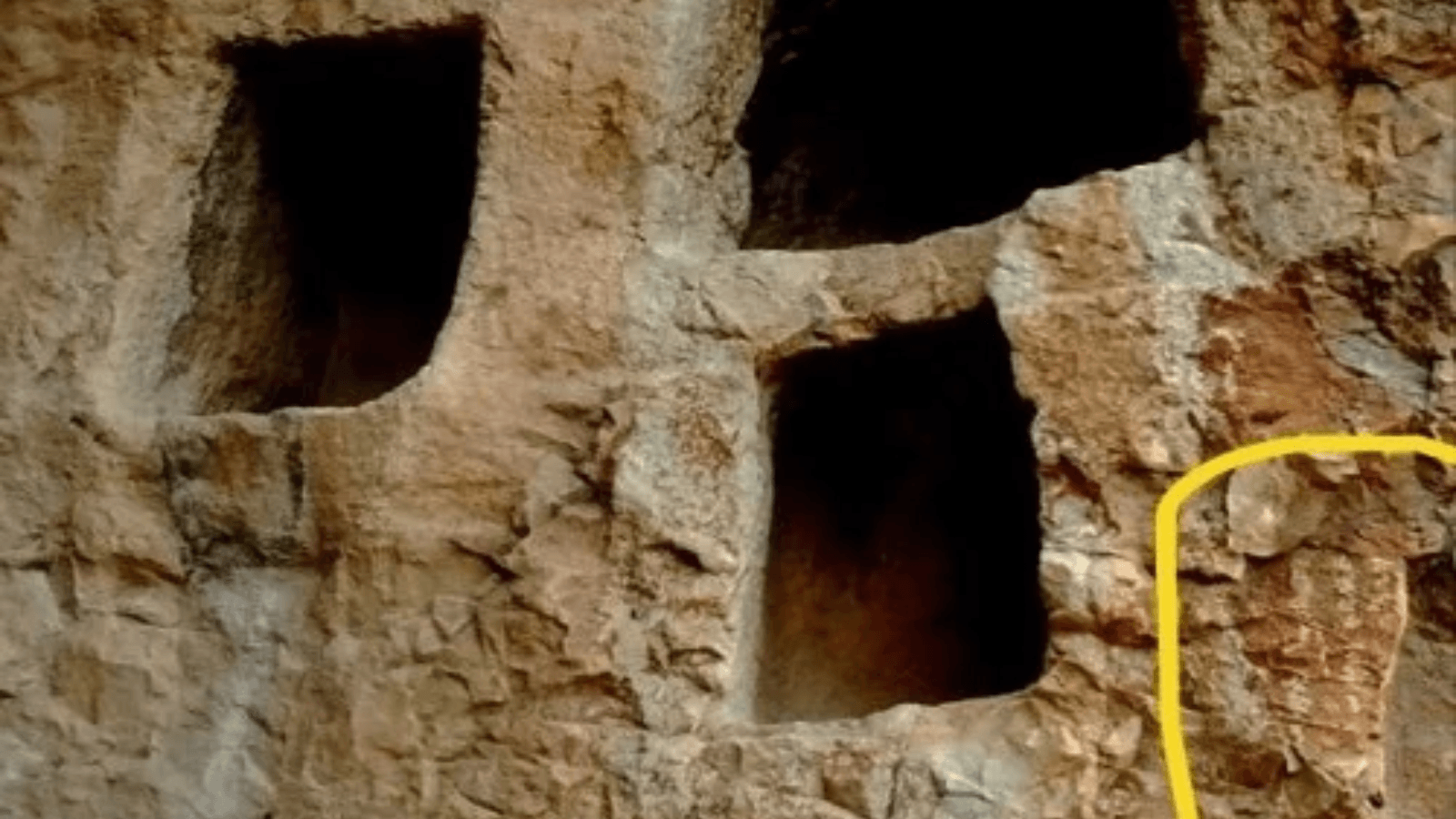
A newly discovered inscription near Naqsh-e Rostam in southern Iran offers a glimpse into an ancient Zoroastrian burial tradition in which human bones were preserved in rock-cut chambers. The three-line Pahlavi text records the construction of a funerary structure and includes a prayer for the afterlife.
In Sasanian Iran, some communities did not bury their dead directly in the ground. Instead, they exposed bodies to the elements before collecting the remaining bones and placing them in specially prepared chambers. Archaeologists have now identified a roughly 1,400-year-old inscription near Naqsh-e Rostam that provides another piece of evidence for this burial tradition.
Archaeologist and historian Abolhassan Atabaki discovered the inscription during surveys in Fars province, southern Iran. The three-line text dates to the late Sasanian period and was found at Darreh-ye Barre’i, also known as Shahzadeh Esmail Rock, approximately 500 meters north of Naqsh-e Rostam.
Why Bones Were Kept in Rock-Cut Chambers
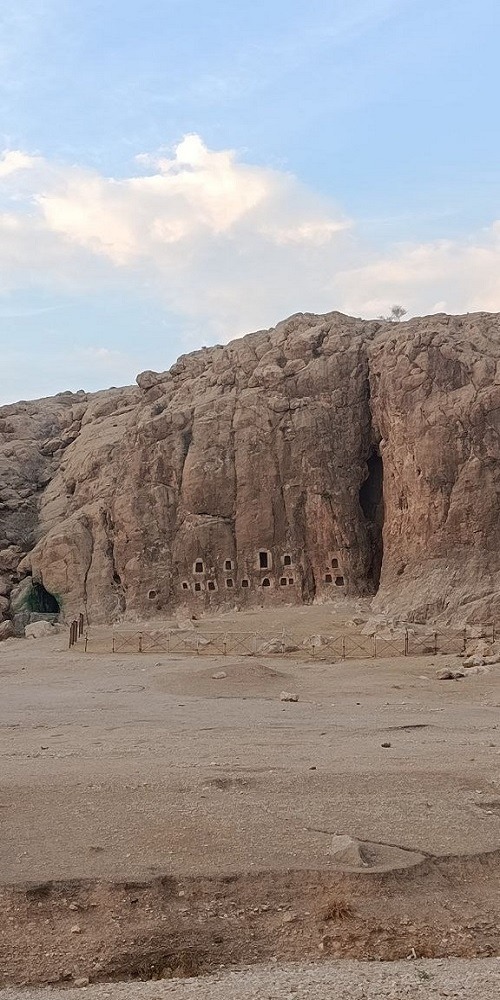
Zoroastrian funerary practices were closely connected to religious beliefs about protecting natural elements, particularly earth and water, from contamination by dead bodies. In some traditions, the deceased were exposed in the open air until the flesh had decomposed. The remaining bones were then collected and transferred to designated burial facilities.
These repositories, known as astodans, often took the form of niches or small chambers carved into rock faces. Some carried Pahlavi inscriptions recording personal names, information about their construction, or prayers for the deceased.
Such burial structures have been documented across the mountainous landscape surrounding Naqsh-e Rostam, a site better known for its monumental Achaemenid royal tombs and Sasanian rock reliefs.
A Three-Line Inscription and a Prayer for Paradise
According to Atabaki’s account published by Amordad News, the newly identified inscription was carved in Book Pahlavi, a script used to write Middle Persian.
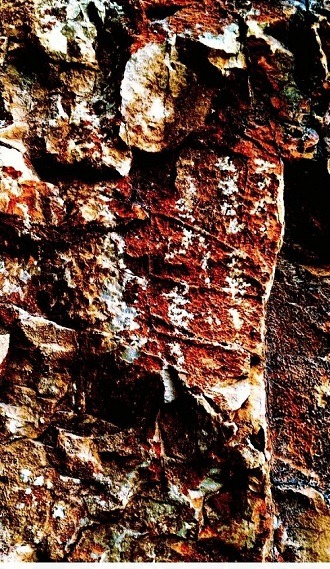
His proposed reading begins with wahišt bār bawād, interpreted as “May paradise be his share.” The remaining lines mention a person named Farrokh and the construction of a daxmag, a funerary structure associated with the dead.
The text links Farrokh to the construction of the structure, although it remains uncertain whether he was also the person buried there. No information establishing his social status or identity beyond his name has been reported.
New Discoveries Near Naqsh-e Rostam
The inscription is the fifth ossuary-related text identified during Atabaki’s recent investigations around Naqsh-e Rostam. Two of the five were documented in the Darreh-ye Barre’i area.
Historian Najmeh Ebrahimi explained that researchers had previously recorded six Pahlavi funerary inscriptions at the site. Historical photographs of some examples survive in the Smithsonian Institution archives, including images taken by German archaeologist Ernst Herzfeld.
Erosion has made several older inscriptions difficult to decipher, while two additional texts documented during the latest surveys are also heavily damaged. The newly reported inscription preserves a personal name, a reference to a funerary structure, and a prayer for paradise, offering further evidence of how communities in late Sasanian Iran commemorated their dead.
Cover Image: Rock-cut ossuary niches near Naqsh-e Rostam in southern Iran. The newly documented Pahlavi inscription is highlighted in yellow. Image: Amordad News.