-
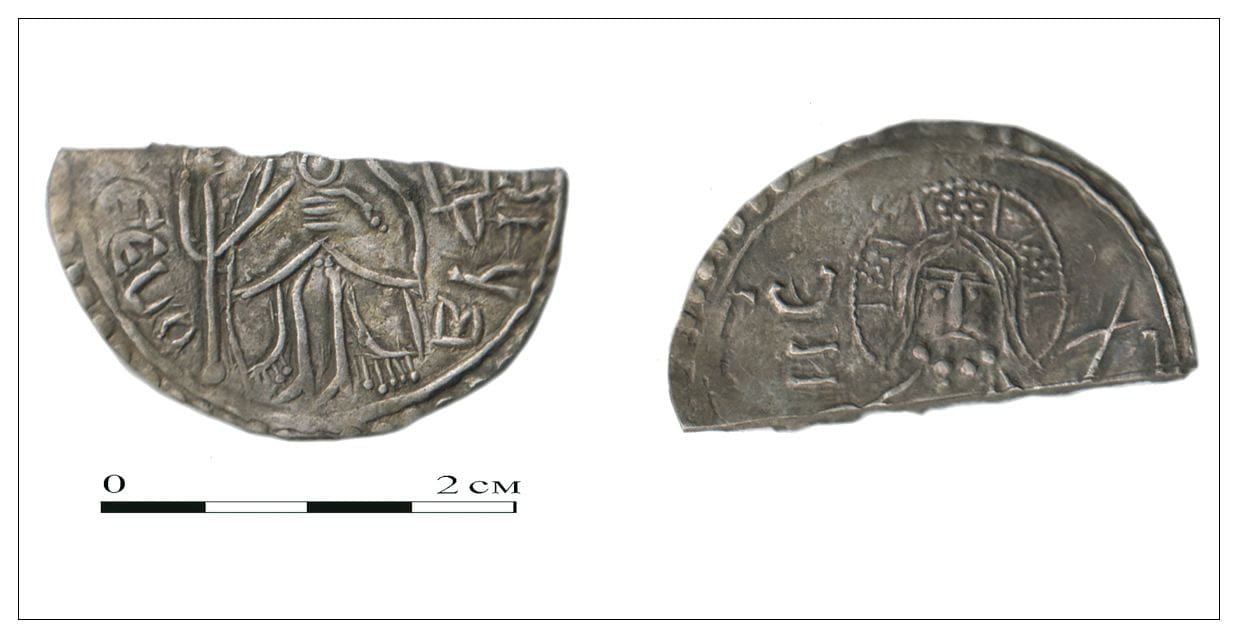
Half of a 1,000-Year-Old Silver Coin of Prince Vladimir Found in Veliky Novgorod
Archaeologists in Veliky Novgorod have discovered half of a rare silver coin issued by Prince Vladimir Sviatoslavich, one of the rulers most closely associated with the formation and Christianization of the early Rus’ state. The fragment was found on July 24 during rescue excavations in the historic Lyudin district, where archaeologists from the Institute of…
-
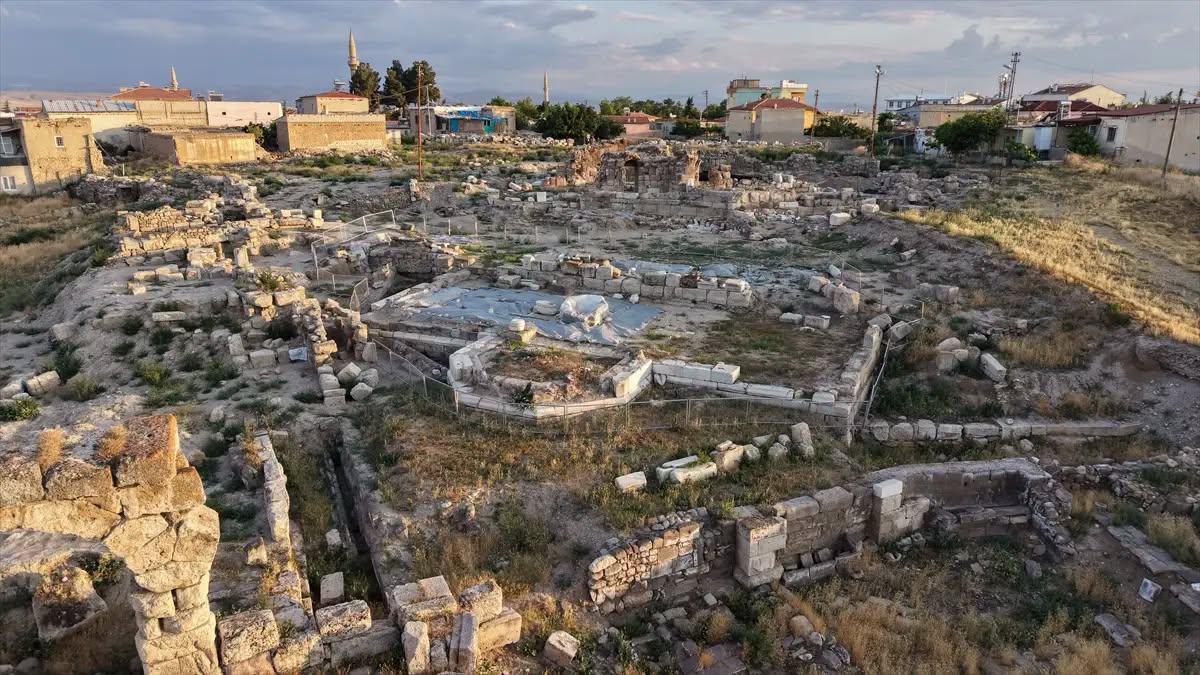
42 Late Roman Graves Identified Inside an Octagonal Church at Ancient Tyana
Archaeologists excavating the ancient city of Tyana in central Turkey have identified 42 Late Roman graves inside an octagonal church. Eighteen of the burials have been excavated so far, while most of the remaining graves will be examined in future seasons. The graves are concentrated in the western nave of the church at Kemerhisar, a…
-
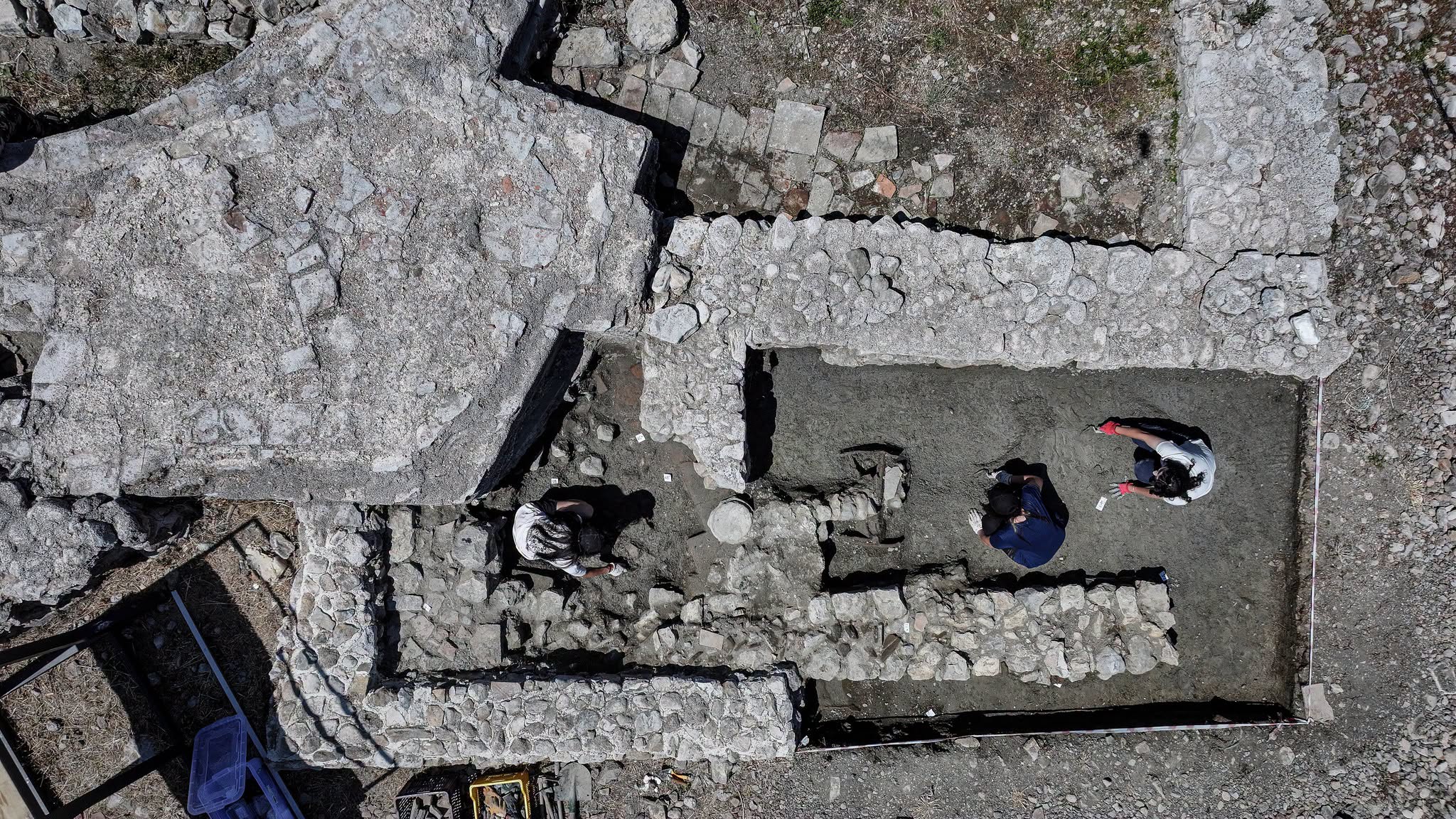
Remains of First Council of Nicaea Church Found Beneath İznik Basilica
Archaeologists excavating the lakeside basilica in İznik, northwestern Türkiye, have uncovered walls, a paved floor, and a column base belonging to an earlier church beneath the later structure. Excavation director Professor Mustafa Şahin identified the remains as part of the Church of Saint Neophytos, where the First Council of Nicaea was held in AD 325.…
-
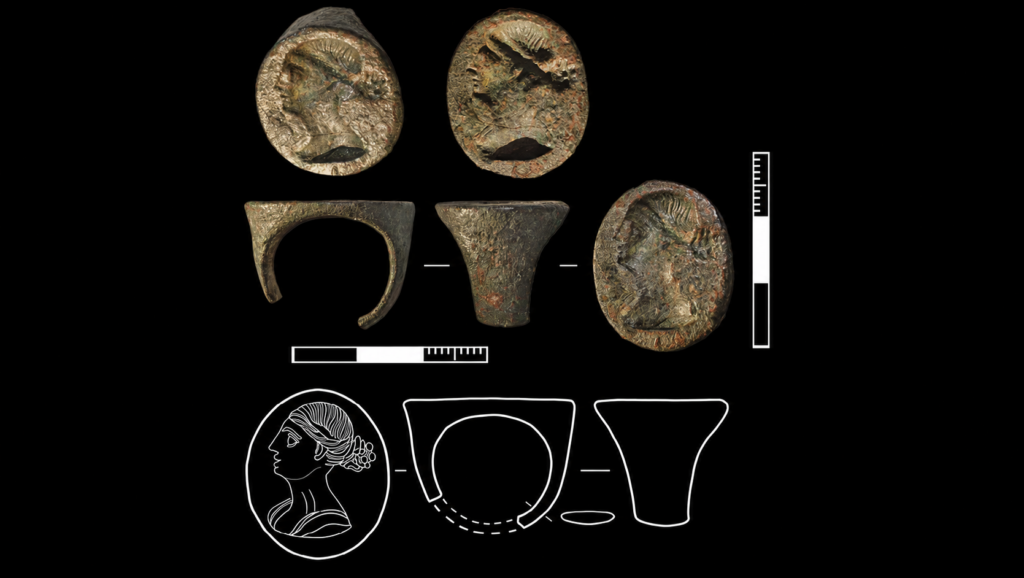
Rare 2,200-Year-Old Ring Bearing Portrait of Egyptian Queen Arsinoe III Found in Russia
A rare 2,200-year-old bronze ring found near Anapa, in southern Russia, bears the engraved profile of a woman identified by researchers as Arsinoe III, queen of Ptolemaic Egypt between 220 and 204 BC. The ring was recovered at Voskresenskoye 6, a Hellenistic-period estate group near ancient Gorgippia, in the wider Bosporan world. It was not…
-
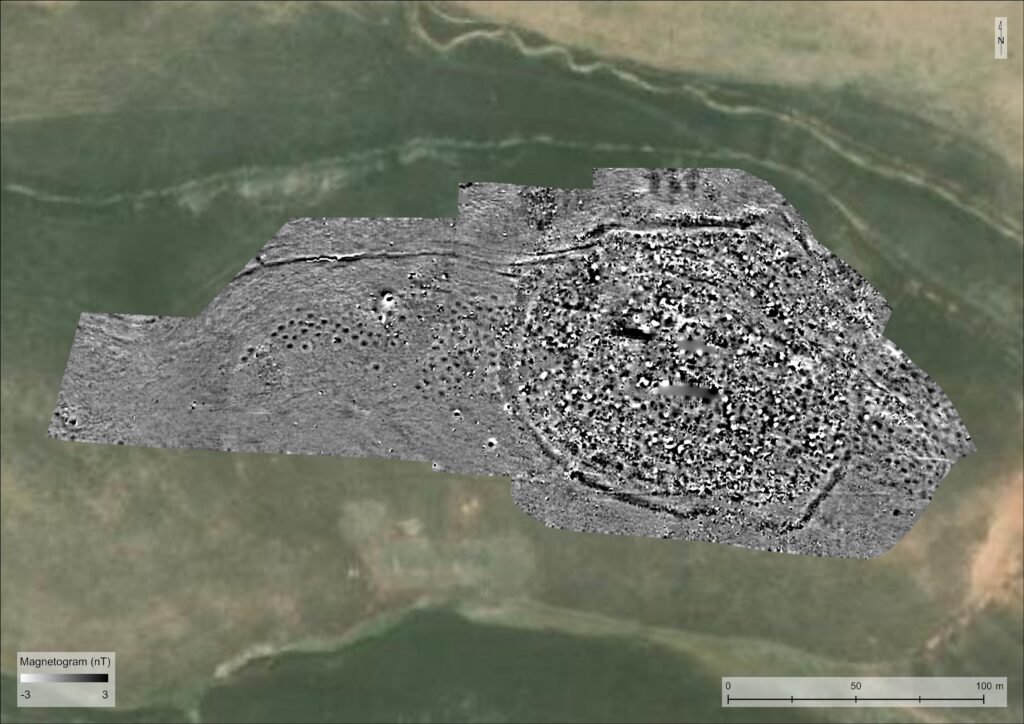
2,200-Year-Old Greek Military Camp in Uzbekistan Reveals the Far Edge of Alexander’s World
When Alexander the Great’s armies entered Central Asia, they opened a frontier where Greek military power, local communities and new Hellenistic kingdoms remained entangled for generations. A hilltop in southern Uzbekistan may now preserve a rare trace of that world. Archaeologists working at Iskandar Tepa, a site once interpreted as a small rural settlement, say…
-
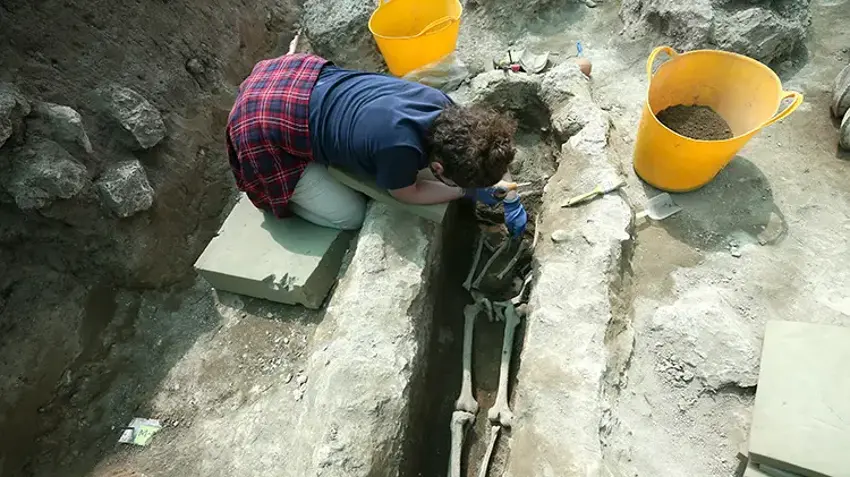
Medieval Graves in Malazgirt May Hold Clues to the Aftermath of the 1071 Seljuk-Byzantine Battle
The 1071 Battle of Malazgirt was fought between the Seljuk army of Sultan Alp Arslan and the Byzantine forces of Emperor Romanos IV Diogenes for control of eastern Anatolia. The Seljuk victory did not transform the region overnight, but it weakened Byzantine authority in the east and became one of the defining turning points in…
-
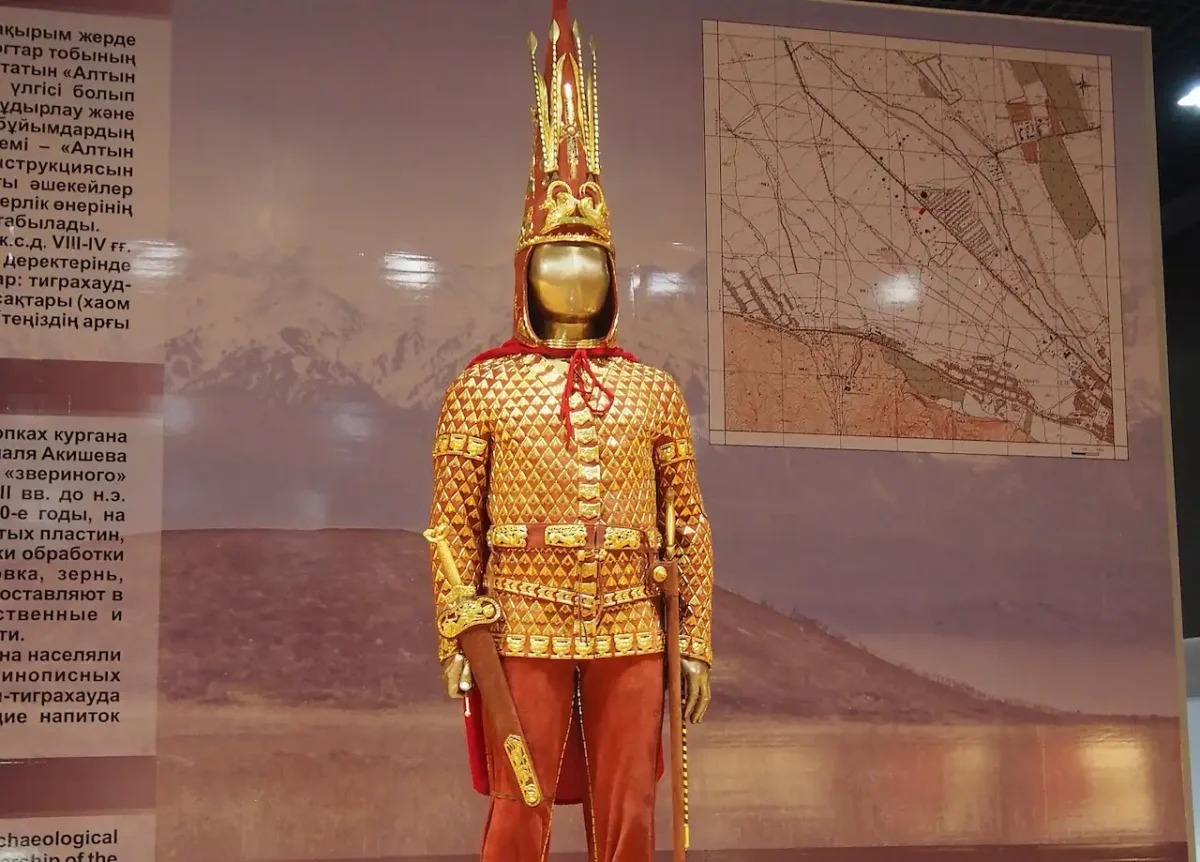
Ancient DNA Study Including Kazakhstan’s “Golden Man” Reveals Family Networks Behind Scythian Elite Power
Gold, horses, weapons, and monumental kurgans have long shaped the image of Scythian elite power. But a new study published in Science Advances suggests that power among some Scythian and Saka groups may also have depended on something less visible in the archaeological record: family ties. Based on ancient DNA from Iron Age burials across…
-

3,000-Year-Old Cremated Bones in Greek Macedonia Reveal How Ancient Funeral Pyres Were Built
Cremated bones from two Early Iron Age cemeteries near Thessaloniki are helping archaeologists reconstruct a part of ancient funerals that almost never survives: the funeral pyre itself. A new study published in the Journal of Archaeological Science: Reports examined burned human remains from Polichni and Nea Philadelphia, two cemeteries in northern Greece. The burials date…
-
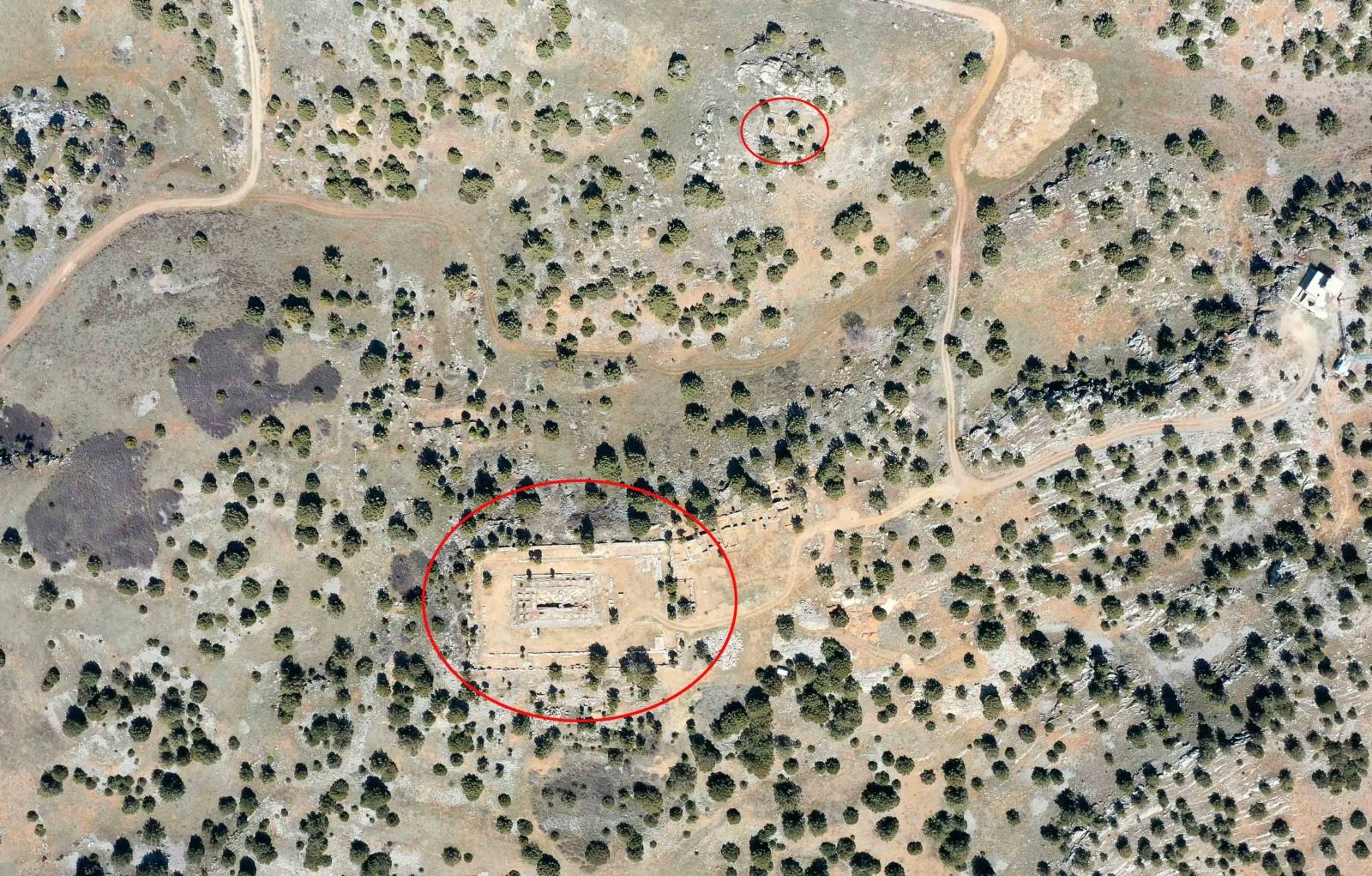
Temple Long Linked to Demeter in Türkiye Reidentified as Hecate Sanctuary After 113 Years, with Dog Burials Offering New Clues
A temple uncovered more than a century ago at the Men Sanctuary in Yalvaç, southwestern Türkiye, is now being identified by archaeologists as a sanctuary of Hecate rather than Demeter. The structure stands on Gemen Mountain in Isparta Province, at an altitude of about 1,600 meters. It was first brought to light during excavations carried…