-
Hyksos-Era Settlement with Tombs, Kilns and Scarabs Unearthed in Egypt’s Ismailia
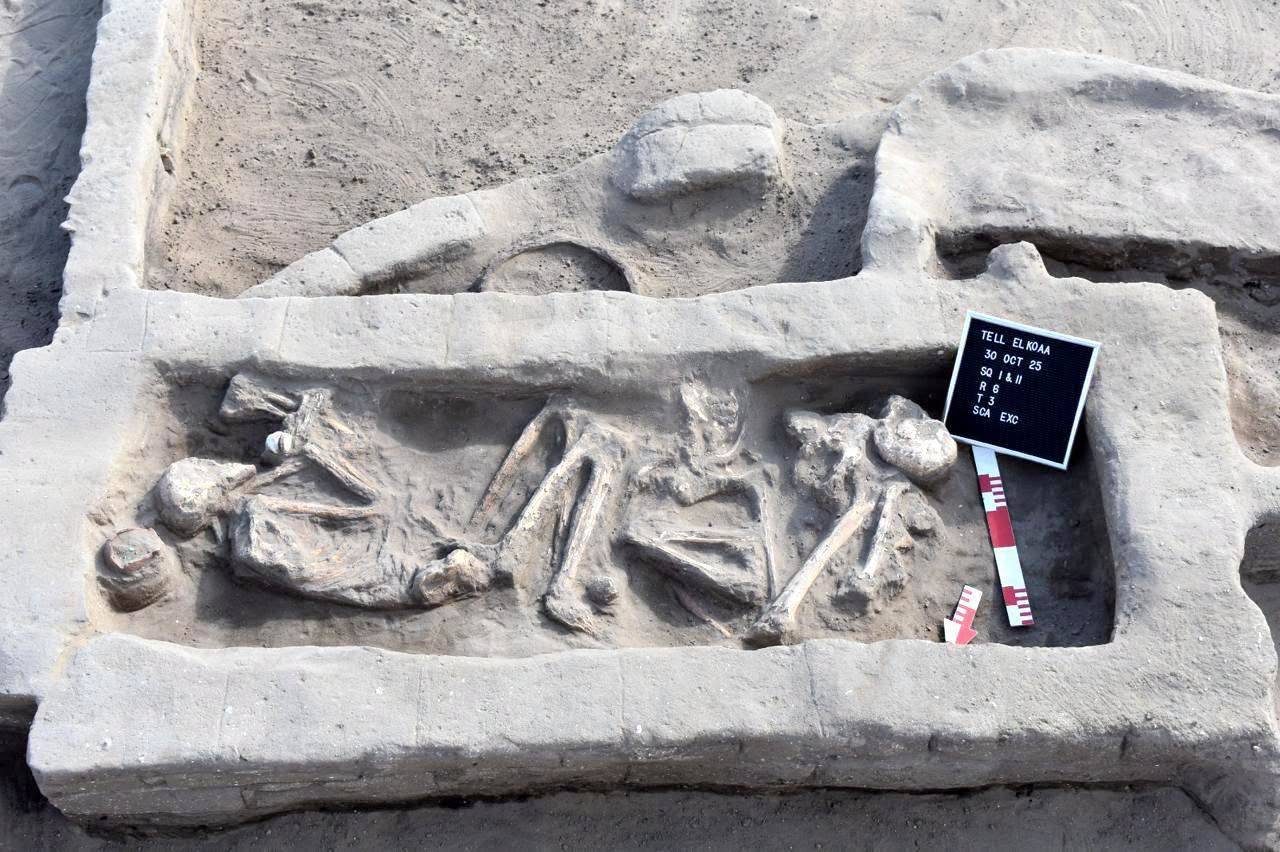
Egyptian archaeologists have uncovered a Hyksos-era settlement and cemetery complex at Tell el-Koa in Ismailia, adding new evidence for how communities lived, worked and buried their dead in the eastern Nile Delta during the Second Intermediate Period. The discovery was made by an Egyptian archaeological mission working in the Wadi Tumilat area, a natural corridor…
-
A ‘Bearskin’ in Museum Storage Turns Out to Be Sweden’s Oldest Known Shoe
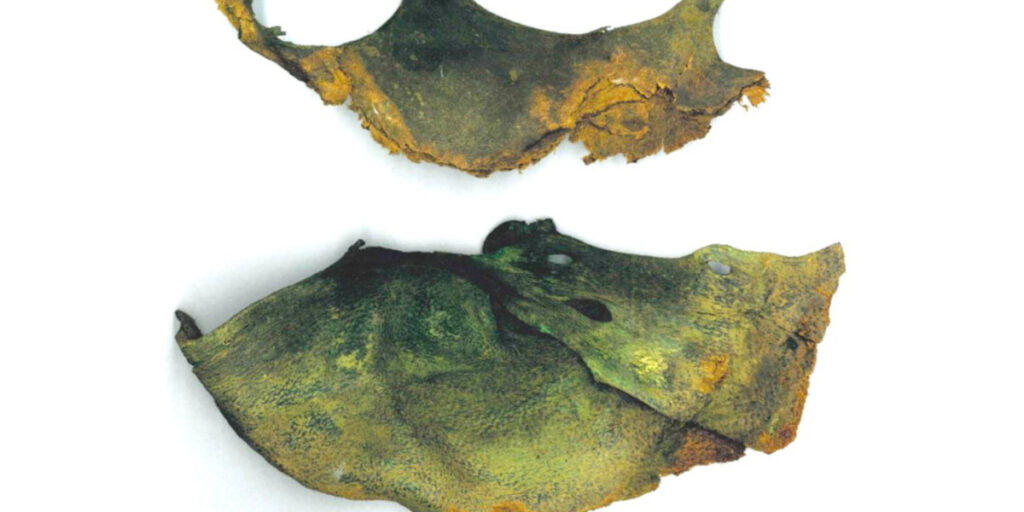
Leather fragments kept for decades in a Swedish museum under the label “bearskin” have been reidentified as something far rarer: the oldest known shoe remains from Sweden. The fragments were excavated in 1943 from a large Iron Age cairn at Igelsta–Västerängen in Roslagen, eastern Uppland. They were long thought to be part of a bear…
-
2,700-Year-Old Assyrian Stele Discovered at the Sun Gate of Ancient Nineveh
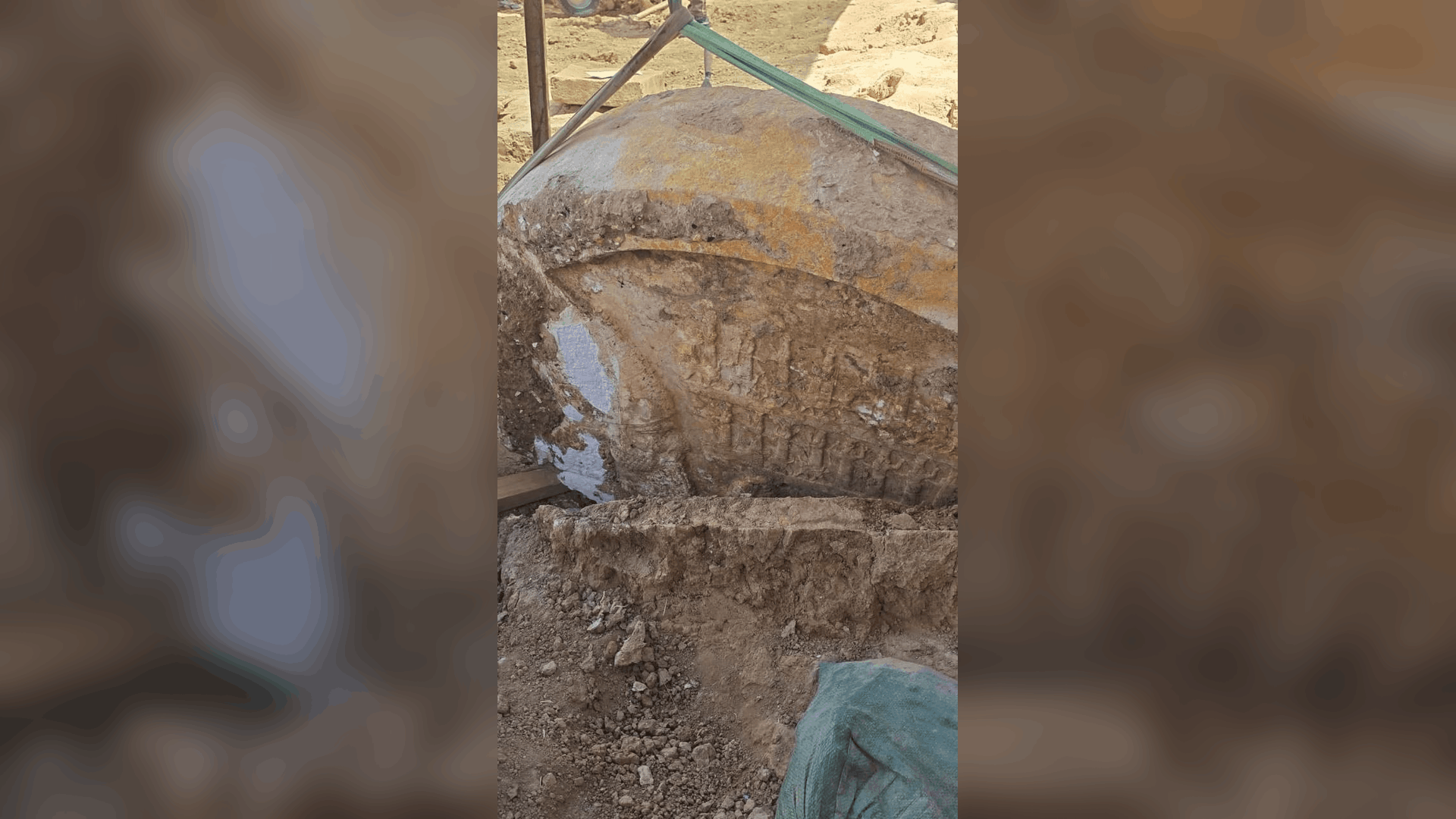
A stone monument has been uncovered at Bab Shamash, the ancient Sun Gate of Nineveh, where people once passed into one of the most powerful cities of the Assyrian world. Iraq’s State Board of Antiquities and Heritage announced the discovery during ongoing excavation work in Nineveh Governorate, northern Iraq. The large stone stele has been…
-
A Tiny Shrine to Minerva Was Carved Into a Roman Quarry in Spain 1,800 Years Ago
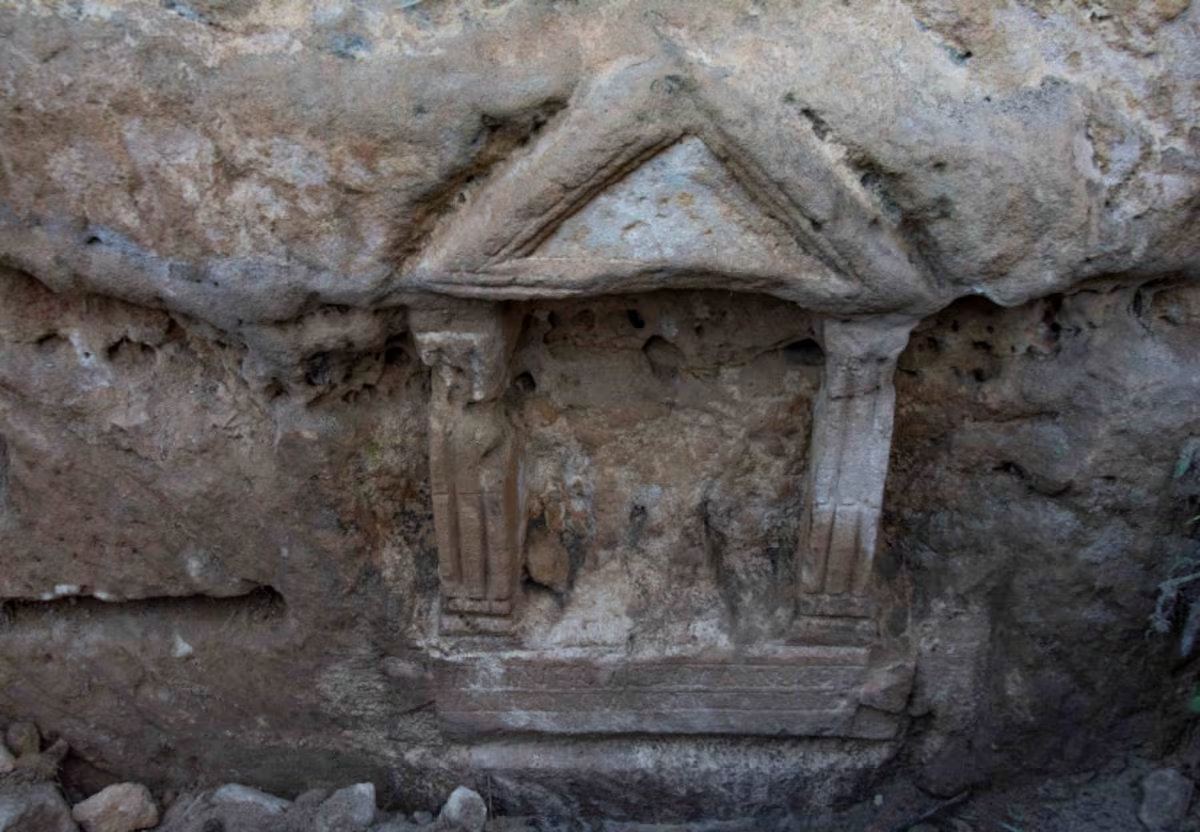
A Roman quarry in central Spain has yielded an unusually intimate trace of worship: a tiny rock-cut shrine to Minerva, carved directly into the same sandstone face where workers once extracted building material. The sanctuary, found near Campos del Paraíso in the province of Cuenca, dates to the late second century A.D. It stands about…
-
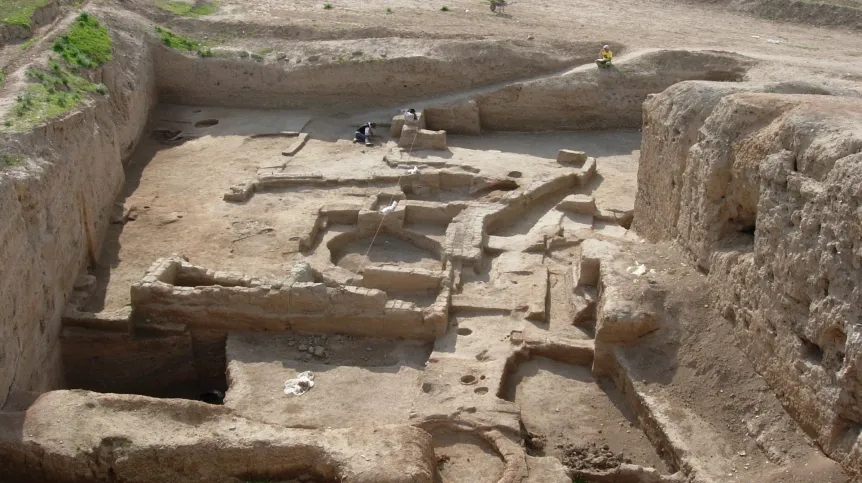
Broken Ribs on a 6,000-Year-Old Infant Skeleton Reveal a Dark Side of Early Urban Life
A 6,000-year-old infant skeleton from Tell Brak in northeastern Syria has revealed one of the rarest traces of violence against a child in prehistoric archaeology. The child, who died between six and nine months of age, was buried during the Late Chalcolithic period, around 4200–3900 BCE. A new study by researchers from the University of…
-
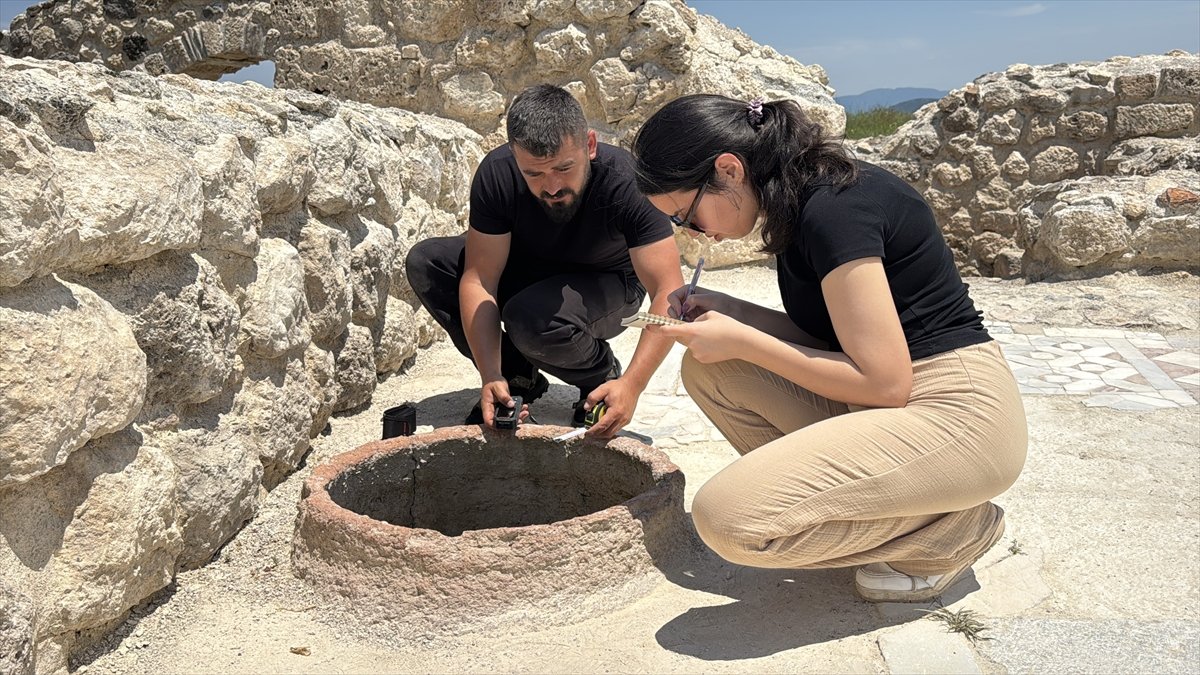
Rare 1,750-Year-Old Jar Burial at Hadrianopolis May Be the First of Its Kind in the Region
A large ceramic jar buried nearly 1,750 years ago has revealed an unusual Roman-period grave at Hadrianopolis Ancient City, where archaeologists found a skeleton placed with pottery, a lamp, a coin, a knife, and bone hair clasps. The discovery was made during ongoing excavations in Eskipazar, Karabük, under the direction of Prof. Dr. Ersin Çelikbaş…
-
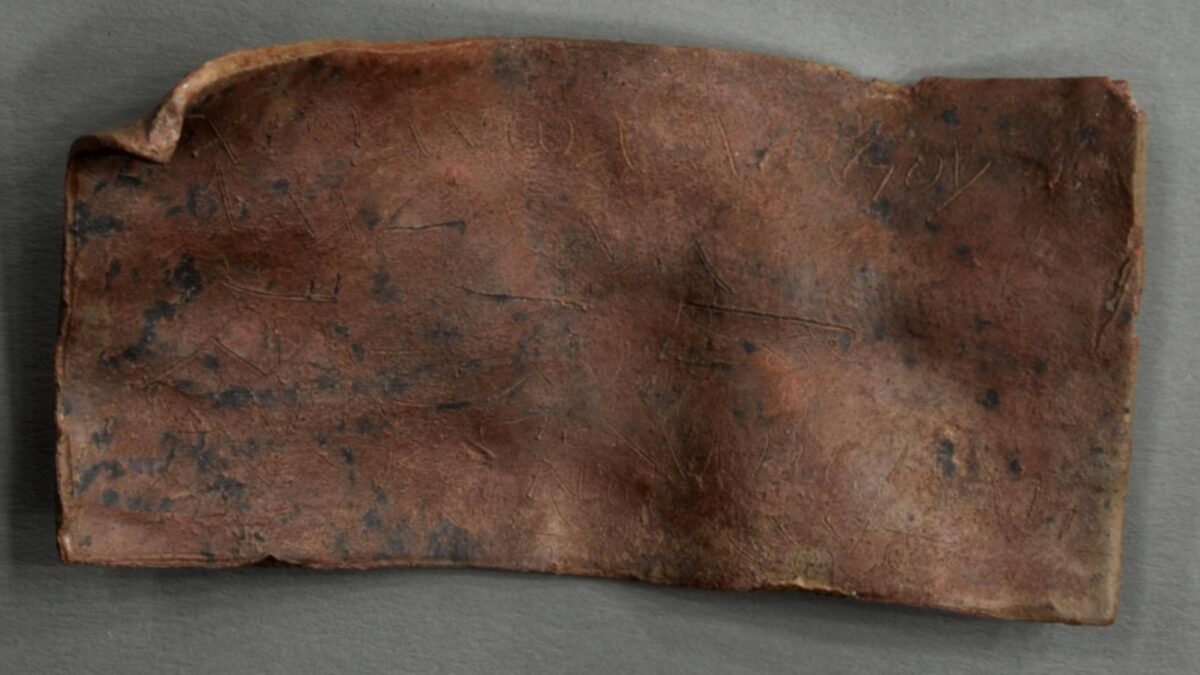
A Curse Tablet Found Under a Dutch Town Square Carries a Greek Spell in Egyptian Style
A small lead tablet found beneath Heerlen’s town hall square was meant to do harm. Nearly 1,800 years later, its scratched Greek words are revealing how Egyptian-style magic reached Rome’s northern frontier. Researchers at Heidelberg University have deciphered the inscription on the Roman-period curse tablet, discovered in the Dutch municipality of Heerlen. In antiquity, the…
-

A 1,000-Year-Old Chamber Grave Prepared for a Young Horse Was Found in Poland
A young horse was buried alone in a chamber grave at Pień in northern Poland about 1,000 years ago. The unusual burial, dated to the late 10th or early 11th century, offers a rare look at how horses could be drawn into elite ritual life during the formation of the Polish state. The grave, recorded…
-
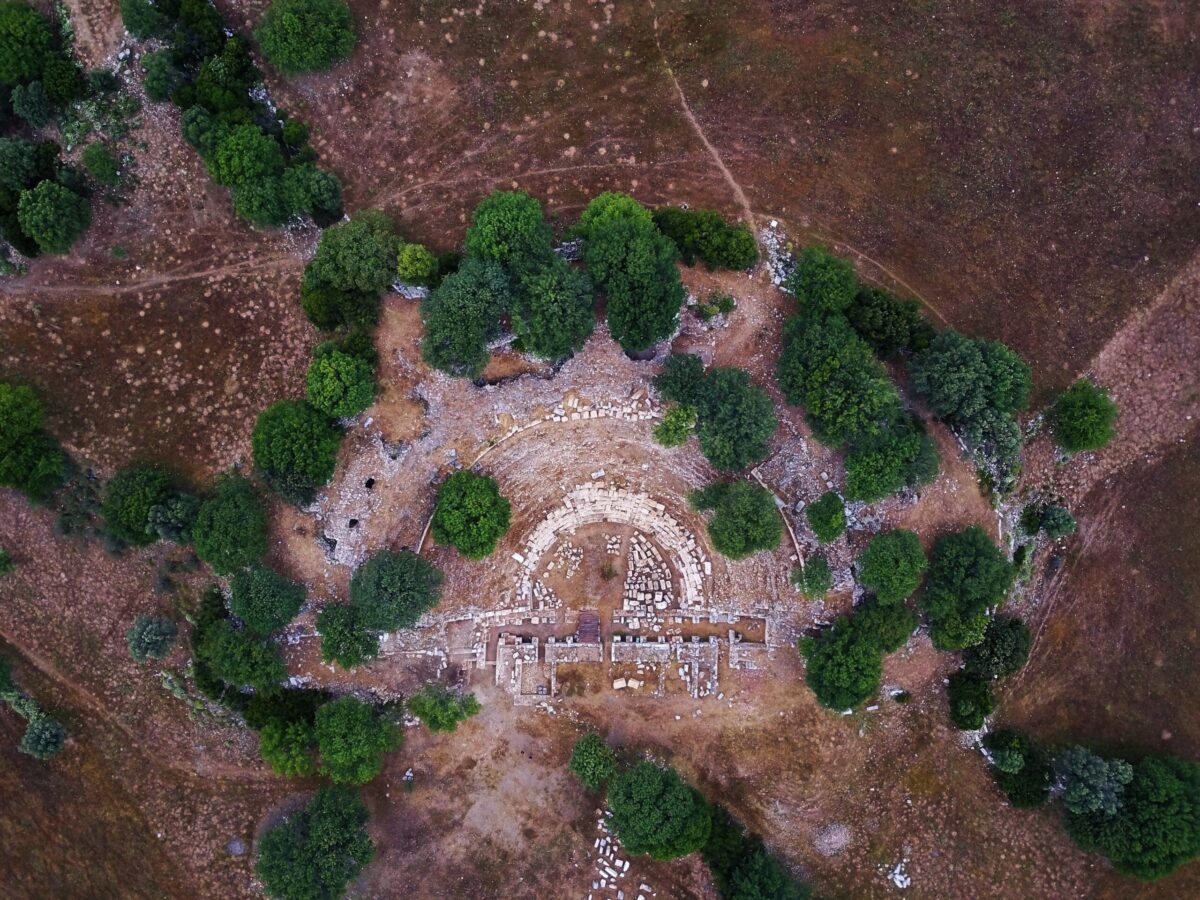
New Inscriptions Reveal How Roman Businessmen Entered the Heart of Ancient Teos
Two inscriptions found in the Sanctuary of Dionysos show that Roman commercial power reached Teos not through conquest, but through markets, marble and civic life. Rome did not always enter Anatolia with armies. Sometimes it arrived through contracts, ships, market officials and businessmen who knew how to turn local connections into lasting influence. In the…