-
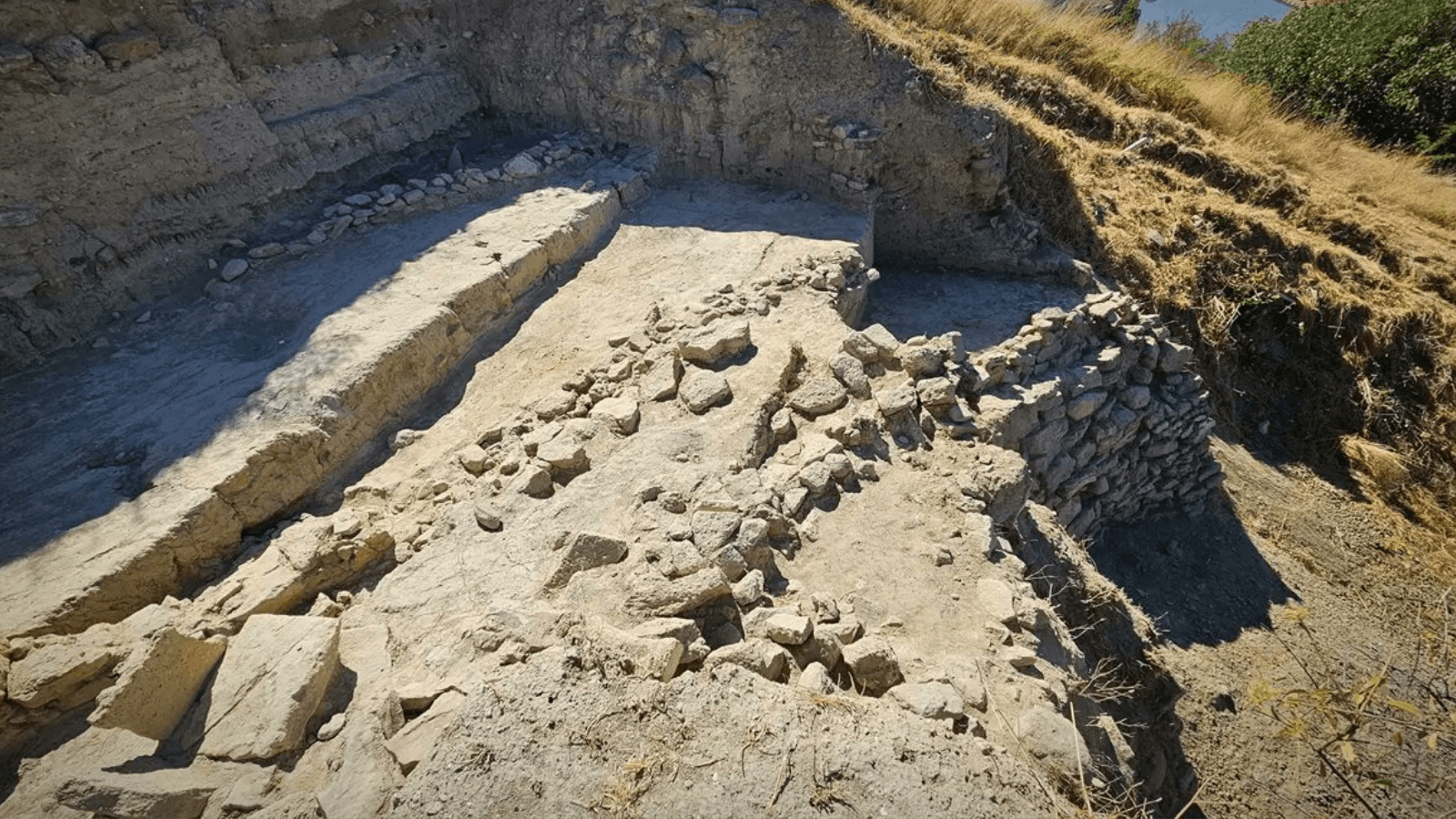
4,200-Year-Old Wall Emerges at a Vast Settlement Across the Dardanelles from Troy
Seven meters beneath Maydos Kilisetepe, archaeologists have reached a defense wall built more than four millennia ago. The Early Bronze Age structure once protected a coastal settlement comparable in size to Troy, although only a small fraction of the mound has been explored. The wall was uncovered at Eceabat on the Gallipoli Peninsula, close to…
-
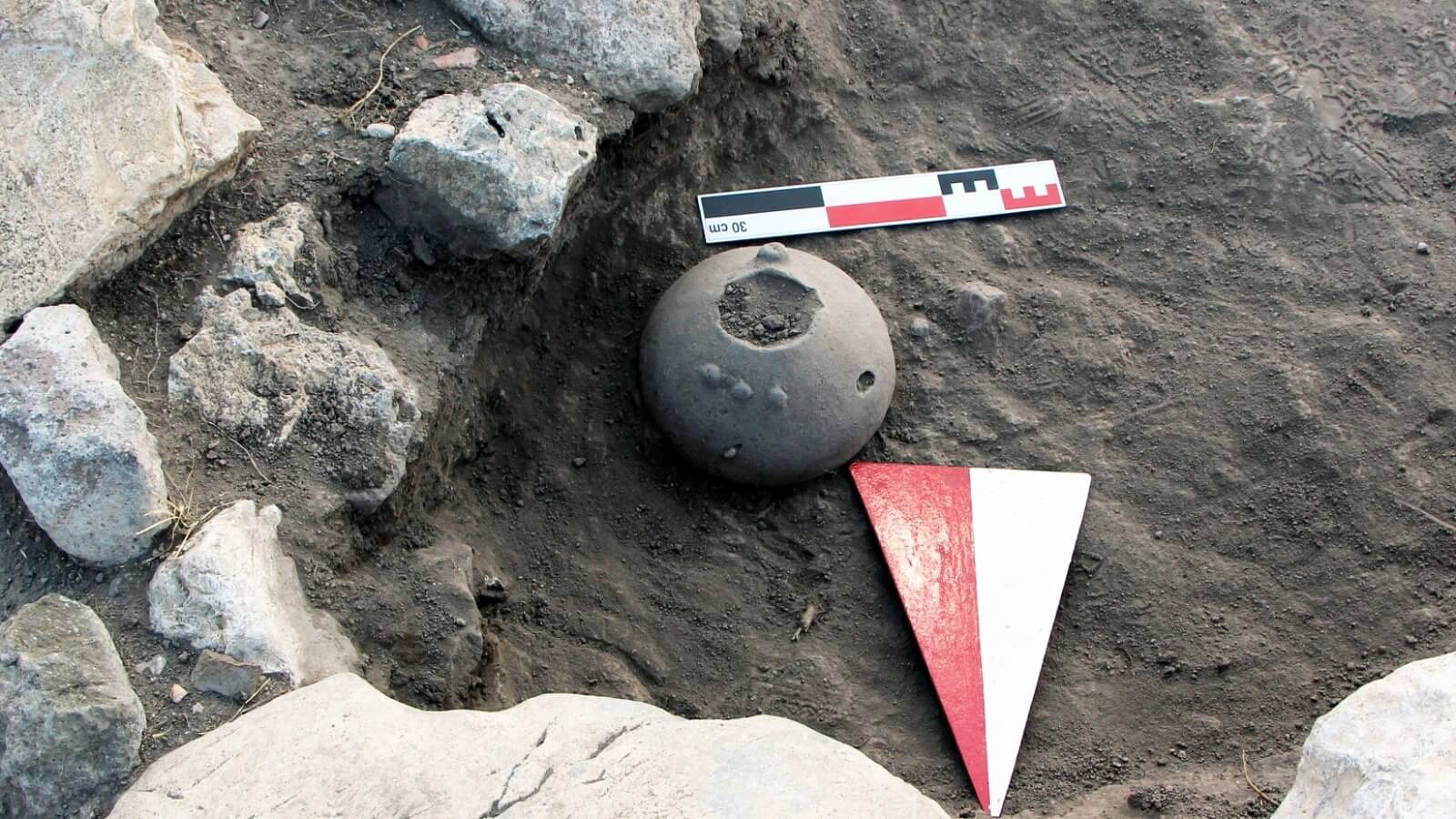
Seeds of Ankara’s Endangered Flower Found in 4,000-Year-Old Hittite Vessel
Seeds linked to Ankara’s endangered Sevgi Flower have been found inside a 4,000-year-old Hittite vessel at Külhöyük in central Türkiye. The discovery places a plant now confined to a small area south of the capital within the region’s Bronze Age landscape. Türkiye’s Ministry of Culture and Tourism described the remains as the earliest known evidence…
-
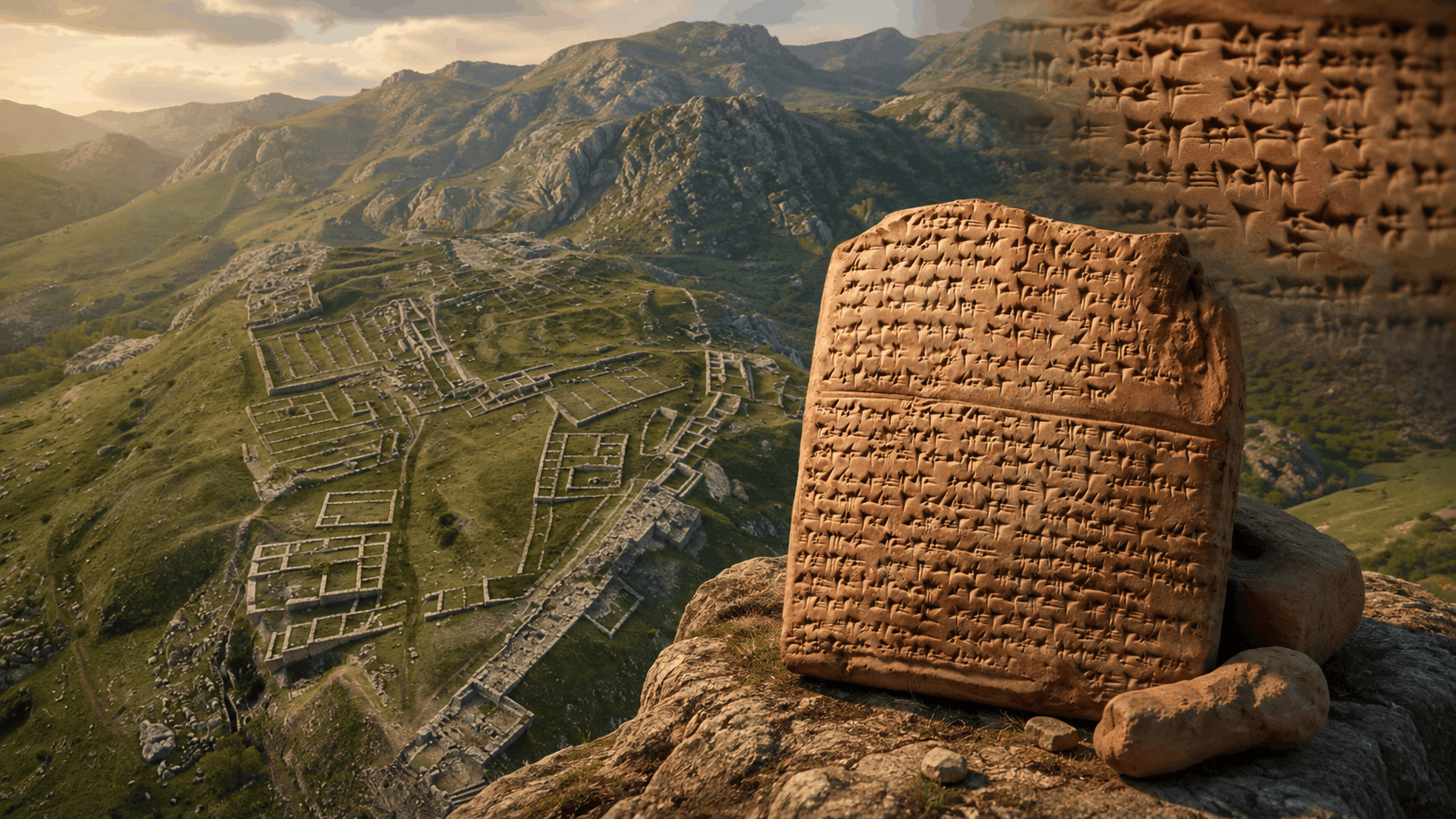
A 3,200-Year-Old Hittite Tablet Preserved a Language No One Knew Existe
A Hittite scribe working more than 3,000 years ago copied a ritual that included words from a language other than Hittite. Those few lines remain the only known written example of Kalašma, a language once spoken somewhere northwest of the Hittite capital. Before the tablet was identified, Kalašma was known only as the name of…
-
Anatolia’s Earliest Indigo-Dyed Textile Discovered at Bronze Age Beycesultan
A 3,900-year-old blue textile fragment uncovered in western Türkiye has been identified as the earliest known indigo-dyed fabric in Bronze Age Anatolia. The discovery, made at Beycesultan Höyük, also includes the region’s first confirmed evidence of single-needle knitting—revealing a level of textile sophistication previously undocumented in Anatolia during the second millennium BC. The research, led…
-
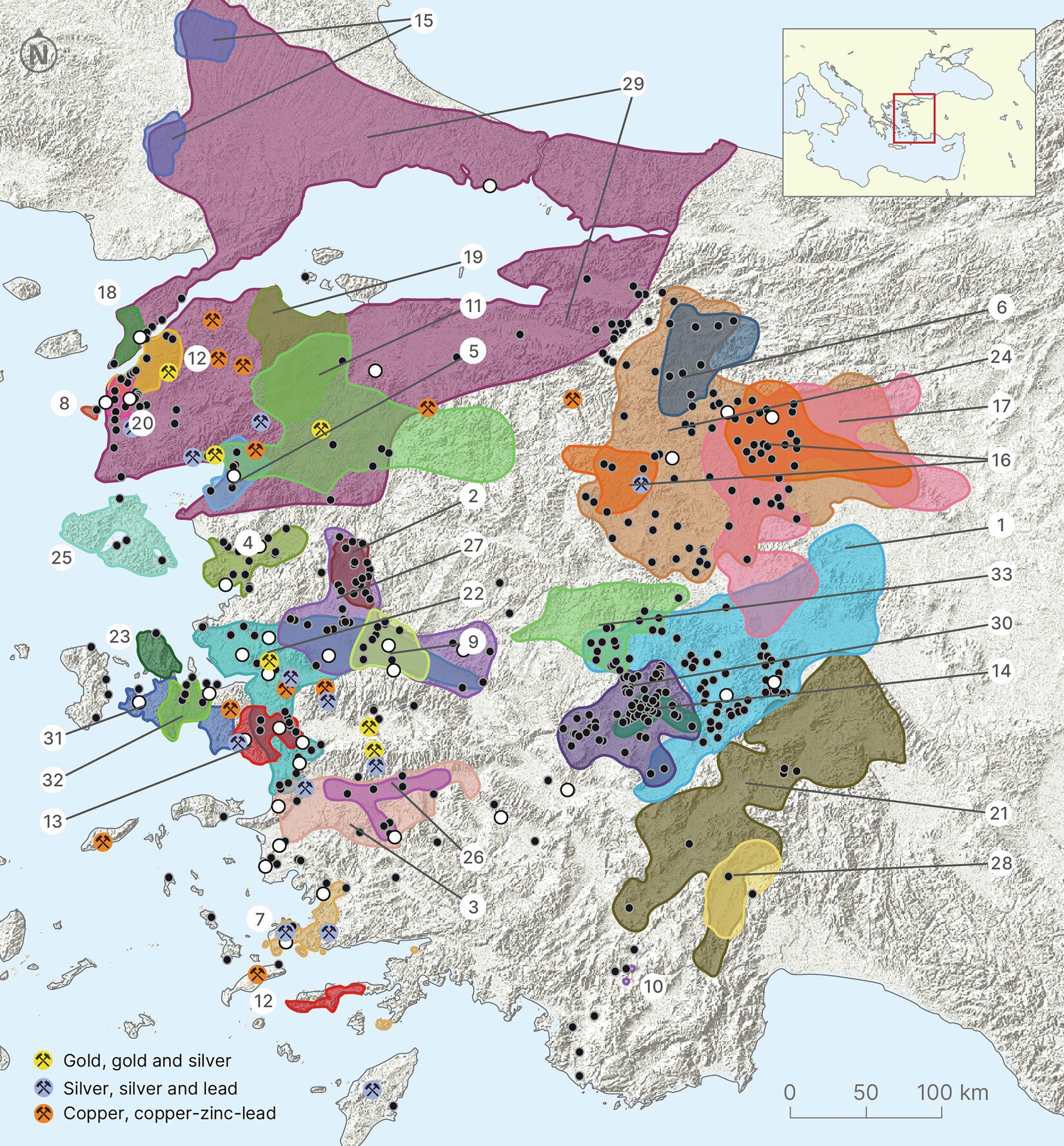
Mapping the Luvi World: A New Digital Catalogue Redraws Bronze Age Western Anatolia
For much of modern scholarship, the Luvi cultural landscape of western Anatolia has been reconstructed through fragmented excavation reports and a limited number of well-known sites. A recently published digital study now brings this scattered evidence together, offering the first truly regional perspective on Middle and Late Bronze Age settlement patterns across the area. Covering…
-
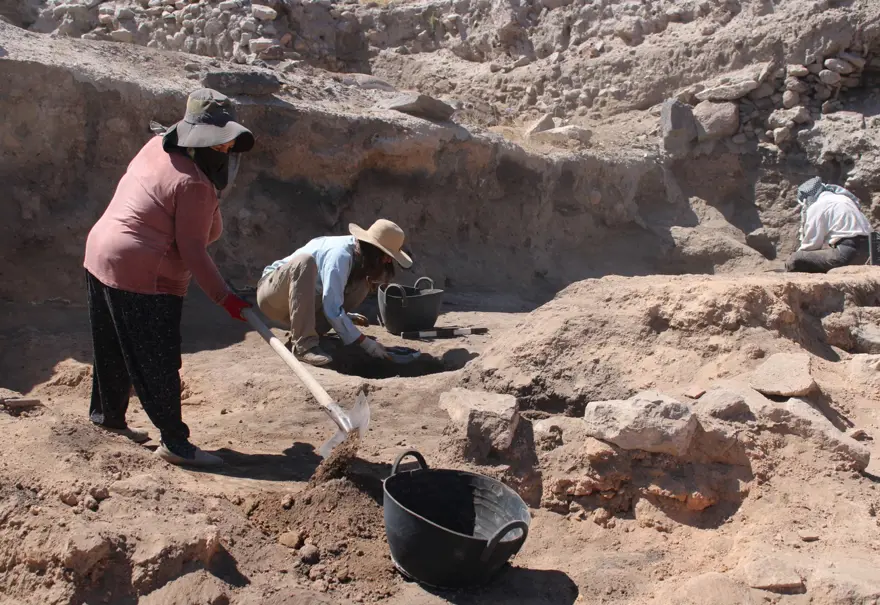
A Palace Beneath a Palace Discovered at Kültepe, Home to Anatolia’s Earliest Written Records
At Kültepe Kaniš-Karum, the site where Anatolia’s earliest written documents were first uncovered, archaeologists have made a discovery that pushes the region’s history deeper than previously understood. Excavations have revealed the remains of a monumental palace complex hidden beneath a known palace, pointing to a powerful authority that predates the Assyrian merchant period traditionally associated…
-
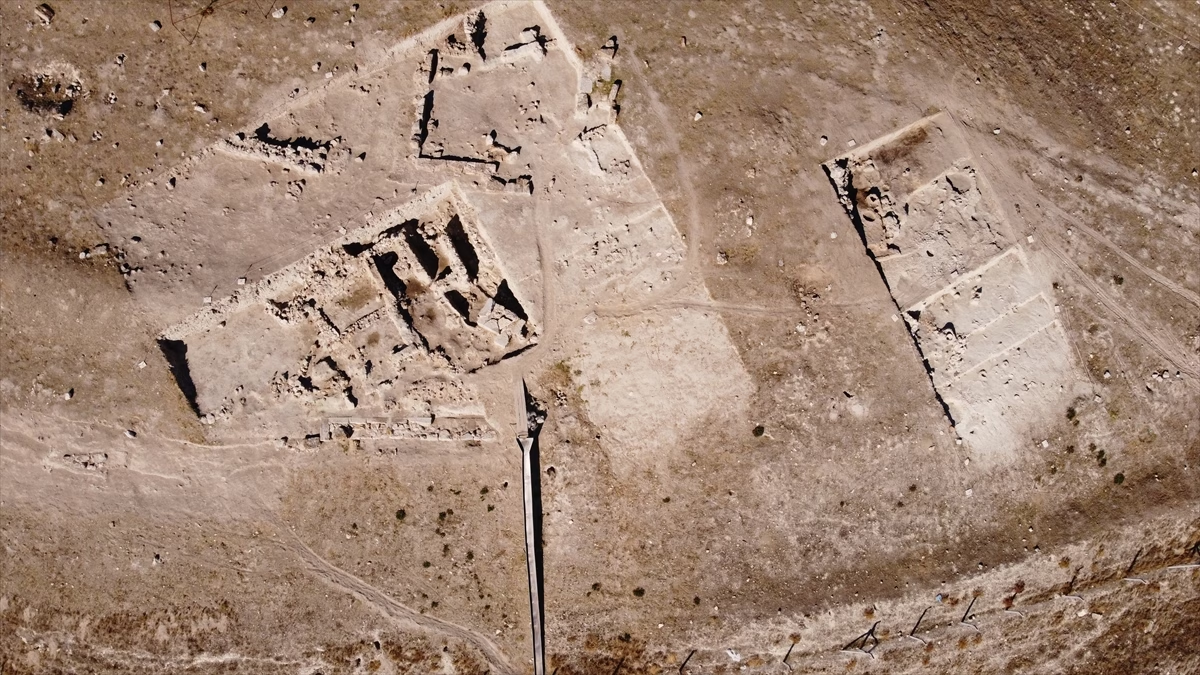
4,500-Year-Old Burnt House and Hellenistic Fortress Unearthed at Aşağıseyit Mound in Western Türkiye
Rising on the fertile plains of Çal in Denizli Province, Aşağıseyit Mound has long been a silent witness to Anatolia’s deep past — a settlement where life endured from the Late Chalcolithic through the Roman period. Recent excavations at the site have now revealed striking evidence of both prehistoric domestic life and Hellenistic military architecture,…
-
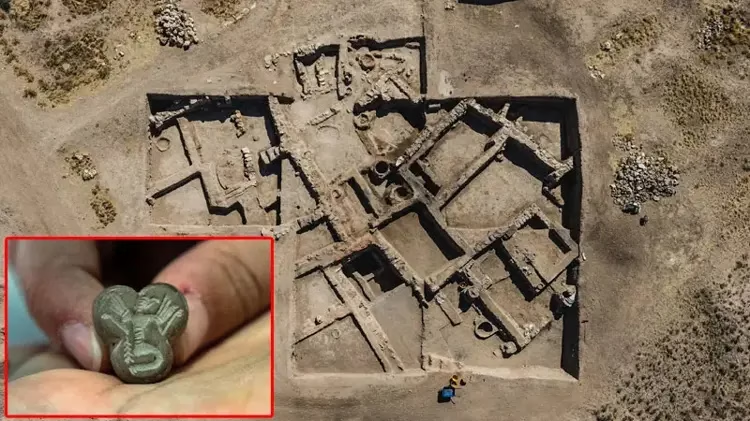
Archaeologists Uncover 3,500-Year-Old Eagle-Headed Human Seal at Karahöyük in Central Turkey
Excavations at the ancient settlement of Karahöyük have revealed a seal featuring an eagle-headed human figure, shedding new light on Bronze Age belief systems, funerary customs, and long-distance trade networks. Archaeologists working at Karahöyük, an ancient mound in Konya’s Meram district, have announced the discovery of an intricately carved seal depicting a human figure with…
-
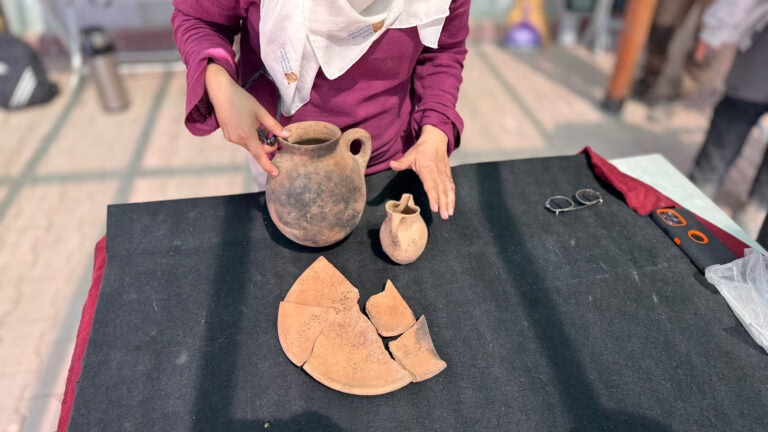
3,500-Year-Old Kitchen Set and Unique Artifacts Unearthed at Karahöyük, Konya
Excavations at Karahöyük in Konya’s Meram district have revealed a remarkable collection of artifacts dating back approximately 3,500 years. Among the discoveries are a complete kitchen set with a jug, a plate, and a handled cup, miniature toys, figurines, clay bull models, and cremation burials, providing unprecedented insight into daily life in central Anatolia during…