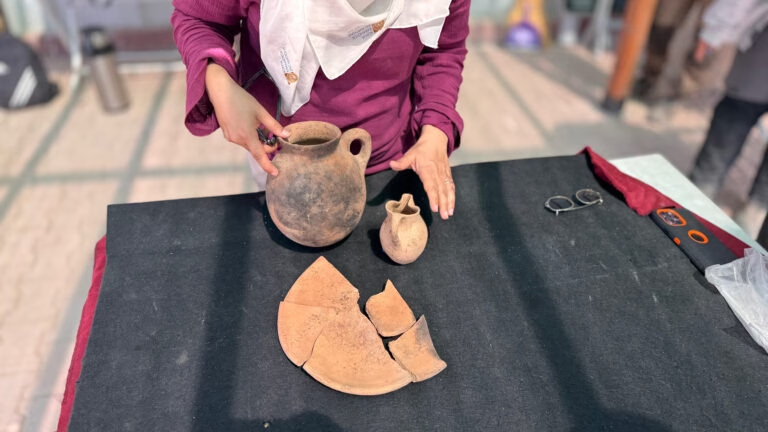
Excavations at Karahöyük in Konya’s Meram district have revealed a remarkable collection of artifacts dating back approximately 3,500 years. Among the discoveries are a complete kitchen set with a jug, a plate, and a handled cup, miniature toys, figurines, clay bull models, and cremation burials, providing unprecedented insight into daily life in central Anatolia during the Bronze Age.
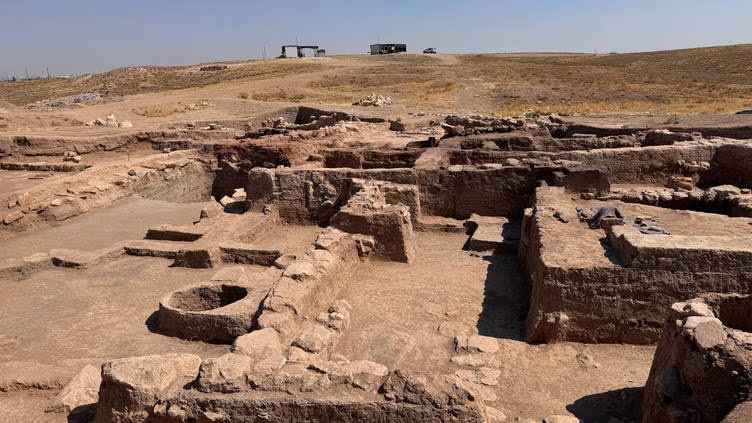
The excavation, led by Assoc. Prof. Gonca Dardeniz Arıkan from Istanbul University, emphasizes the significance of Karahöyük as a site preserving continuous archaeological layers reaching into the Old Hittite period.
“The variety of artifacts here—from household items to miniature toys and ritual objects—offers a unique glimpse into both domestic life and cultural practices 3,500 years ago,” Arıkan explained.
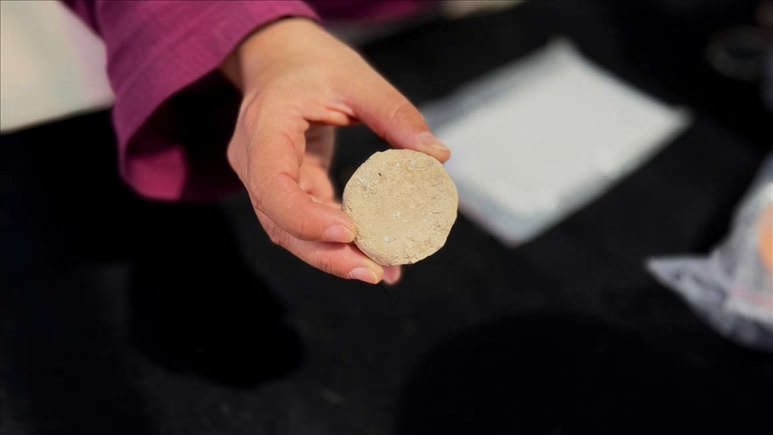
Everyday Life and Ritual Practices
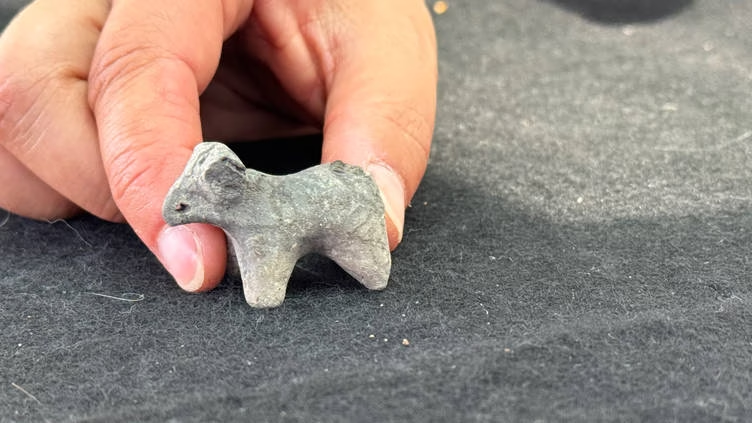
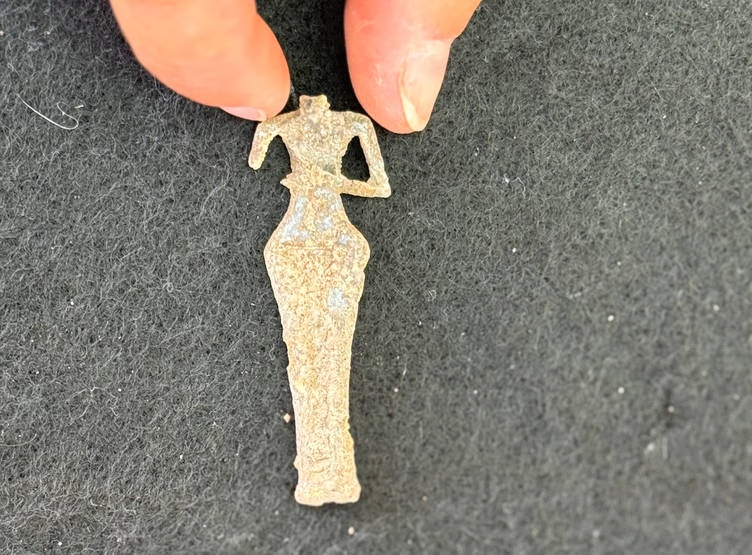
The kitchen set was found within a public building, suggesting shared or communal use. Alongside it, archaeologists uncovered a trefoil-rim jug, restored handled cup, and clay plate, as well as a clay bull figurine likely designed for children’s play, miniature wheeled toys, and a lead goddess amulet.
Burial and Cultural Insights
Excavations also revealed 60 infant burials. These findings, combined with the domestic objects, paint a detailed picture of both everyday life and ritual practices at Karahöyük.
Layers Extending Back to 2000 BCE
The site’s continuous layers, dating back to circa 2000 BCE, allow researchers to trace cultural and societal developments in central Anatolia over several centuries, providing valuable data for Bronze Age studies.
The artifacts are currently undergoing restoration and will be displayed in local museums in Konya.