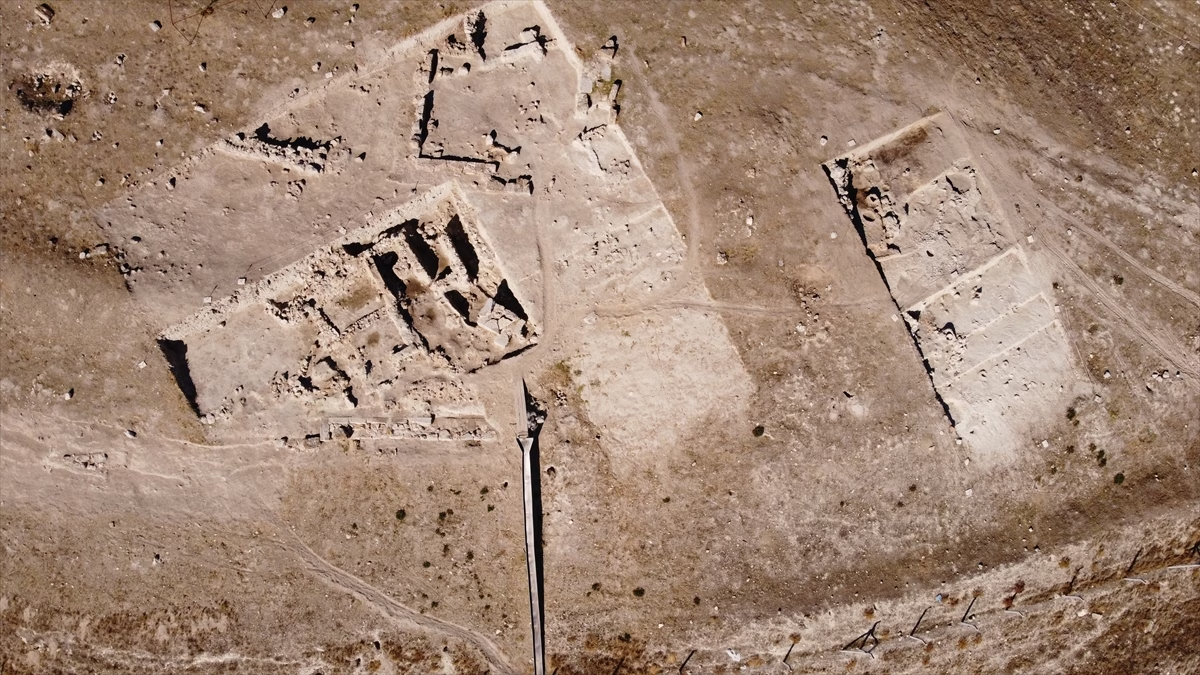
Rising on the fertile plains of Çal in Denizli Province, Aşağıseyit Mound has long been a silent witness to Anatolia’s deep past — a settlement where life endured from the Late Chalcolithic through the Roman period. Recent excavations at the site have now revealed striking evidence of both prehistoric domestic life and Hellenistic military architecture, bridging millennia of human activity in one place.
Layers of Civilization Beneath the Soil
Archaeological research at Aşağıseyit Höyük, directed since 2001 by Assoc. Prof. Dr. Erim Konakçı of İzmir Democracy University, has identified eight distinct occupational phases spanning over four millennia. During the 2025 field season, the team uncovered two key discoveries: the remains of a 4,500-year-old burnt house from the Early Bronze Age and fortress walls dating to around 280 BCE.
“These findings show that Aşağıseyit was not a simple agrarian village,” says Dr. Konakçı. “It also served as a strategically located settlement that connected agricultural production with regional defense networks.”
A House Frozen in Fire
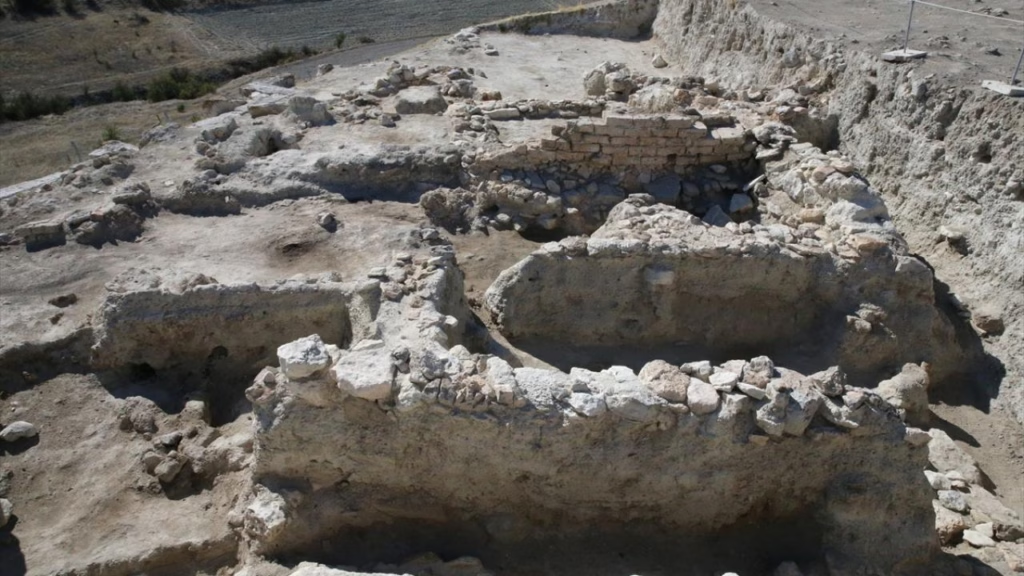
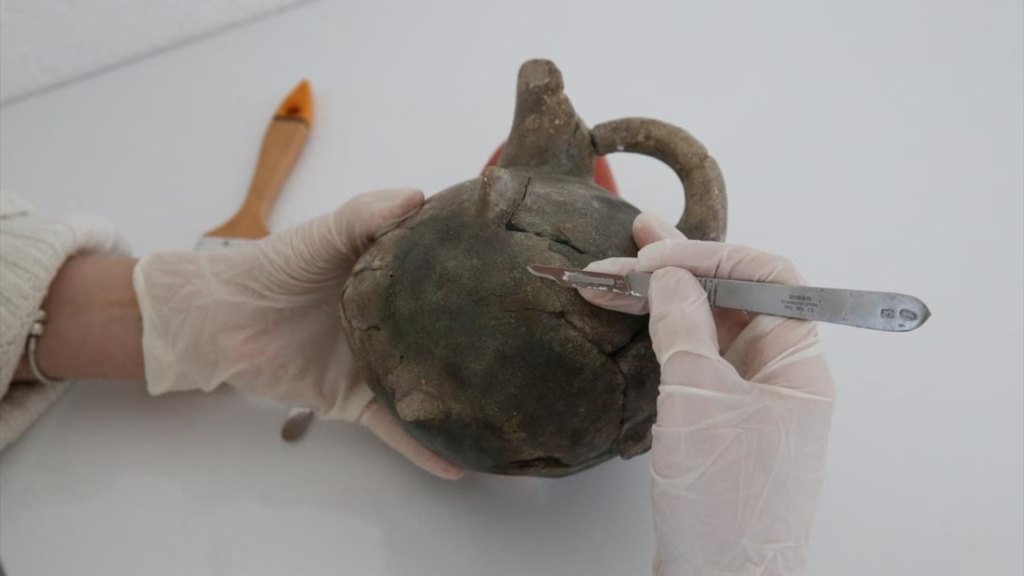
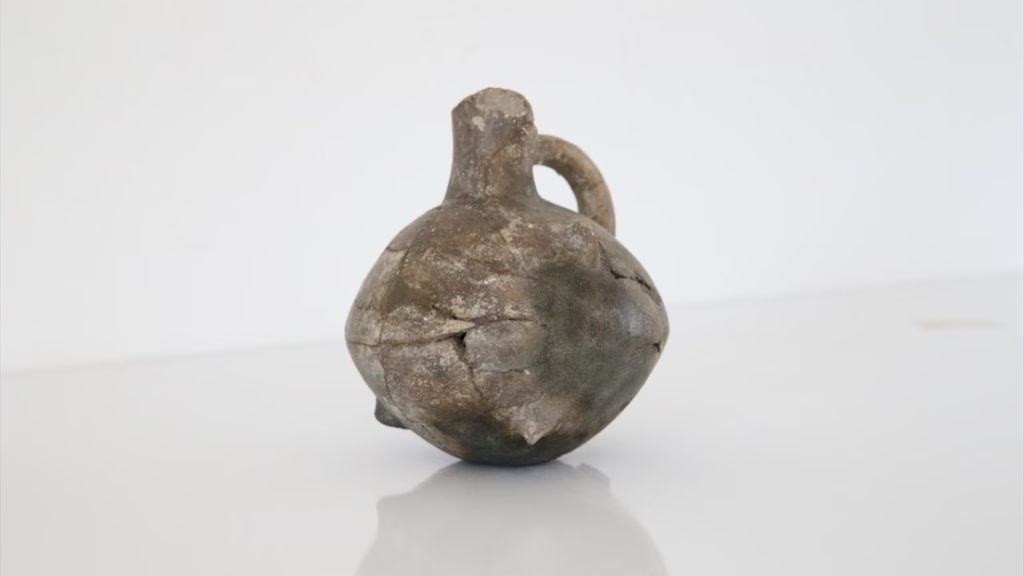
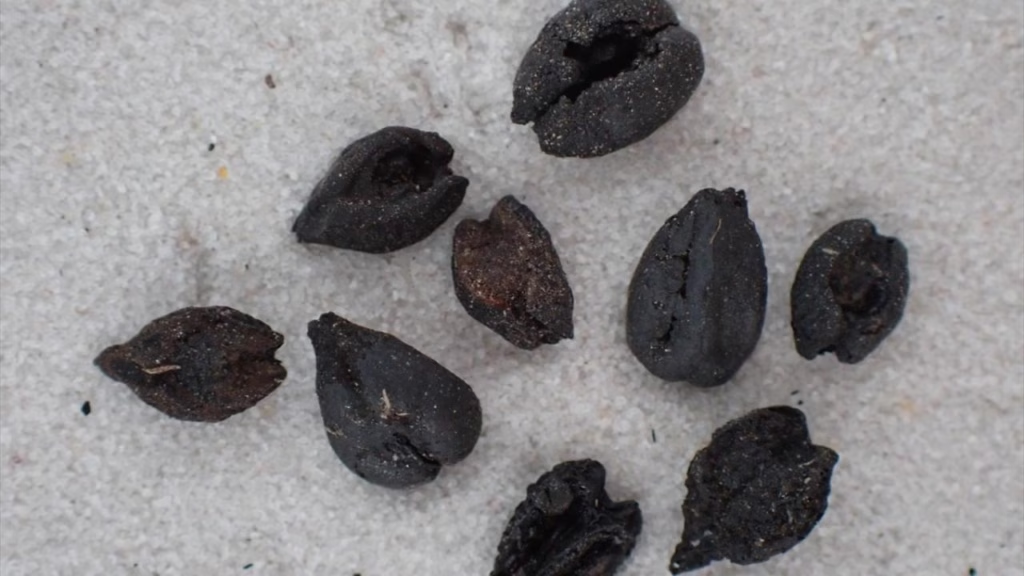
The charred house, preserved in situ beneath layers of cultural debris, yielded a wealth of artifacts: pottery, figurines, and tools made of bone and bronze, as well as infant burials placed inside ceramic vessels. The remains of grape seeds, figs, and wheat grains discovered within the ruins provide a vivid picture of daily life 45 centuries ago — and trace the roots of viticulture in the Çal region back to the Bronze Age.
“The 4,500-year-old grape seeds demonstrate that the region’s tradition of winemaking is far older than previously thought,” Konakçı noted. “The burnt house remains visible even today, preserving the memory of a moment when an entire household met sudden destruction.”
A Hellenistic Fortress on a Strategic Hill
The second major discovery — a Hellenistic fortress wall — dates to roughly 280 BCE, a turbulent period marked by conflict between the Seleucids and Galatians. The site’s elevated position suggests that Aşağıseyit once served as a watchpoint safeguarding the interior plains of western Anatolia.
“After the Elephant Battle, the Seleucids began fortifying their territories with small observation posts and garrisons,” Konakçı explained. “Aşağıseyit fits this defensive system perfectly — a vantage point combining agricultural potential and strategic oversight.”
Because the fortress was never built over in later centuries, the team can now examine the structure almost entirely intact, offering a rare glimpse into Hellenistic military design in inland Anatolia.
Bridging Eras of Power and Everyday Life
From the Bronze Age hearths to Hellenistic ramparts, Aşağıseyit stands as a microcosm of Anatolia’s shifting landscapes — where the rhythms of farming and warfare once intertwined. The ongoing research aims to reconstruct how this small yet pivotal settlement adapted to changing political and environmental realities over thousands of years.
Cover Image: Aerial view of Aşağıseyit Mound in Denizli, western Türkiye, where archaeologists uncovered a 4,500-year-old burnt house from the Early Bronze Age and fortress walls dating to around 280 BCE. Credit: AA