
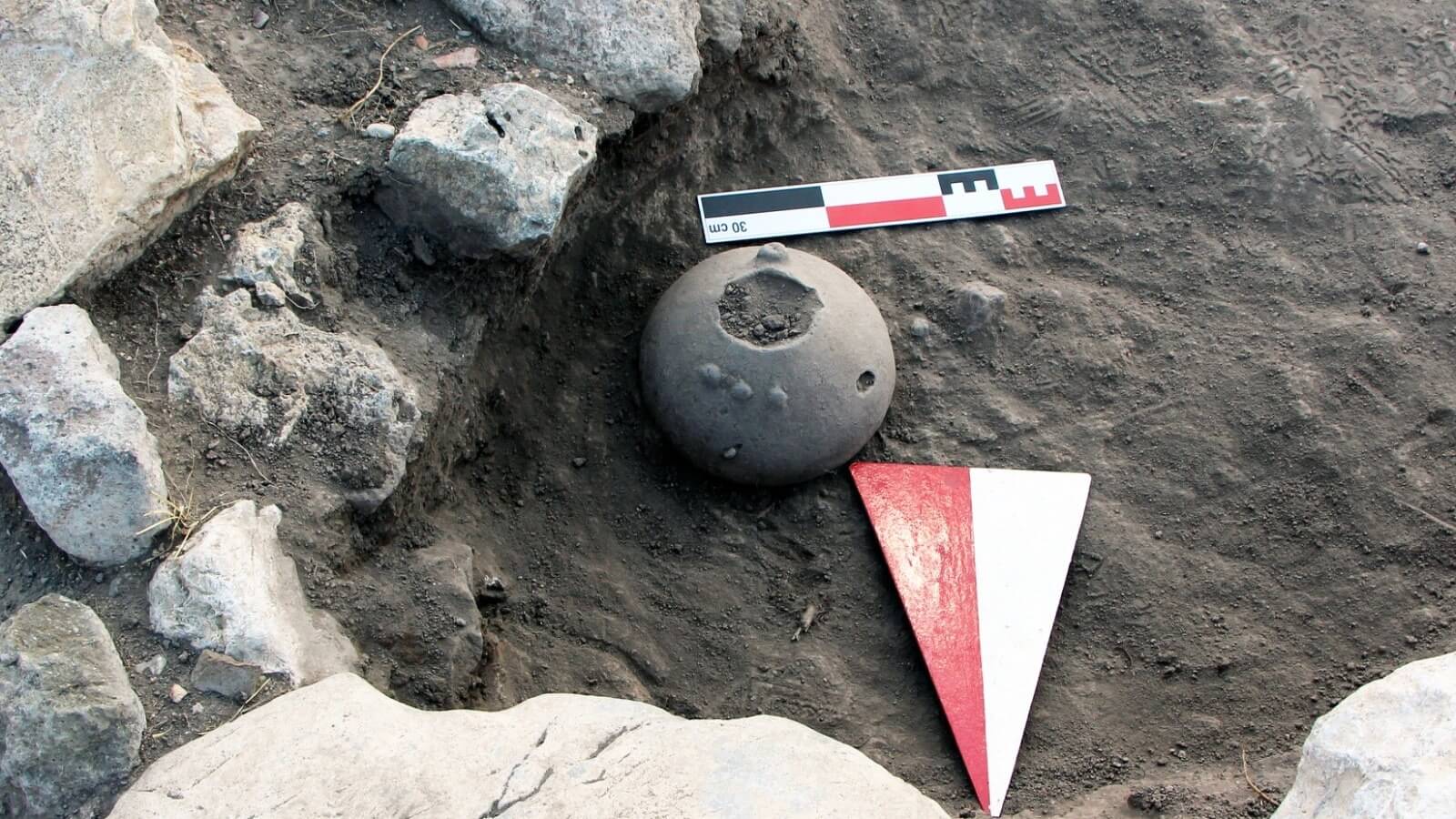
Seeds linked to Ankara’s endangered Sevgi Flower have been found inside a 4,000-year-old Hittite vessel at Külhöyük in central Türkiye. The discovery places a plant now confined to a small area south of the capital within the region’s Bronze Age landscape.
Türkiye’s Ministry of Culture and Tourism described the remains as the earliest known evidence associated with the flower. The find brings together two forms of heritage rarely encountered in a single object: the material traces of a Hittite settlement and the ancient botanical record of a species still growing near the excavation site.
What survived inside the vessel may prove more revealing than the pottery itself. The seeds could help researchers explore how closely the environment around ancient Külhöyük resembled the landscape in which the endangered flower struggles to survive today.
A Small Find with Difficult Questions
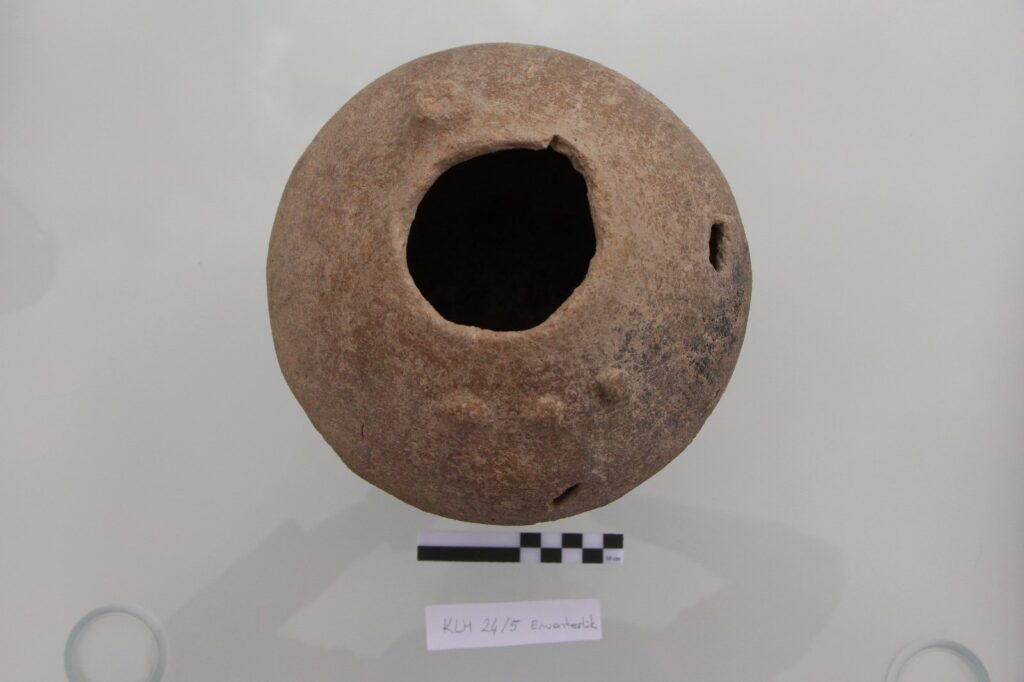
Seeds can reveal which plants grew around an ancient settlement, entered its buildings or became part of daily activity. In this case, however, the container alone cannot explain what happened.
Its contents may represent something intentionally collected, but the seeds could also have entered with soil or accumulated after the vessel fell out of use. The announcement provides no information about whether the pot was sealed, where it stood within the building or how the plant remains survived.
The published identification also requires some caution. Although officials connected the discovery with the Sevgi Flower, they referred to the ancient material as Centaurea, a genus containing hundreds of species. Further archaeobotanical details will be necessary to show which characteristics allowed specialists to associate the seeds with the flower found around Gölbaşı today.
This uncertainty does not make the discovery insignificant. Instead, it leaves researchers with a testable question about whether one of Ankara’s rarest modern plants formed part of the same landscape during the Bronze Age.
Külhöyük Guarded More Than a Rural Community
Külhöyük rises near Oyaca, approximately eight kilometers from the Hittite sanctuary of Gavurkale. The mound also occupied a route that connected central Anatolia with roads leading south toward the Cilician Gates, giving the settlement access to a much wider network.
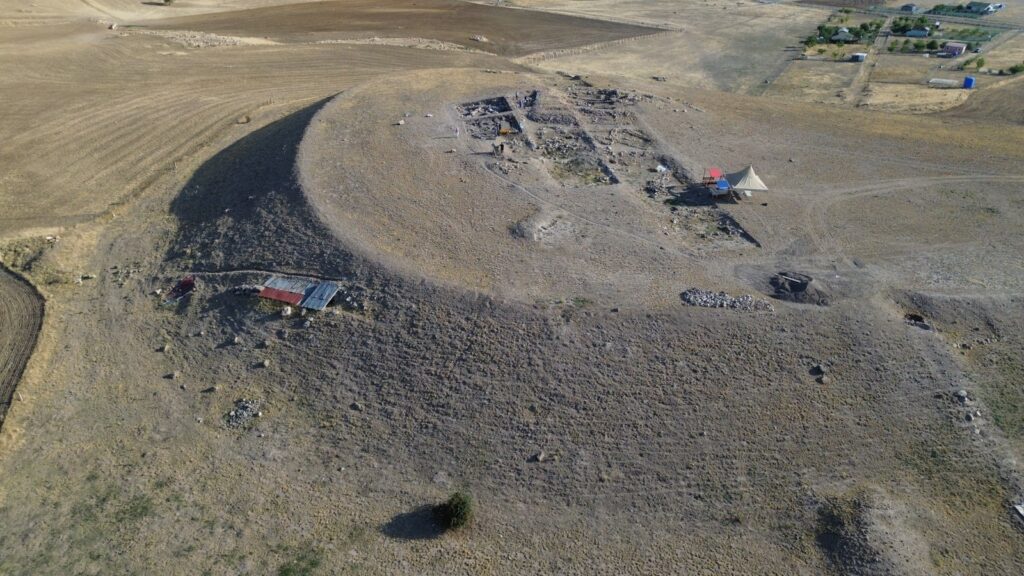
Human activity at the site began about 5,000 years ago. Its early history belongs to the world of the Hattians, while later construction reflects the expansion of Hittite authority across central Anatolia during the second millennium BC.
Previous excavations revealed massive stone foundations, fortification walls and two underground passages extending roughly 25 meters. Archaeologists also recovered a clay sealing bearing a Hittite hieroglyphic impression. Together, the finds point toward a fortified center with functions extending beyond ordinary village life.
Current research led by Associate Professor Derya Yılmaz Tekin of Ankara University aims to clarify the buildings, movement routes and occupational phases hidden within the mound. The seeds introduce another line of inquiry by turning attention from Külhöyük’s architecture to its ancient environment.
The Flower That Remained
Centaurea tchihatcheffii belongs to the daisy family and produces vivid red, pink and purple flowers. Local people also call it Yanardöner because the petals seem to shift in color when stirred by light and wind.
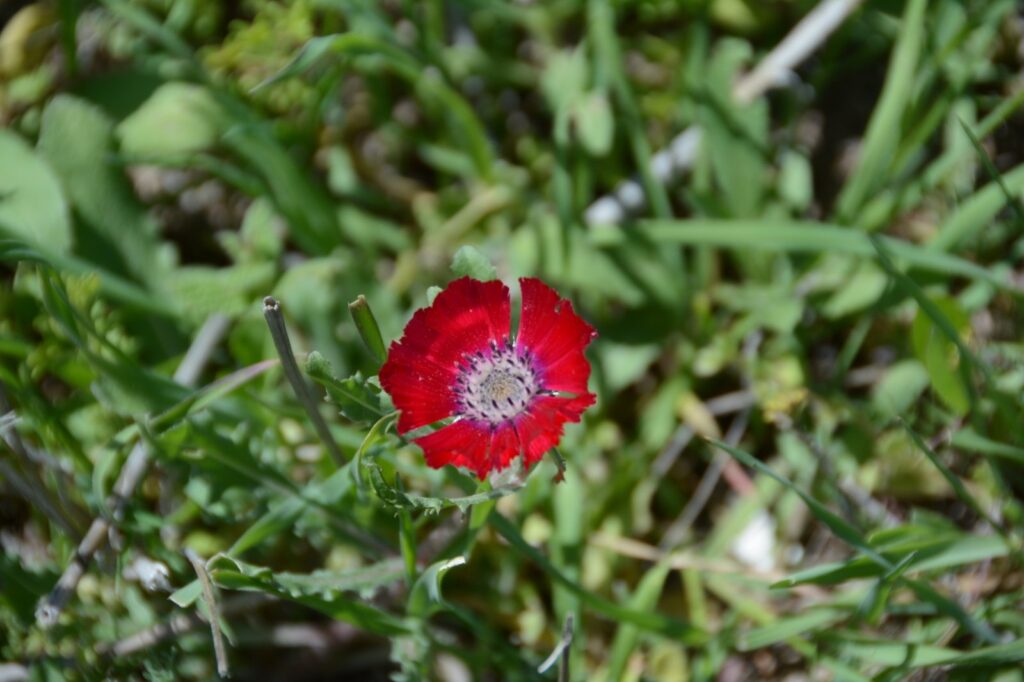
Its natural distribution has contracted to a limited area around Gölbaşı, where farming, construction and habitat loss threaten the surviving populations. A population study conducted at Middle East Technical University identified cereal cultivation, construction and the collection of wild plants as the species’ principal human-driven threats. The critically endangered flower received geographical indication protection in 2019 and has become a symbol of the district’s natural heritage.
The Külhöyük seeds do not prove that the modern population has remained genetically unchanged for four millennia. They offer something more precise: a possible botanical record connecting a rare living flower with the ancient landscape beneath Ankara’s expanding southern edge.
Cover Image: Still embedded in the soil at Külhöyük, the Bronze Age vessel later yielded seed remains associated with the rare Sevgi Flower. Credit: Türkiye’s Ministry of Culture and Tourism / Külhöyük Excavation